REVIEW · ATHENS
Athens Street Art Walk
Book on Viator →Operated by Alternative Athens · Bookable on Viator
Street art in Athens starts where the crowds quit. This 3-hour Athens Street Art Walk takes you through the city’s newer creative neighborhoods, guided by a local street artist who explains what you’re looking at and why it matters. The big setting is the Gazi district, where old industry has morphed into a modern arts playground.
I love how much you get from the format: a small group (max 12) keeps the conversation going and makes it easier to ask questions. I also like the practical side. You’re not just chasing murals—you’ll leave with a better sense of where to wander next and what kinds of places (cafés, music spots, local hangouts) fit the vibe.
One consideration: the meeting point on Ermou 134 can be a little tricky to locate if you’re not used to Athens bus-area signage. Arrive a few minutes early so you can get your bearings fast, especially on a busy morning.
In This Review
- Key Highlights to Know Before You Go
- Athens Street Art Walk: A Simple Way to See a Different Athens
- Gazi and Technopolis: Where Old Industry Became a Cultural Magnet
- Bohemian Neighborhood Vibes and Side-Street Murals
- What the Artist-Guide Adds (and Why It Changes How You Look)
- Pace, Comfort, and What to Bring for the Morning
- Price and Value: Is $64.12 Worth It?
- Meeting Point and Route End: Where to Start and How to Not Stress
- Who Should Book This Tour (and Who Might Skip It)
- Should You Book the Athens Street Art Walk?
- FAQ
- How long is the Athens Street Art Walk?
- Where does the tour start and where does it end?
- What time does the tour begin?
- How much does it cost?
- What’s included in the tour price?
- Is food or transportation included?
- What group size should I expect?
- Is there any cancellation flexibility?
Key Highlights to Know Before You Go
- 3-hour walking route focused on Athens street art and murals
- Local artist guide explains the stories, not just the visuals
- Small group size (12 max) for a more personal experience
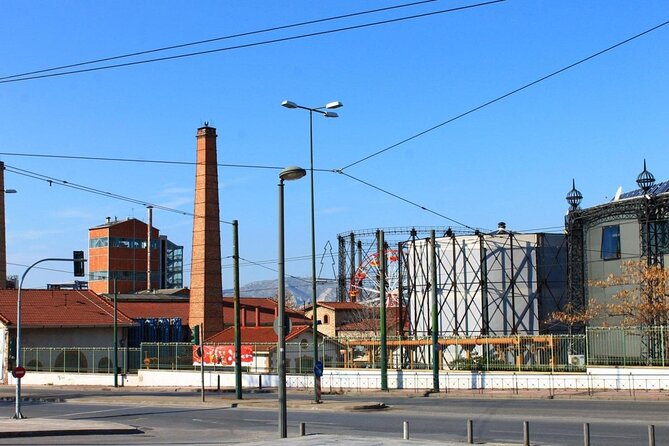
- Gazi district + Technopolis area where modern culture meets old industrial bones
- Mid-walk refreshment stop is part of the flow (food/drinks are not included)
Athens Street Art Walk: A Simple Way to See a Different Athens
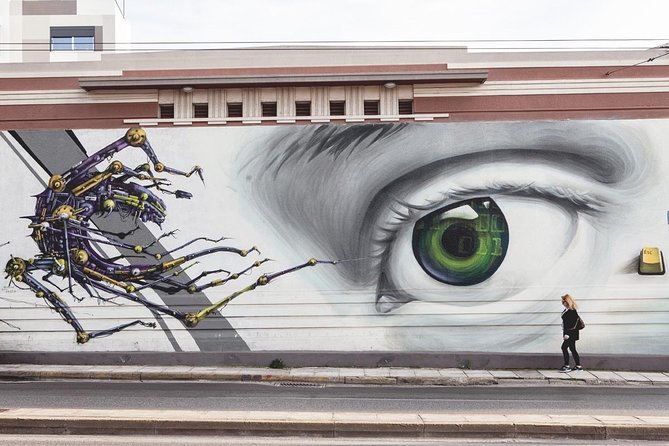
If you’ve only mapped Athens around the Acropolis, this is your reset button. Street art works best when you understand the street itself—its history, the people who live there, and what’s happening right now. That’s the heart of this walk. You move on foot through neighborhoods that feel like they have their own pulse, not just a camera backdrop.
The guide leads you through murals and smaller pieces you might miss on your own. And because the guide is a street artist, the commentary tends to go beyond art terms. You’ll hear how Athens walls act like public conversations: opinions get painted, identities get claimed, and culture spreads in plain sight.
You also get the nice balance of structure and freedom. The walk is organized enough to make sense, but it still leaves room to pause for photos and ask about what you’re seeing.
You can also read our reviews of more walking tours in Athens



Gazi and Technopolis: Where Old Industry Became a Cultural Magnet
Gazi is where Athens starts acting younger. Over the past couple of decades, this area has gone through major development and now feels like a new hub—full of restaurants, cafés, bars, cinemas, and music venues. It’s not a “museum district.” It’s a lived-in neighborhood where art shows up as part of everyday life.
One of the most interesting stops centers around Technopolis, the cultural center created from the old city gasworks. That transformation is a big clue to how Athens street art makes sense here: the city repurposes spaces. Industrial structures become venues. Streets become galleries. Walls become message boards.
What you should watch for on this section of the walk is the layering. You’ll be seeing murals next to the texture of the neighborhood—shopfronts, pedestrian corridors, places where people actually stop. That contrast helps you understand street art as social geography, not just decoration.
Good to know: Technopolis is often mentioned as a unique cultural center in Europe, and seeing street art in the same broader atmosphere is a strong way to connect the dots between contemporary creativity and the city’s older bones.
Bohemian Neighborhood Vibes and Side-Street Murals
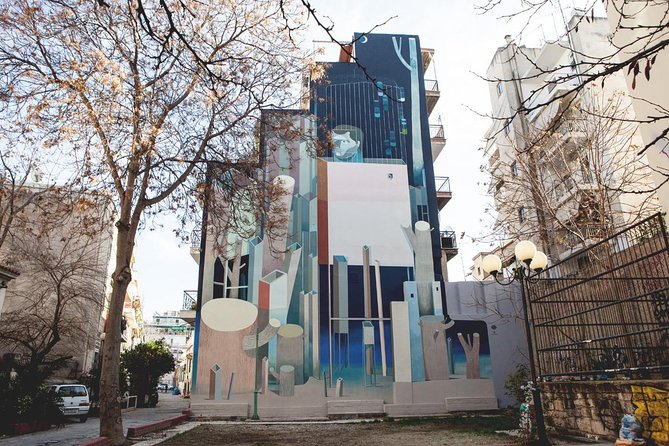
After the Gazi framing, the walk keeps moving through the neighborhood mood: artisan accessories, spice bazaars, and bohemian café-bars. It sounds like a postcard description, but the key is how it supports the art. Street art tends to thrive where foot traffic is constant and people feel comfortable lingering.
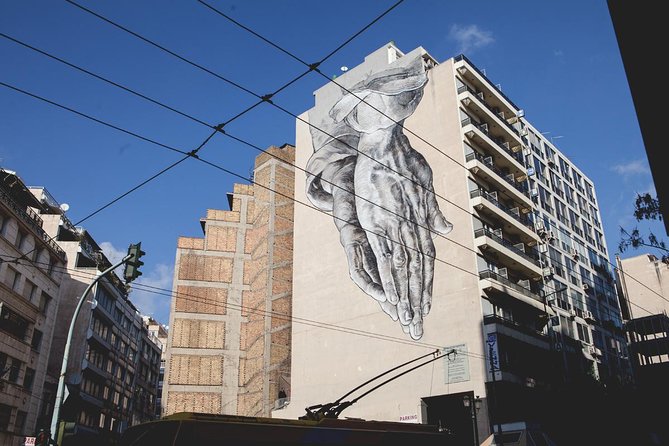
This part of the tour is where you get a sense of the variety. Some pieces are big and obvious. Others are smaller, tucked into side streets where you’d need a local eye to notice them. The guide’s job is to point out what’s worth stopping for, then explain the signals: style, symbolism, and the neighborhood context that gives the artwork its meaning.
Also, the walk helps you understand that street art is not one single category. You may see different approaches—commissioned-looking murals alongside the kind of work that feels more raw and immediate. You start noticing how walls act like a mix of advertising, personal expression, and public commentary.
If your goal is to get beyond the usual “here’s a mural, take a photo,” this is the portion that typically delivers. It reframes the city as a patchwork of communities, each with its own language.
What the Artist-Guide Adds (and Why It Changes How You Look)

This is where the tour earns its reputation. The guide isn’t just a translator of art facts. You’re walking with someone who understands the medium from the inside. That means explanations can stay grounded in how street artists think: about place, audience, timing, and message.
In practice, you’ll learn to read art elements instead of just spotting images. The guide can help you sort out questions like:
- what makes a mural different from other street markings
- how location affects meaning
- how the street itself shapes what artists choose to paint
Several guides working with Alternative Athens are praised for strong English and a relaxed pace. You’ll often have time to linger at locations for photos, and the tone tends to feel communicative rather than lecture-heavy. If you like when a guide chats like a person with a point of view—but still backs it up with context—this style usually hits the mark.
You’ll also get neighborhood hints. The walk is often described as an easy way to discover where to go and what to do next, including practical ideas on cafés and food stops nearby, even though meals aren’t part of the tour.
Pace, Comfort, and What to Bring for the Morning
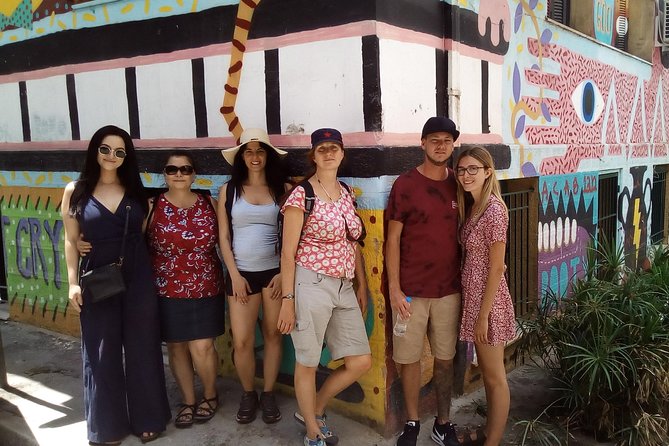
This experience is about 3 hours of walking, and it’s a true on-foot city walk. That means comfort matters more than you might think. I’d treat this like a morning hike through neighborhoods.
Bring:
- Comfortable walking shoes (some streets are uneven, and you’ll be stopping often)
- A camera or phone with enough storage for the photo stops
- A little cash for a coffee or soda, since food and drinks aren’t included
The tour also includes a break where you can recharge. People mention a café-style stop mid-walk where you can take a breather before continuing. It’s a nice rhythm—especially if you’re doing other Athens sightseeing later.
Start time is 10:00 am, so you can do this first and still have plenty of daylight for other parts of the city. And because the end point is Monastiraki, it’s a handy way to build momentum toward the central sightseeing core without rushing.
You can also read our reviews of more tours and experiences in Athens






Price and Value: Is $64.12 Worth It?
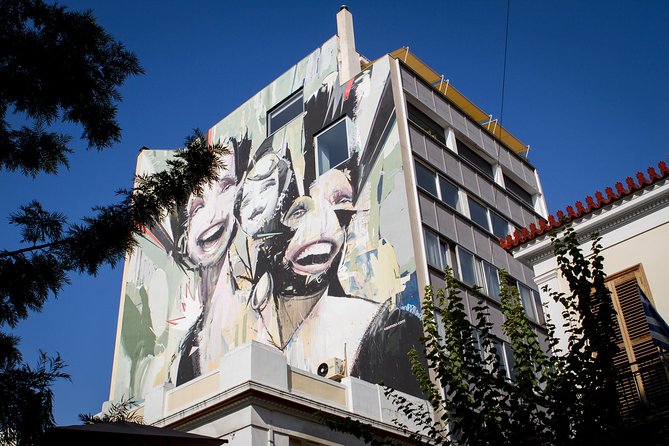
At $64.12 per person, this isn’t a budget add-on—but it also isn’t “museum-ticket pricing.” The value comes from the mix: a local artist guide, a structured walking route that teaches you how to see, and a small group capped at 12.
Here’s how I’d judge the value if I were planning your day:
- You’re paying for interpretation. Street art is easy to ignore if you don’t know what to look for. The guide helps you make sense of symbols, locations, and the cultural logic behind the works.
- You’re paying for access. The tour design routes you through areas you might not choose on your own, especially if you’re sticking to the typical tourist blocks.
- You’re paying for time efficiency. You get context in hours, not over days of guesswork.
If you already love street art and you’re the type who likes learning the stories behind public visuals, the cost feels fair. If you want a quick photo sweep with zero explanation, this may feel pricier than you expected.
Meeting Point and Route End: Where to Start and How to Not Stress
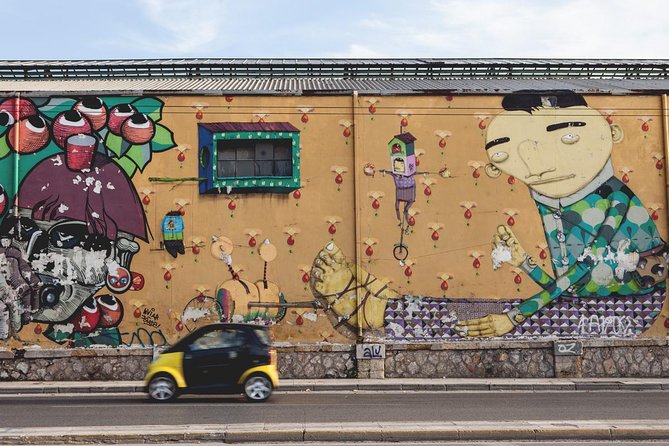
You start at Ermou 134, Athina 105 53, Greece, and the walk finishes in Monastiraki. The meeting point is near public transportation, which helps. Still, one comment stands out: Ermou can be a bit hard to spot if you don’t recognize the local bus-area layout.
My advice is simple:
- arrive a few minutes early
- have Google Maps ready
- don’t try to “power through” if you’re lost—stop, recheck, and then join the group
You’ll end where many people naturally want to be afterward. Monastiraki is a convenient landing zone for continuing your Athens day.
Who Should Book This Tour (and Who Might Skip It)
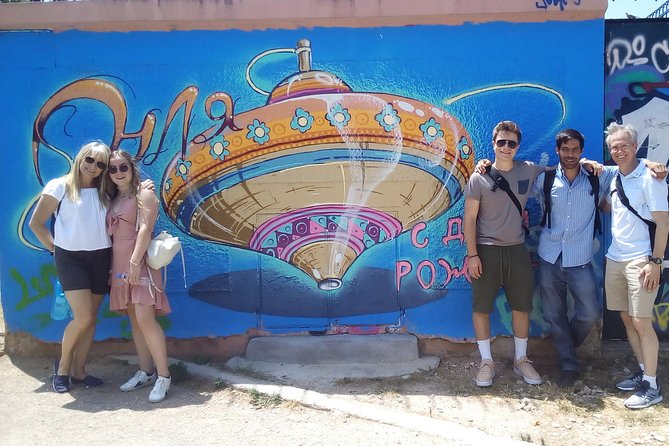
This is a strong fit if you:
- want to see Athens beyond the big ancient sites
- like street art with context, not just images
- enjoy neighborhood wandering with a local guide’s direction
- prefer small group experiences
It’s also a good match if you’re curious about how contemporary culture sits next to older architecture and historic spaces—Gazi and Technopolis are a good example of that blend.
I’d consider skipping if:
- you hate walking for 3 hours
- you’re mainly interested in interiors or big-ticket attractions
- you want food included, since food and drinks aren’t included
Should You Book the Athens Street Art Walk?
I think you should book it if Athens is on your mind as a living city, not just a list of monuments. This tour is built to help you notice what’s happening at street level—and that’s exactly what makes Athens feel surprising after the classics.
The big selling points for me are the small group size, the artist-guide approach, and the way the route connects street art to real neighborhoods like Gazi and the Technopolis area. If you like asking questions and you’re open to seeing contemporary culture as part of Athens’ identity, this is one of the most satisfying ways to spend your time.
FAQ
How long is the Athens Street Art Walk?
The tour lasts about 3 hours on foot.
Where does the tour start and where does it end?
It starts at Ermou 134, Athina 105 53, Greece and ends in Monastiraki, Athina, Greece.
What time does the tour begin?
The start time is 10:00 am.
How much does it cost?
The price is $64.12 per person.
What’s included in the tour price?
You get an English-speaking local guide. The tour also provides a mobile ticket.
Is food or transportation included?
No. Food and drinks are not included, and transportation is also not included.
What group size should I expect?
The tour has a maximum group size of 12 travelers.
Is there any cancellation flexibility?
Yes. You can cancel for a full refund up to 24 hours before the experience starts.
You Might Also Enjoy




More Street Art in Athens
More Walking Tours in Athens



More Tour Reviews in Athens
- All Day Cruise -3 Islands to Agistri,Moni, Aegina with lunch and drinks included
★ 5.0 · 4,958 reviews