REVIEW · ATHENS
Early Morning Acropolis & Old Athens Guided Walking Tour
Book on GetYourGuide →Operated by Key Tours · Bookable on GetYourGuide
That first sight of the Acropolis feels unreal. I loved how the early start turns a crowded landmark into something you can actually think about, and I also liked the wireless audio that keeps you in sync with the guide instead of guessing. You’ll still do a steep climb, so it’s worth coming prepared and taking breaks when your body asks for them.
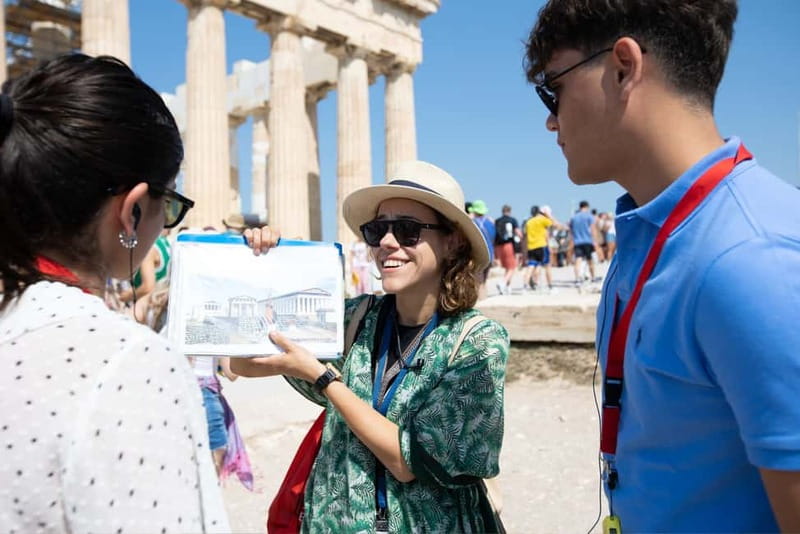
The route is built to move you through the big set pieces fast, from the Theatre of Dionysus up to the Parthenon, then down into old streets around Plaka and Monastiraki. Guides such as Simon, Joanna, Christina, Kostas, and Tina were highlighted in the experience details as clear, enthusiastic storytellers who keep groups together and answer questions without rushing. One consideration: if you want lots of free-roam time in Plaka, the tour’s pacing may feel a bit structured.
In This Review
- Key things to know before you go
- Why the early start matters for the Acropolis climb
- Where the tour begins and how the audio keeps you together
- Theatre of Dionysus to Odeon of Herodes Atticus: the story starts on the slopes
- Propylaea and Temple of Athena Nike: the gate and the perfect photo angle
- Parthenon and Erechtheion: the architecture you thought you knew
- The 30-minute photo stop: use it for views, not wandering
- Anafiotika and the downhill shift to old Athens
- Roman Forum, Tower of the Winds, and the museums along the route
- Tying it together at Monastiraki Square
- What the Plaka add-on really gives you (besides more stops)
- Shoes, sun, and how to handle the moderate climb
- Price and value: what you pay for at about $28.46
- Who this tour suits best
- Should you book this early Acropolis and Plaka tour?
- FAQ
- How long is the early Acropolis & Old Athens guided walking tour?
- Is skip-the-line entry included?
- Are Acropolis entrance tickets included in every option?
- What languages is the live guide available in?
- Where does the tour start and end?
- What should I bring?
- Is pickup from hotels included?
Key things to know before you go
- Early-acccess timing helps you avoid the worst heat and crush of later tours.
- Wireless audio devices make it easier to hear on stairs and crowded platforms.
- Skip-the-line entry (when you choose the ticket option) saves you waiting for the gates.
- The Acropolis-to-Plaka flow is efficient: big monuments first, then lived-in neighborhood streets.
- Plaka stops go beyond the postcard view, including places tied to Roman Athens and towers/museums along the way.
- It’s moderate effort due to the climb, especially in summer.
Why the early start matters for the Acropolis climb
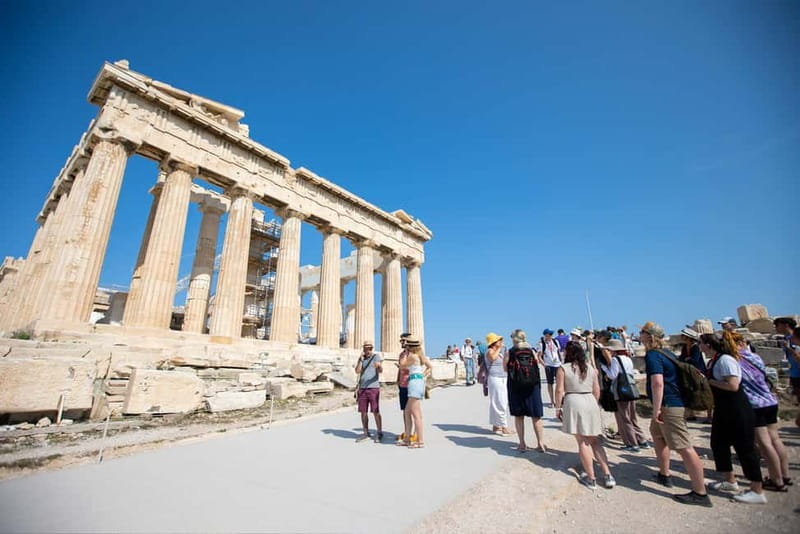
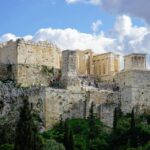
The Acropolis is famous for a reason, but the real challenge is how the day changes. By late morning, the heat and the crowds can make even short distances feel like hard work. Starting early keeps the experience human. You get clearer light for photos, fewer people blocking your view, and you’re more likely to enjoy the site instead of just surviving it.
This tour is also designed around the idea that the hill is part of the story. You’ll move up past key places on the slopes before you reach the major temples. That gradual approach helps you connect what you’re seeing with what the guide is explaining, instead of arriving at the Parthenon already exhausted.
You can also read our reviews of more walking tours in Athens

Where the tour begins and how the audio keeps you together
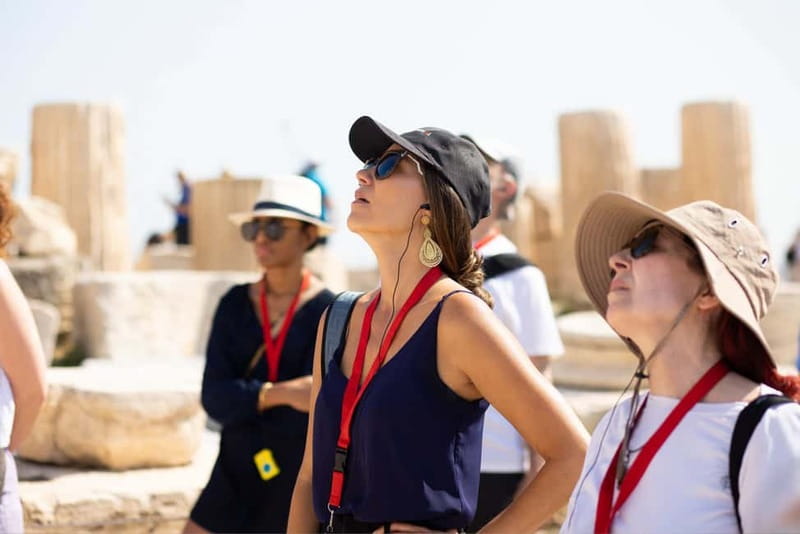
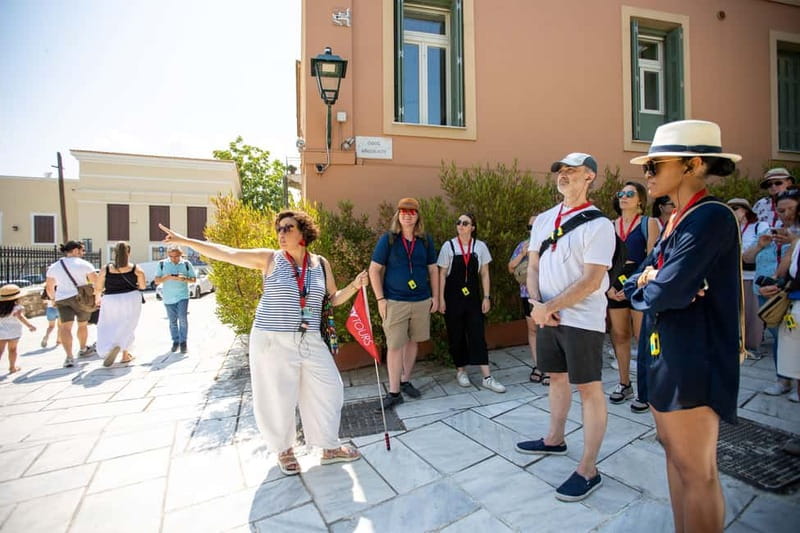
You’ll meet at the Key Tours office area and start your walk early. Once you’re moving, the wireless audio system makes a big difference. Even when the group bunches up near railings and steps, you can usually hear the guide clearly without craning your neck.
That matters more on the Acropolis than you’d think. The site is spread out, the paths are uneven, and there’s often background noise from other groups. A few people in the experience details specifically praised how the earpieces made the commentary easy to follow throughout the walking portions. It’s one of the best upgrades you can get here because it reduces the usual “what did we miss?” feeling.
Theatre of Dionysus to Odeon of Herodes Atticus: the story starts on the slopes
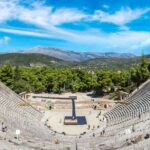
After you set off, the tour begins by framing the Acropolis as more than one temple. Your first major stop is the Theatre of Dionysus, on the south slope. Even if you only remember bits of Greek theatre from school, standing near the ancient stage area gives context fast. It’s one of those places where the history clicks because you can see the layout and imagine the performances.
Next you’ll walk to the Odeon of Herodes Atticus. This stop helps you shift from myth and art into the reality of civic life in Athens. You’re still climbing, but the guide’s pacing turns the slope into a guided “argument” for why the Acropolis functioned as a living cultural center, not just a monument.
A lot of the value here is that you’re not arriving at the top as a tourist with blinders. You’re walking into the Acropolis with a sense of how the pieces connect.
Propylaea and Temple of Athena Nike: the gate and the perfect photo angle

As you move upward, you reach the Propylaea, the monumental gateway into the sanctuary area. This is the kind of structure you can appreciate in a quick glance, but you’ll get more from the guide because you’re learning how the entry space was designed to control your approach.
Then you’ll visit the Temple of Athena Nike. It’s one of those buildings that seems modest compared to the Parthenon—until you see it in the right light and with the right explanation. The guide’s stops here help you notice proportions and design choices that you’d likely miss if you were just trying to tick boxes.
Practical note: you’ll want to keep moving, not linger too long in the hottest or most crowded spots. The early timing helps, but it still gets busy as people reach the same viewpoints.
Parthenon and Erechtheion: the architecture you thought you knew
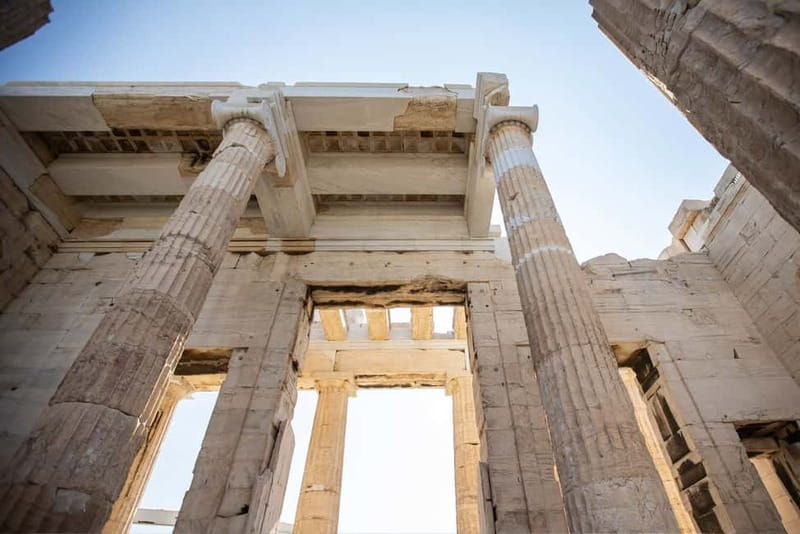
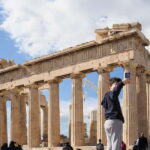
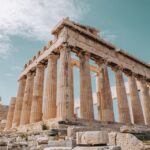
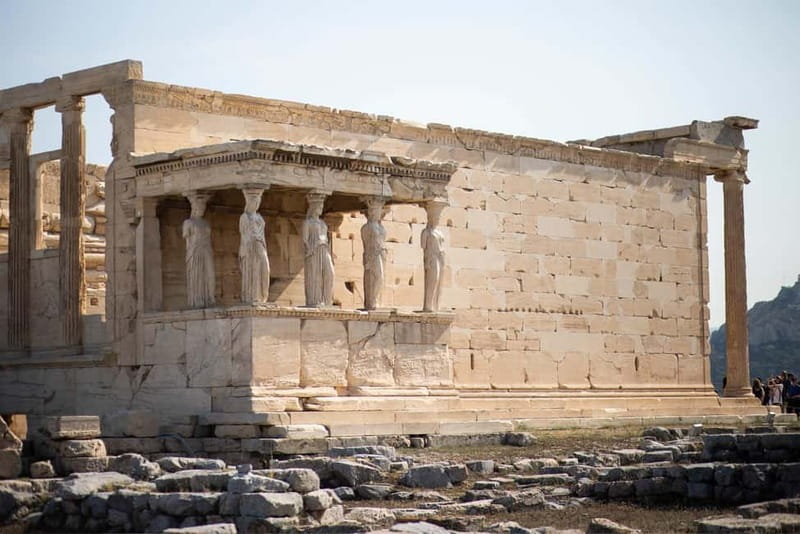
The tour then hits the big two: Parthenon and Erechtheion. The Parthenon is the headline, but the Erechtheion is often the more interesting surprise because of how visually distinct it is. You’ll have guided time at both, including walking and short stops that give you a chance to actually look instead of just passing through.
At these points, the guide’s storytelling is what makes the stones feel like something more than old rocks. People mentioned that guides like Joanna, Christina, and Dimitri were especially good at turning the structures into clear, human-scale explanations. I agree with that idea: when someone can connect myths, politics, and design without rambling, you learn faster and remember longer.
You’ll also see the Pedestal of Agrippa mentioned as part of the core route. That kind of stop is useful because it breaks the “only temples matter” mindset. It reminds you the Acropolis was constantly layered with different eras and uses.
You can also read our reviews of more guided tours in Athens


The 30-minute photo stop: use it for views, not wandering
After the guided temple sequence, you get a photo stop with free time (about 30 minutes) around the Acropolis area. This is your chance to do what the tour can’t: slow down, change angles, and take a breath.
A smart way to use this time:
- Pick one or two “must-have” viewpoints first.
- Then do a slower walk for composition and skyline shots.
- Stay aware of where your group is heading next so you don’t get stuck negotiating with crowds.
The tour includes structured walking times for the rest of the day, and getting separated here is the easiest way to lose time. If you’re traveling with your camera ready, you’ll still have fun—just don’t treat it like a long solo hike.
Anafiotika and the downhill shift to old Athens
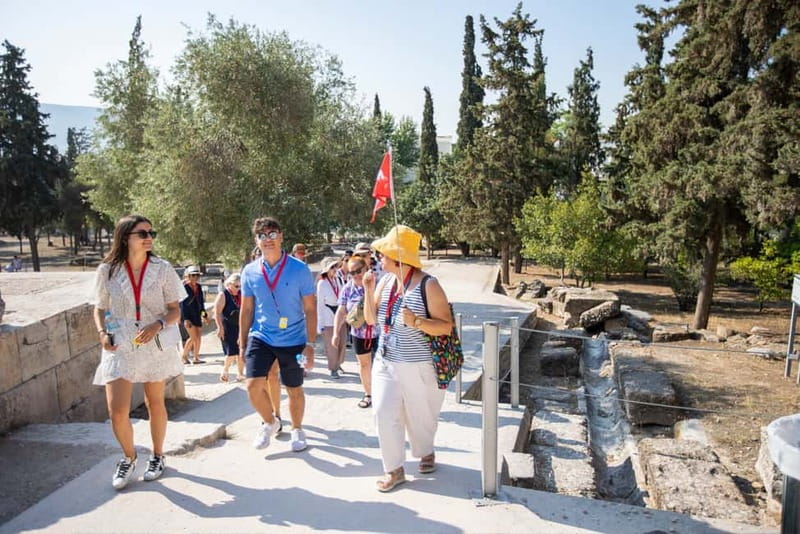
When the Acropolis portion wraps, the tour heads down toward Plaka. On the way downhill, you’ll admire views connected to ancient and modern Athens, including the Ancient Agora and the National Observatory of Athens as the route drops away from the hill.
Next you’ll reach Anafiotika, which people often describe as a quiet pocket that feels separate from the big city energy. It’s basically a maze of narrow passages, and the guide’s direction helps you find the character without feeling lost. This is also a good moment to remember what you’re really doing all morning: trading dramatic monuments for everyday Athens textures.
Roman Forum, Tower of the Winds, and the museums along the route
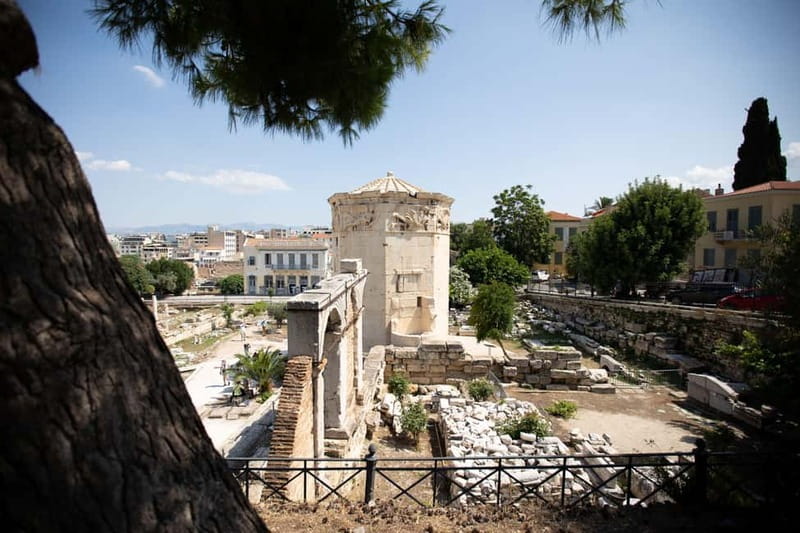
The Plaka section adds variety. You’ll spend time around Roman Forum of Athens, then head toward the Tower of the Winds. That tower is one of the stops that works well for a tour like this because it’s both visual and easy to understand in context. It’s the kind of landmark that rewards even a short guided visit, because you’re learning what it meant rather than just photographing it.
After that, you’ll visit indoor or semi-indoor sites tied to later layers of the city, including:
- Fethiye Mosque Museum
- Hadrian’s Library
- Tzisdarakis Mosque
These stops make the day feel less like a single long temple run. They also give you a welcome change of pace if the outdoor sun gets intense.
If you upgraded your option for the Plaka walking experience, you’ll also hear about sights connected to public bathing culture—one of the “last surviving” bath structures is part of the experience framing. It’s a useful reminder that people lived their lives up close to these famous stones, long after the original Greek temple era ended.
Tying it together at Monastiraki Square
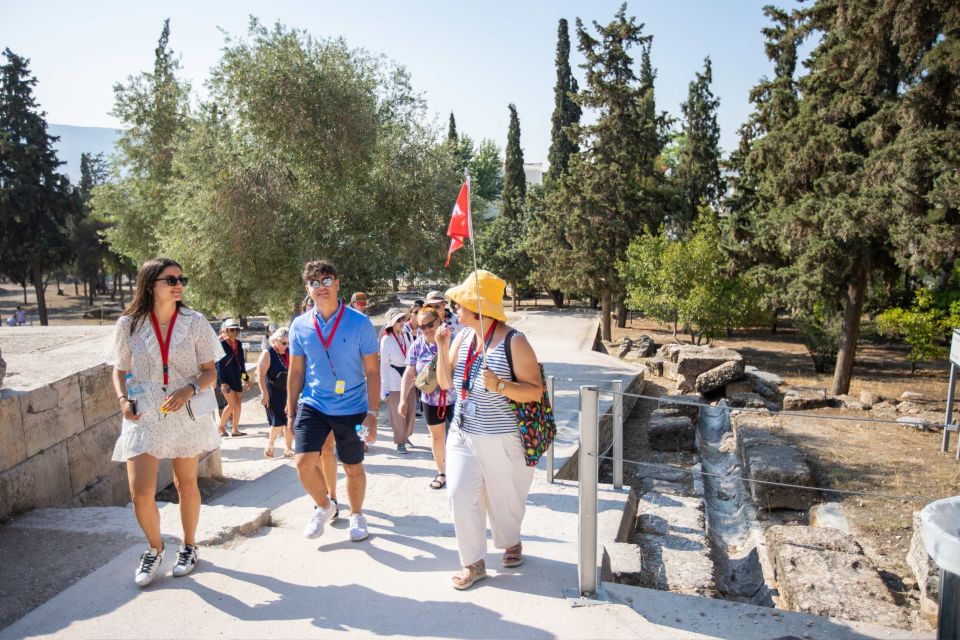
The walking portion ends at Monastiraki Square. This is a practical finish point because it’s easy to orient yourself afterward. You’ll have already seen the Acropolis’s main monuments and then walked through a meaningful slice of old Athens. From here, you can keep exploring in your own direction, whether that means food, shopping, or just another round of wandering.
The best part is how the day ends: not with another long gate queue, but with you in the middle of Athens life.
What the Plaka add-on really gives you (besides more stops)
I like the way this tour treats Plaka as more than a scenic walk. The route includes narrow streets, quiet stretches, and a mix of ancient and later Athens layers. The tour also includes self-guided audio for Plaka, which is a smart pairing. The guide brings you the main story. The audio helps you keep learning even after a stop ends.
In other words: you’re not stuck on a single path with the guide always leading. You can pause, read the signs you pass, and use the audio to fill in gaps. That matters because Plaka can be visually overwhelming. A little structure helps you actually notice details.
Possible drawback: Plaka is big, and the tour time is fixed at about 3.5 hours total. If you’re hoping for a long, unhurried browse through shops and side streets, you’ll likely want to save extra time for later. The tour gives you a strong orientation, not a full day of roaming.
Shoes, sun, and how to handle the moderate climb
This is listed as moderate difficulty, mainly because the ascendance to the Acropolis requires real effort, especially in summer. That’s not a scare tactic; it’s just a fact. Your knees and lungs will notice the climb, and you’ll feel it more if you’re arriving from a long travel day.
Bring what you’d bring for a city hike:
- Comfortable shoes with grip
- Sunglasses and a sun hat
- Water (bring more than you think you need)
Also plan to travel light. The tour notes that pets, baby strollers, and luggage or large bags aren’t allowed. A small daypack is the way to go.
One more practical tip: even with an early start, expect sun exposure. Several people praised shade breaks where possible, but shade can’t be guaranteed across all platforms and terraces. If you want to be comfortable, go early, hydrate, and dress for heat.
Price and value: what you pay for at about $28.46
At around $28.46 per person, this tour is strong value if you care about time and clarity. The biggest “value drivers” here are:
- Early access that avoids the heaviest crush
- Skip-the-line entry to the Acropolis when you pick the option that includes tickets
- A licensed guide who connects the monuments into a story
- Audio devices so you don’t lose the narration
One key detail: entrance tickets are included only if you select that option. If you choose the version without entrance tickets, you’re responsible for purchasing them for your group at the tour’s departure time. That’s workable, but it’s a must-do step. If you want a smoother morning, selecting the ticket-included option is the easiest path.
So is it worth it? If you’re coming for the Acropolis and want Plaka to make sense, yes. If you’re the type who enjoys wandering alone with a guidebook, you might not need a tour. But if you’re trying to maximize what you see in a half-day, the structure here helps.
Who this tour suits best
This tour is ideal if you:
- Want the Acropolis experience without battling peak heat and crowds
- Prefer listening and learning with clear commentary
- Like a mix of major monuments and real neighborhood streets
- Want a guided day that still ends with you free in Monastiraki
It may not be ideal if you:
- Need wheelchair access or have mobility limits (the tour is not suitable for wheelchair users or people with mobility impairments)
- Want mostly flat walking (you’ll climb up to the Acropolis)
- Need lots of unscheduled time in Plaka (the schedule is tight by design)
Language options include English and Spanish, and the tour is operated by a licensed guide.
Should you book this early Acropolis and Plaka tour?
I’d book it if your top priority is seeing the Acropolis with less stress and getting a guided “map” of what you’re looking at. The early start plus wireless audio is a combo that makes the morning feel organized, not chaotic. You also end the tour with Plaka and Monastiraki already “under your skin,” so your next hours in Athens don’t start from zero.
I wouldn’t book it if you hate steep climbs or if you want long free time in Plaka without a set route. In that case, you’ll probably enjoy a slower, self-guided day more.
If you can handle moderate uphill walking and you want real structure, this is one of the better ways to hit the highlights without turning Athens into a sprint.
FAQ
How long is the early Acropolis & Old Athens guided walking tour?
It runs for about 3.5 hours (starting times vary by availability).
Is skip-the-line entry included?
Skip-the-line access is included for the Acropolis when you select the option that includes the entrance ticket.
Are Acropolis entrance tickets included in every option?
No. If you choose the option without entrance tickets, you must buy the Acropolis tickets at the time slot of your tour departure to enter with your group.
What languages is the live guide available in?
The tour is offered with a live guide in Spanish and English.
Where does the tour start and end?
It starts at the Key Tours office and ends back at the meeting point (Monastiraki Square is the listed tour endpoint within the route).
What should I bring?
Bring your passport or ID, comfortable shoes, sunglasses, a sun hat, and water.
Is pickup from hotels included?
No hotel pickup or drop-off is included. You’ll meet at the starting point.
You Might Also Enjoy


More Walking Tours in Athens


More Tours in Athens

More Tour Reviews in Athens
- All Day Cruise -3 Islands to Agistri,Moni, Aegina with lunch and drinks included
★ 5.0 · 4,958 reviews