REVIEW · ATHENS
From Athens: Explore Ancient Greece 4-Day Tour
Book on GetYourGuide →Operated by Key Tours · Bookable on GetYourGuide
Ancient Greece sounds loud, but this route makes it sound close. I love the way Epidaurus Theatre’s acoustics turn Greek drama into a real physical experience, and I also love that you’re guided by experts such as Christina Stamou, Dozia, and Ivan, who connect the ruins to the stories behind them. The main drawback to plan for is the pace: long drives plus big sites mean you’ll see a lot, but you may not get unlimited time to linger in every museum and corner.
You’ll ride a luxury, A/C bus (with chargers) and spend the nights in 3-star or 4-star hotels, then do a classic Peloponnese-to-Delphi-to-Meteora circuit with entrance fees, a tour guide, and both breakfast and dinner included. It’s a straightforward way to cover some of Greece’s most famous “power stops” without juggling trains, rental cars, or coordinating separate tours.
In This Review
- Key Highlights at a Glance
- Why This Athens-to-Meteora Loop Works So Well
- Corinth Canal to Epidaurus: Where Voices Actually Carry
- Nafplio Stop and Mycenae’s Hill of Legends
- Olympia: Walking a Sacred Sports Ground
- The Rio-Antirrio Bridge Moment on the Way to Delphi
- Delphi’s Oracle Power: Heaven Meets Earth
- Kalambaka: The Base Before Meteora’s Climb
- Meteora Monasteries: Monks, Views, and Orthodox Stone
- What the 4-Star vs 3-Star Hotel Choice Actually Changes
- Bus Comfort, Timing, and Why Snacks Matter
- Price and Value: Is $742 Worth It for What You Get?
- Who This Tour Suits Best (and Who Should Skip It)
- Should You Book This Tour?
- FAQ
- What’s included in the price?
- Is lunch included?
- What should I wear for Meteora monasteries?
- What time does pickup happen?
- Are hotel taxes included?
- Is this tour wheelchair accessible?
- What are the cancellation and payment options?
Key Highlights at a Glance
- Epidaurus Theatre acoustics: it’s designed for voices to travel, so you’ll understand why people still test their lungs there
- Olympia’s Olympic Flame altar: you’ll see where sacrifices were made and how the Games were staged in stone
- Delphi’s setting: the Oracle site is dramatic in both views and meaning, and Arachova adds a mountain break
- Meteora monasteries on six sandstone pillars: Eastern Orthodox monasteries with views that don’t feel like they were built by accident
- Luxury bus comfort: A/C, plus chargers, makes the long travel days easier to handle
- Guides who bring myth to the present: Panaiota, Sofia, Angela, Stavros, and others are repeatedly praised for clear explanations
Why This Athens-to-Meteora Loop Works So Well
This is the kind of tour that fits people who want the big hits of ancient Greece without building a complicated itinerary. You’ll start from Athens with hotel pickup about an hour before departure (or meet at the supplier office shortly before if you prefer), then spend four days moving between sites that shaped how Greeks thought, prayed, competed, and ruled.
What makes it feel especially good is the balance of “story + setting.” Epidaurus isn’t just a theatre; it’s a designed space for performance. Olympia isn’t just a stadium; it’s a sacred zone tied to sacrifice and ceremony. Delphi isn’t just a ruin on a hill; it’s a place people believed connected heaven and earth. And Meteora isn’t just pretty monasteries; it’s spiritual architecture perched on sandstone pillars above Kalambaka.
The overall structure also helps you avoid decision fatigue. Your guide handles the interpretation and keeps the day flowing. You focus on seeing, walking, and asking questions.
You can also read our reviews of more tours and experiences in Athens

Corinth Canal to Epidaurus: Where Voices Actually Carry
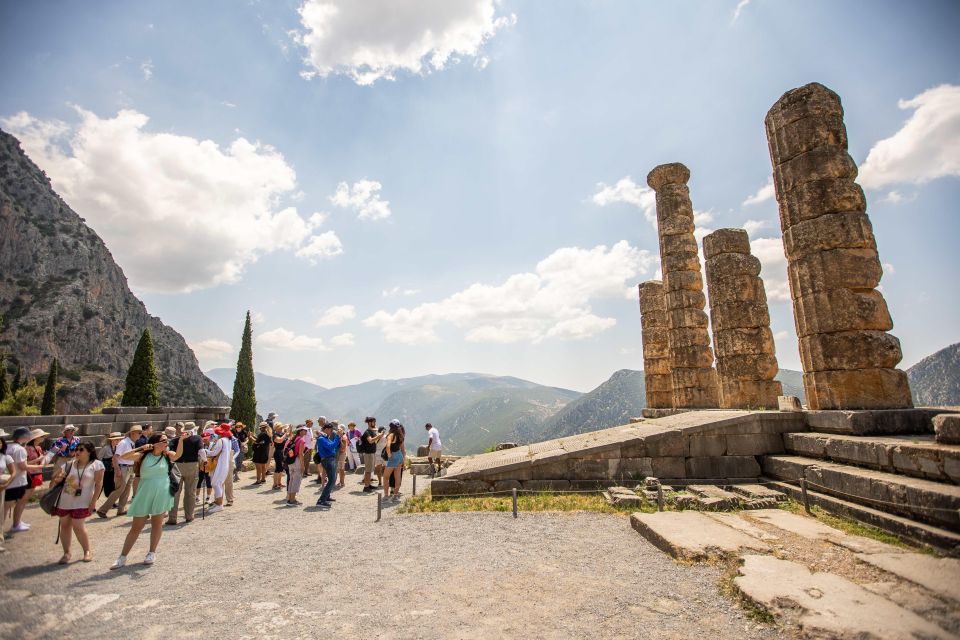
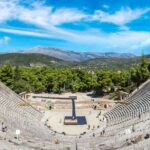
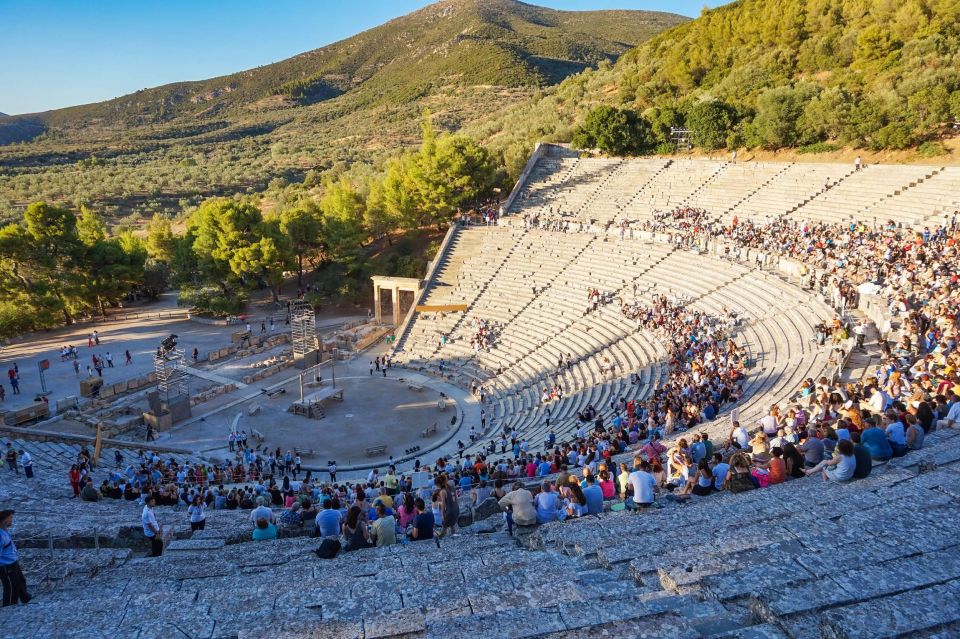
Day one begins with a drive past the Corinth Canal, then heads toward Epidaurus—linked in Greek tradition to Asclepius, the healer son of Apollo. The real star here is the ancient theatre, famous for its symmetry and exceptional acoustics.
Why that matters: if you’ve only seen replicas or stage photos, you might not grasp how a performance was meant to reach people. In Epidaurus, the space is the message. I love that the tour encourages you to do something simple—try your voice—because it makes the history physical, not abstract.
Practical tips:
- Bring a layer you can manage outdoors; the theatre sits in open air.
- Wear shoes with decent grip. The site is ancient stone, so it can feel uneven in spots.
After Epidaurus, you’ll stop in Nafplio, then continue through the plain of Argos to Mycenae. That shift—from theatre to city ruins—helps you feel the timeline changing: from worship and performance to power and palace life.
Nafplio Stop and Mycenae’s Hill of Legends
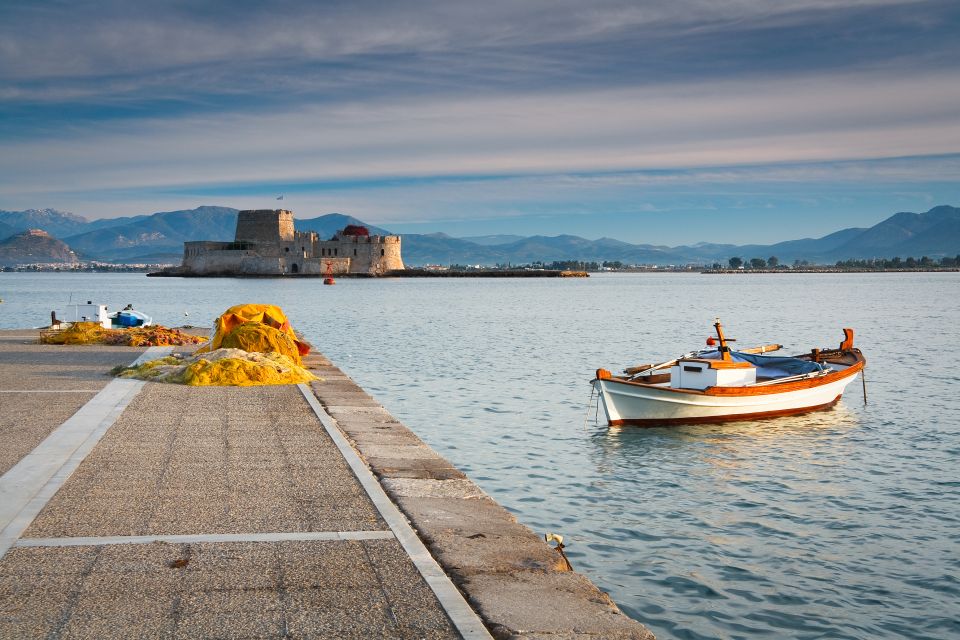
Nafplio is more than a break between long stretches. It’s a seaport town where you can get your bearings, stretch your legs, and reset mentally before the big archaeological moment.
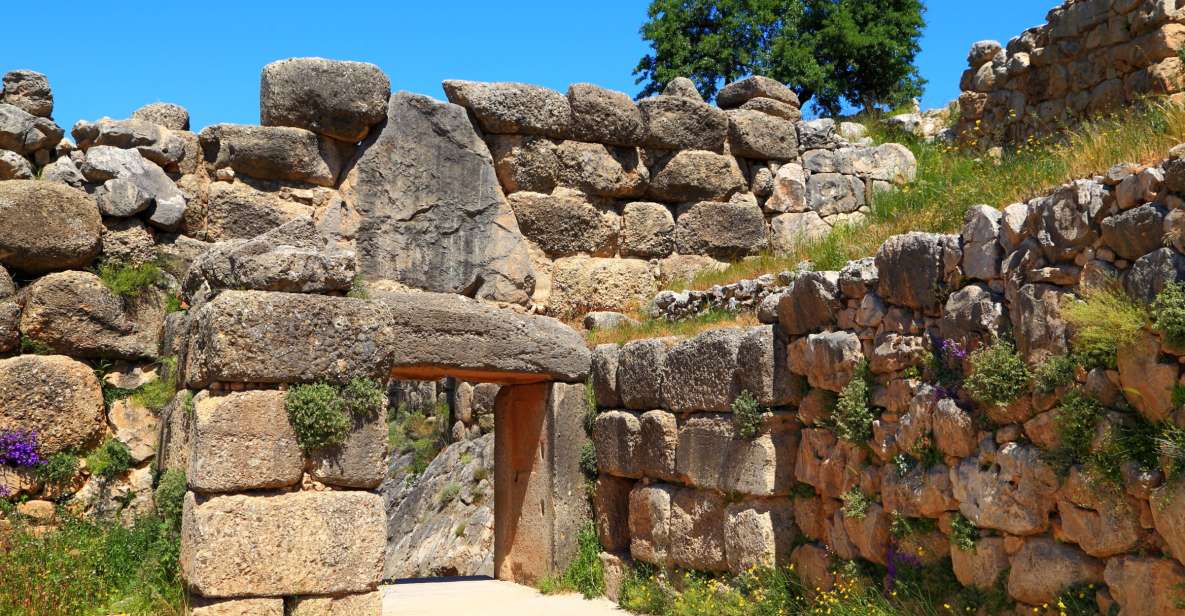
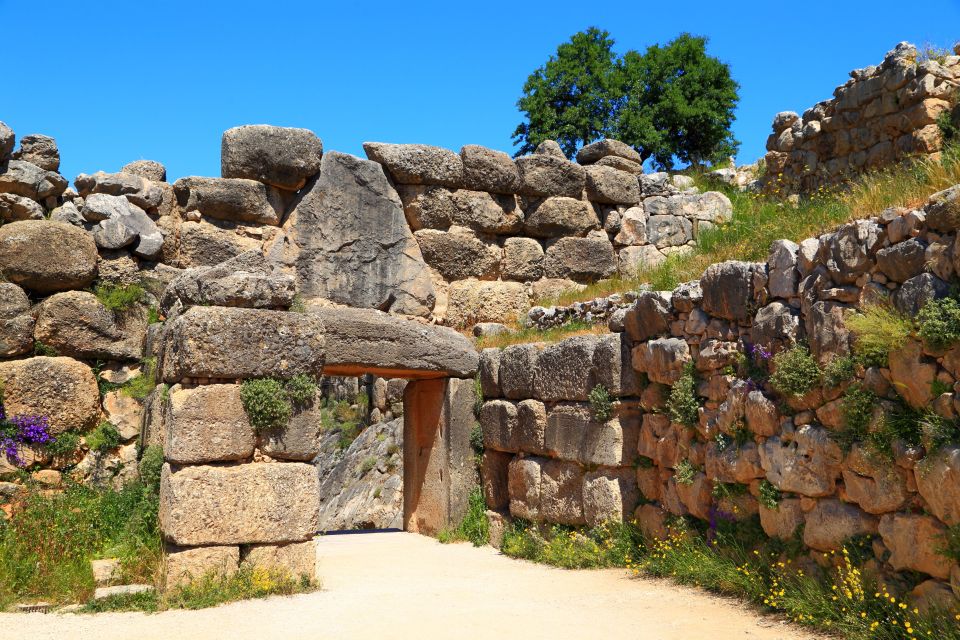
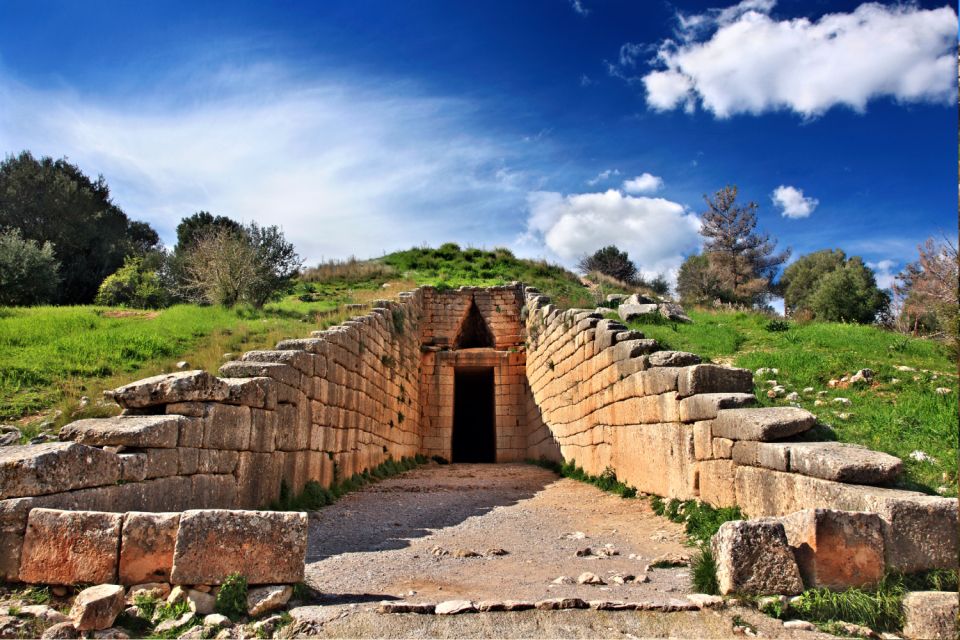
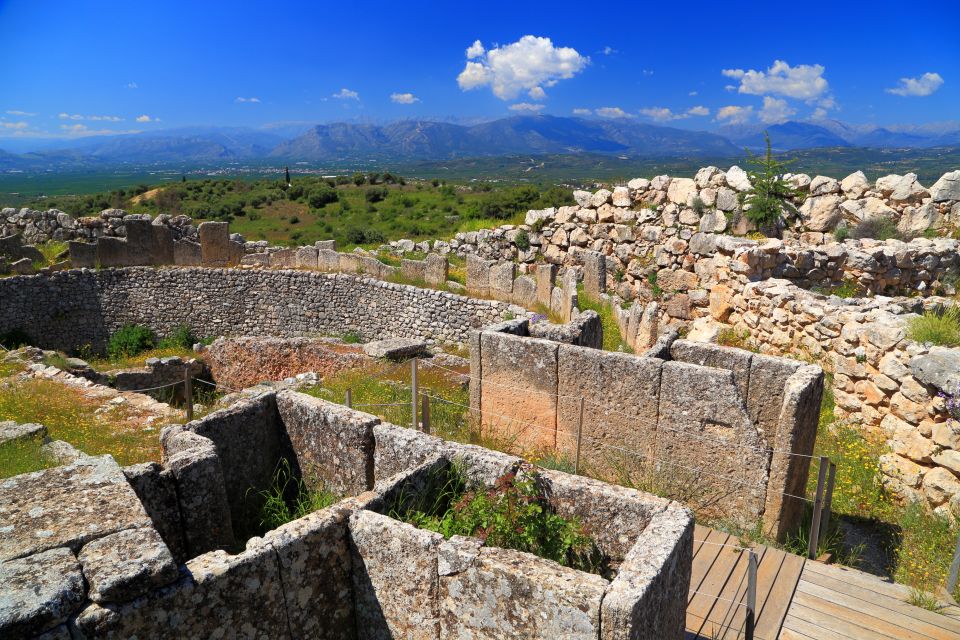
Then comes Mycenae, once a major center of Greek civilization. The site is tied to the stories around the emperors and heroes of the Classical era, and the standout is the Tomb of Agamemnon—a reminder that burial, status, and myth were closely linked.
What you’ll feel at Mycenae: scale and gravity. The ruins sit on a hill, so even if you’re not “into” ancient architecture, you can sense the political confidence behind the stones. It’s also a strong day-two setup for Olympia and Delphi, because you begin to see a pattern: sacred sites, civic pride, and authority all share the same geography.
If you’re the type who loves details, bring a notebook. Your guide can point you toward the parts that make the biggest differences—entrances, key structures, and the reasoning behind what you’re seeing.
Olympia: Walking a Sacred Sports Ground
Olympia is where ancient Greece stops being a set of museum facts and starts feeling ceremonial. You’ll explore temples dedicated to Hera and Zeus, then spend time near the altar of the Olympic Flame, the place tied to sacrifices.
You also visit the museum, which helps the experience make sense. Ruins alone can be beautiful but vague; a museum anchors the story so you understand what objects meant in their time.
The Olympic angle is the genius of this stop. You get to imagine what it was like to train as an athlete in a world where the Games were tied to religious meaning. That’s why Olympia tends to hit hard: it’s sport, yes, but it’s also worship, rules, and public identity.
One more practical note: you’ll do plenty of walking at Olympia, and the terrain can take it out of you. Plan to go at your pace, especially if you’re sensitive to heat or uneven ground.
The Rio-Antirrio Bridge Moment on the Way to Delphi
Between Olympia and Delphi, the route travels via Patras to Rio, crossing the Rio-Antirrio bridge. This is one of those modern-meets-ancient moments that helps you reset perspective.
Then you continue along the coast past Nafpaktos and on toward Delphi. The tour also includes a stop at Arachova, a picturesque mountain village, before returning to Delphi for the overnight stay.
Why this break matters: Delphi can feel intense in theme and meaning. Arachova gives you a breather—fresh air, a shift in altitude, and a calmer setting before you go back into the oracle atmosphere.



Delphi’s Oracle Power: Heaven Meets Earth
Delphi is often described as the navel of the world, and the site lives up to the claim through its atmosphere. The tour focuses on the heart of the worship landscape: temples, sacred areas, and the sense that people traveled here for answers that mattered.
In the afternoon you’ll likely see the major highlights, then you’ll stay overnight—so you can experience the site without feeling like everything must happen in one rushed sweep. On your next morning, you’ll return for a more relaxed take, which is ideal if you like letting a place sink in rather than sprinting through.
A smart way to approach Delphi:
- Don’t only scan for what’s most famous. Ask your guide what specific parts meant to worshippers.
- Take a slow walk through the views. Delphi’s power isn’t just in ruins; it’s in the way it’s positioned.
Kalambaka: The Base Before Meteora’s Climb
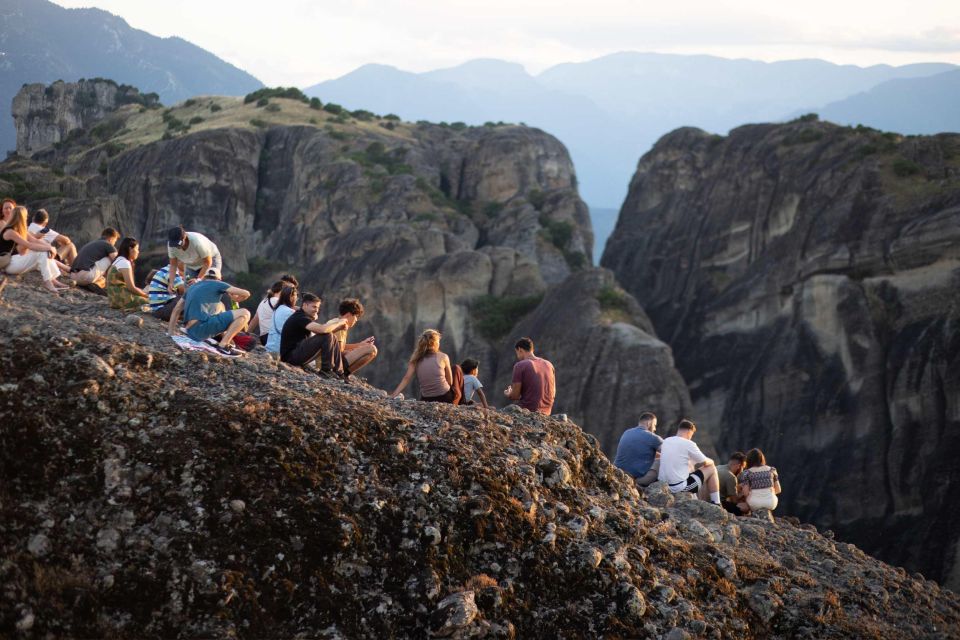
By day three you head to Kalambaka, a town overlooked by the Meteora Monasteries. This is an important switch in mood. You’ve been moving through ancient “horizontal” spaces—courts, sanctuaries, city sites—and now you’re stepping into an area defined by vertical distance and dramatic stone formations.
Your hotel night here matters because it sets you up for the next day’s monastery visits. Some departures include hotels in areas like Kalampaka with views, and that kind of setting can make the whole experience feel more memorable at the end of a long day.
Even if you’re not spiritual, Meteora works as architecture and engineering. People didn’t build there because it was convenient. They built it because it was meaningful.
Meteora Monasteries: Monks, Views, and Orthodox Stone

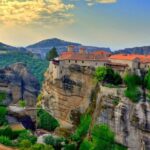
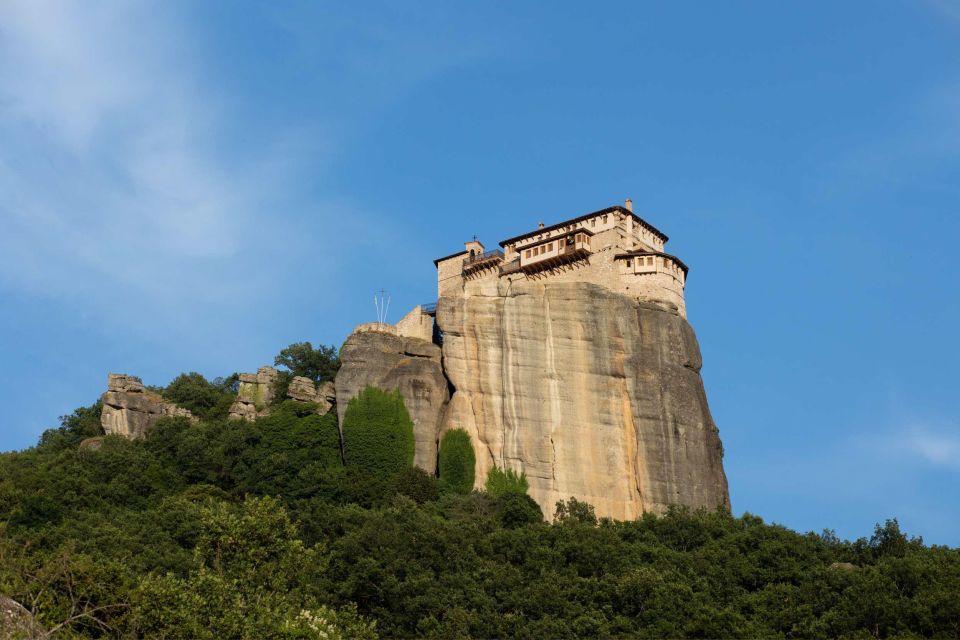
Meteora is built high on six sandstone pillars and features some of the most important Eastern Orthodox monasteries in Greece. The payoff is obvious as soon as you see the formations: it looks like nature and human devotion agreed on a dramatic plan.
But there’s another practical side. You must follow the dress rules:
- Shorts are not allowed on the tour.
- For monastery entry, appropriate clothing is required: no short skirts, and long-sleeved tops are requested for female visitors.
That’s not the kind of rule you want to meet at the last second, so I’d pack accordingly from Athens onward.
Optional stop: on the return to Athens, the tour offers a detour to a factory of Byzantine style icons, then continues past a Leonidas monument before finishing back in Athens late afternoon.
What the 4-Star vs 3-Star Hotel Choice Actually Changes
This tour uses 3-star or 4-star hotels, depending on your selected option, with breakfast and dinner included. That difference isn’t just comfort; it affects the vibe of your downtime. Some feedback highlights hotels with nice views, and that matters on a trip where you’ll be traveling all day.
Also note the hotel accommodation tax, which is paid directly to the hotel:
- €10 per room/per night for 4-star hotels
- €5 per room/per night for 3-star hotels
So the headline price is only part of the story. If you’re comparing value, you’ll want to factor in this tax and also remember that lunch and drinks are not included.
Bus Comfort, Timing, and Why Snacks Matter
You’re on a luxury A/C bus for the transfers, with chargers mentioned in feedback. That’s a real advantage on a route that includes long drives: Corinth Canal, down the Peloponnese, up toward bridges and coasts, then the climb toward central Greece.
Still, pace is the tradeoff. Big sites plus transit time can compress how long you’ll have at each stop. One of the most common “gotchas” is the practical one: eating and drinking on the bus isn’t always easy. I’d treat lunch as the meal you must plan for and carry water if you’re allowed to during your specific departure.
And yes, group size can shift. If your day includes a larger group at certain points (some departures have seen that), the experience can feel more crowded during museum time or guided listening. The good news is that you still get the guide’s explanations, and the bus and hotels remove a lot of stress.
Price and Value: Is $742 Worth It for What You Get?
At $742 per person for 4 days, you’re paying for a “high-coverage” route that stacks several major sites into one organized package. The included items are what make this workable for many people:
Included:
- Luxury A/C bus transfers
- Entrance fees
- Tour guide (English and Spanish)
- Overnights in 3-star or 4-star hotels
- Breakfast and dinner
Not included:
- Lunch
- Drinks
- Personal expenses
- Hotel tax (paid to the hotel)
So the value equation is simple: you’re buying convenience and context. You’re not paying for separate admissions and separate planning across multiple days. And you’re getting a guide to connect ruins across regions—Peloponnese, Olympia, Delphi, Meteora—into one coherent story.
This tour tends to be a strong value if:
- you want the key sites without driving yourself
- you like guided commentary while walking ruins
- you prefer one base of organization rather than multiple bookings
It may feel less good if:
- you’re someone who needs lots of free time in each site
- you hate long days on the road
- you’re expecting lunch to be included (it isn’t)
Who This Tour Suits Best (and Who Should Skip It)
This is a great fit for history, myth, and architecture lovers who want structure. You’ll enjoy it especially if Epidaurus and Olympia sound like your kind of day—places where performance, sport, and religion were built into the layout.
It’s also a solid match if you appreciate guides who can explain why things are positioned where they are, not just what they are.
Things to consider before booking:
- Not suitable for wheelchair users, based on provided information.
- Shorts are not allowed, and monastery dress rules are strict.
- If you don’t handle long transit well, you might feel rushed between sites.
Should You Book This Tour?
I’d book it if you want a single, efficient trip that hits Epidaurus, Mycenae, Olympia, Delphi, and Meteora with entrance fees, hotels, and meals already handled. The strongest reason to choose it is the way the guided experience turns famous sites into something you can actually imagine: voices in the theatre, ceremonies at Olympia, worship and meaning at Delphi, and Orthodox devotion high above Kalambaka.
I’d hesitate if you want a slow travel style with big free time in each place, or if you’re likely to struggle with the dress rules at monasteries. For everyone else, this is one of the cleanest ways to see a lot of Greece’s most important cultural ground in just four days.
FAQ
What’s included in the price?
You get overnight stays in 3-star or 4-star hotels (depending on your option), entrance fees, a tour guide, luxury A/C bus transfers, and breakfast and dinner.
Is lunch included?
No. Lunch is not included, and drinks aren’t included either.
What should I wear for Meteora monasteries?
Shorts are not allowed. For monastery entry, you’ll need appropriate clothing: no short skirts, and long-sleeved tops are requested for female visitors.
What time does pickup happen?
Pickup is included from most centrally located Athens hotels and happens about 1 hour before the tour departure time. You can also meet at the supplier’s office 15 minutes before departure.
Are hotel taxes included?
Hotel accommodation tax is not included. It’s paid directly to the hotel at the rates of €10 per room/per night for 4-star and €5 per room/per night for 3-star.
Is this tour wheelchair accessible?
No. It is not suitable for wheelchair users.
What are the cancellation and payment options?
You can cancel up to 24 hours in advance for a full refund, and you can choose reserve now & pay later to keep plans flexible.
You Might Also Enjoy


More 4-Day Experiences in Athens
More Tours in Athens

More Tour Reviews in Athens
- All Day Cruise -3 Islands to Agistri,Moni, Aegina with lunch and drinks included
★ 5.0 · 4,958 reviews