REVIEW · ATHENS
4-Day Classical Greece Tour: Epidaurus, Mycenae, Olympia, Delphi, Meteora
Book on Viator →Operated by CHAT Tours · Bookable on Viator
There’s a lot crammed into four days. I like that this is a UNESCO-heavy route with a real guide tying it together, and I also like the hands-on ruin visits—theatre, tombs, museums—rather than just a bus-and-a-photo stop. One drawback to watch: hotel quality can vary a lot versus what many people expect from a 4-star label.
This trip starts with convenient pickup and a timed departure (8:30 am), then runs late enough to feel like a proper day trip series rather than a slow sightseeing crawl. You’ll be in an air-conditioned vehicle, with a maximum group size of 40, and you’ll return to Athens around 7 pm on Day 4 (traffic decides the final minute).
If you’re planning your budget, go in knowing lunches are on your own and the dress code matters at museums and places of worship—shoulders and knees covered, no shorts or sleeveless tops.
In This Review
- Key things to notice before you go
- A 4-Day Classical Greece Route: From Athens to Meteora and Back
- Epidaurus and Mycenae: Theater, Tombs, and a Quick Corinth Canal Break
- Olympia: Original Games Ground Plus Museum Time
- Delphi and the Prophecy Circuit: Apollo, Iniochos, and Athena Pronaia
- Meteora Monasteries and Thermopylae: The Long Final Push Home
- Hotels, Meals, and Star Rating Reality Check
- Time on the Bus vs Time in the Ruins: Pacing That Works (If You Plan for Heat)
- What I’d Pack and Do: Shoes, Dress Code, and Lunch Money
- Who This Tour Fits Best
- Should You Book This 4-Day Classical Greece Tour?
- FAQ
- What’s included in the price for this 4-day classical Greece tour?
- Is pickup and drop-off included from Athens?
- What time does the tour start and end each day?
- Do I need to pay for lunch during the tour?
- What’s the dress code for this tour?
- Are entrance tickets handled by the guide?
- Is the tour language always English?
- Are hotels actually 4-star?
Key things to notice before you go
- Five UNESCO sites in four days: Epidaurus, Mycenae, Olympia, Delphi, and Meteora monasteries
- Tickets handled for you: your guide provides entrance tickets for included sites
- Hotel meals are part of the package: 3 breakfasts and 3 dinners, but lunches are extra
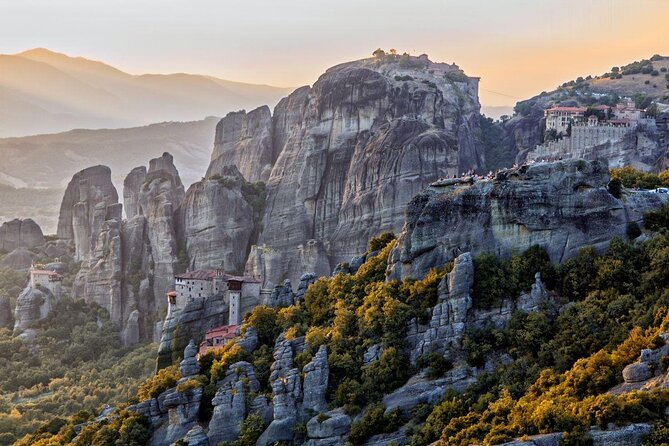
- Meteora is limited on purpose: you visit two monasteries, not the whole clifftop maze
- Heat and walking are real: you’ll want comfortable shoes and shade planning
- Star ratings can be a mismatch: some guests say the accommodation feels closer to 2–3 star standards than 4
A 4-Day Classical Greece Route: From Athens to Meteora and Back
This is built for people who want to see the big names of mainland Greece without juggling buses, rental cars, and ticket timing. After pickup from selected hotels, you depart from Leof. Vasilisis Amalias 10 at 8:30 am, with pickup usually beginning between 7:30 and 8:15 am. The return on Day 4 is typically around 7 pm.
The pacing is straightforward: you do guided site time in the morning and early afternoon, then you relocate by bus to the next UNESCO stop. The schedule also leaves room for the practical stuff: museum entry, rest breaks, and time to eat—just not endless free roaming.
This is also a tour where the guide really matters. Many guides have been praised by name in this tour’s history, including people like Maria, Joy, Foteini, Eleni, Dimitra, Sophia, and Emilia—so when you choose this, you’re choosing a guided interpretation of ruins and myths, not just a list of coordinates.
You can also read our reviews of more tours and experiences in Athens

Epidaurus and Mycenae: Theater, Tombs, and a Quick Corinth Canal Break
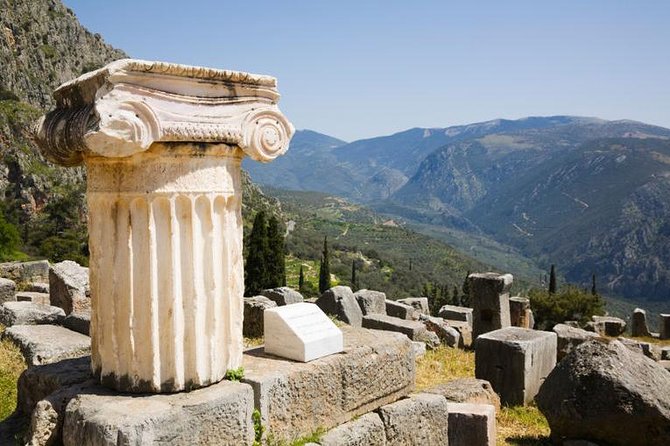
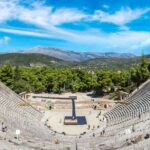
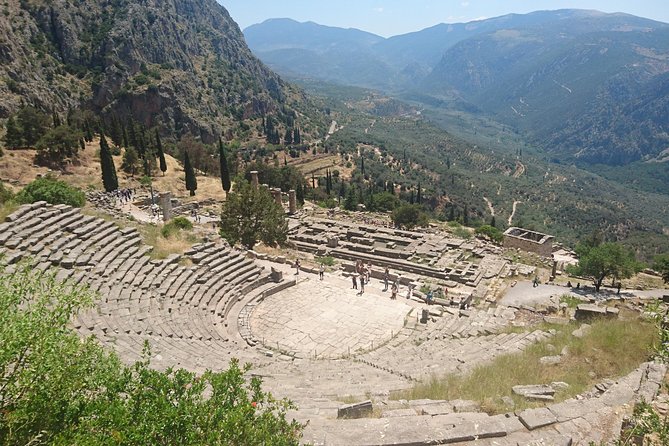
Day 1 is a fast start with culture stacked like a Greek salad: different ingredients, all meant to hit the same craving. You begin at the Ancient Theatre of Epidaurus (ticket included), with about an hour on site. The theatre is famous for its scale and the way you feel the space when you’re standing there—good if you like architecture that was built to make an experience work for an audience.
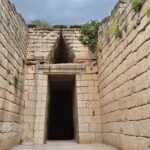
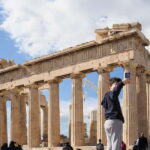
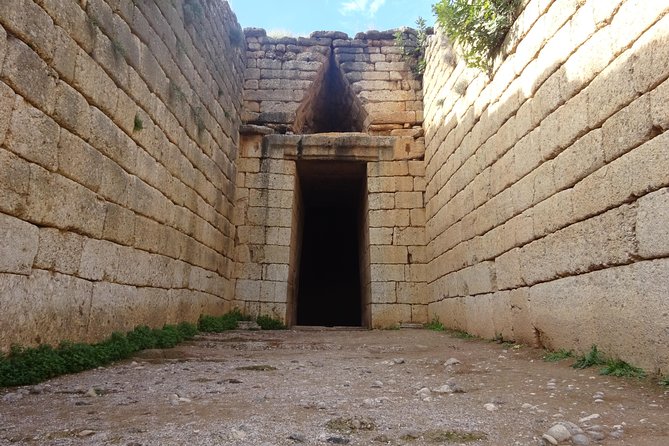
Next comes Mycenae (about 1 hour 30 minutes, ticket included), focusing on the palace and the tomb associated with Agamemnon. Even if you’re not a lifelong mythology person, this stop has a strong story shape: power, rulers, and the feeling that the site is built for memory. It’s also a good pairing with Epidaurus because you get two different kinds of “stage”—public performance in the theatre, and ritualized authority in the tomb and palace areas.
Then you squeeze in the Epidaurus Archaeological Museum (around 15 minutes). That short slot is intentional: it’s enough to orient you and connect details from the theatre visit to artifacts and context, without turning your day into a museum marathon.
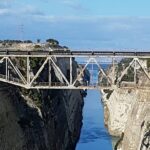
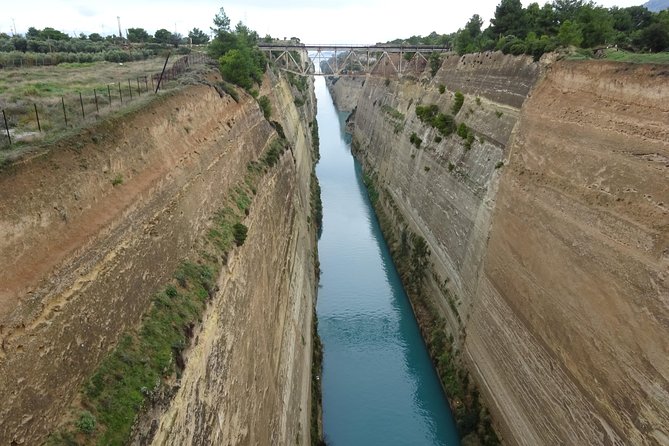
Finally, you pass through the Corinth Canal (free stop, about 20 minutes). It’s a simple break in the route—more of a geography reset than a deep dive—helpful for stretching your legs and changing the pace before Mycenae energy turns into Olympia energy.
Dinner is included at your hotel on Day 1, but lunch is on your own. Plan your lunch budget accordingly.
Olympia: Original Games Ground Plus Museum Time
After breakfast, Day 2 shifts you into the world of sports and spectacle with Olympia, another UNESCO World Heritage site. You get about 1 hour 30 minutes at the archaeological site with admission included. This is the stop that makes the tour’s “classics” promise feel real, because you’re visiting the place tied to the original Olympic Games—not just a modern museum exhibit.
The tour then adds a museum layer: the Archaeological Museum of Olympia (about 1 hour, ticket included). You’ll spend time with sculptures and displays, which helps you see what you looked at outside in a more complete, interpretive way. If you tend to find ruins harder to picture than museums, this is the day where the balance works.
You also get a scenic relocation component: the route includes a sea bridge stop before dinner at your hotel. It’s not an extra UNESCO site, but it’s a nice mid-journey change of scenery—useful when you’re trying to break up long driving stretches.
Lunch is still on your own on Day 2, while dinner returns to included.
Delphi and the Prophecy Circuit: Apollo, Iniochos, and Athena Pronaia
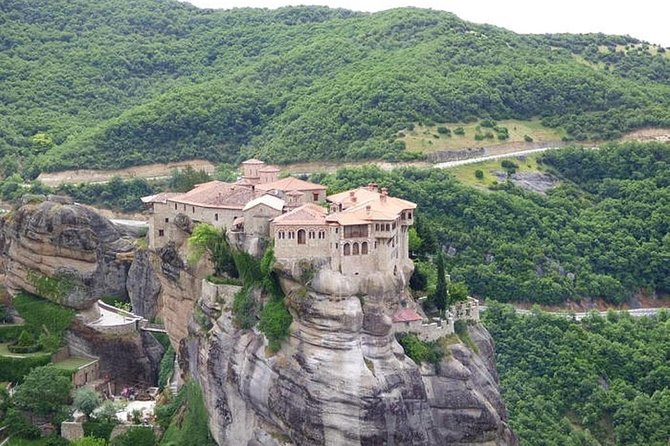
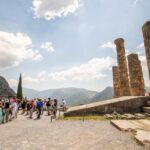
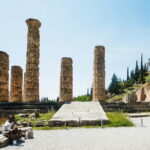
Day 3 is all about prophecy and performance energy—the kind of mythology that feels like it could still generate a crowd. You start with the Temple of Apollo at Delphi (about 1 hour 30 minutes, ticket included). Delphi is described as one of the ancient world’s greatest centers of prophecy, and that theme shapes how the site feels when you walk it with a guide.
Then you head into the Delphi Archaeological Museum (about 1 hour, ticket included). One highlight called out in the tour details is the bronze statue of Iniochos, plus the dancers you can see in the museum displays. Even if you’re not a bronze specialist, this kind of object makes a difference: it helps you connect the name of a site to actual art and craft.
After that, you do a shorter free stop at the Tholos of Athena Pronaia (about 30 minutes). It’s a quick add-on that rounds out the Delphi experience without stealing time from the bigger guided pieces.
Lunch is on your own, dinner is included at the hotel. You’ll still be building momentum by the time you leave Delphi, because the final day has the most dramatic scenery.
Meteora Monasteries and Thermopylae: The Long Final Push Home
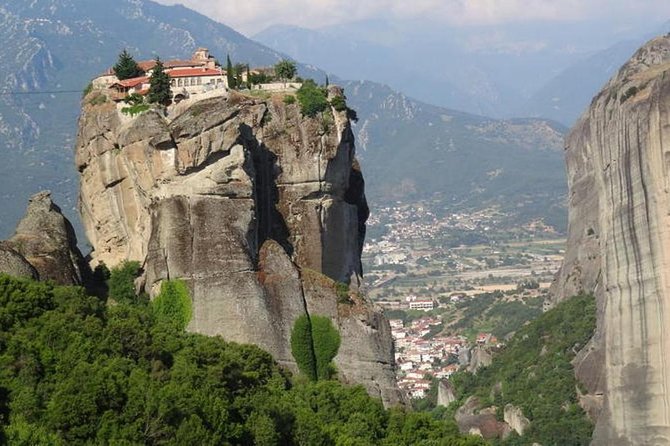
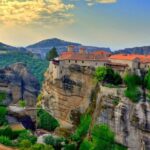
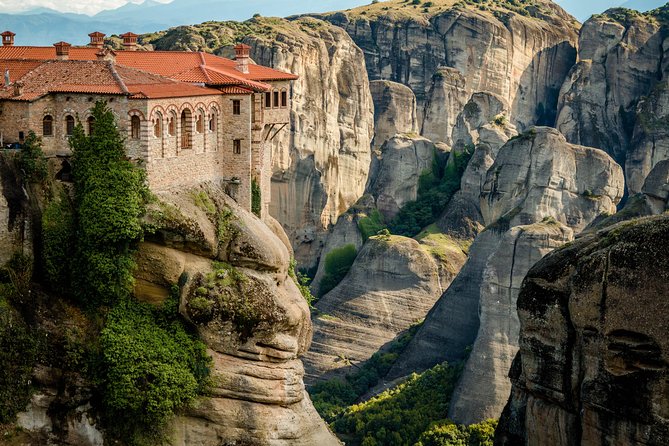
Day 4 is where the tour turns scenic and memorable. You head to Meteora in the Kalambaka area for about an hour, then you visit two monasteries (entrance tickets included, with monastery visits listed as part of the package). Meteora’s whole reputation is vertical—pinnacle-perched monasteries that look impossible until you’re standing near them. This is the kind of place where photos help, but your best views are usually the ones you get by moving slowly and taking in the height.
On the drive back toward Athens, you stop at the Leonidas Monument in Thermopylae (about 15 minutes, free stop). This gives you a compact dose of the Spartan stand against the Persians, tied into Greek history in a way that works well as a “closing bookmark” after the ancient UNESCO sites.
Then you return to Athens with drop-off at the same meeting point as pickup, typically around 7 pm depending on traffic.
Breakfast and dinner are included for part of your final day experience, but the key thing to remember is that Day 4 is a finish line. Dress for walking, and keep your energy for the Meteora views.



Hotels, Meals, and Star Rating Reality Check
This tour includes accommodation, with a choice between tourist-class or 4-star options. That’s the promise. The practical reality? Some guests reported that the 4-star option didn’t match what they expected by North American standards, with hotels described as older and more basic than the label suggests.
What you can rely on is that dinner and breakfast are part of the package, and they’re generally buffet-style at the hotels. That matters because it removes one chunk of decision fatigue each day: you’re not hunting for food on arrival, and you’re not trying to coordinate restaurant timing with ancient site schedules.
Also note two extra costs that can surprise people if you forget to plan:
- Environmental fee: 10€ per room per night, paid at the hotel reception
- Single supplement and room sharing rules: pricing depends on whether you’re booked as a single room versus sharing as part of a double or triple configuration
If you want luxury with modern upgrades and polished service, you might find this tour’s hotel level to be more practical than fancy. If you want clean rooms and a strong sightseeing payoff, it usually fits better.
Time on the Bus vs Time in the Ruins: Pacing That Works (If You Plan for Heat)
This route is intense in the normal way of a UNESCO circuit: lots of relocation, plus guided walking time. You’re also visiting sites that can be exposed to sun. One of the most useful, real-world tips here is simple: plan for heat. People bring hats and even umbrellas for shade, and I’d treat that as good sense rather than overkill.
The tour is generally described as well organized, with guides giving structured narratives and scheduled visits. Many guides are praised for keeping things on schedule while explaining myths and architecture in a way that makes the sites click. Names that came up include Joy, Maria, and Eleni, and drivers like Socrates, Costa, Peter, Yannis, and Nick were also mentioned for safe, confident driving—important on Greek roads with tight turns and narrow stretches.
Still, there’s an underlying trade-off: this is not a slow, sit-down-in-cafés tour. You need to be comfortable with a routine that moves.
What I’d Pack and Do: Shoes, Dress Code, and Lunch Money
You’ll want to handle two essentials before you go.
First is footwear. You’ll be walking on uneven ground: ruins, museum areas, and outdoor archaeological sites. Comfortable walking shoes beat stylish shoes here. Bring something you can trust when it’s hot.
Second is the dress code. For entrances to places of worship and selected museums, you must cover knees and shoulders. That means no shorts and no sleeveless tops for either men or women. Noncompliance can lead to refused entry, which is an avoidable stress.
Then there’s money planning. Lunch is not included, and multiple stops are set up as your own lunch time. If you budget for lunch each day, you’ll feel calm and flexible instead of scrambling.
Also: stay hydrated. Even with breaks and time inside, you’re outside more often than you might expect for a tour that feels like it’s mostly driving.
Who This Tour Fits Best
This works best for:
- History and archaeology fans who want multiple major UNESCO sites with guided context
- People who prefer organized logistics over DIY travel on mainland Greece
- Travelers who are okay with buffet hotel meals in exchange for fewer decisions
- Anyone who likes a structured route built around mythology and major classical landmarks
It may be less ideal if:
- You expect modern, high-end hotel standards on every night
- You need lots of free time for wandering beyond guided sections
- You’re very sensitive to long driving days
- You can’t follow the dress code (it’s not optional)
One more fit note: you should have moderate physical fitness. This is not described as extreme hiking, but it does include real walking.
Should You Book This 4-Day Classical Greece Tour?
Book it if your goal is clear: see Epidaurus, Mycenae, Olympia, Delphi, and Meteora in a time-efficient way, with a guide handling the story and the museum logistics. At this price point (766.70€ per person), you’re buying a bundle of value—transport from Athens, hotel nights, most meals, and included entrances to key sites.
Think twice if the hotel label matters most to you. Some guests felt the accommodations didn’t match their 4-star expectations. If you’re hotel-snob picky, you might want to compare what’s included in your specific hotel category before you assume luxury.
My call: this is a strong choice for classical Greece lovers who want a guided, UNESCO-packed circuit and don’t mind that the trade-off is time on the road and practical hotel standards.
FAQ
What’s included in the price for this 4-day classical Greece tour?
Entrance fees are included for Mycenae, Epidaurus, Olympia, Delphi, and two Meteora monasteries. The tour also includes a professional guide, air-conditioned vehicle, accommodation, hotel pickup and drop-off (selected hotels), and 3 breakfasts plus 3 dinners. Lunch is not included.
Is pickup and drop-off included from Athens?
Yes. Pickup starts roughly between 07:30 and 08:15, and the tour departs at 8:30 am. Drop-off is back at the same meeting point in Athens around 19:00 on Day 4, depending on traffic.
What time does the tour start and end each day?
The tour departs from Athens at 8:30 am (with pickup before that on Day 1 through the program). The final return to Athens on Day 4 is approximately 19:00.
Do I need to pay for lunch during the tour?
Yes. Lunch is not included, so you’ll have time to buy lunch on your own on the scheduled days.
What’s the dress code for this tour?
A dress code is required for places of worship and selected museums. You must cover knees and shoulders. Shorts and sleeveless tops are not allowed, and entry can be refused if you don’t comply.
Are entrance tickets handled by the guide?
Yes. Your guide provides the entry tickets for the included sites and museums.
Is the tour language always English?
English is offered. French speaking is available only on Mondays. During winter season, tours run English only.
Are hotels actually 4-star?
Accommodation is included, and you can choose tourist-class or 4-star hotels. However, the trip details also note that the accommodation level can feel different depending on your expectations, so it’s worth aligning your expectations with the hotel category you select.
You Might Also Enjoy

More 4-Day Experiences in Athens
More Tours in Athens
More Tour Reviews in Athens
- All Day Cruise -3 Islands to Agistri,Moni, Aegina with lunch and drinks included
★ 5.0 · 4,958 reviews