REVIEW · ATHENS
Athens: Acropolis, Parthenon & Acropolis Museum Guided Tour
Book on GetYourGuide →Operated by Athens Walks Tour Company · Bookable on GetYourGuide
Acropolis feels totally different with a real archaeologist. I like how this tour takes you up the south slope route with a licensed guide and then carries that story into the Acropolis Museum, so the monuments stop being just photos. You also get skip-the-line entry, which matters a lot at the busiest time of day.
Here’s the one thing to think about before you book: this is real walking, much of it uphill on uneven stone. It’s not a great fit for wheelchair users and it won’t feel good if your mobility is limited.
In This Review
- Key things I’d bank on
- Why This Acropolis + Museum Tour Works Better Than Going Alone
- Meeting at Porinou 5 and Beating the Crowds
- Up the South Slope: Theatre of Dionysus to the Nike Temple
- Parthenon Time and the Erechtheion Details You’ll Feel in Your Photos
- Switching Gears: From Hilltop Ruins to the Acropolis Museum
- New Acropolis Museum Galleries: Glass Floor Views and Parthenon Connections
- Pace, Group Size, and Why the Headsets Matter
- Price and Value: What $41 Buys You
- Who This Tour Suits (and Who Should Rethink It)
- Should You Book This Guided Acropolis and Museum Tour?
- FAQ
- Where is the meeting point for the Athens Walks Acropolis tour?
- What sites are included in the tour?
- Is skip-the-line entry included?
- How long is the tour?
- Is the tour guide English-speaking?
- Is the Acropolis elevator included?
- Is this tour suitable for wheelchair users?
Key things I’d bank on
- Licensed archaeologist guides at the front of the group, with excavation details and clear explanations
- Skip-the-line access and wireless hearing devices to keep you in the loop even in crowds
- Theatre of Dionysus and Herodes Atticus stops that connect mythology to everyday entertainment
- Asclepius healing temple and Athena-related architecture notes that make the Parthenon area click
- New Acropolis Museum with galleries built for interpretation, including the glass-floor excavation view
- A guided museum visit, so you see the point of the sculptures and not just the shapes
Why This Acropolis + Museum Tour Works Better Than Going Alone
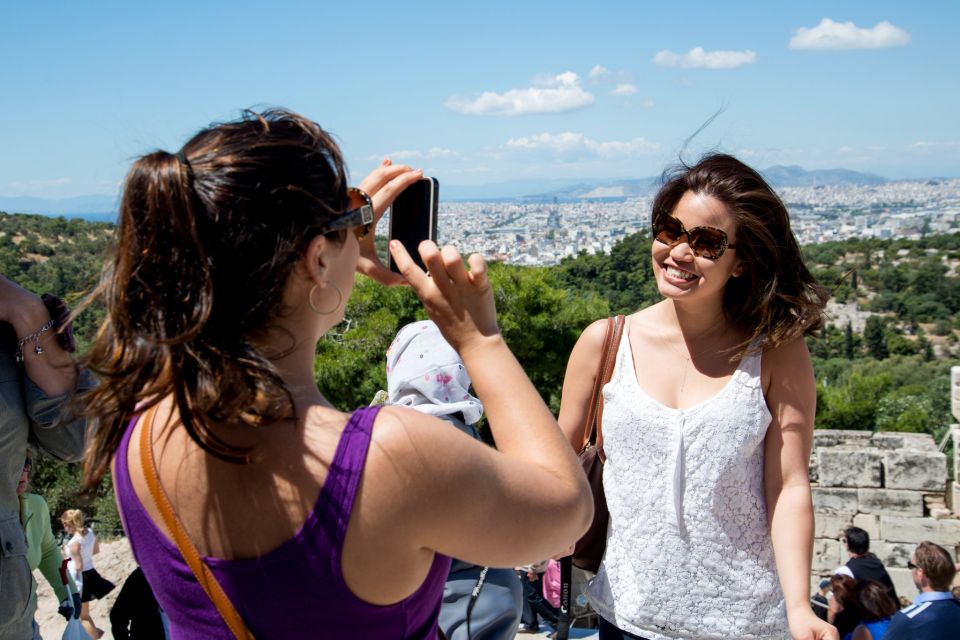
If you only visit the Acropolis with no context, you’ll still enjoy the views. But you’ll miss the why. This tour is built around one idea: the hilltop monuments make more sense when someone connects the archaeology, the myths, and the building changes over time.
I like that the route isn’t just Parthenon, Parthenon, Parthenon. You move through other key sites—like the Theatre of Dionysus and the Odeon of Herodes Atticus—so the Acropolis starts to feel like a living civic space, not a single temple. Then the New Acropolis Museum turns those same stones into objects, statues, and everyday finds you can actually read.
The guide also helps you see patterns fast: where the entrances align, how the architecture stages movement, and why certain structures matter to ancient Athenians. That’s the big payoff for spending guided time instead of just buying tickets.
You can also read our reviews of more guided tours in Athens



Meeting at Porinou 5 and Beating the Crowds
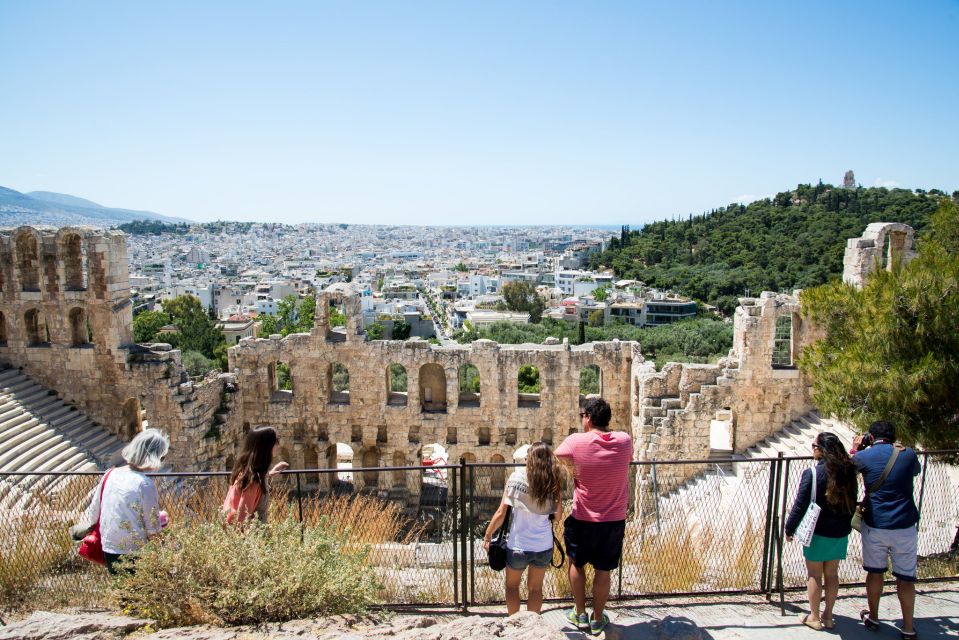
You meet at the Athens Walks office on Porinou 5 (ground floor). From there, the plan is to start the climb efficiently and use a separate entrance to reduce the long waits.
One small thing that makes a big difference: wireless hearing devices. On the Acropolis, noise and crowd gaps happen constantly. Headsets let you stay with the guide’s story instead of constantly asking your group to repeat things. Reviews also call out how this tool helps you follow along even when the crowd thickens.
There’s also a practical choice about tickets. If you select the option with entrance tickets, the tour includes skip-the-line tickets (and skip-the-line museum entry). If you don’t, you’ll want to order your entrance tickets online before you arrive at the meeting point, so you don’t get stuck figuring it out on the sidewalk.
Up the South Slope: Theatre of Dionysus to the Nike Temple
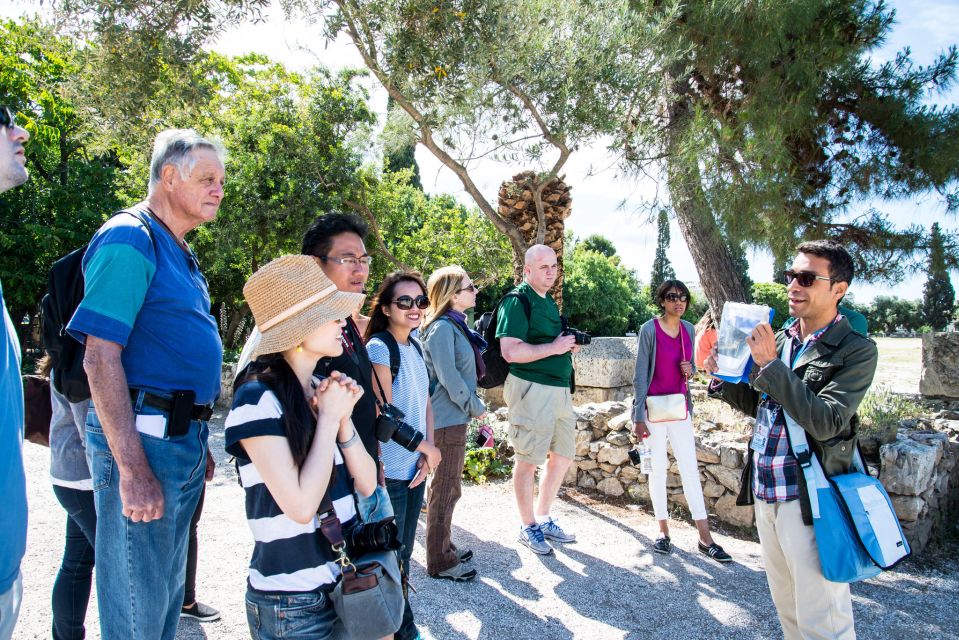
The tour route starts with an important mindset shift: you enter from the south slope of the Acropolis rather than treating the hill as one straight shot to the top. That makes the climb feel like a sequence of discoveries.
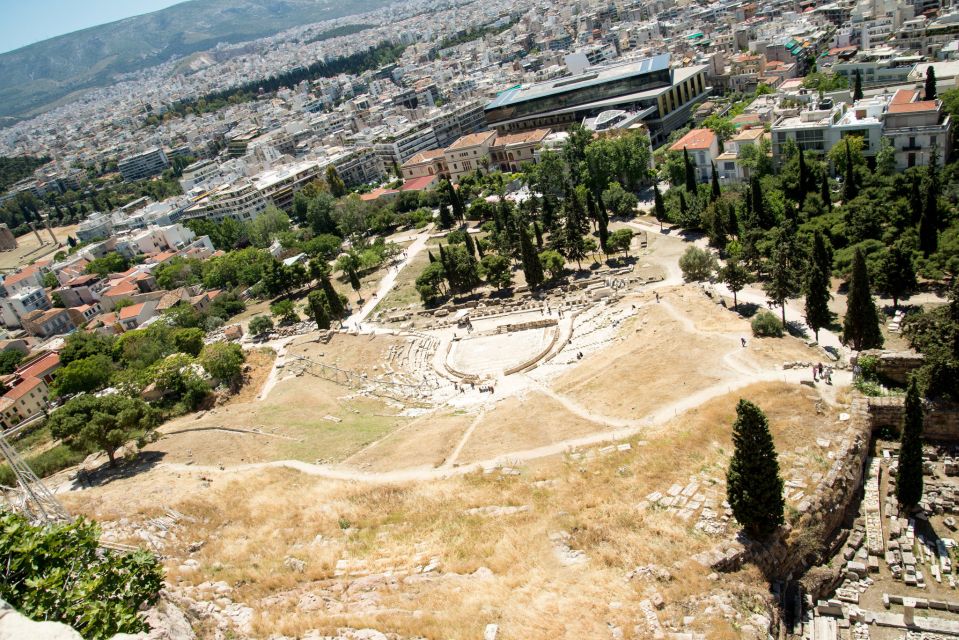
Near the start, you hit the Theatre of Dionysus, described as a birthplace of performing arts. The guide points out how ancient drama wasn’t just entertainment—it was civic culture. You even get a prompt to perch on a stone seat and imagine what it felt like to watch plays by major Greek writers like Aeschylus, Sophocles, and Euripides. That kind of mental snapshot helps the theatre stop being a ruin and start being a place where people gathered.
Next comes the Odeon of Herodes Atticus. This spot connects architecture to modern life because it’s still used during the Athens Festival from May to October. If you’ve ever wondered why ruins still matter today, this is one of those answers.
Then the route includes a quieter stop: an Asclepius healing temple, tied to the god of medicine. This part is useful because it broadens the Acropolis beyond rulers, wars, and big monuments. You learn how the temple architecture honored Athena, then you move toward the Parthenon area with that clearer lens.
You also pass through key approach points like the Propylaea (with a photo stop) and the Temple of Athena Nike, where the guide helps you read classical details before you reach the main view.
Parthenon Time and the Erechtheion Details You’ll Feel in Your Photos
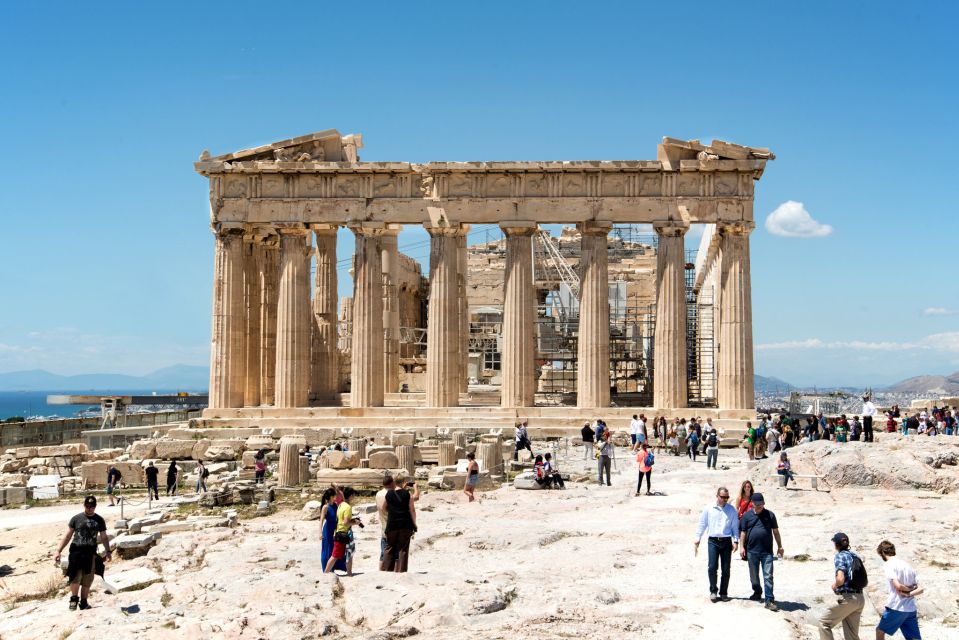
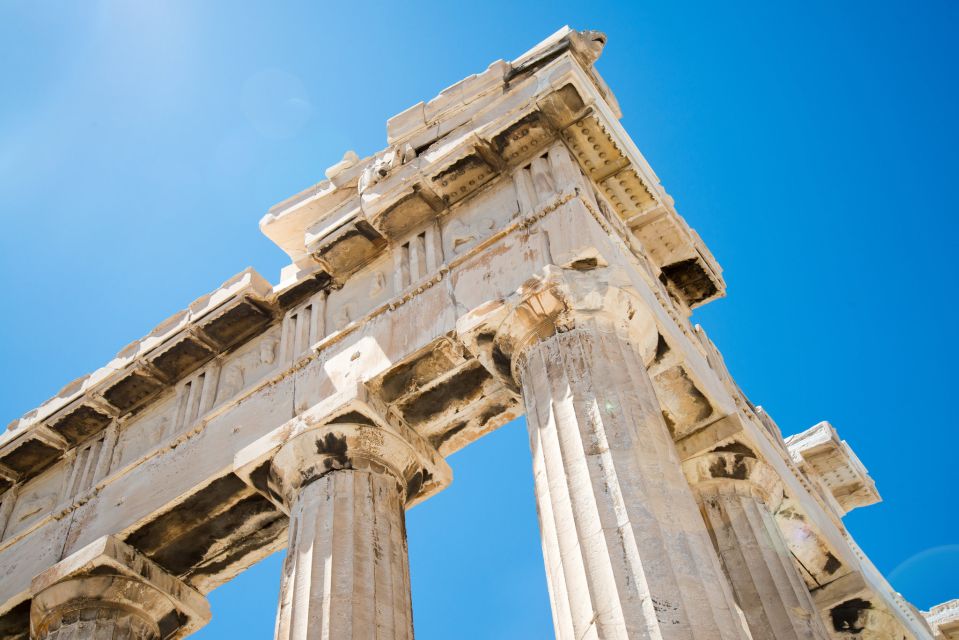
When you finally reach the top monuments, the tour doesn’t rush you past the obvious. You get a real look at the Parthenon, including guided time on site (about 30 minutes) plus sightseeing time for photos.
What I like most here is that the guide treats the Parthenon as more than the camera shot. You hear context about construction and how what you see connects to what came before and after. That makes your photos feel less like souvenirs and more like proof you understood what you were looking at.
You then move to the Erechtheion, guided for about 10 minutes. This stop matters because it balances the Parthenon’s dominance with a different architectural language and different sacred associations. It’s the kind of contrast that helps the Acropolis feel like a complex site, not a single monument.
At the top, there’s also a moment built for you: a break and time for photo stops and free time (about 15 minutes). Use that window wisely—take the widest skyline shots, then come back with your brain switched on for the museum.
Switching Gears: From Hilltop Ruins to the Acropolis Museum
After the outdoor climb, the Acropolis Museum becomes the reward. The tour includes a break period in the museum area too, with a brief pause and refreshments available at your own expense in the cafe.
The museum visit is guided for about 1.5 hours, which is exactly the right amount of time if you want meaning without spending half your day walking hallways. The New Acropolis Museum is often ranked among the top museums, and the structure of the galleries supports that: you don’t just see objects, you see how the pieces fit together.
What’s also helpful is the timing logic. You start with ruins, then you walk indoors to the collections. That order helps your eyes understand what they’re looking at: statues and fragments stop feeling random and start feeling like evidence.
You can also read our reviews of more museum experiences in Athens


New Acropolis Museum Galleries: Glass Floor Views and Parthenon Connections
This is the part where the tour feels most worth the price.
The Gallery of the Slopes of the Acropolis uses a glass floor where you can occasionally see an archaeological excavation site. That’s a clever way to show you that the ground you’re walking on once held buildings, layers of occupation, and the physical record of history.
The museum collections focus on statues and other relics tied to everyday life, not only the big-name monuments. You see how people lived, what they built, and what objects survived. This makes the Acropolis story broader than the temple complex and helps you understand why certain sculptures or architectural elements matter.
A standout detail in the museum experience is the Parthenon temple glass gallery. It’s built to help you visualize the temple’s components in a way that’s hard to grasp from the hilltop alone. Once you’ve seen how the pieces are arranged inside, returning your gaze to the monuments outside becomes easier.
Pace, Group Size, and Why the Headsets Matter
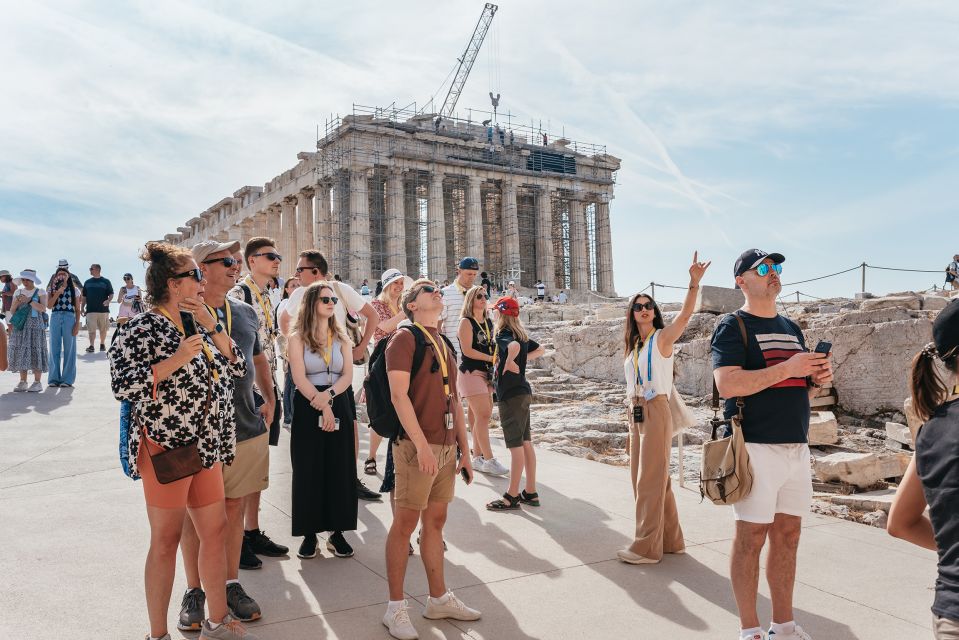
Most reviews highlight the guides’ ability to keep groups organized without turning it into a sprint. You’ll often be in a small group—commonly described around 15 to 20 people—and the guide manages movement through crowds so you don’t constantly lose sight of the plan.
Guides also get mentioned by name, which is a good clue that the leadership quality is part of the product, not a lucky accident. You may have guides like Petros, Dionissos, Anna, Demos, Artemis, Lisa, or Aphrodite. Across these experiences, the common thread is clear: they keep the story moving and answer questions as you go, so the tour feels like a conversation rather than a lecture.
One review notes that the pace included frequent chances to pause, rest, and take photos—important because the climb and the museum are both mentally demanding. Another points out that even when weather turns, the museum portion can flex to give you time to see more.
Also, pay attention to footwear. Even with a great guide, you’re still stepping across uneven stone. Comfortable shoes isn’t a suggestion here—it’s part of how you enjoy the day.
Price and Value: What $41 Buys You
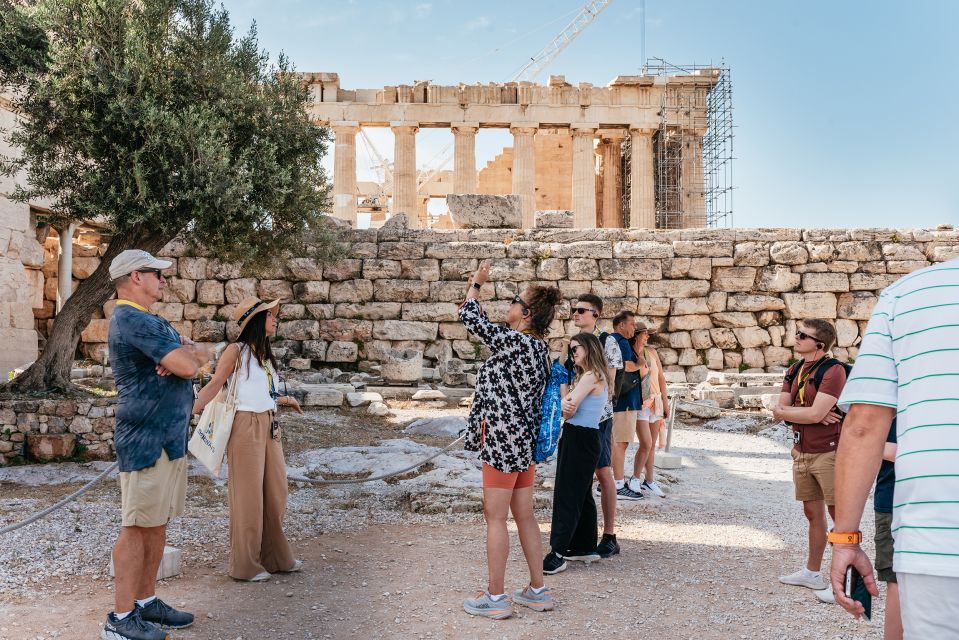
At $41 per person, you’re paying for more than access to sites. You’re paying for interpretation, time-saving, and the mechanics that reduce frustration.
Here’s what you effectively get:
- A licensed guide who’s framing what you see (including excavation details)
- Skip-the-line entry (when the ticketed option is chosen)
- Wireless hearing devices, so you can actually follow along
- Guided time not just at the Acropolis monuments, but also through the Acropolis Museum, where context makes the biggest difference
Food and drinks aren’t included, so budget a bit for water and any cafe stop you want. But compared to the cost of tickets plus figuring out everything alone, the guided museum portion alone can make the day feel complete.
If you’re the kind of person who wants to understand what you’re looking at—and not just collect postcards—this is a good value use of your time.
Who This Tour Suits (and Who Should Rethink It)
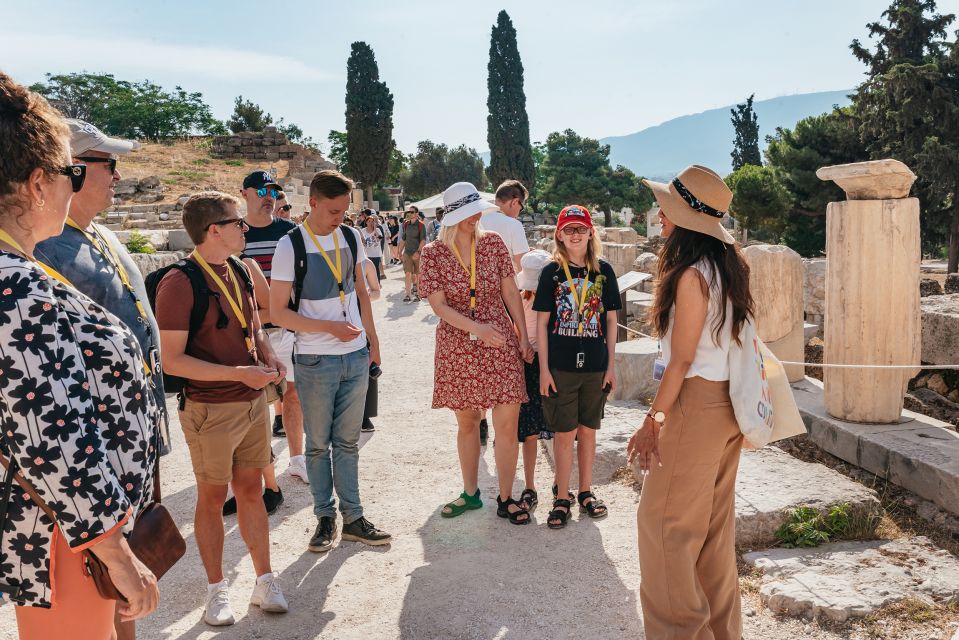
This tour is a strong match for:
- First-time visitors to Athens who want a guided roadmap through the Acropolis highlights
- People who care about archaeology, myth, and how monuments connect to daily life
- Visitors who want skyline views without spending hours sorting out routes
- Families who can handle a guided walk (one review mentions a tour that engaged young kids well)
It’s a weaker fit if:
- You have mobility impairments or need wheelchair access, since the tour isn’t suitable for wheelchair users
- You want lots of time to wander on your own; the structure is active and guided, with only limited free moments at the top
Should You Book This Guided Acropolis and Museum Tour?
Yes—if you want the Acropolis to make sense, book it. The combination of a guided climb through major structures (Theatre of Dionysus, Odeon of Herodes Atticus, Parthenon, Erechtheion) and then a guided visit inside the New Acropolis Museum is the core reason this tour works.
Skip it only if your priorities are purely scenic and you already know the site well enough to enjoy reading it without help. For most people, the guide plus the museum context turn a bucket-list location into a real understanding of how Athens used to function.
If you do book, wear comfortable shoes, bring ID/passport, and plan to take breaks when offered. The day goes smoother when you treat it as a half-day hike with a serious payoff inside the museum.
FAQ
Where is the meeting point for the Athens Walks Acropolis tour?
You meet at the Athens Walks tour office on Porinou 5, ground floor.
What sites are included in the tour?
The tour includes stops around the Acropolis such as the Theatre of Dionysus, Odeon of Herodes Atticus, Propylaea, Temple of Athena Nike, Parthenon, and Erechtheion, plus a guided visit to the Acropolis Museum.
Is skip-the-line entry included?
Skip-the-line entry is included if you choose the option with entrance tickets. Skip-the-line museum entry is also included.
How long is the tour?
The duration is listed as 2 to 4 hours, depending on the starting time and pacing.
Is the tour guide English-speaking?
Yes, the live tour guide is English.
Is the Acropolis elevator included?
No. The Acropolis elevator is not included.
Is this tour suitable for wheelchair users?
No. It is not suitable for wheelchair users or people with mobility impairments.
You Might Also Enjoy


More Guided Tours in Athens


More Tours in Athens

More Tour Reviews in Athens
- All Day Cruise -3 Islands to Agistri,Moni, Aegina with lunch and drinks included
★ 5.0 · 4,958 reviews