REVIEW · ATHENS
From Athens: 4-Day Peloponnese, Delphi, and Meteora Tour
Book on GetYourGuide →Operated by ARTYTOURS · Bookable on GetYourGuide
A four-day loop through Greece’s headline ruins feels intense, but it works. You’ll see Meteora’s cliff monasteries and the Olympic stadium at Ancient Olympia with a licensed Spanish-speaking guide, plus skip-the-line entry and included dinners. The main thing to consider is language and pacing: this trip runs in Spanish, and you’ll spend long stretches on a coach between sites.
If you like your ancient Greece organized—bus to each key stop, entry fees handled, and you wearing headsets to catch every explanation—this tour gives you that structure. One drawback to flag: at Delphi, the balance between museum time and outdoor ruins may not match what you personally want to prioritize, especially if weather turns rainy.
In This Review
- Key highlights you’ll actually feel during the trip
- A 4-day Athens route built around Greece’s big storylines
- Coach comfort, headsets, and a Spanish-guided pace
- Day 1: Corinth Canal, Mycenae’s power, and Epidaurus’ theater magic
- Corinth Canal stop
- Mycenae Archaeological Site and Museum
- Epidaurus Ancient Theater
- Dinner and overnight in Olympia
- Day 2: Ancient Olympia stadium, then Delphi’s Apollo and Pythia
- Ancient Olympia: where the Olympics began
- Optional lunch, then bus to Delphi
- Delphi Archaeological Site and Museum: the oracle world
- Day 3: The Navel of the Earth, optional tavern lunch, and Meteora arrival
- Delphi again, but with focus
- Optional lunch at a traditional Greek tavern
- Day 4: Two Meteora monasteries and Orthodox monastic life on top of rocks
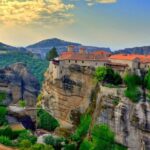
- Meteora’s UNESCO setting and the rock towers
- Monastery visits: what to expect
- Lunch stop and return to Athens
- Hotels, included meals, and the real cost of not planning
- Price and value: what makes $742 feel fair
- What could affect your experience (and how to reduce disappointment)
- 1) Museum vs outdoor ruins time at Delphi
- 2) Spanish-led commentary and how you follow it
- Who should book this tour, and who should skip it
- Should you book the 4-Day Peloponnese, Delphi, and Meteora Tour?
- FAQ
- Meeting point and start time
- What language is the tour guide?
- What’s included in the price?
- Are lunch and drinks included?
- Which days include meals?
- Do monasteries have a dress code?
- Is accommodation tax included?
- How many monasteries do you visit at Meteora?
- Is the tour accessible for wheelchair users?
- What’s the cancellation policy?
Key highlights you’ll actually feel during the trip
- Meteora viewpoints from monastery visits that make the UNESCO setting feel real, not postcard-level
- Ancient Olympia stadium access to the origin story of the Olympics
- Epidaurus Ancient Theater and its famed acoustics as a live experience, not just trivia
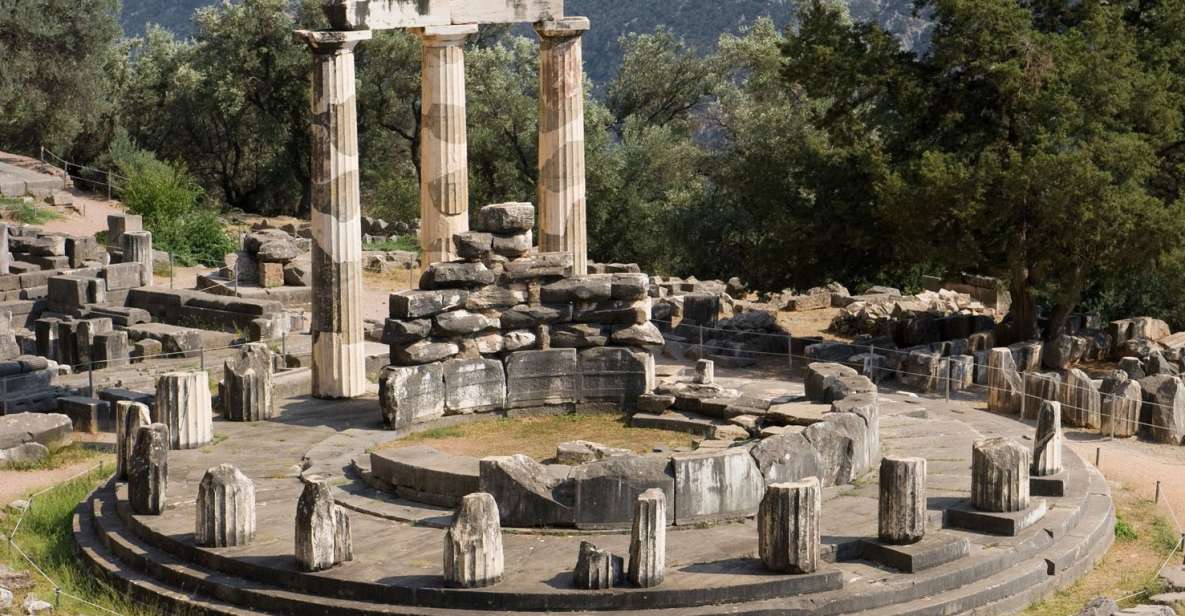
- Delphi’s oracle context tied to Apollo and Pythia, plus the Navel of the Earth stop
- Skip-the-line entry with headsets, which matters when crowds stack up
A 4-day Athens route built around Greece’s big storylines
This is a classic “greatest hits” route with a smart flow: Peloponnese first (Corinth Canal, Mycenae, Epidaurus, Olympia), then the central religion-and-oracle world (Delphi), and finally the vertical monastery views of Meteora. You’ll cover a lot of ground in four days, but the itinerary is designed so each day has a clear theme.
Day 1 is the myth-and-early-civilization track: Corinth Canal, then Mycenae, then Epidaurus, before you land in Olympia for dinner and sleep. Day 2 tightens the focus on sport and ritual by centering the Ancient Olympia archaeological site. Day 3 is Delphi’s sacred geography—what people believed and why they traveled there. Day 4 is all about Meteora: monasteries on top of massive Byzantine rock formations, with a clear explanation of Orthodox monastic life.
If you’re the kind of person who wants to connect the dots between sites, this route helps. You’ll also be spared a lot of self-planning headaches because transportation, hotels, and entry fees are handled.
You can also read our reviews of more tours and experiences in Athens

Coach comfort, headsets, and a Spanish-guided pace
You travel by air-conditioned coach, and you get headsets so you can hear the guide over the group noise. There’s also WiFi on board, which is handy for mapping, catching up on messaging, or just passing time between stops.
Here’s the practical reality: you’re on buses a lot. That’s not a flaw—it’s the price of hitting Mycenae, Olympia, Delphi, and Meteora in only four days. When you’re budgeting energy, plan to rest on the ride as much as you can, and keep your “walking shoes” ready for archaeological sites where paths can be uneven.
Also note the guide language: Spanish. If you don’t speak Spanish, you might still pick up ideas via the headsets, but your understanding will depend on what’s said and how quickly you can track it. The benefit is that the tour positions you for the big stories with expert commentary, not just a self-guided wander.
Day 1: Corinth Canal, Mycenae’s power, and Epidaurus’ theater magic
Day 1 starts when you meet at the Melina Mercouri monument, near the Acropolis metro station. From there, the coach takes you into the Peloponnese.
Corinth Canal stop
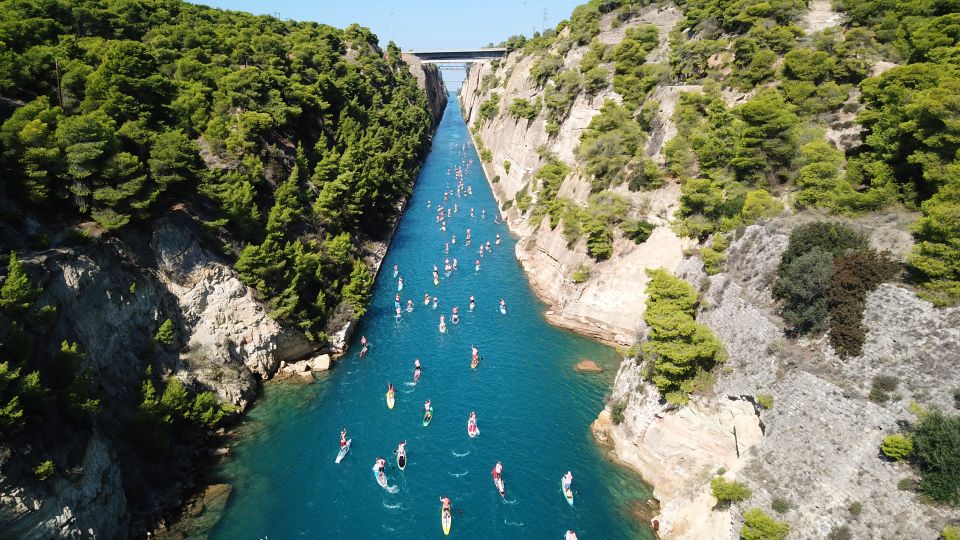
You’ll make a stop at the Corinth Canal before heading toward Argolis. Even if you’ve seen photos, the canal helps you understand how Greece’s geography funnels movement. It’s a quick visual break that sets the stage for what comes next: powerful cities and long-standing travel routes.
Mycenae Archaeological Site and Museum
Next comes Mycenae, with both the archaeological site and the museum. This pairing matters. The ground-level ruins give you the scale and layout, while the museum pieces help you connect what you’re seeing to the people and era behind it.
If you’re the type who gets impatient when tours skip context, this part is designed to avoid that. You get to see the physical remains and then understand what they likely meant.


Epidaurus Ancient Theater
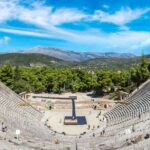
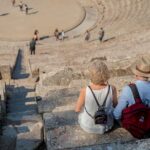
After Mycenae, you head to Epidaurus Ancient Theater. The big draw here is the experience of the theater itself and its acoustics. This is one of those stops where you don’t need to be an audio engineer to feel the impact—standing where the sound was meant to carry changes the way you see the site.
One caution: Epidaurus can be a “move your legs, then stand still” type of stop. Wear comfortable shoes because you’ll likely walk uneven ground and then spend time inside the theater area.
Dinner and overnight in Olympia
You end Day 1 with dinner and an overnight in your hotel near Ancient Olympia. This is a smart move. It prevents a late arrival scramble and gives you the next morning when your legs are fresh for the Olympia stadium and grounds.
Day 2: Ancient Olympia stadium, then Delphi’s Apollo and Pythia
Day 2 begins with breakfast and check-out, followed by the main Ancient Olympia tour.
Ancient Olympia: where the Olympics began
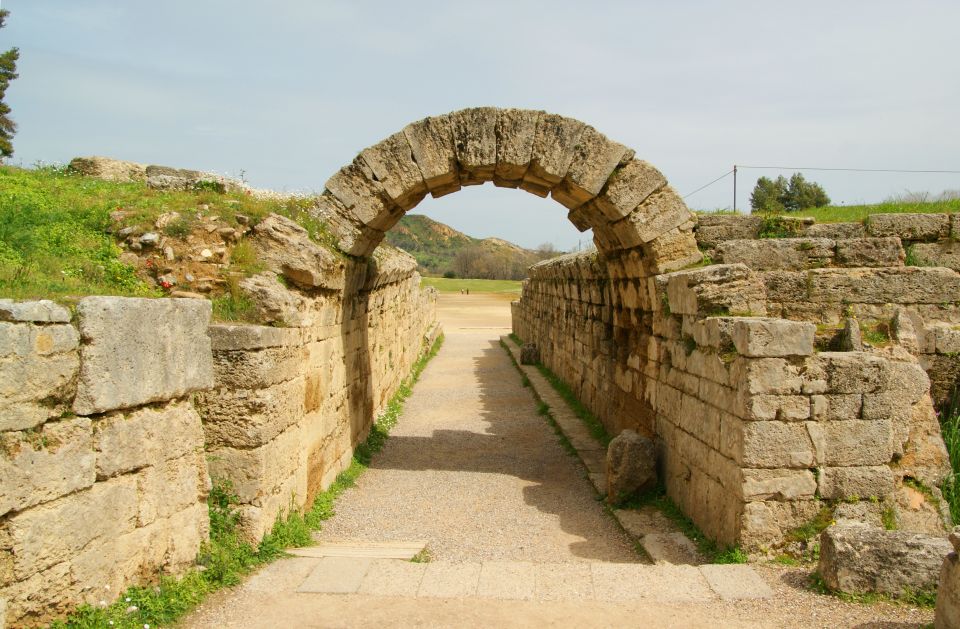
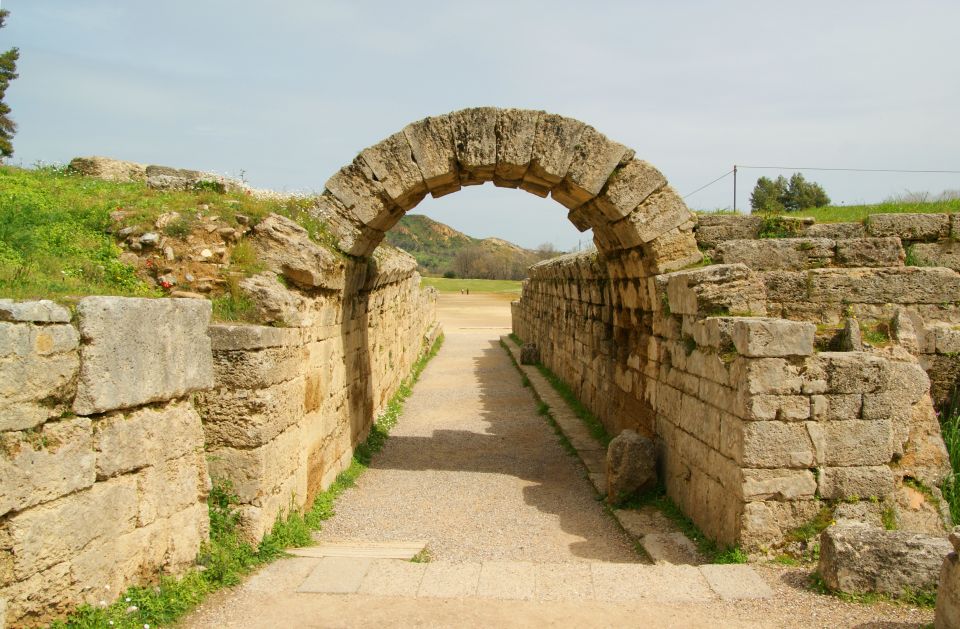
You’ll tour the Archaeological Site of Ancient Olympia, where the Olympic games were held. The stadium is the anchor here. Seeing it as an actual arena—rather than a diagram—helps the origin story click.
This part is also where the tour’s “guide-led” format pays off. Instead of you guessing why specific elements mattered, your guide connects the sport, ritual, and civic identity that made the games more than entertainment.
Optional lunch, then bus to Delphi
After the Olympia visit, there’s an optional lunch (not included). Then you travel by coach to Delphi, where dinner and an overnight are included.
Delphi Archaeological Site and Museum: the oracle world
Day 2 also includes Delphi’s Archaeological Site and Museum later in the trip (with Day 3 also focused on Delphi in detail). For your planning, think of Delphi as two layers:
- The museum helps you place objects, symbols, and context.
- The site lets you experience the sacred geography in real space.
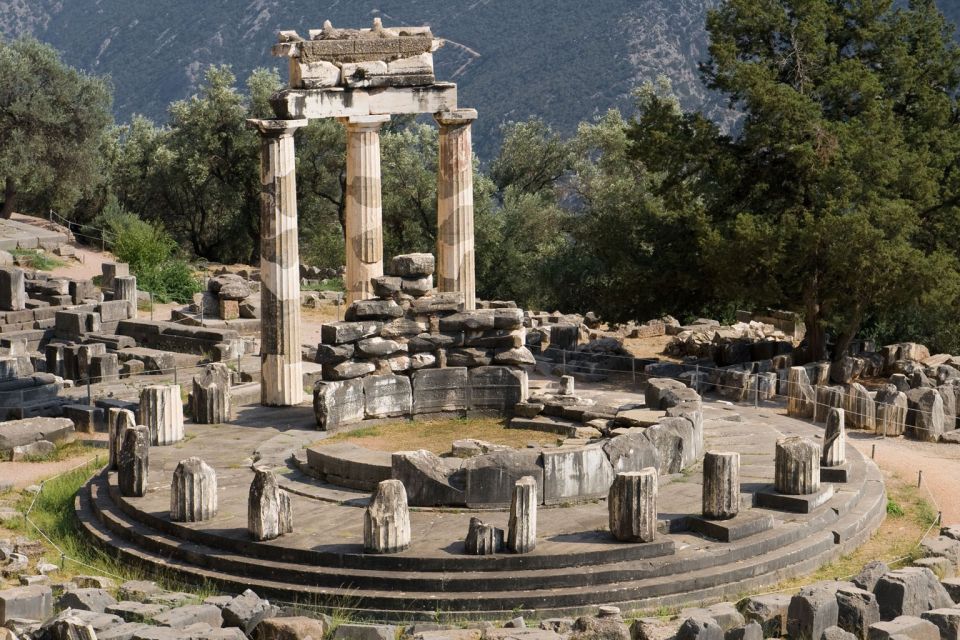
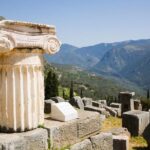
You’ll learn about the oracle dedicated to Apollo and Pythia, the High-Priestess. You’ll also visit the Navel of the Earth, described as a spiritual center for all Ancient Greeks. Whether you see it as sacred truth or ancient branding, it’s a powerful stop because it explains why people traveled here in the first place.
Practical note: Delphi can feel like a lot of explanation. If your personal priority is seeing ruins and moving through outdoors spaces, be ready that the museum can take significant time. If rain shows up, indoor time first can cut into your outdoor viewing minutes.
Day 3: The Navel of the Earth, optional tavern lunch, and Meteora arrival
Day 3 begins with breakfast and another check-out.
Delphi again, but with focus
You’ll tour Delphi’s Archaeological Site and Museum, so by this point the guide can connect the dots in a way that self-guided routes often miss. The payoff is that Delphi becomes a story about belief systems rather than a set of ruins.
Expect emphasis on:
- Apollo’s sanctuary and the oracle’s role
- Pythia’s position as High-Priestess
- The symbolism of the Navel of the Earth
Optional lunch at a traditional Greek tavern
There’s an optional lunch in a traditional Greek tavern. Lunch and drinks aren’t included, so this is your chance to choose how you want to eat that day.
Then you continue to Meteora and stay overnight in Kalambaka. Reaching Kalambaka at the right time matters because Meteora’s real magic is how the monasteries sit high above the valley. Even before you climb into monastery visits, the approach builds anticipation.
Dinner is included, which helps you avoid the common travel problem of spending your last evening searching for a place to eat.
Day 4: Two Meteora monasteries and Orthodox monastic life on top of rocks
Your final day starts with breakfast, then a morning visit to two monasteries.
Meteora’s UNESCO setting and the rock towers
You’ll see the imposing Byzantine rock formations, and you’ll get the background for why this area is UNESCO World Heritage. The physical setting is the point: monasteries built up high weren’t just aesthetic choices. They reflect isolation, safety, and a desire for ascetic life.
Monastery visits: what to expect
You’ll experience aspects of Orthodox monasticism and learn about ascetic life. The visits also come with an important dress rule: cover your shoulders and knees when visiting the monasteries. This matters because you might be refused entry if you don’t meet the standard. Bring a light layer if you think you might be borderline.
Also, because this is a tour with monastery stairways and uneven terrain, it’s not suitable for people with mobility impairments or wheelchair users. If that’s you, don’t count on this route working.
Lunch stop and return to Athens
After the monastery visits, you’ll stop for lunch and then continue back to Athens. It’s a long day, but the structure makes sense: you finish with the most memorable morning sights, not late-afternoon fatigue.
Hotels, included meals, and the real cost of not planning
This tour includes accommodation and a steady rhythm of meals:
- 3 breakfasts
- 3 dinners
- Hotel accommodation in a 3 or 4-star category (depending on the option you select)
That’s not a small detail. Greece can be pricier than expected once you add entry fees and meals one by one. Having dinners and breakfasts included helps you control your daily spending.
One cost you must plan for: the accommodation tax paid at the hotel reception. The amounts depend on hotel star rating and season:
- For 4-star hotels: 10€ per room per night (April–October), 3€ per room per night (November–March)
- For 3-star hotels: 5€ per room per night (April–October), 1.5€ per room per night (November–March)
So when you look at the $742 per person price, don’t treat it like “everything is fully paid.” But do treat it as “transport + guide + entry fees + hotels + most meals are included,” which is often where good value comes from.
Price and value: what makes $742 feel fair
At $742 per person for a 4-day trip, the value hinges on three things you’re not doing yourself:
- Transportation in an air-conditioned coach
- All entry fees plus skip-the-line access
- Hotel stays and included dinners/breakfasts
If you were to replicate this route on your own, the biggest time sinks would likely be coordinating tickets, figuring out drives between far-flung sites, and paying for each entrance as you go. This tour stacks those pieces together so you can spend your effort on enjoying the sites instead of running logistics.
The “consideration” side of value is pacing. If you personally prefer slower travel with more time at fewer stops, a four-day highlights route may feel like a whirlwind. Also remember: lunch and drinks are not included, and you’ll pay accommodation tax at the hotel.
What could affect your experience (and how to reduce disappointment)
This tour is well-structured, but Greece is weather and time. Two things can change how a day feels:
1) Museum vs outdoor ruins time at Delphi
Delphi mixes museum content with outdoor archaeological viewing. If your top goal is being out among the ruins, keep your expectations realistic: a guide explanation inside can take longer than you hoped. If rain hits, outdoor viewing can shrink further. Your best defense is simple: wear layers, bring comfortable shoes, and keep a flexible mindset about how time gets spent.
2) Spanish-led commentary and how you follow it
Because the guide language is Spanish, your enjoyment depends on whether you can follow the commentary. The headsets help, but they don’t turn a Spanish explanation into instant translation. If you’re traveling with someone who doesn’t speak Spanish, you may want to mentally switch from “I must understand every sentence” to “I want the big connections and the visual proof.”
Who should book this tour, and who should skip it
I’d point this tour toward you if:
- You’re a history fan who likes a clear narrative linking sites
- You want Meteora plus the major ancient Greece stops without rental-car stress
- You appreciate skip-the-line entry and headsets in busy places
- You’re okay with long coach days and multiple hotel changes (in this case, you’re based in Olympia/Delphi/Kalambaka)
I’d skip it if:
- You need wheelchair-friendly routing or have mobility limitations that make stair-heavy monastery visits impossible
- You strongly prefer self-guided pacing and don’t like the idea of guided time allocations
- You need meals and lunches fully included (lunch and drinks are not included)
Should you book the 4-Day Peloponnese, Delphi, and Meteora Tour?
If you want a well-organized, high-output route with entry fees included, skip-the-line access, and a guide that explains the big ancient storylines in Spanish, this tour is a practical way to see a lot of Greece in a short time.
My “yes, book it” signal: you’re excited by Mycenae, Olympia, Delphi, and Meteora as connected chapters, and you’re comfortable following along even when the day includes long coach rides and museum time.
My “think twice” signal: you care most about being outdoors and moving at your own tempo, and you don’t want your day at Delphi shaped by indoor explanations or weather.
FAQ
Meeting point and start time
You meet in front of the Melina Mercouri monument, near the Acropolis metro station. Representatives will board you in the bus to meet your guide.
What language is the tour guide?
The live tour guide speaks Spanish.
What’s included in the price?
Included are air-conditioned coach transportation, a guide, 3 or 4-star hotel accommodation (depending on option), 3 breakfasts, 3 dinners, all entry fees, skip-the-line access, headsets, and WiFi on board.
Are lunch and drinks included?
Lunch and drinks are not included. Lunch is listed as optional at points during the tour.
Which days include meals?
You’ll have 3 included breakfasts and 3 included dinners across the four days.
Do monasteries have a dress code?
Yes. You need to cover your shoulders and knees when visiting the monasteries.
Is accommodation tax included?
No. You pay accommodation tax at the hotel reception on the spot, with amounts based on hotel star rating and season.
How many monasteries do you visit at Meteora?
You visit two monasteries on the morning of Day 4.
Is the tour accessible for wheelchair users?
No. The tour is not suitable for people with mobility impairments or wheelchair users.
What’s the cancellation policy?
Free cancellation is available up to 24 hours in advance for a full refund.
If you tell me your travel month and your Spanish comfort level, I can help you judge whether this pacing and language setup will feel smooth for you.
You Might Also Enjoy
More 4-Day Experiences in Athens
More Tours in Athens
More Tour Reviews in Athens
- All Day Cruise -3 Islands to Agistri,Moni, Aegina with lunch and drinks included
★ 5.0 · 4,958 reviews