REVIEW · ATHENS
From Athens: 2 Days Meteora, Thermopylae & Delphi Tour
Book on GetYourGuide →Operated by Visit Meteora · Bookable on GetYourGuide
Meteora at sunset changes your whole mood. This two-day Athens-to-Meteora-and-Delphi loop pairs Meteora’s iconic monasteries and cliff views with a stop at Thermopylae, plus a full UNESCO day at Delphi. It’s a smart way to hit three big-name sites without wrestling your own logistics all over central Greece.
I especially like the way the tour protects your time. You get direct transport from Athens to Kalambaka, then express shuttles onward—so you’re not stuck waiting around with half-finished plans. The second thing I love is how flexible Meteora feels: you can choose a sunset-focused visit for the best light, or a mid-day option if that suits your pace.
One consideration: entry fees aren’t included, and the Delphi return to Athens is on public transport rather than a private car. Add in the dress code rules and the fact that monastery visits mean climbing steps, and you’ll want to pack accordingly.
In This Review
- Key Things You’ll Be Glad You Knew Before You Go
- How the 2-Day Loop Works (and Why It Saves You Energy)
- Day 1 From Athens to Kalambaka: Direct Ride, Then Meteora Choice
- Sunset or mid-day Meteora: pick the experience you want
- Meteora Time: What You’ll Actually See on the Cliffs
- The guide factor can make or break Meteora
- Don’t forget: monasteries require real effort
- Hotel in Meteora: One Night With Breakfast (How to Use It Well)
- Day 2: Express Shuttle Toward Delphi With a Thermopylae Stop
- Thermopylae is short—but don’t rush it
- Arriving Delphi: Where Your Luggage Goes and How You Start
- Delphi Museum + Archaeological Site: Self-Guided With Mobile Audio Support
- How to tour Delphi so it feels coherent (not chaotic)
- Getting Back to Athens: Plan for Public Transport
- Price and Value: What $294 Gets You (and What Costs Extra)
- Transport Resilience: What Happens With Train Disruptions
- Who This Tour Is Best For (and Who Might Want a Different Fit)
- Should You Book This Meteora and Delphi 2-Day Tour From Athens?
- FAQ
- Where do I start in Athens for this 2-day tour?
- Is there a hotel included, and what’s provided?
- What time do I move from Meteora toward Delphi on Day 2?
- Do entry fees to Meteora and Delphi cost extra?
- Is Delphi guided by a person or self-guided?
- What if trains are disrupted in Greece?
Key Things You’ll Be Glad You Knew Before You Go
- Meteora timing is the star: choose sunset for softer light and great photo angles, or go mid-day if you prefer daylight touring.
- You’re not doing “figure it out” travel: transfers are set up end to end, with drivers meeting you and routing you between key stops.
- Thermopylae adds meaning, even as a quick stop: you’ll have time to look around before continuing toward Delphi.
- Delphi is self-guided, but supported: you’ll use a mobile tour with audio while you explore the museum and the ruins.
- No elevators at monasteries: plan for steps and keep walking shoes on your feet.
- Pay attention to clothing rules: shoulders and knees need to be covered for places of worship and selected museums.
How the 2-Day Loop Works (and Why It Saves You Energy)
This is designed for independent travelers who still want structure. You’re basically doing two concentrated travel days: Day 1 is Athens to Meteora (Kalambaka base), and Day 2 is Meteora to Delphi with a Thermopylae stop, then back to Athens.
The value here isn’t just that you see Meteora and Delphi. It’s the flow. Your transfers are timed so you’re spending your daylight touring, not coordinating. Plus, the itinerary includes a Meteora hotel night with breakfast, which matters more than it sounds when you’re moving through Greek countryside on a schedule.
Group size is kept small, and you’ll also get practical extras like bottled water plus Wi‑Fi and USB chargers on the tour bus. Those small comforts make long travel days feel less like a chore.
You can also read our reviews of more tours and experiences in Athens


Day 1 From Athens to Kalambaka: Direct Ride, Then Meteora Choice
You start in Athens with a direct express bus to Kalambaka. The departure point is Larissis Railway Station, and the bus leaves at 08:00. The arrival is around 12:45, when you’ll either be transferred to your hotel or you’ll start the mid-day Meteora option, depending on what you chose.
At this stage, think of Kalambaka as your launch pad. It’s not all about the monasteries themselves—this is where you reset: quick lunch, a short stroll, and time to get oriented before you start climbing toward the cliff-top views.
Sunset or mid-day Meteora: pick the experience you want
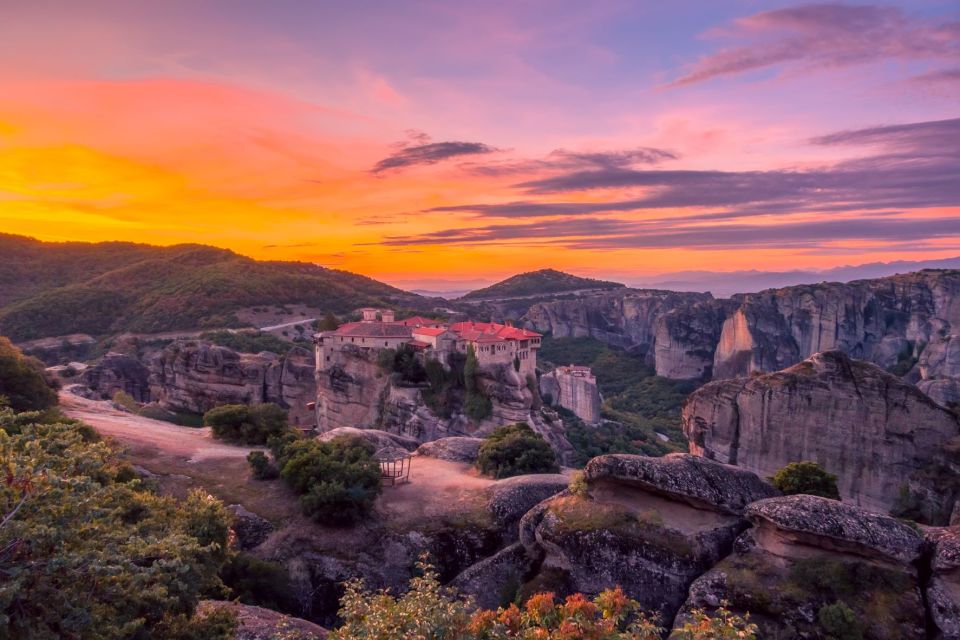
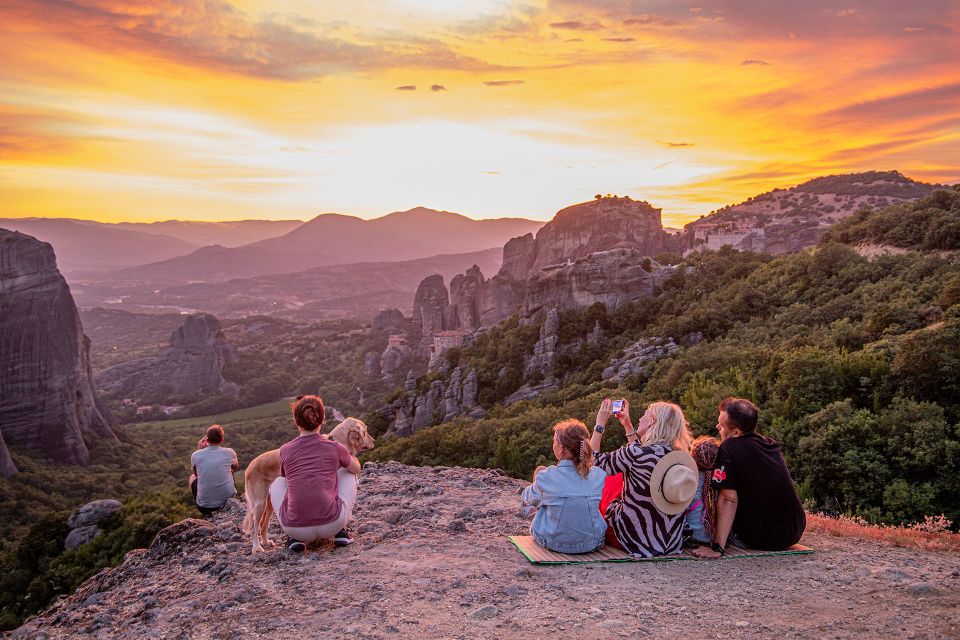
Your big choice is whether Meteora is mainly about sunset or mid-day touring. If you care about photography and atmosphere, sunset is usually the smarter bet. Meteora’s cliffs and monastery walls change color quickly. Even if you’re not chasing perfect shots, the light is softer and the whole place feels calmer.
If you prefer to tour earlier, the mid-day option can work well too—especially if you don’t want to spend the day waiting for evening. Either way, you’ll be dealing with lots of stairs when you visit monasteries, so it helps to wear comfortable shoes and dress with the rules in mind.
Meteora Time: What You’ll Actually See on the Cliffs
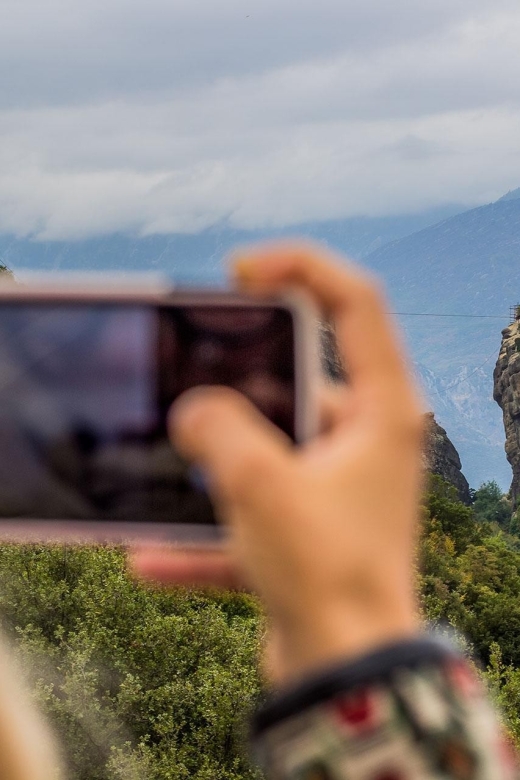
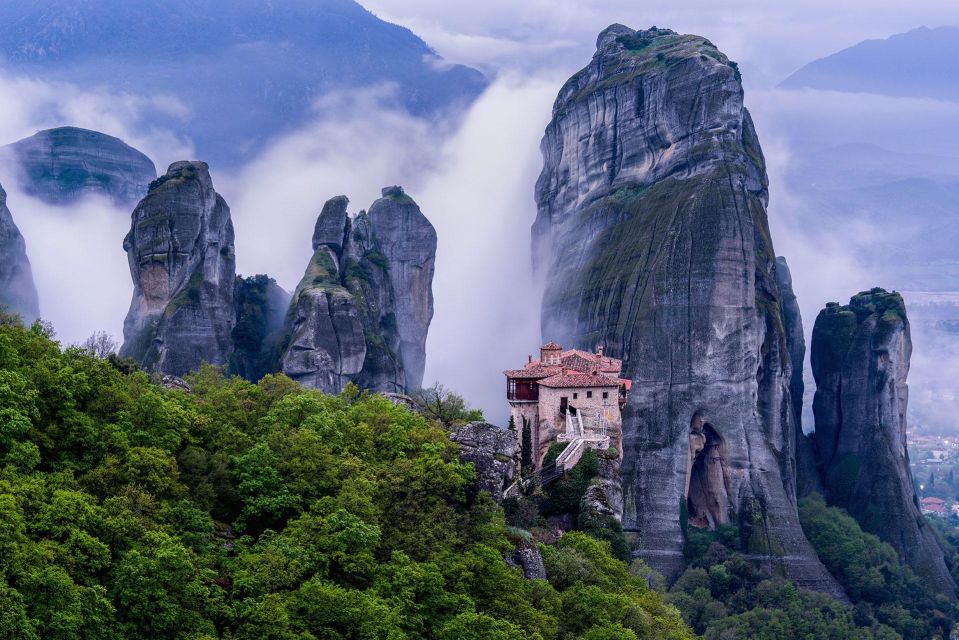
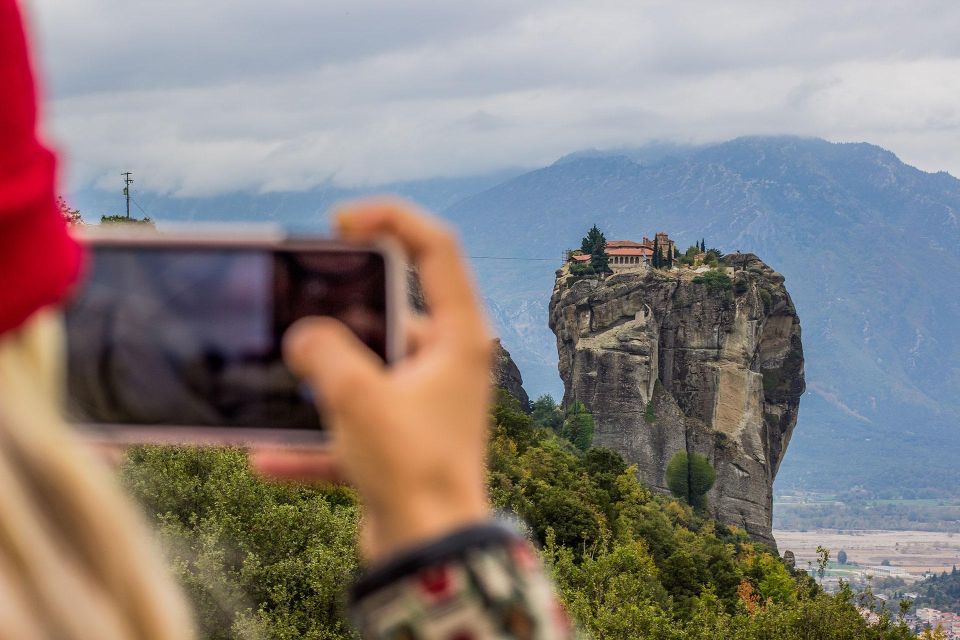
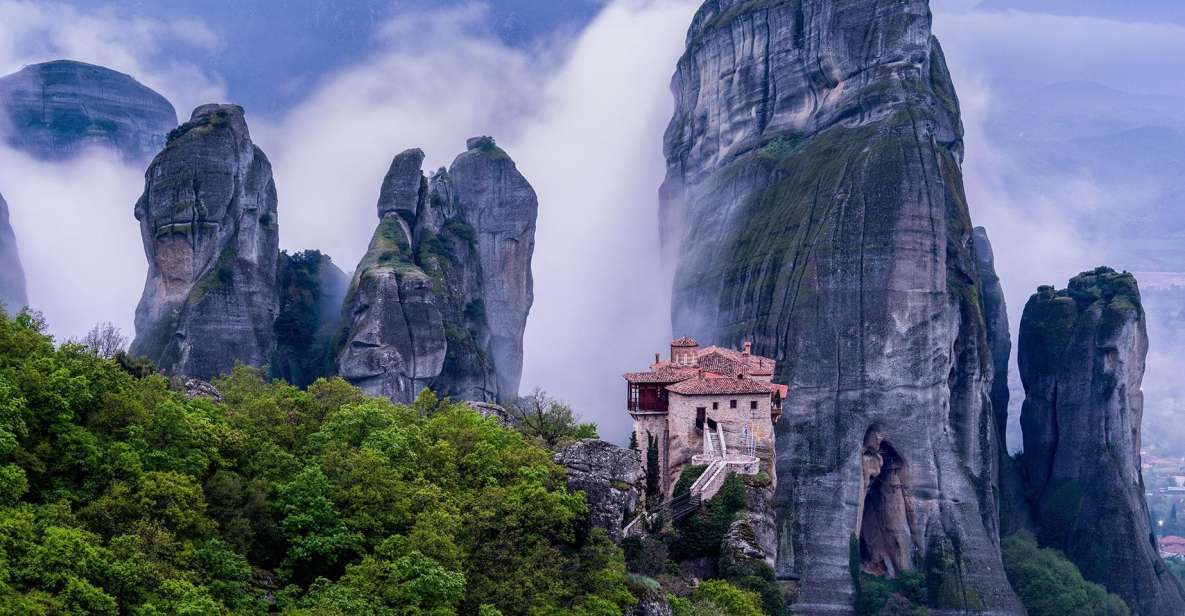
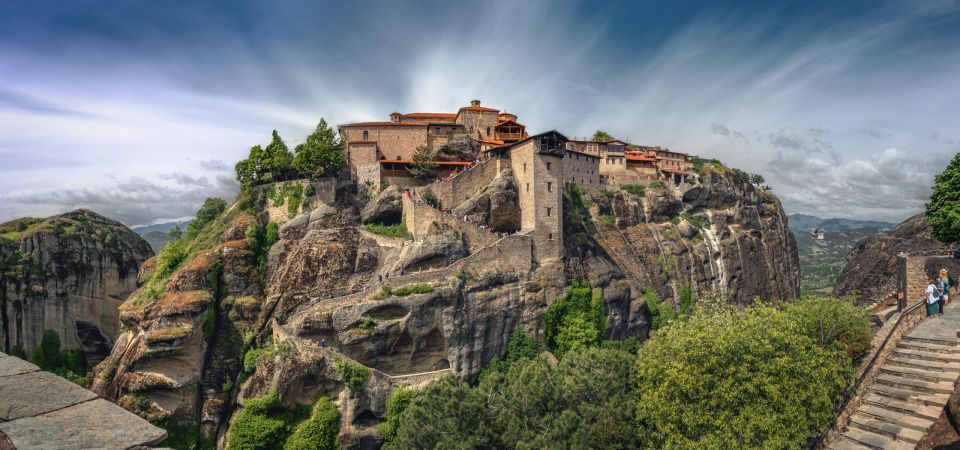
Meteora is a UNESCO World Heritage site for a reason. The monasteries sit on dramatic rock columns, and the scale hits you once you’re there—your brain struggles to measure how high everything is.
The tour emphasizes both the famous view and the practical in-between time. You’re not just dropped at one viewpoint and told good luck. You’ll get guidance for where to look and how to move through Meteora efficiently.
The guide factor can make or break Meteora
This tour can include a live English-speaking guide for the Meteora portion. One guide name that stood out in real-world experience is Katarina, praised for being helpful and answering questions. That matters because Meteora isn’t just pretty—it’s layered with religious and historical context, and a good guide helps you connect the dots fast.



Don’t forget: monasteries require real effort
You should expect stairs. The tour notes that there are no elevators. Even if you’re not doing a full marathon of steps, you’ll want to pace yourself and take breaks when needed.
Also plan for clothing rules. For places of worship and selected museums, you’ll need knees and shoulders covered. That means no shorts or sleeveless tops for men or women, or you may be refused entry.
Hotel in Meteora: One Night With Breakfast (How to Use It Well)
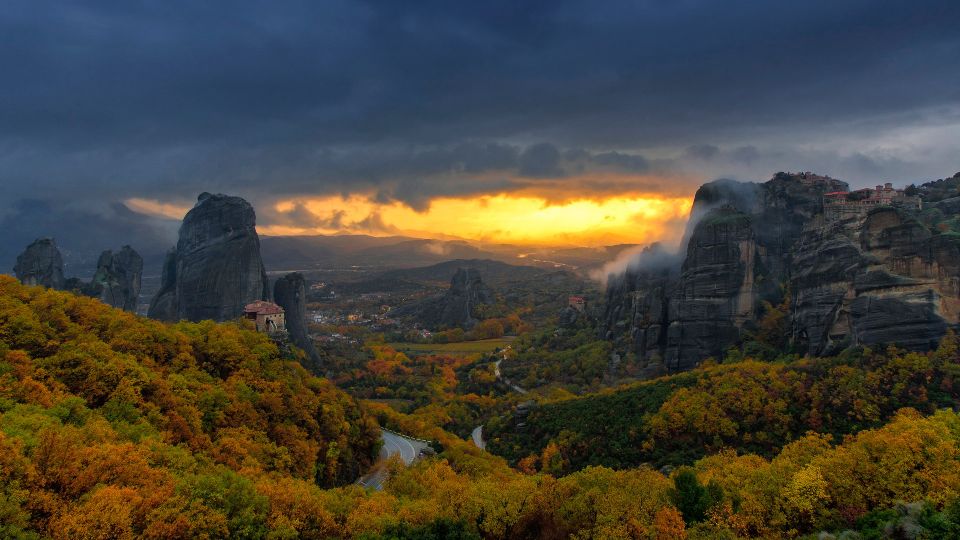
You’ll spend one night in the Meteora area, with breakfast included. The exact hotel star level can vary by booking level, but the key takeaway is that you’re getting a real overnight base—so you’re not trying to run from Athens to Delphi in one long day.
In practice, I like using the hotel night to do two things:
- recharge before the Delphi day
- simplify meals so you’re not hungry while you’re touring
Breakfast is included, and that’s one less item to plan on your own. If you have the time in Kalambaka before the monastery portion, it’s also a good moment to browse and grab something casual to eat—especially if you’re arriving with a bit of flexibility.
Day 2: Express Shuttle Toward Delphi With a Thermopylae Stop
On Day 2, you meet your express shuttle transfer driver at 9:00 AM at the designated location (your driver will tell you where). Travel toward Delphi takes about 3 hours.
On the way, there’s a stop at Thermopylae, the legendary battlefield where the 300 Spartans stood against the Persian army. The stop is a key emotional and historical bridge between the ancient world you’ll see at Delphi and the ancient Greek ideals you’ll think about afterward.
Thermopylae is short—but don’t rush it
This is not a multi-hour guided deep dive. Still, it’s worth treating like more than a photo stop. Even a focused walk and a look around helps you frame what you’re seeing later at Delphi’s temples and treasuries—because you’re moving through Greek history as a connected story, not as isolated landmarks.
Arriving Delphi: Where Your Luggage Goes and How You Start
Once you arrive in Delphi, your driver will show you the bus station area where you can safely leave your luggage. That’s a practical detail you’ll appreciate. It means you can tour without dragging bags around ruins and museums.
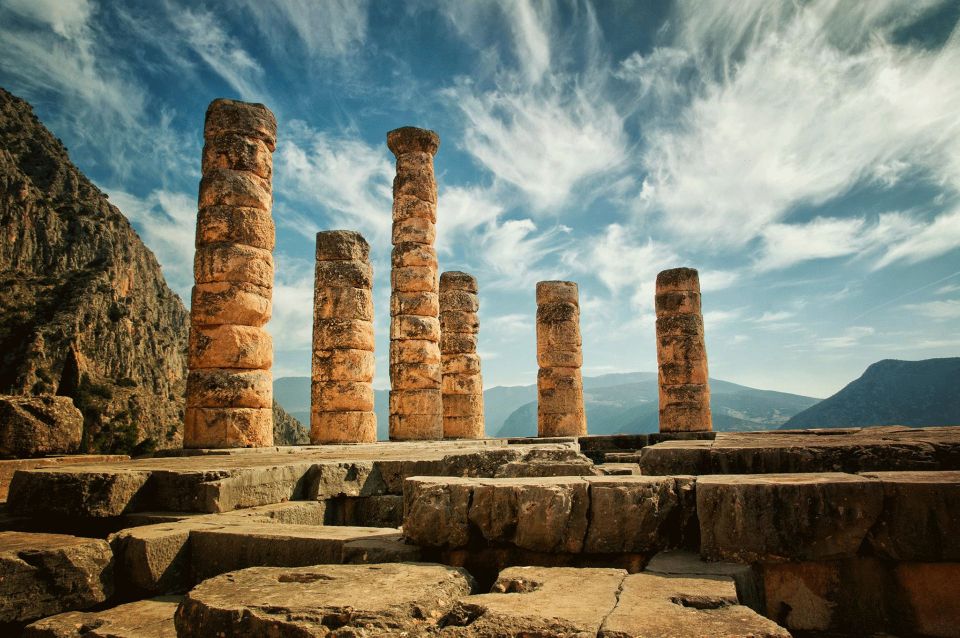
From there, your Delphi experience starts with the Delphi Museum. You’ll have access to an impressive collection of ancient artifacts and sculptures, including the famous Charioteer of Delphi. The museum helps you place the ruins into context, which makes the archaeological site feel more “real” once you step outside.
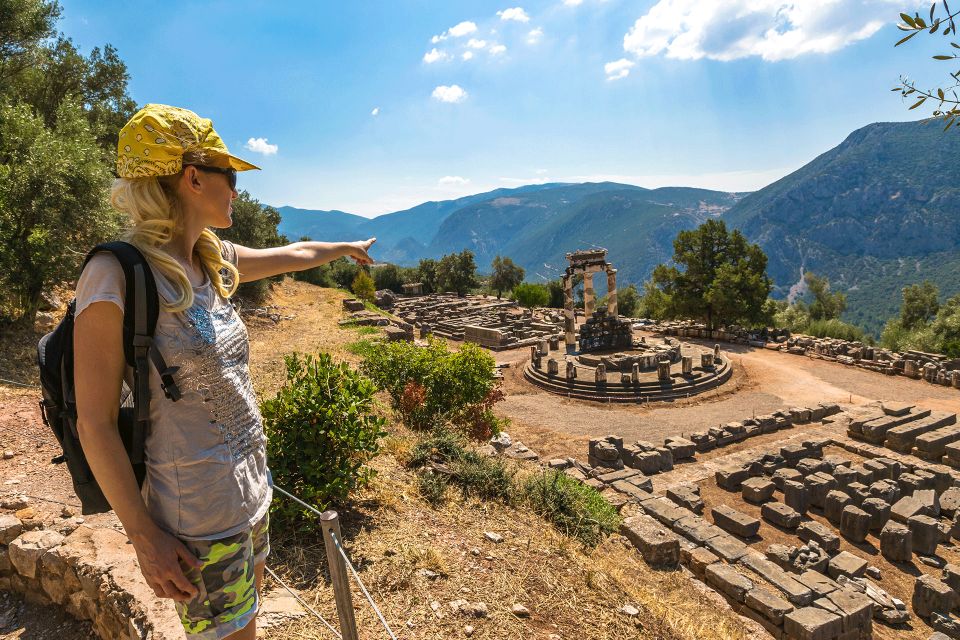
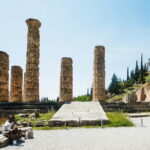
After the museum, it’s a short walk to the Delphi archaeological site—another UNESCO World Heritage stop. You’ll explore key areas such as the Temple of Apollo, the Athenian Treasury, and the Theater of Delphi.
Delphi Museum + Archaeological Site: Self-Guided With Mobile Audio Support
This part of the tour is self-guided at Delphi using a mobile tour with audio in multiple languages. The tour includes English live guidance, but you’ll also get audio support for several other languages: Korean, Spanish, French, German, Italian, Portuguese, Russian, Polish, Chinese, and Japanese.
What I like about a self-guided approach here is timing control. Delphi is a site where you’ll want to pause, look up, and stand in the same spot for a bit. With audio, you can move at your pace and still get explanations.
How to tour Delphi so it feels coherent (not chaotic)
Delphi is spread out enough that it can feel like you’re hopping between “big things.” My advice:
- Start with the museum artifacts in your mind, then look for the matching themes at the ruins.
- Take one rest stop where you just scan the architecture from a distance before going in close.
- Use the audio so you’re not guessing what you’re looking at.
You’ll be on your feet, and the value of the mobile audio is that it prevents the museum from being a blur and the ruins from becoming a random collection of stones.
Getting Back to Athens: Plan for Public Transport
At 4:00 PM, you catch the bus from Delphi to Athens. The ride takes about 3 hours, and you’ll arrive around 7:00 PM.
This is where the tour is honest about the reality of timing: it uses public bus service rather than a private transfer. If you’re expecting a comfy chauffeur-style return, you might be surprised. If you’re okay with a scheduled bus ride and you’ve had a full day of walking, it still works.
My practical tip: build in a little mental flexibility. You’re tired by late afternoon, so you’ll be happiest if you bring water, wear supportive shoes, and keep your expectations aligned with a timetable-driven end of day.
Price and Value: What $294 Gets You (and What Costs Extra)
At $294 per person for 2 days, the biggest value drivers are:
- 1 night hotel in Meteora with breakfast
- bus transfer from Athens to Meteora
- express shuttle transfer from Meteora to Delphi
- a stop at Thermopylae
- return bus from Delphi to Athens
- a Delphi self-guided mobile tour
- practical extras like bottled water and Wi‑Fi and USB chargers
- a Meteora map
What’s not included is also important:
- entry fees to the Meteora monasteries and to the Delphi archaeological site
- food and drinks (unless specified)
- accommodation tax
- any guided add-ons you might want beyond what’s provided
So the question isn’t just whether $294 is cheap or expensive. It’s whether you’d otherwise spend similar money doing private transport plus a hotel plus the museum/ruins entry planning yourself. For many people, the structure alone is worth it—especially if you want to reduce stress in a region where connections can be less predictable.
Transport Resilience: What Happens With Train Disruptions
One useful heads-up: this tour is usually done by train, but train service in Greece can be disrupted by events like flooding. When that happens, replacement buses are used so the itinerary and stops stay the same.
That matters because your vacation plan is built around the dates and the order of places. You don’t want your Meteora or Delphi day yanked around by transportation problems. The replacement plan keeps the core experience intact.
Who This Tour Is Best For (and Who Might Want a Different Fit)
This is a great fit if:
- you want the big ancient hits—Meteora, Thermopylae, Delphi—in just two days
- you don’t want to arrange multiple transfers and keep checking schedules
- you like a mix of guided support (Meteora) and self-guided exploring (Delphi)
It might be less ideal if:
- you need step-free access for monasteries, since visits involve climbing and there are no elevators
- you dislike walking and standing for museum + ruins in one day
- you prefer fully private transfers from place to place
For couples, small groups, and independent travelers who are comfortable with public transport at the edges, this style of tour often hits the sweet spot.
Should You Book This Meteora and Delphi 2-Day Tour From Athens?
I’d book it if you want a structured, time-saving way to see Meteora at sunset or mid-day, plus Thermopylae and Delphi, without building the whole route yourself. The biggest reason is the pacing: you’re moving efficiently between the places that matter, and you get a hotel night with breakfast so Day 2 doesn’t feel like a marathon.
I’d pause before booking if you know you’ll struggle with stairs at monasteries or if you really want private transport for the Delphi-to-Athens return. Also, mentally budget for the entry fees at Meteora and Delphi, since that’s the most common extra cost.
FAQ
Where do I start in Athens for this 2-day tour?
You depart from Athens at Larissis Railway Station at 08:00.
Is there a hotel included, and what’s provided?
Yes. You get 1 night in Meteora with breakfast included.
What time do I move from Meteora toward Delphi on Day 2?
You meet your express shuttle driver at 9:00 AM, and the trip to Delphi takes about 3 hours.
Do entry fees to Meteora and Delphi cost extra?
Yes. Entry fees to the Meteora monasteries and the Delphi archaeological site are not included.
Is Delphi guided by a person or self-guided?
Delphi is self-guided with a mobile tour. The tour also includes an audio guide in multiple languages.
What if trains are disrupted in Greece?
If trains are disrupted (such as due to flooding), replacement buses are used so the itinerary and stops remain the same.
You Might Also Enjoy


More 2-Day Experiences in Athens



More Tours in Athens


More Tour Reviews in Athens
- All Day Cruise -3 Islands to Agistri,Moni, Aegina with lunch and drinks included
★ 5.0 · 4,958 reviews