REVIEW · ATHENS
2-Day Tour to Delphi & Meteora with Guide and Tickets From Athens
Book on Viator →Operated by CHAT Tours · Bookable on Viator
Two ancient worlds in one long Athens weekend. Delphi’s ruins plus Meteora’s monasteries are the headline, and you do them back-to-back with a guide. The overnight stay in Kalambaka turns what could be a grueling day trip into something more reasonable.
I like how the tour handles the moving parts: entrance tickets are included for Delphi and two Meteora monasteries, and you get dinner and breakfast so you’re not hunting meals after big walking days. The big caution is time: Delphi is powerful, but the schedule can feel tight if you want lots of museum time.
Finally, Meteora has a clear dress rule—no shorts or sleeveless tops—so plan your outfit before you leave Athens. If you’re fit enough for steps and long drives, this is a very smart way to see two UNESCO sites without doing the logistics solo.
In This Review
- Key things to know before you go
- Price and value: what you’re actually buying
- Day 1 from Athens to Delphi: Temple of Apollo to a bus switch
- Delphi timing reality check: what you may not have time for
- Kalambaka overnight: where you sleep (and why it helps)
- Day 2 Meteora: monasteries on the cliffs (and the dress rule)
- Your free time in Kalambaka: lunch gap and timing
- Transportation and comfort: the long Athens-to-Meteora road
- Guides can make or break the day
- Who this tour suits best (and who should consider alternatives)
- Should you book this Delphi and Meteora overnight from Athens?
- FAQ
- How long is the Delphi and Meteora tour?
- What time is pickup in Athens?
- Where does the tour start and what’s the meeting point?
- What does the tour include for meals?
- Are entrance tickets included?
- Do I need to pay an environmental fee at the hotel?
- What’s the dress code for Meteora monasteries?
- Is this tour for people with limited mobility?
- How many monasteries will you visit at Meteora?
- Is there a child price policy?
Key things to know before you go
- Overnight in Kalambaka: You’ll sleep near Meteora instead of rushing back to Athens the same day.
- Guides split the trip: Delphi and Meteora each come with their own guided time, which can change how much context you get.
- Two monasteries, not all six: You’ll see the cliff-top experience without trying to do everything.
- Dress code matters at monasteries: Knees and shoulders must be covered or you risk being turned away.
- A moderate fitness requirement: Expect stairs, uneven stone, and some uphill walking.
- Time at Delphi can be rushed: If Delphi museum time is a priority, you’ll want to manage expectations.
Price and value: what you’re actually buying
At $269.13 per person for a 2-day, guided UNESCO combo from Athens, you’re paying for three things that are hard to DIY in a short window: long-distance transport, a guide for the “why it matters,” and pre-included entry into the key sites.
You also get dinner and breakfast as part of the package, plus onboard Wi‑Fi on the air-conditioned vehicle. That means your day doesn’t collapse into last-minute restaurant searches right after sightseeing, which is a big part of why this kind of tour can feel worth it.
Where value can slip is timing. Several people note that Delphi can feel time-compressed, especially if you were counting on museum time. In other words: you’re buying efficient access to Delphi and Meteora, not a leisurely stroll through every corner of both.
You can also read our reviews of more tours and experiences in Athens
Day 1 from Athens to Delphi: Temple of Apollo to a bus switch
Your day starts with pickup between 07:30 and 08:15, and the tour departs from the meeting point at 08:30. The listed meeting point is the Amalia Hotel Athens area (Leof. Vasilisis Amalias 10). This is a long day by road: you’re set up for a departure that gets you to Delphi while there’s still usable daylight for walking.
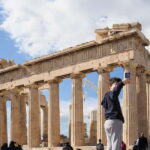
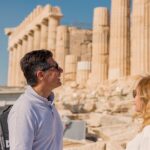
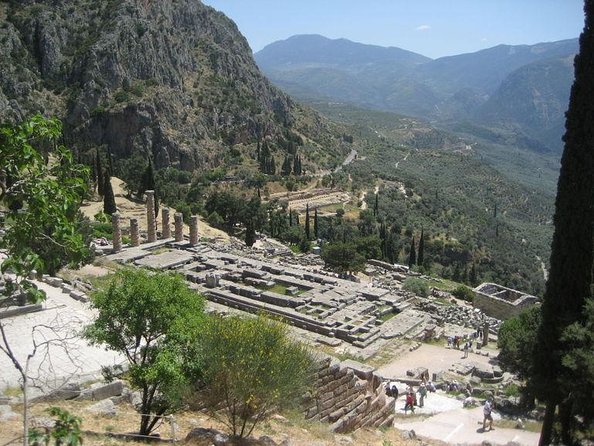
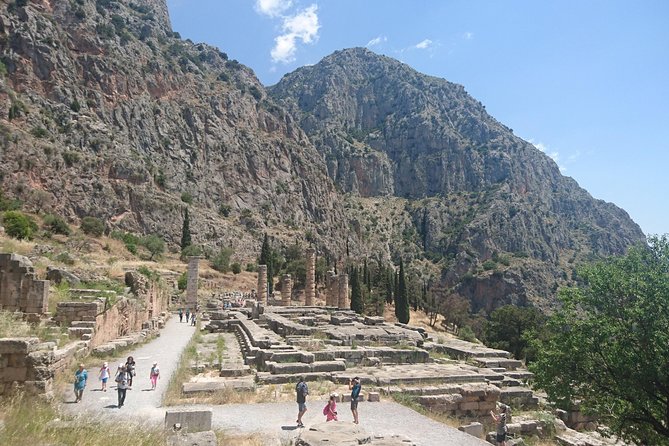
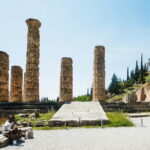
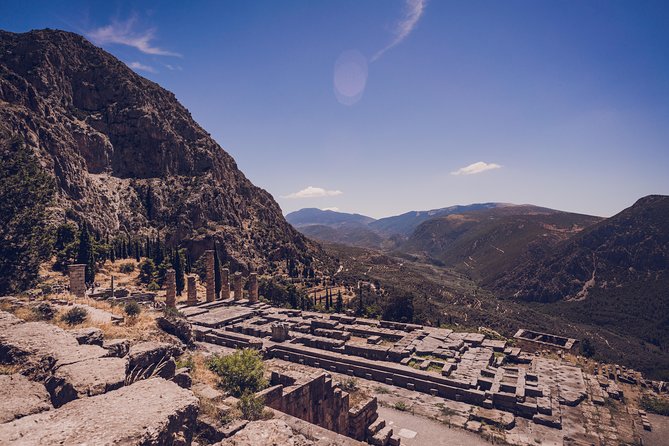
Once you arrive, you tour the Delphi Ancient Town on the slopes of Mt. Parnassus with a guide. The center of attention is the Temple of Apollo, but the real win is having someone explain how Delphi worked—religion, politics, and prestige all braided together in one place.
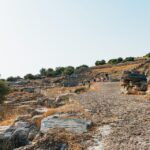
Plan for stairs and uneven surfaces. Delphi is not flat sightseeing. Wear shoes you trust, and bring water because even mild days can feel hot when you’re moving uphill.
A key logistics moment happens around 13:30: you switch buses and you switch guides for the Meteora half. That’s normal for an overnight route, but it also means your Delphi experience may feel like a complete guided “segment” rather than an all-day, uninterrupted deep walk.
Delphi timing reality check: what you may not have time for
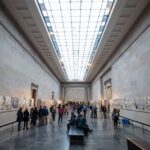
Here’s the tradeoff I’d flag: you’re touring Delphi with a guide, and the schedule is built to keep the overall program on track for the overnight. People have specifically noted that Delphi museum time can be limited or missed.
So if Delphi museum exhibits are a must-do for you, you’ll want to keep expectations grounded. Focus on the outdoor ruins first—Temple of Apollo area, terraces, viewpoints, and the big sense of place—then consider whether the museum is a bonus you might not get.
Lunch is not included, and it’s typically “own expense” during the gap. If you care about museum time, don’t assume you’ll have a long break that naturally supports it. You’ll be better off choosing one priority and moving with the group.
Kalambaka overnight: where you sleep (and why it helps)
After Delphi, the tour heads to Kalambaka. You get time to explore on your own before the included dinner and overnight stay. This is a smart part of the itinerary because Meteora is best with early entry and clear light, and you don’t want to arrive exhausted on day two.
The hotel is 3- or 4-star, but the exact property can vary. Some people are happy with the comfort and meal setup. Others mention the hotel being a bit far from the center, which matters if you like walking out for a casual evening stroll or quick snack.
Two practical points:
- Bring a light layer even in warmer months. Mountain towns can cool off at night.
- If you’re the type who likes a final dip after a hot day, note that one guest specifically called out a pool as a nice surprise. It’s not guaranteed information here, but it’s the kind of amenity that can make hotel time feel more restful.
Dinner and breakfast are included, which I appreciate. After a long drive and significant walking, you don’t want to spend mental energy deciding where to eat.
Also note the environmental fee: from 1/1/2025, there’s a €10 per room per night payment at the hotel. That’s not part of your tour price, so budget for it.
Day 2 Meteora: monasteries on the cliffs (and the dress rule)
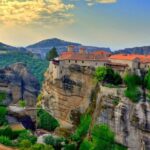
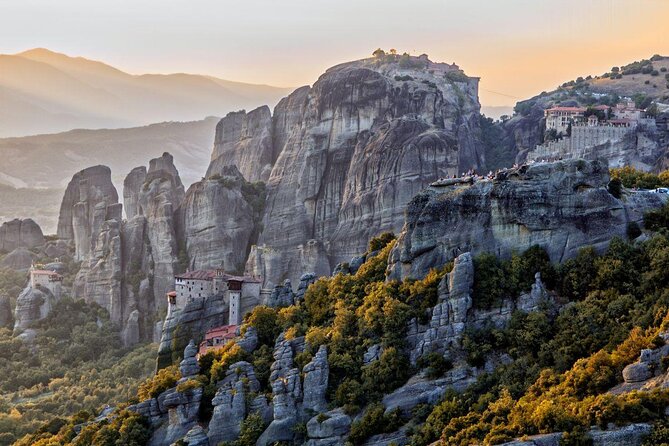
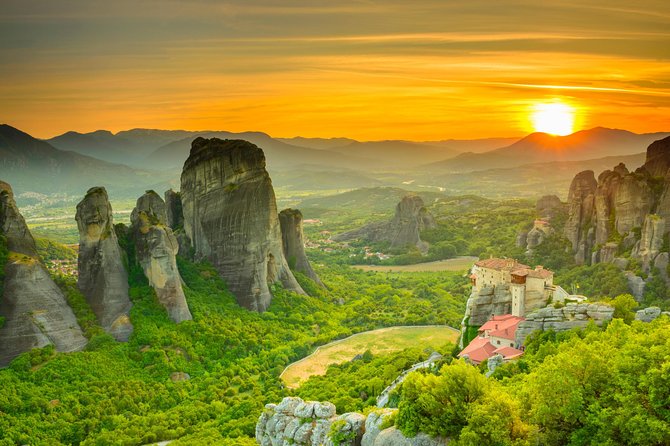
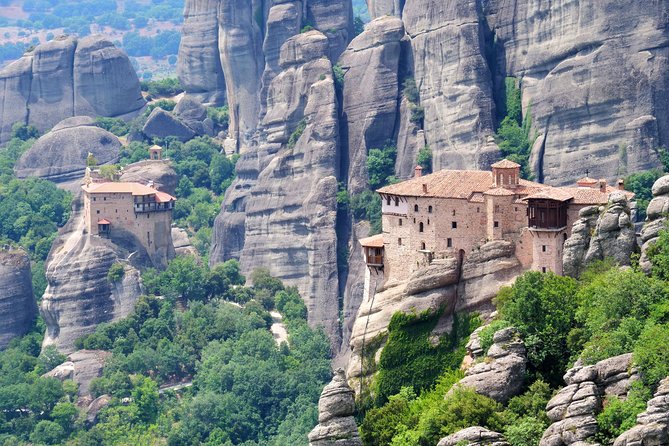
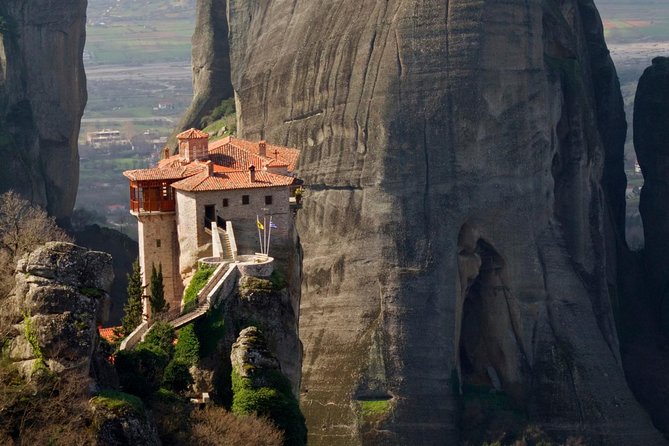
Day two is your Meteora morning. After breakfast, you go to the cliff-top monasteries for a guided tour of two of the UNESCO-listed sites. Meteora works because you see the rock formations and the monastery locations as a system—religion, isolation, and access all shaped by geography.
Expect steps. Even if the walks are manageable, you’ll be climbing to viewpoints and moving through areas with lots of stairs. Good shoes are non-negotiable.
The dress code is the one rule that can truly derail your day: no shorts or sleeveless tops. You must cover knees and shoulders for both men and women. If you show up outside the rules, you risk refused entry, so plan your clothing as part of your tour prep, not as a last-minute fix.
During Meteora, you’ll get guidance for what you’re looking at—people often mention how much more meaningful the visit feels when the guide explains the monastery world beyond the photos.
You can also read our reviews of more guided tours in Athens

Your free time in Kalambaka: lunch gap and timing
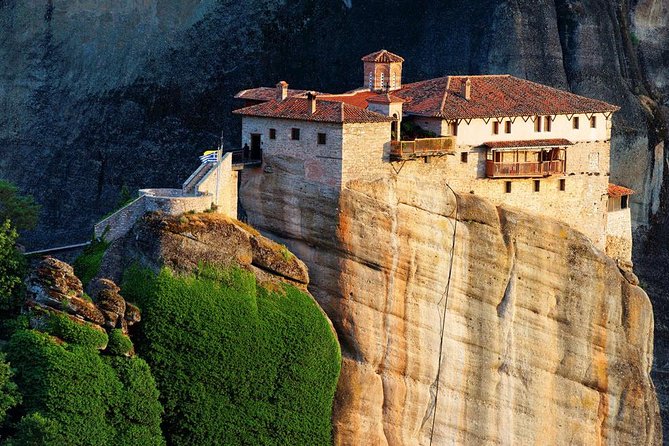
After the monastery visits, you get free time for lunch in Kalambaka. Admission tickets are included for the monasteries, but lunch is not included, so this is your personal-choice window.
This is also your time to reset: breathe, hydrate, and check your bearings. Meteora is visually overwhelming, and a lunch break helps you digest what you saw.
If you want extra photos, treat the free time as your buffer. The official guided window won’t always give you a slow, lingering pace—especially when you’re sharing viewpoints with other groups.
Transportation and comfort: the long Athens-to-Meteora road
This tour is built on big-distance travel. Expect a long bus ride from Athens, and plan your day around that reality rather than fighting it.
Good news: the vehicle is air-conditioned, and there’s Wi‑Fi on board. That matters because you’ll spend several hours in transit, and it’s nicer when the drive isn’t just you staring out at scenery.
One more practical note: if you’re a road-photo person, be ready for the possibility of tinted windows that can make photos harder from inside the vehicle. It’s not a universal issue, but it can happen, so don’t plan your shot list around perfect car-window views.
Restroom stops are part of the day. People have mentioned that the driver arranged good breaks, which is one of those boring details that makes the whole trip feel better.
Guides can make or break the day
The tour includes a professional guide, and guide quality shows up in the experience. Some Delphi groups specifically praised guides such as Evie for tying context together, while others felt the Delphi portion didn’t explain enough. Meteora also seems to hinge on guide style, with people praising Jordan-style enthusiasm in one case and others naming Joy, Xenia, or Avros as standout guides for clarity and patience.
So what can you do? You can’t control who you get, but you can control how you ask questions. When your guide stops to talk, lean in. If you’re the kind of traveler who likes history, this is the part of the tour where you’ll get the most mileage from your time.
If you’re not a “talker” type, it still helps to be present during the guided walk-through. Meteora especially rewards attention to small details—paintings, symbols, and the story behind the monastery names—even when you’re mostly there for the view.
Who this tour suits best (and who should consider alternatives)
This tour is a strong fit if you:
- Want to see Delphi and Meteora on one overnight route from Athens
- Appreciate a guide explaining what you’re seeing (instead of just reading signs)
- Are okay with long travel days in exchange for a packed UNESCO itinerary
- Can handle stairs and moderate walking
It may feel less ideal if you:
- Need a lot of unstructured time inside the Delphi museum
- Hate schedules and tight transitions between segments
- Are sensitive to hotel location (since Kalambaka properties can vary in how close they are to the town center)
- Have trouble meeting the monastery dress code
Should you book this Delphi and Meteora overnight from Athens?
If your goal is to check off two UNESCO heavyweights without arranging separate transportation and tickets, I think this tour is a good value. Delphi + Meteora are not a casual pairing, and the overnight in Kalambaka is the right compromise.
Before you book, be honest about the rhythm: you’ll spend real time on the road, and Delphi can be fast-paced. If museum time is your top priority, adjust expectations or consider a different plan that gives Delphi more room.
If you go in with comfortable shoes, a dress-code outfit ready for Meteora, and a flexible mindset about timing, you’ll likely come away with the kind of experience Greece is famous for—ancient sanctuaries on one side, and monasteries seemingly built into the sky on the other.
FAQ
How long is the Delphi and Meteora tour?
It runs for 2 days, with return to Athens on the second day around 19:00 depending on traffic.
What time is pickup in Athens?
Pickup starts between 07:30 and 08:15, and the tour departs at 08:30 from the meeting point.
Where does the tour start and what’s the meeting point?
The meeting point listed is near the Amalia Hotel Athens (Leof. Vasilisis Amalias 10).
What does the tour include for meals?
Dinner and breakfast are included. Lunch is not included.
Are entrance tickets included?
Yes. Entrance tickets are included for the Delphi archaeological site and for two Meteora monasteries.
Do I need to pay an environmental fee at the hotel?
Yes. From 1/1/2025, there’s an environmental fee of €10 per room per night paid at the hotel.
What’s the dress code for Meteora monasteries?
You must cover knees and shoulders. No shorts or sleeveless tops, and you could be refused entry if you don’t follow the rule.
Is this tour for people with limited mobility?
It requires moderate physical fitness due to walking and steps at the sites, especially around Meteora and Delphi.
How many monasteries will you visit at Meteora?
You visit two monasteries during the guided portion.
Is there a child price policy?
Yes. Children aged 5 to 12 need a passport or ID for the discounted price; otherwise they may need to pay entrance tickets to the archaeological sites or museums.
You Might Also Enjoy


More Tickets in Athens
More Tours in Athens
More Tour Reviews in Athens
- All Day Cruise -3 Islands to Agistri,Moni, Aegina with lunch and drinks included
★ 5.0 · 4,958 reviews