REVIEW · ATHENS
Athens: Greek Food Tasting and Market Walking Tour
Book on GetYourGuide →Operated by Αthens Food on Foot · Bookable on GetYourGuide
Food here moves fast.
This Athens tour puts you on foot in Psyrri, sampling street-level snacks and shop-bought favorites before you step into the big-food theater of Varvakios Market. What I like is that you don’t just hear about Greek cooking. You taste it, then get the context for why each bite matters.
My other favorite part is the mix of stops: flaky spanakopita, homemade dishes, and then a slower, nerdy-sweet detour into mastic products before ending with meze and a Greek spirit. One possible drawback: there’s at least one reported case where the guide didn’t arrive, so double-check your meeting details and be ready to adjust if the start location changes.
In This Review
- Key highlights I’d plan my day around
- Why Psyrri is the right start for an Athens food mission
- 18+ tastings: from koulouri to spanakopita in real shopfronts
- Varvakios Market: where ingredients become the story
- Mastic shop stop: a small ingredient with big personality
- Meze and a Greek spirit: the wrap-up that feels like an ending
- Price and value: is $93 a good deal for 4 hours?
- What to bring (and what can surprise you)
- Who this tour suits best in Athens
- Booking reality check: a fast call on whether to go
- FAQ
- How long is the Athens Greek Food Tasting and Market Walking Tour?
- What does the tour include?
- What is the price per person?
- Where does the tour start?
- Can the meeting point change on a bank holiday?
- What languages is the live guide available in?
- Is the tour wheelchair accessible?
- Is hotel pickup and drop-off included?
- Does the tour run in bad weather?
- How many dishes will you taste?
Key highlights I’d plan my day around
- 18+ Greek tastings in about 4 hours, so you get value without spending your whole trip in line
- Psyrri street strolls that feel like daily Athens, not a museum circuit
- Varvakios Market access plus guided eating stops that connect ingredients to finished dishes
- Mastic shop learning with a chance to understand what makes this product distinct
- Meze + a popular Greek spirit in a traditional restaurant setting at the end
Why Psyrri is the right start for an Athens food mission
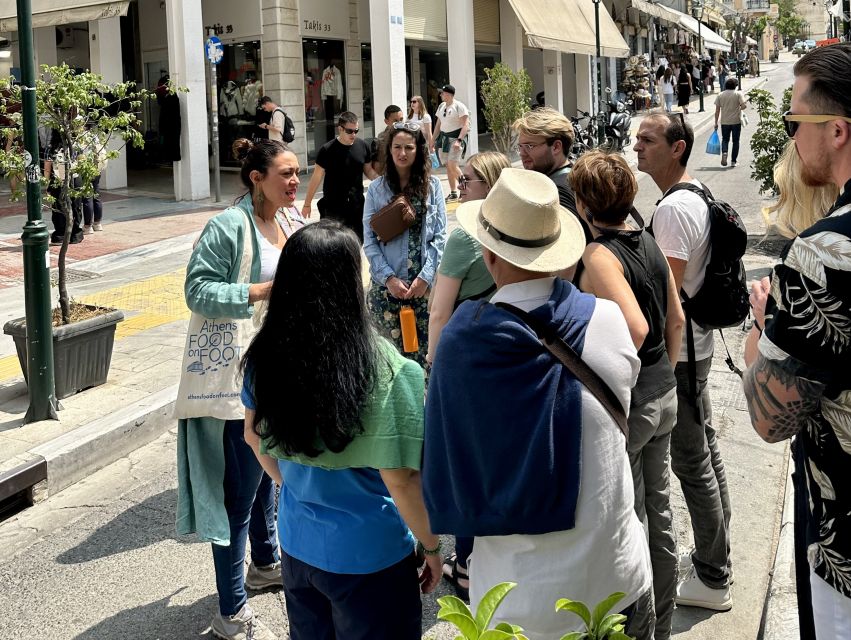
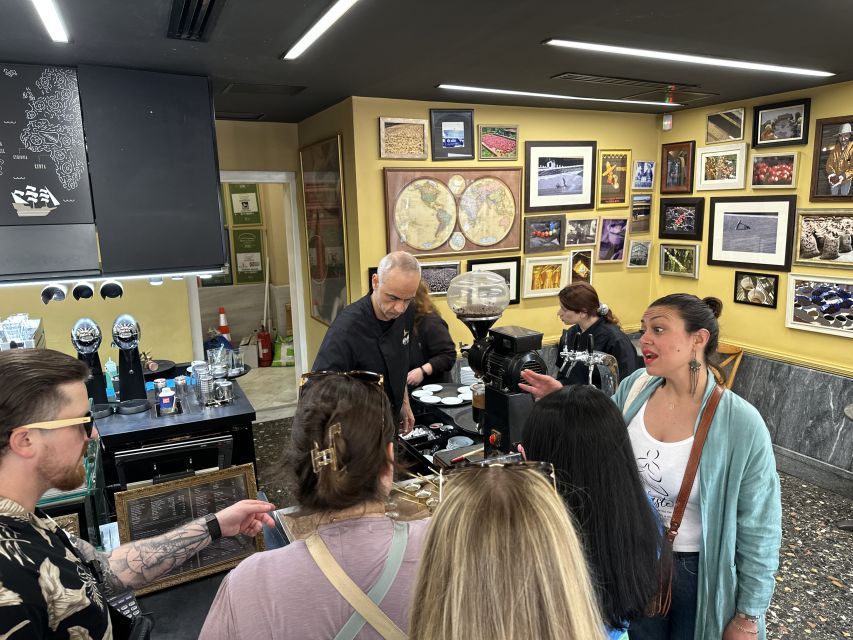
I love food tours that begin in a neighborhood where locals actually run errands. Psyrri is ideal for that. You start with a leisurely walk through narrow streets in an area that’s known for its food scene, so the first minutes already feel like you’ve landed in the daily rhythm of Athens.
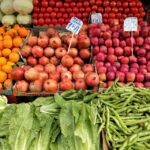
Your first tastes are classic and easy to recognize. You’ll begin with Greek coffee along with a koulouri, the sesame-ring snack that shows up everywhere in Athens. It’s a smart opening because it cues you into the flavors and textures you’ll keep seeing: herbs, cheese, olive oil, and baked dough made to be eaten on the go.
This is also where the walking part earns its keep. You’re not stuck at one counter. You’ll pass food stores and local-style shops as you go, which helps you understand what kinds of places sell what, and why Athenians tend to eat in different “moments” during the day—snack first, then a meal, then another bite later.
If you’re worried about crowding or walking stamina, plan on comfort from the start. This tour is built around moving between stops, so wear shoes you trust.
You can also read our reviews of more walking tours in Athens



18+ tastings: from koulouri to spanakopita in real shopfronts
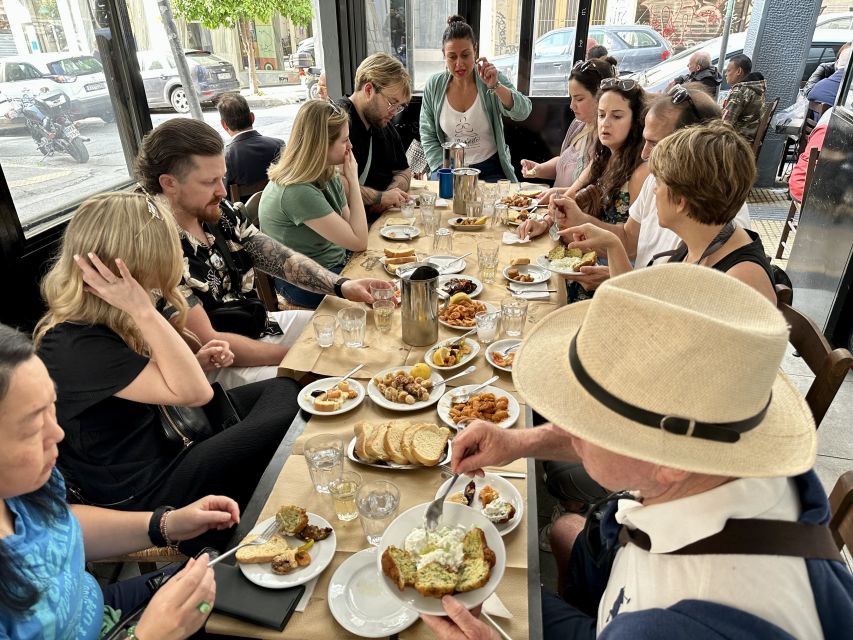
The pace stays friendly but consistent. Right after coffee and koulouri, you’ll head into a cluster of delis and specialty shops where you sample traditional bites. One highlight is the savory spanakopita, the spinach pie made with flaky phyllo dough and filled with spinach and feta cheese.
Here’s why that stop matters: spanakopita isn’t just a tasty item. It’s a window into Greek pastry thinking. The phyllo texture is part of the point—thin layers that turn crisp and shattery rather than heavy. When you taste it in a shop setting, you also get the sense of how the dish is usually sold and eaten, not just how it’s described.
You’ll also sample other local edibles across multiple stops. The goal is variety, so you’re likely to notice patterns as you go: salty cheese showing up in more than one form, herbs and greens doing their quiet work, and olive oil as the background player that ties things together.
The guide plays a key role here. A good guide helps you connect ingredients to culture: how food fits into neighborhood life, how certain recipes became go-to comfort foods, and what you should look for if you want to recreate the flavors later at home.
Pro tip for your taste memory: try to slow down for each bite. If you rush, you miss the differences between phyllo crunch, filling richness, and the way sauces (or no sauce at all) change the experience.
Varvakios Market: where ingredients become the story
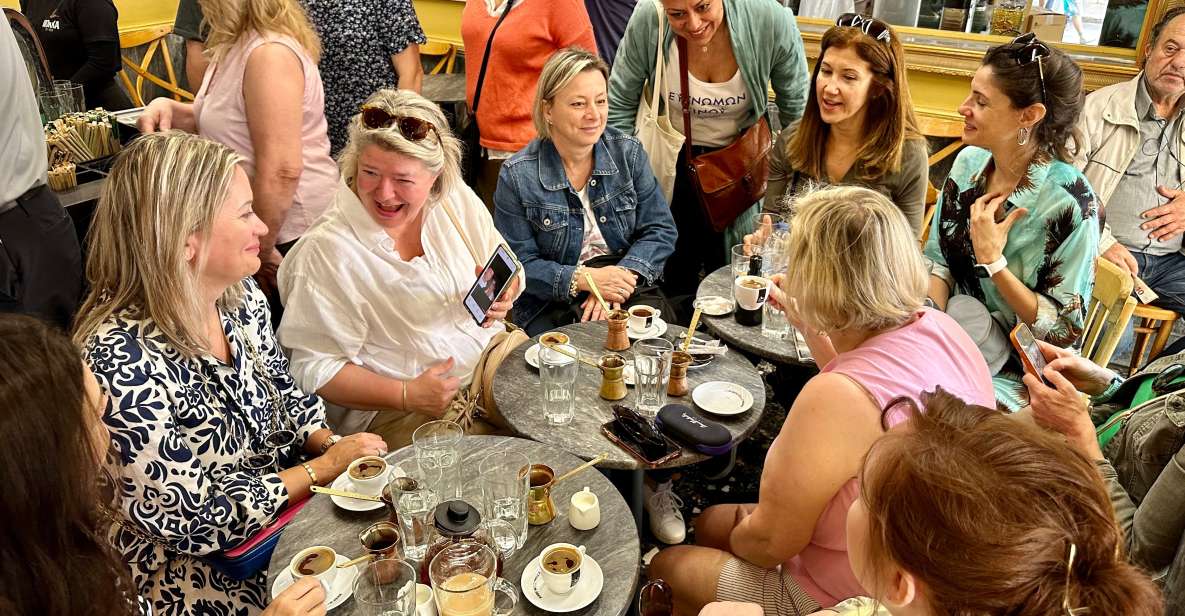
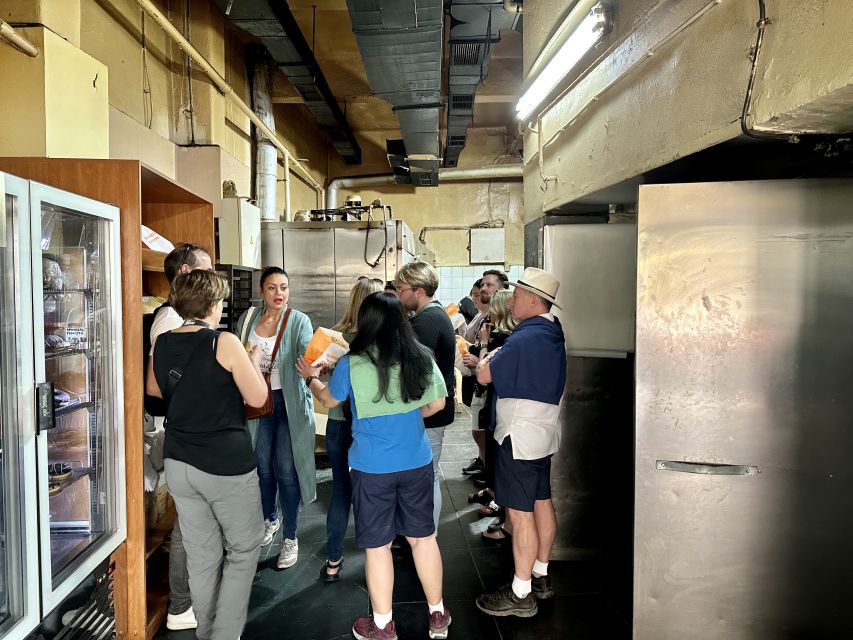
After Psyrri’s snack-start, the tour takes you to the Varvakios market area, a place known for meat, fish, and poultry. Even if you don’t love markets for their noise alone, you’ll likely appreciate what this stop does for your understanding of Greek food.
Seeing ingredients up close changes the way you think about the later tastings. When you taste food after being in the market environment, you can connect the dots. You stop imagining dishes as abstract recipes and start understanding them as decisions—what’s fresh, what’s seasonal, and what local families buy for everyday meals.
Inside, you’ll stop at an eatery and taste homemade-style Greek dishes. From what’s included, expect items like stuffed tomatoes and peppers, fresh sardines, and moussaka. That’s a great spread because it ranges from vegetable-forward comfort to fish flavor to baked casserole satisfaction.
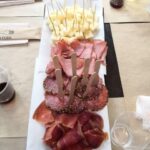
Then you’ll layer in more tasting variety: cheese, cured meats, olives, natural olive oil, dry fruits, and nut mixtures. This part is more than “more food.” It’s where you learn how a Greek meal often gets built—pieces that can stand alone, plus a few flavors that make everything taste more complete together.
If you’re the kind of eater who wants to know what to buy later, this stop is your cheat sheet. After tasting olive oil next to olives and cheese, you’ll understand why Athenians treat oil like a core ingredient rather than a finishing touch.
One consideration: markets can be active and sensory. If you’re sensitive to smells or tight spaces, keep breathing easy and stick close to your guide. The tour will keep you moving, but you’ll still be in real market conditions.
Mastic shop stop: a small ingredient with big personality
Then comes a different tempo. You’ll visit a small mastic shop where you learn about many organic products made from mastic. Mastic is one of those ingredients that feels uniquely Greek, and this stop helps you understand it beyond marketing.
Why this matters on a food tour: once you taste mastic-related products (or at least learn how they’re made and used), you start seeing how Greek cuisine isn’t only about savory classics. It also has signature flavors in the sweets and specialty items.
This is also one of the more practical stops, because mastic products are the kind of thing you can pack for later. I like these “bring it home” elements on food tours. They turn your tasting day into something you can keep using, not just remember.
Since the tour includes learning time, you’re not just walking past a store. You’ll get the context for what makes mastic worth seeking out, which is helpful if you plan to shop afterward.
Meze and a Greek spirit: the wrap-up that feels like an ending
The final stretch moves toward a quiet, traditional Greek restaurant. This is where you get to slow down after the market energy and the shop-to-shop sampling.
You’ll enjoy a popular Greek spirit along with meze—appetizers that keep the flavors coming in smaller, shareable rounds. This ending works because it mirrors how Greek eating often flows. Even if you’ve already had plenty, the last meal-style stop lets you tie your tastes into a cohesive experience.
If you’ve been mentally cataloging flavors (and you should), meze is the moment to notice how items harmonize. Salt and fat from cheese and cured meats, bright notes from olives and oils, and the comfort factor from baked dishes. The spirit adds another layer of contrast, so the last bites don’t blur into a single long snack.
This is also a good place to ask your guide for practical advice. Questions like what to order in a restaurant, what to look for in a shop, and what you should try if you only have one extra food day in Athens are perfect for the final stop.
You can also read our reviews of more food & drink experiences in Athens





Price and value: is $93 a good deal for 4 hours?
At $93 per person for a 4-hour walking experience, you’re paying for three things: guided walking, tastings, and the local routing between food stops. The value makes sense when you think about how expensive a “tasting day” can get if you try to DIY it—multiple purchases, no context, and time lost figuring out where to go next.
This tour includes the guide and the food tasting, which is the big win. You’re not just wandering Psyrri and hoping for good luck. You’re being led from one tasting moment to the next, in a way that builds toward Varvakios and then finishes with meze and a Greek spirit.
No hotel pickup means you should plan on getting yourself to the meeting point comfortably. That can lower the cost, but it shifts one small responsibility to you. If you’re staying far from central Athens, give yourself buffer time.
As for what you get: more than 18 dishes is substantial in a single afternoon. Plus, you’re tasting across sweet-snack, pastry, savory meals, and packaged-style favorites like olive oil and cured items. That range is usually the difference between “a few bites” and a genuinely useful food education.
What to bring (and what can surprise you)
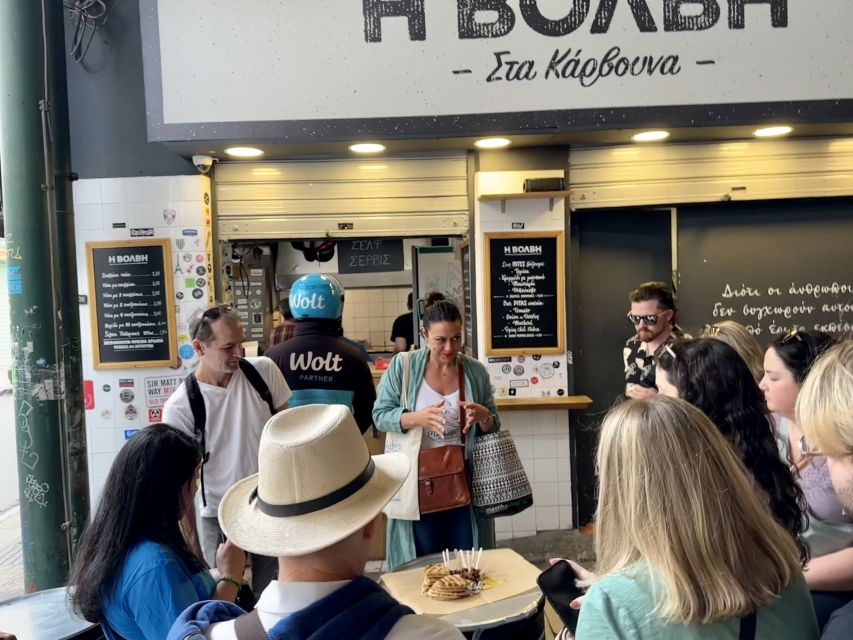
This kind of tour is won or lost on comfort. Wear comfortable shoes because you’ll be on your feet for the full walking loop. Bring a hat and sunscreen for daytime sun, even if you think you’ll be shaded between stops.
Also: the tour runs in rain. That’s great for planning reliability, but it does mean your route and your clothing choices matter. Light rain gear or a rain-friendly outer layer can make the difference between enjoying the day and rushing through it.
Meeting points can vary by option, and on a bank holiday the start may shift to Acropolis metro station. Before you leave, confirm your exact meeting location for your day. One small location change can throw off the first 15 minutes, and that’s when it’s easiest to feel stressed.
Who this tour suits best in Athens
This works especially well if you:
- want a food-focused way to see central Athens without building a route from scratch
- like markets and food shops, not just restaurants
- want to taste both savory classics and specialty items (like mastic-related products)
- prefer guided context so your tasting becomes learning, not random sampling
I’d consider skipping if you:
- dislike walking or tight spaces in market zones
- want mostly museum stops or big sightseeing rather than eating
- have very strict dietary needs not mentioned in the provided details (you’ll need to check directly with the operator)
Wheelchair accessibility is listed, which is good news for mobility planning. Still, because it’s a walking tour, it’s wise to ask about the specific walking surfaces and pacing before booking.
Booking reality check: a fast call on whether to go
I’d book this tour if you want a solid Athens food sampler that includes real market energy and multiple tastings, all within 4 hours. The variety—spanakopita, homemade plates like stuffed tomatoes and peppers, sardines, moussaka, plus cheese, cured meats, olives, olive oil, nuts, and sweets—makes the day feel worth the price.
I also like that the tour doesn’t stay stuck in one type of food. It connects street snacks to market ingredients, then ends with a sit-down meze moment. That structure helps you remember what you tasted and why it fits Greek cooking.
Just keep one practical caution in mind: there has been at least one reported issue of a guide not arriving on a booking. That’s not common, but it’s enough to make me tell you to double-check your confirmation and be at the meeting point with time to spare. If your start location shifts on a bank holiday, confirm it ahead of time.
FAQ
How long is the Athens Greek Food Tasting and Market Walking Tour?
It lasts 4 hours.
What does the tour include?
You’ll get a walking tour, a guide, and food tasting.
What is the price per person?
The price is $93 per person.
Where does the tour start?
The meeting point may vary depending on the option booked.
Can the meeting point change on a bank holiday?
Yes. The meeting point might change to Acropolis metro station in case of a bank holiday.
What languages is the live guide available in?
The live tour guide is available in English and German.
Is the tour wheelchair accessible?
Yes, the tour is listed as wheelchair accessible.
Is hotel pickup and drop-off included?
No, hotel pickup and drop-off are not included.
Does the tour run in bad weather?
Yes, the tour will take place in case of rain.
How many dishes will you taste?
You’ll taste more than 18 authentic Greek dishes.
You Might Also Enjoy


More Walking Tours in Athens


More Tours in Athens


More Tour Reviews in Athens
- All Day Cruise -3 Islands to Agistri,Moni, Aegina with lunch and drinks included
★ 5.0 · 4,958 reviews