REVIEW · ATHENS
Athens: Early Morning Guided Tour to Acropolis and Museum
Book on GetYourGuide →Operated by Key Tours · Bookable on GetYourGuide
Sunrise at the Acropolis changes your whole mood. This early-morning guided walk gets you onto Acropolis Hill at first light, then continues into the Acropolis Museum so you connect the ruins to the artifacts that explain them.
I love the way the tour turns famous stones into stories you can actually picture—myths of Athens, ancient drama at the Theatre of Dionysus, and quick context at every key viewpoint. Guides like Irene and Petros get named again and again for making the facts easy to follow without turning it into a lecture.
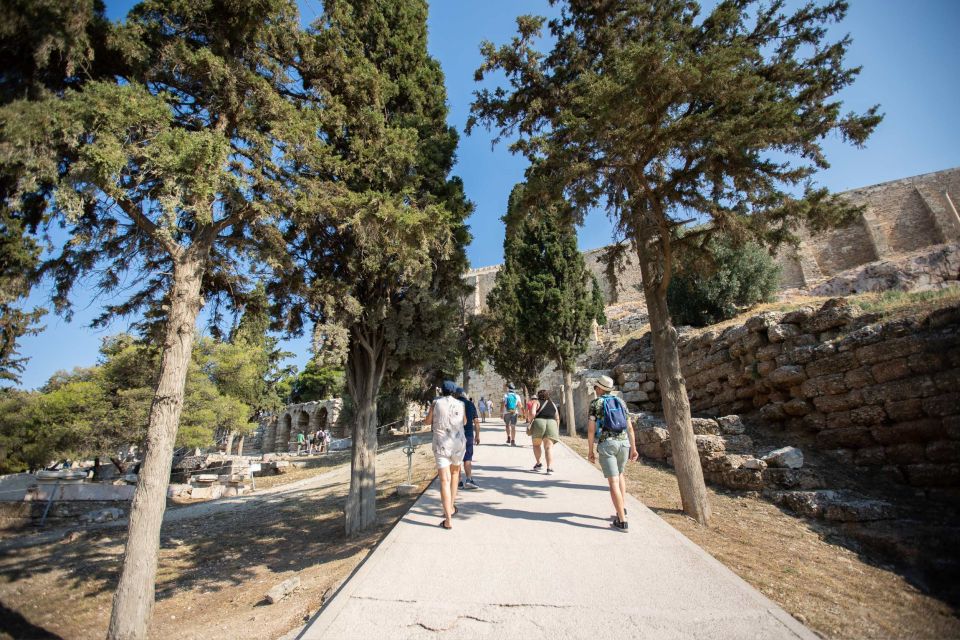
One consideration: the route is a moderate, uphill workout on uneven and sometimes slippery marble, so you’ll want good shoes and a realistic pace—this isn’t built for wheelchair users or mobility impairments.
In This Review
- Quick hits worth knowing
- Why early access to the Acropolis Museum combo matters
- Walking route from Hadrian to Dionysus: the story starts before the Parthenon
- Arch of Hadrian (10 minutes)
- Theatre of Dionysus (15 minutes)
- Odeon of Herodes Atticus (10 minutes)
- Propylaea (15 minutes) and the approach feel
- Propylaea to Athena Nike to the Parthenon: your main highlights, paced
- Temple of Athena Nike (5 minutes)
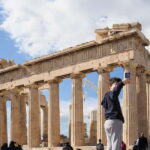
- Parthenon (30 minutes)
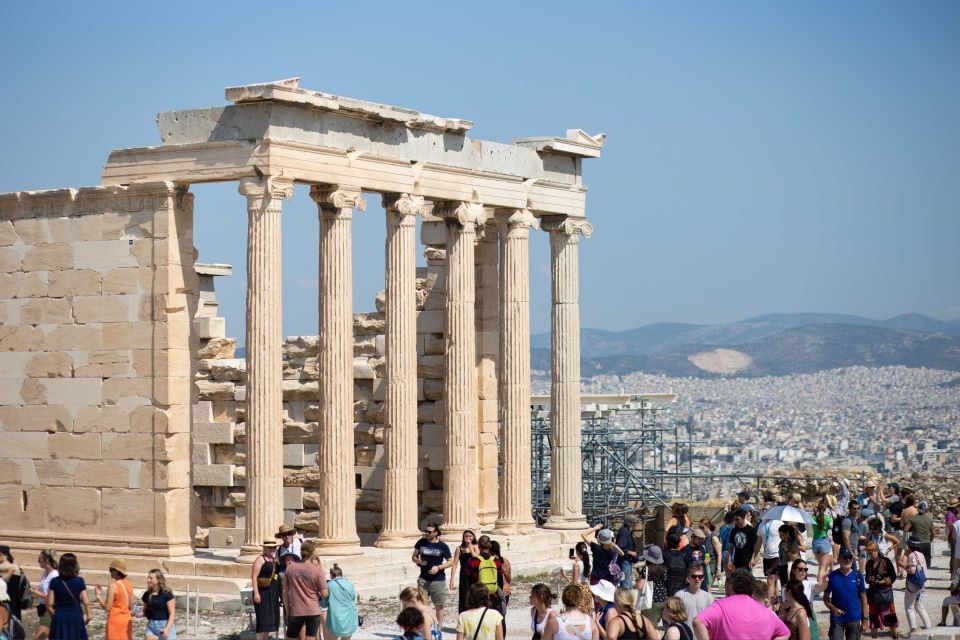
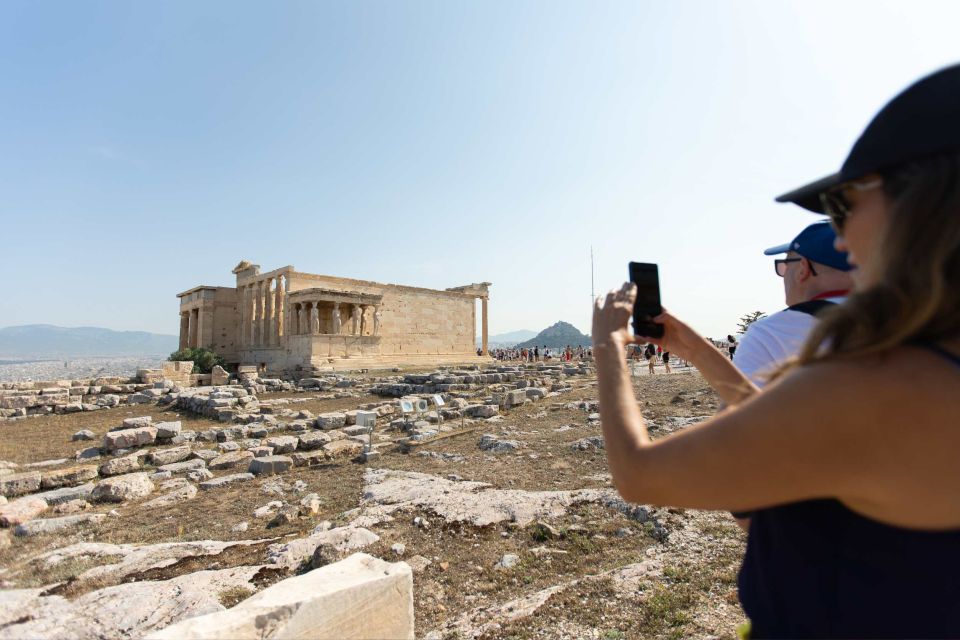
- Erechtheion (10 minutes)
- Acropolis free time and photo stop (30 minutes)
- Dionysiou Areopagitou walk: capturing the city beyond the stones
- Acropolis Museum in 90 minutes: originals, natural light, and context you’ll keep
- What the museum experience gives you
- A practical note about museum access
- Audio devices, guide pacing, and why guide names show up again and again
- Price and value: what $35 buys (and what it doesn’t)
- What to bring, plus the small rules that can slow you down
- Who should book this early Acropolis tour
- Should you book this Acropolis and Museum morning tour?
Quick hits worth knowing
- First-light entry helps you avoid the worst crowd crush and heat.
- You get a licensed guide plus an audio device, so you won’t miss the small-but-important details.
- The walk is structured: Dionysus sites, then Propylaea, then the Parthenon area, then the museum.
- The Acropolis Museum uses natural light and shows original pieces recovered from the slopes.
- There’s a photo/view break near the top—use it, because the city looks different from every angle.
Why early access to the Acropolis Museum combo matters
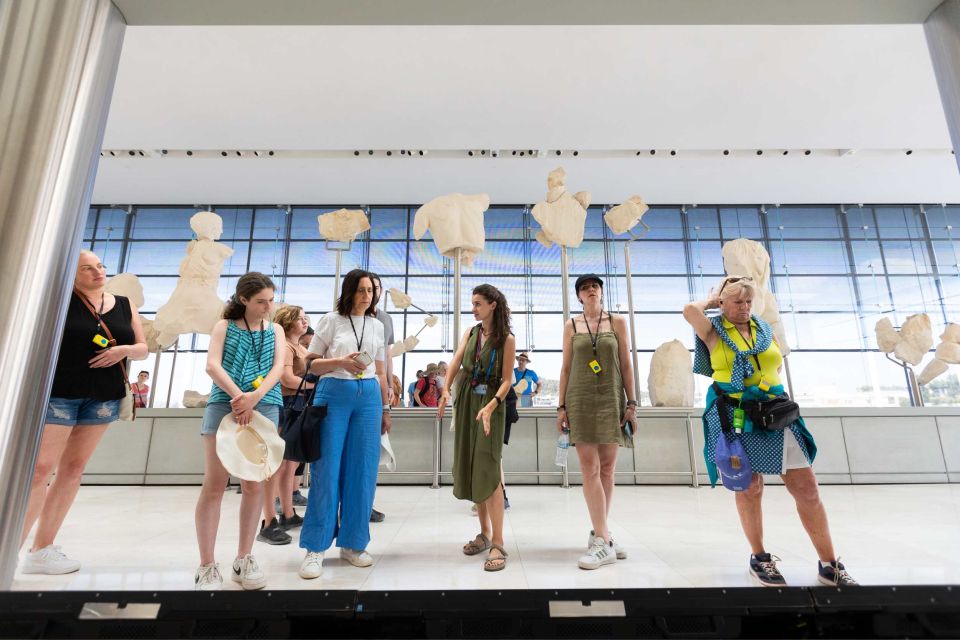
The Acropolis is one of those places where the timing really decides how enjoyable it is. In the middle of the day, you’re fighting sun, sweat, and the slow shuffle of a crowd trying to photograph the same corner. Going early means you see the hill before it’s overrun—and the Parthenon and surrounding structures feel less like a checklist and more like a dramatic setting.
This tour pairs the ruins with the museum for a practical reason: you don’t just “see” the Acropolis, you learn what you’re looking at. The guide connects myths, politics, and architecture while you’re standing on the ground those stories shaped. Then you move into the Acropolis Museum, where artifacts from the Acropolis slopes help you place the sculpture and daily realities behind the big monuments. It’s a smart sequence, and it keeps you from forgetting everything the moment you step back down.
You can also read our reviews of more guided tours in Athens


Walking route from Hadrian to Dionysus: the story starts before the Parthenon
You meet at a starting location that can vary by option, then the tour walks in with a plan. It’s not just “walk uphill and hope for the best.” The route layers the Acropolis experience so you understand Athens as a living, evolving place.
Here’s the flow you can expect, and what each stop helps you notice:
Arch of Hadrian (10 minutes)
This is a quick introduction segment that helps set context for the larger Athens story. You’re not climbing to the Parthenon yet—you’re getting bearings so the hill doesn’t feel like a random collection of ruins.
Why it helps: it gives your brain a framework before you hit the main spine of the site.
What to watch for: it’s a short stop, so listen for what your guide says will matter later.
Theatre of Dionysus (15 minutes)
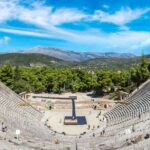
Then you shift into ancient drama territory. The Theatre of Dionysus is where you start thinking about performance, civic life, and religious festivals—not just temples and kings.
The tour’s description points you to the Dionysus Sanctuary and Dionysus Theater area, with the guide explaining ancient drama. That’s a key difference between “I saw a theater” and “I get what this theater meant.”
Why it helps: you learn how culture worked in ancient Athens, not just what the buildings looked like.
Odeon of Herodes Atticus (10 minutes)
This is another stop that keeps the theme of public life and performance going. It also gives you a sense of how the Acropolis wasn’t only sacred space—it had social energy too.
Possible drawback: since these theater-related stops are smaller in footprint than the Parthenon, if you’re expecting nonstop wow moments, you’ll need to lean on the guide’s storytelling to keep it engaging.
You can also read our reviews of more museum experiences in Athens
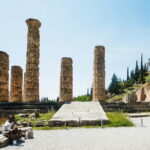
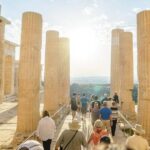


Propylaea (15 minutes) and the approach feel
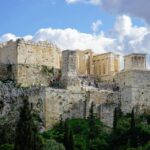
When you reach the Propylaea, you’re at the ancient marble gate that frames the entry to the Acropolis. This is a “turning point” in the route: once you’re passing through, the Parthenon area feels closer, more intentional, and more monumental.
Tip for photos: aim to take your first wide shot here—this is the moment you start seeing the geometry of the hill and how it shapes views.
Propylaea to Athena Nike to the Parthenon: your main highlights, paced
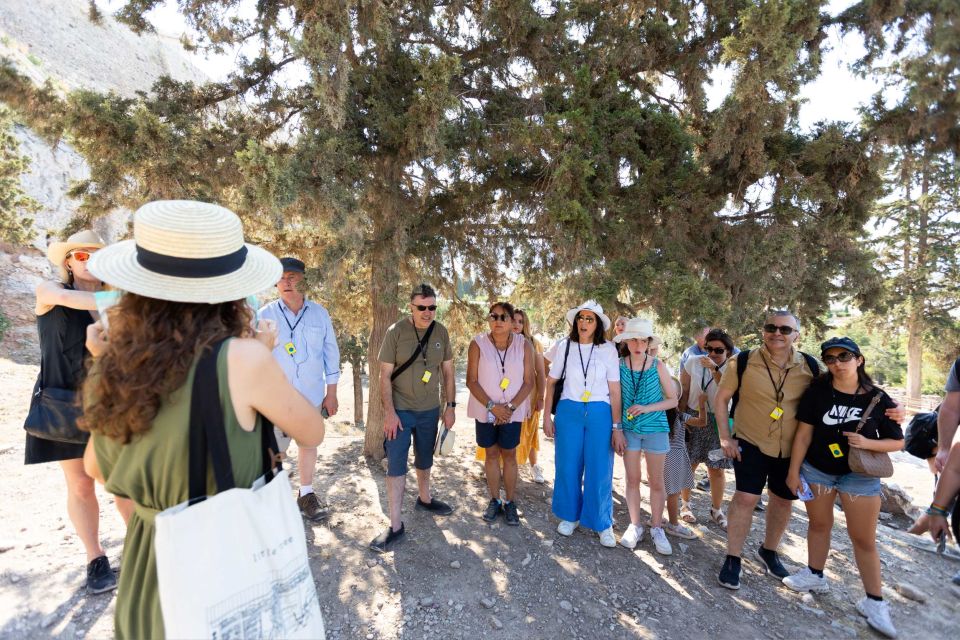
After the gate, the tour works through the tight cluster of icons, with short walks that keep energy up without turning your legs into soup.
Temple of Athena Nike (5 minutes)
This stop is brief, but it matters. You’re told it was dedicated to Athena, linking wisdom, war, and civic pride.
Why it matters for you: it’s a fast mental switch—from “we’re walking through ruins” to “we’re reading religious and political signals in stone.”
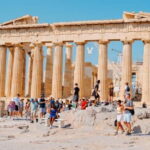
Parthenon (30 minutes)
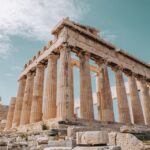
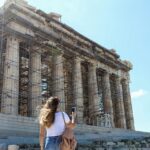
This is the headline. You get a guided visit and time to take in the building up close.
What’s useful here is how the guide explains dedication to Athena and ties the structure to what ancient Athenians wanted to project: power, identity, and belief, all at once. The Parthenon doesn’t land as a random landmark when you understand why it was built and what it signaled.
Photo strategy: use the time to shoot from multiple angles rather than one perfect front view. The light changes quickly, and the details reward you when you slow down.
Erechtheion (10 minutes)
Next comes the Erechtheion, another iconic piece of architecture. Even with less time than the Parthenon, it’s worth your attention because it’s where the Acropolis shows variety in form and function.
Why it helps: it breaks the single-monument mindset. The Acropolis isn’t one building—it’s an ensemble.
Acropolis free time and photo stop (30 minutes)
You get a break time and photo stop near the top. This is your window to breathe, look out over Athens, and take the photos you actually want.
What to do during the break: don’t just point your camera at the skyline. Look down at how the ruins sit on the hill. That tiny shift—from “ruins are backdrop” to “ruins are engineered on terrain”—is where it starts to click.
Dionysiou Areopagitou walk: capturing the city beyond the stones
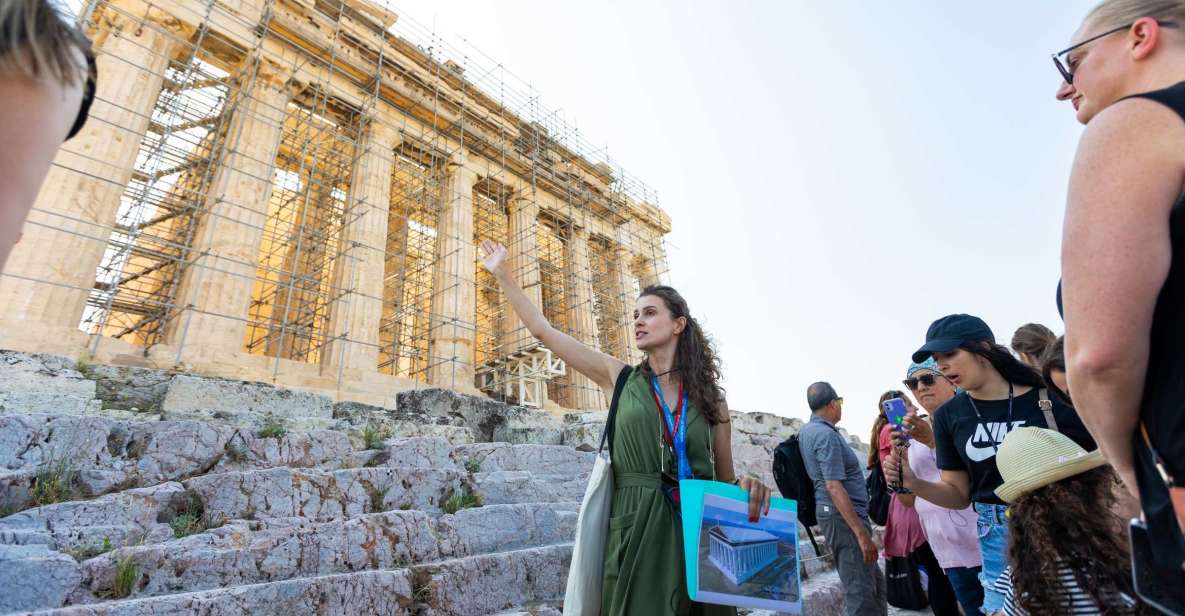
After the top area, the tour moves along Dionysiou Areopagitou (15 minutes). This portion is about keeping the visit connected to Athens itself. You’re transitioning from the sacred high ground back into the real city around it.
Why it’s useful: it helps you remember that ancient Athens wasn’t isolated. The hill was central, and the surrounding streets and viewpoints influenced how people experienced the monuments day to day.
Acropolis Museum in 90 minutes: originals, natural light, and context you’ll keep
Now the tour makes its best case for being booked as a guided package. The Acropolis Museum is where the Acropolis stops being just a viewpoint and starts becoming an understandable “collection.”
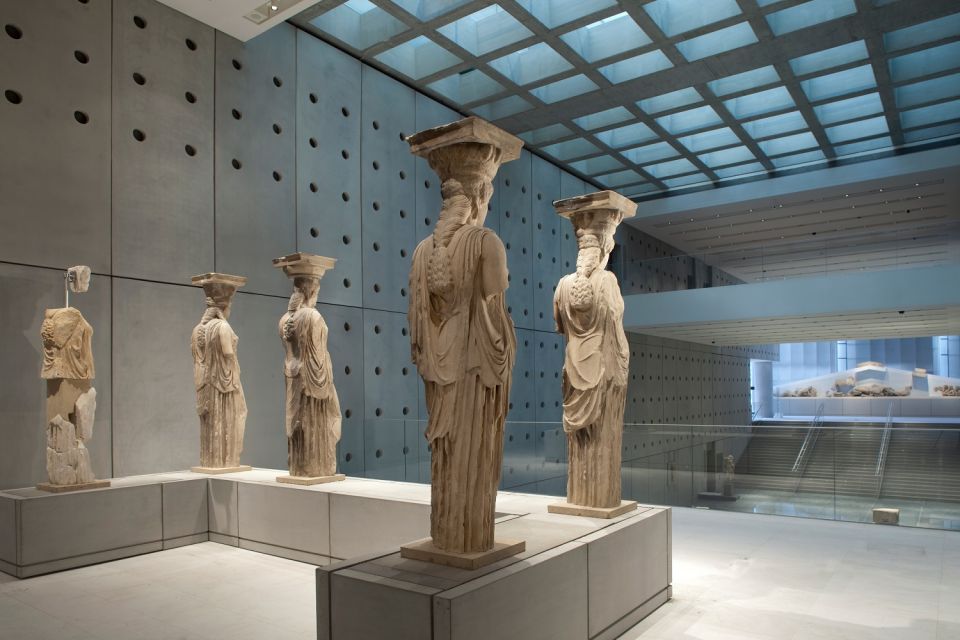
You spend 1.5 hours inside, with a guided visit through four galleries.
What the museum experience gives you
- Natural light presentation: the tour notes that original surviving masterpieces from the temples are displayed using light in a way that helps you see them clearly.
- Artifact context: you’re shown archaeological treasures retrieved from the Acropolis slopes, including items dating to pre-historic times.
- Excavations under glass floors and walkways: you can see excavation areas without guessing what’s going on.
That combination matters because it reinforces cause-and-effect: the Parthenon doesn’t exist in isolation. It’s linked to the people who built it, the materials used, and the changing history of the hill.
A practical note about museum access
One specific issue showed up in the supplied feedback: some visitors weren’t able to access certain excavation areas at the museum because they didn’t hold an individual ticket. The tour description does mention excavations visible under glass floors and walkways, but if access to a special section matters to you, you should confirm what’s included with your exact option before you go.
My advice: if you’re the type who cares about every accessible floor level and glass-covered trench view, ask your operator at booking time what portions are covered under the guided museum visit you’re buying.
Audio devices, guide pacing, and why guide names show up again and again
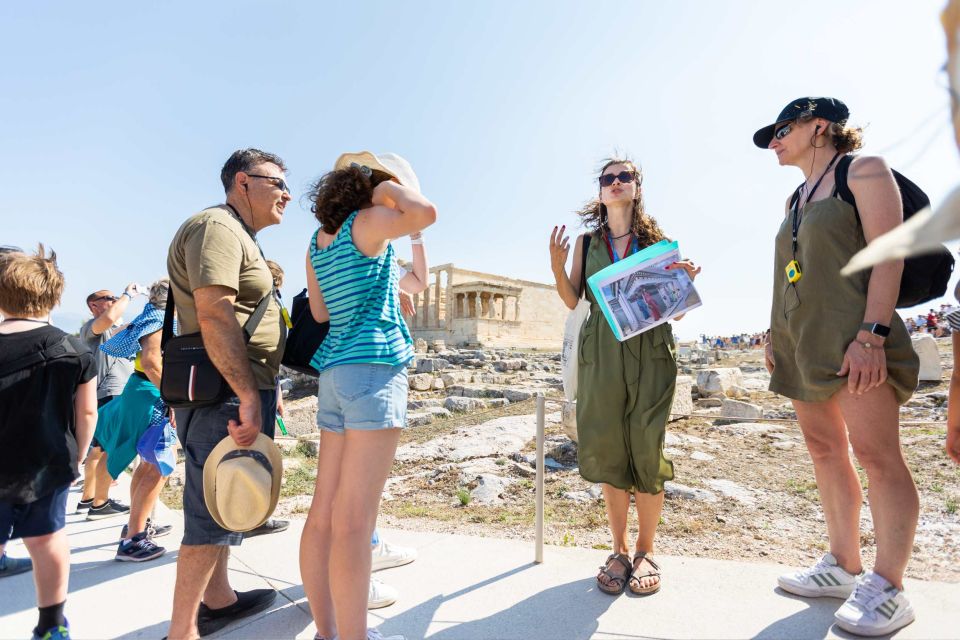
This tour includes a professional and licensed guide, plus an audio device so you can follow along even in crowded, echo-prone spots. In the feedback, guides like Irene, Eirini, Chrysa, Kirin, Margarita, and Petros are repeatedly highlighted for being energetic and for answering questions in a way that keeps the group moving.
That sounds like “nice guide” talk until you connect it to the reality of the sites. The Acropolis is big. Distances feel longer than they look on a map. And if you don’t get a framework early, it can turn into a blur of impressive stone without understanding what each structure meant. Strong guiding makes the difference between photos and learning.
Also, the pace seems carefully managed. Several mentions point out that breaks and timing help you avoid constant hiking uphill without relief—an important detail for a 4-hour walking tour in real sun.
Price and value: what $35 buys (and what it doesn’t)

At about $35 per person for a roughly 3.5-4 hour tour, the value mainly comes from what’s included:
- Early morning access to the Acropolis and Acropolis Museum
- A professional, licensed guide
- Skip-the-ticket-office line if your chosen option includes it
- Entrance fees to the Acropolis if you select that option
- Audio devices
What’s not included is also important: food and drinks, and hotel pickup/drop-off.
So the value math is simple: you’re paying to compress the “how” of visiting (timing, entry process, interpretation, and logistics) into one organized morning. If you’d otherwise spend time figuring out entry timing and ticket lines on your own, the guided format often feels cheaper than it looks.
When it’s especially worth it: if it’s your first trip to Athens or you want the sites explained in plain language rather than reading everything off a phone app.
What to bring, plus the small rules that can slow you down
This is a walking tour with a steep climb and uneven surfaces. Pack for comfort and clarity.
Bring:
- Passport or ID card
- Comfortable shoes (good grip helps)
- Sun hat
- Water
Don’t bring:
- Pets
- Baby strollers
- Luggage or large bags
And take the “moderate difficulty” note seriously. Even if you’re fit, the combination of steps, slippery marble, and early-day sun can feel harder than you expect. The tour is designed to keep you safe and together, but your job is to come prepared.
Who should book this early Acropolis tour
I think this tour is a great match if:
- You want early access to dodge crowds and heat.
- You’d rather learn the myths and architectural meaning with a guide than wander in isolation.
- You like seeing how the museum materials connect back to what you saw outside.
You might want a different plan if:
- You use a wheelchair or have mobility impairments.
- You know you struggle with uphill walking on uneven stone for an extended stretch.
- You want a fully self-paced experience with no fixed stops (this is guided and structured, even with breaks).
Should you book this Acropolis and Museum morning tour?
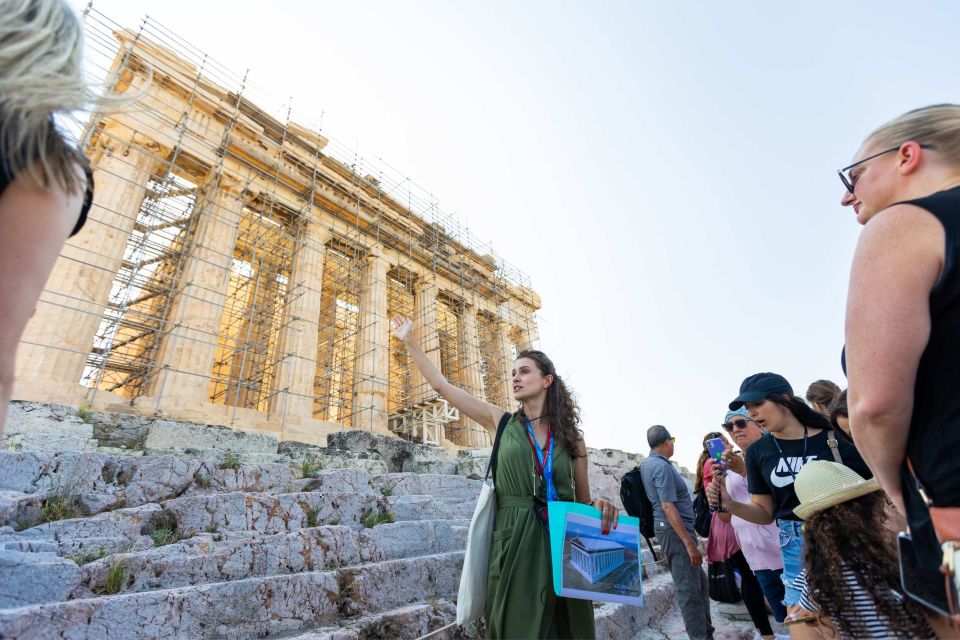
If you want your Acropolis visit to feel readable—myths with context, sculptures with meaning, and a museum that explains what you stood in front of—book it. The early start is the difference-maker, and the guided interpretation plus audio device keeps you from losing the story in the scale of the site.
Just be honest about the climb. If you’re prepared with sturdy shoes, water, and a steady pace, this is one of those Athens mornings where you leave with both photos and understanding.
You Might Also Enjoy

More Guided Tours in Athens
More Tours in Athens


More Tour Reviews in Athens
- All Day Cruise -3 Islands to Agistri,Moni, Aegina with lunch and drinks included
★ 5.0 · 4,958 reviews