REVIEW · ATHENS
Athens: The Acropolis Walking Group Tour with a French Guide
Book on GetYourGuide →Operated by Athens Walks Tour Company · Bookable on GetYourGuide
The Acropolis looks different when the day starts cooling off. This small-group 1.5-hour evening walk takes you through the key landmarks on the hill, with a licensed French guide who ties what you see to how Athens worked long ago—then shows you the same place under modern city skies.
What I love most is the way you get big-name monuments (yes, including the Parthenon) without feeling like you’re just checking boxes, and the storytelling that keeps the stones from staying silent. A good sign: if your guide is Myrto, you can expect clear pacing and historical anecdotes that connect the ancient world to what you can still notice today.
One thing to consider: this is uphill walking on uneven, sometimes slippery surfaces. If you’re dealing with back issues, pregnancy, or mobility limits, this may not be the right format for you.
In This Review
- Quick highlights before you go
- Why an evening Acropolis walk makes sense
- Meeting up at Athens Walks: the simple start that matters
- The Parthenon viewpoint: where the story becomes real
- Athena Nike, Propylaeum, and the gate into the Acropolis
- Erechtheum area and the Porch of the Caryatids
- Sculptures and landmarks: Theatre of Dionysus to Asclepius
- The Panoramas over Athens you’ll actually remember
- Price and value: is $80 worth it?
- Practical tips to keep the tour comfortable
- Who should book this Acropolis walking tour (and who shouldn’t)
- Should you book this French Acropolis walking tour?
- FAQ
- How long is the Acropolis walking group tour?
- What language is the guide?
- Is the Acropolis entry ticket included?
- Where do I meet for the tour?
- What should I bring?
- Is food or drinks allowed?
- Is the tour wheelchair accessible?
- Who is the tour not suitable for?
- What is the cancellation policy?
Quick highlights before you go
- Evening timing for comfort and atmosphere, with the chance to enjoy the site as the light shifts
- Licensed French guidance that explains what you’re actually looking at (not just dates)
- Parthenon focus plus panoramic viewpoints over Athens
- Temple of Athena Nike, Propylaeum gateway, and the Erechtheum area, placed in a logical route
- Sculptures and landmark references tied to places like the Theatre of Dionysus and the Healing Temple of Asclepius
Why an evening Acropolis walk makes sense
The Acropolis is famous, but fame can mean long waits and hot stone. An evening departure is a practical way to handle both: you’re walking in cooler temperatures, and you’re less likely to feel swallowed by peak-day crowds.
There’s also something about watching the horizon settle. When you reach the upper viewpoints, Athens below looks more layered—modern streets and rooftops sit in the same frame as ancient structures, and your guide can point out how the city grew around this landmark.
This tour is short on purpose, too. At 1.5 hours, you get the essential sights and the stories that help them click, without turning your day into a marathon.
You can also read our reviews of more walking tours in Athens



Meeting up at Athens Walks: the simple start that matters
You’ll check in at the Athens Walks Tour Company office right by the Acropolis at Porinou 5 stret, 11742. It’s the kind of meeting point that helps you get oriented fast: you’re close enough that the “where do I go?” stress stays low.
From there, the pace is set by the route up the hill. You’ll be walking on uneven and sometimes slippery surfaces, so the tour is best when you show up with sturdy, comfortable shoes.
Small details can make or break a short tour like this. Bring your passport or ID (and if you’re under 25, make sure it shows your birthdate), plus sunglasses, a sun hat, and sunscreen—Athens sun can still be intense even later in the day.
The Parthenon viewpoint: where the story becomes real
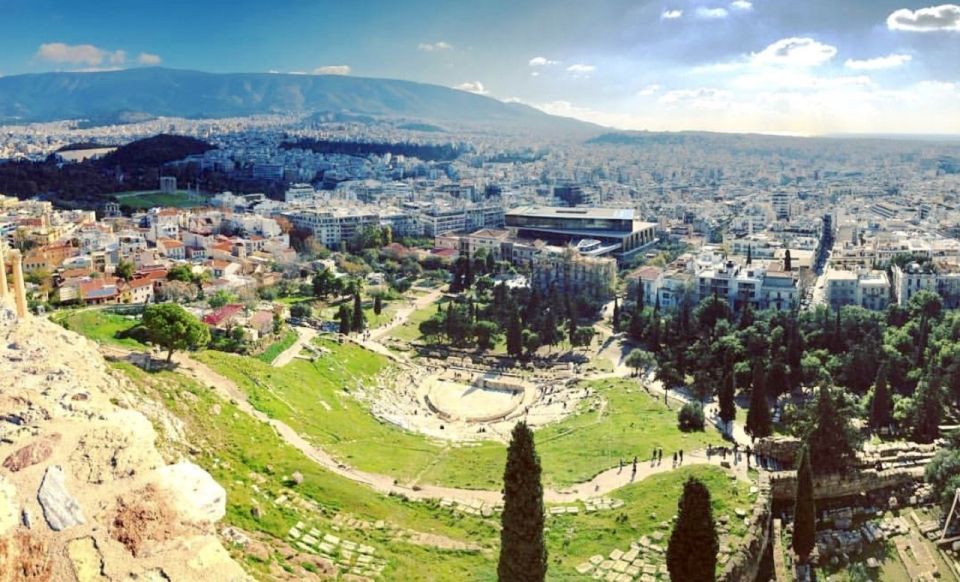
Your walk centers on the Acropolis’ most iconic landmark: the Parthenon. The value here isn’t only the monument itself—it’s how your guide uses the Parthenon to teach you how ancient Athens understood power, religion, and civic identity.
You’ll also get the view that most people come for: from the Parthenon area, the city opens up in nearly all directions. Think of it as your “reality check.” Instead of memorizing a map, you can connect the place you’re standing to the modern city grid below.
If you’re worried about feeling rushed, this is still manageable because your guide is doing two jobs at once: explaining what you’re seeing and helping you look correctly. That’s how you get more out of a short tour—your eyes do the work after the guide gives you the right hooks.
Athena Nike, Propylaeum, and the gate into the Acropolis

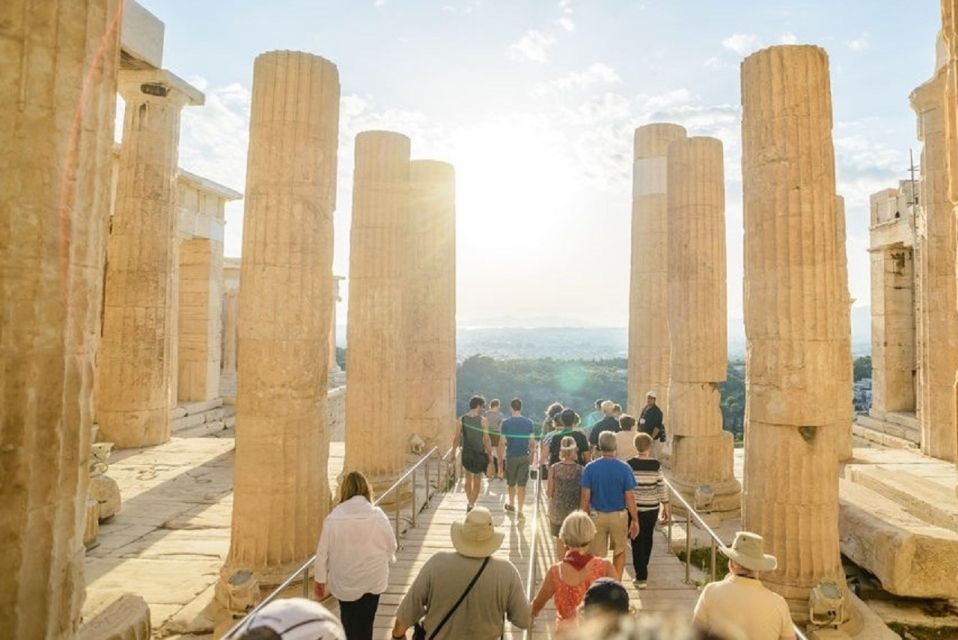
Not every stop is as famous as the Parthenon, but they matter because they show how the Acropolis moved like a designed experience. You’ll visit the Temple of Athena Nike, a key stop for understanding the role of Athena in Athens’ public life and the ceremonial energy of the site.
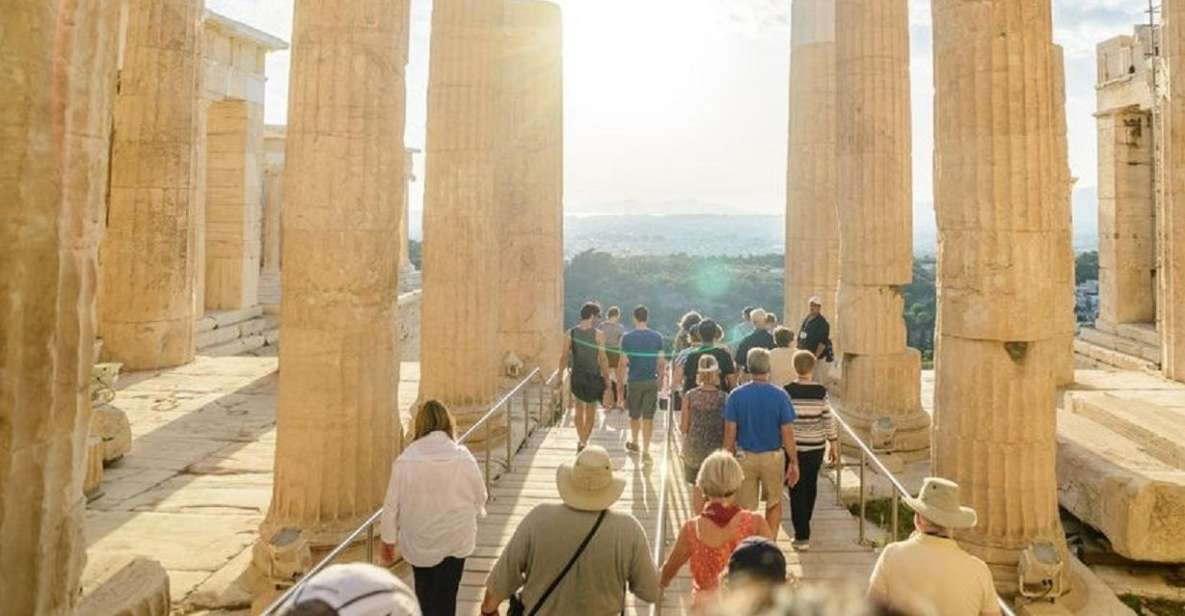
From there, you’ll go to the gateway to the Propylaeum—the kind of threshold that makes you feel the Acropolis as a planned approach, not just a pile of ruins on a hill. Your guide’s job here is to help you visualize movement: where you would have entered, how you would have been guided, and why this layout mattered.
This section is also good for photos, but with a practical twist. Don’t just frame the stones; use the guide’s directions to spot alignments, angles, and the way buildings relate to each other on the slope.
Erechtheum area and the Porch of the Caryatids
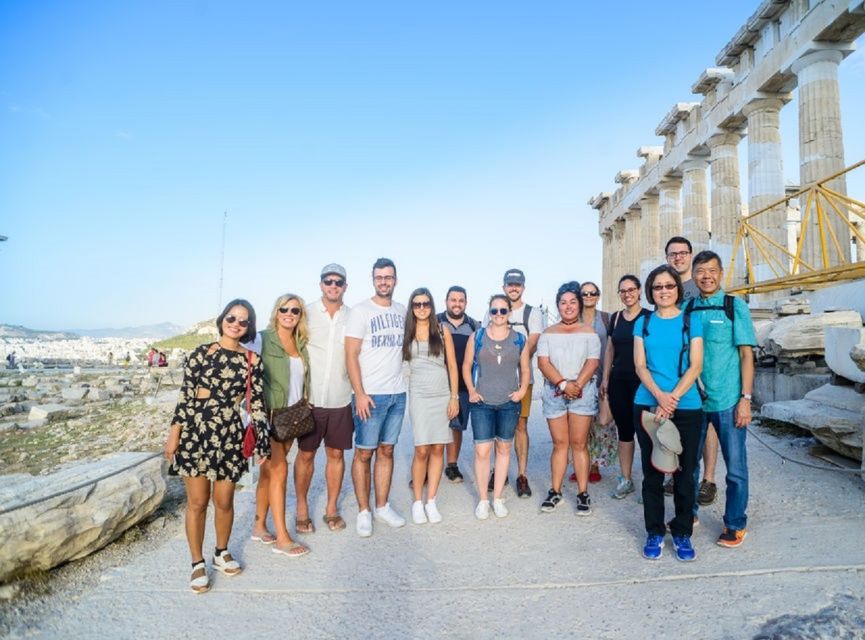
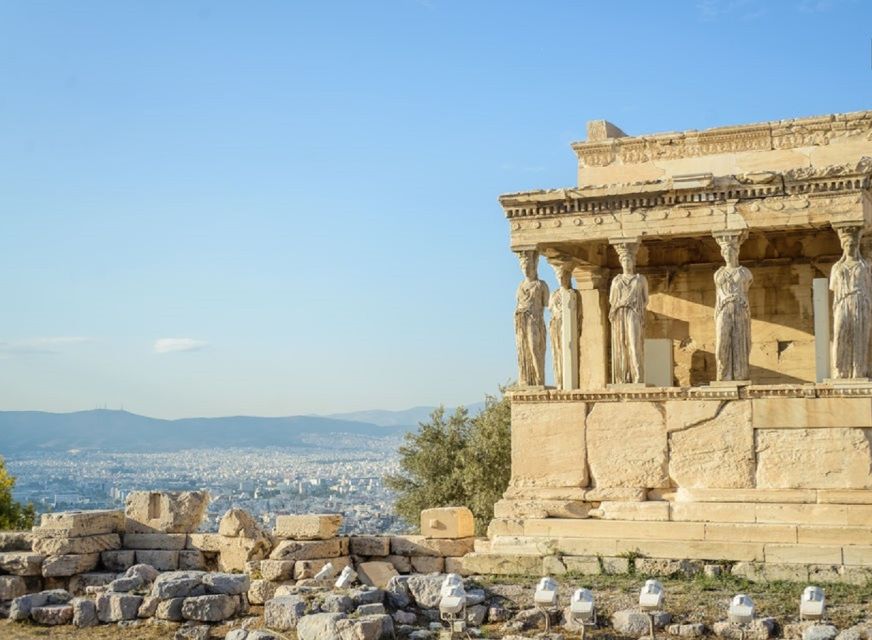
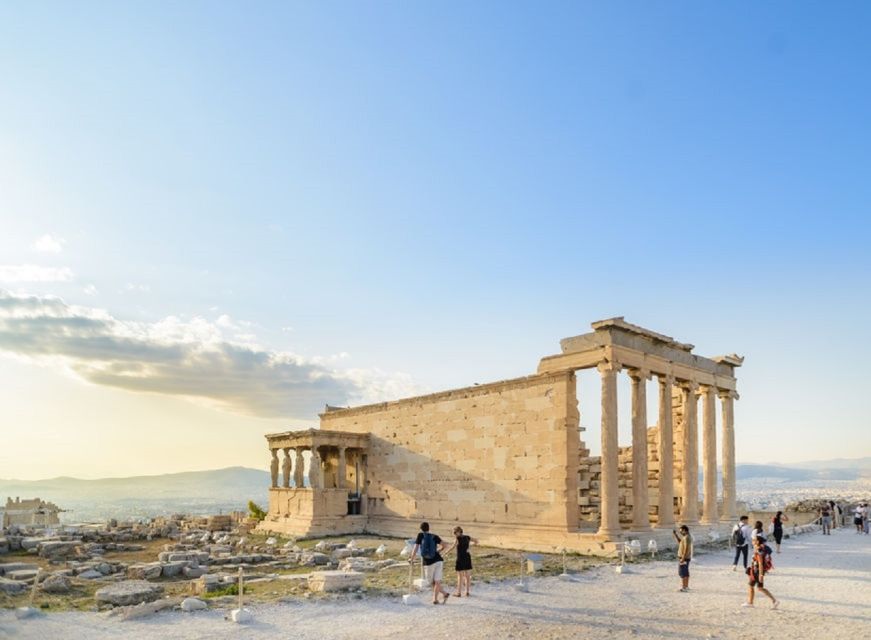
One of the most evocative stops is the Porch of the Caryatids at the Erechtheum. Even if you know the word Caryatid, seeing the concept in context helps. Your guide connects it to the sacred geography of the Acropolis—how different parts of the hill worked like distinct religious zones.
This is also where uneven ground becomes more than a minor inconvenience. You’ll be navigating uphill terrain, and parts of the route can feel slippery depending on weather and the condition of the stone.
If you’re traveling with someone who hates stairs or rough surfaces, this is the part where you’ll feel the strain first. But if you’re okay with walking, it’s one of those stops where the “why” is visible—architecture, sculpture, and meaning all sit together in a way that’s easy to remember.
You can also read our reviews of more guided tours in Athens




Sculptures and landmarks: Theatre of Dionysus to Asclepius
This tour doesn’t treat the Acropolis as only a temple site. You’ll admire an astonishing collection of sculptures and key areas that stretch Athens beyond religion into art, performance, and healing.
Your guide points you toward places such as:
- The Theatre of Dionysus, often described as the 1st theater of human civilization
- The Healing Temple of Asclepius
- The Odeon of Herodes Atticus
Even if you can’t always stand at every exact spot, you’ll still get the core idea: Athens built cultural life on the same hill as its sacred center. Theatre, myth, medicine, sculpture—this was a society where multiple forms of public life shared one physical stage.
This is where having a French-speaking archaeologist guide helps most. The explanations help you recognize what you’re looking at and why it mattered, instead of leaving you to guess.
The Panoramas over Athens you’ll actually remember
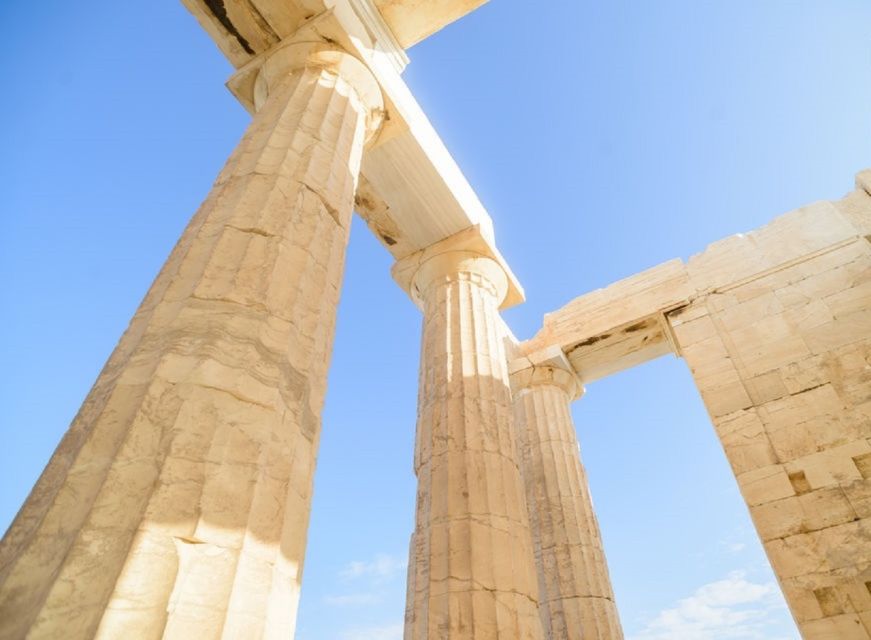
Yes, there’s a view. But what you do with that view is the difference between a good memory and a snapshot.
From the Acropolis hill, you’ll get wide sightlines over modern Athens, and your guide can point out how the city’s layout sits inside the larger story of continuity and change. It’s the kind of moment that makes ancient Greece feel less like a museum exhibit and more like a living reference point for today.
In at least some evening sessions, the timing can line up nicely with the day settling. One traveler’s note highlighted a memorable sunset moment from the Acropolis area, so if your schedule allows, consider choosing a later start time when the light begins to soften.
Price and value: is $80 worth it?
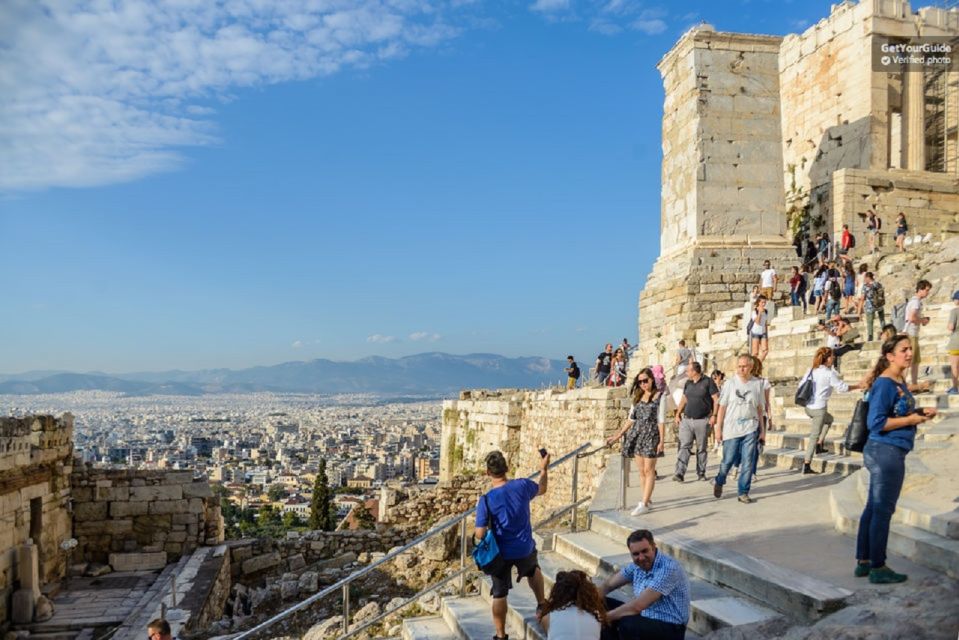
At $80 per person, the tour sits in the “pay for guidance” category, not the “self-guided ruins” category. The value is strongest if you want context and structure—someone who can translate the site from stone into meaning.
Included in your ticket is an Acropolis entry and a licensed tourist guide. That said, there’s a practical detail you should check before you go: the information you receive may indicate the entrance fee is included, or it may depend on which booking option you choose. Either way, make sure your plan clearly covers admission, because this site is one where you don’t want last-minute surprises.
Also, you’ll benefit from express security that helps you skip the line. When your time is only 1.5 hours, saving time before the tour starts is part of the value.
Finally, the group format helps. A walking group tour works best when it stays small enough for explanations to land and questions to feel possible. This one is designed to keep the experience focused rather than sprawling.
Practical tips to keep the tour comfortable
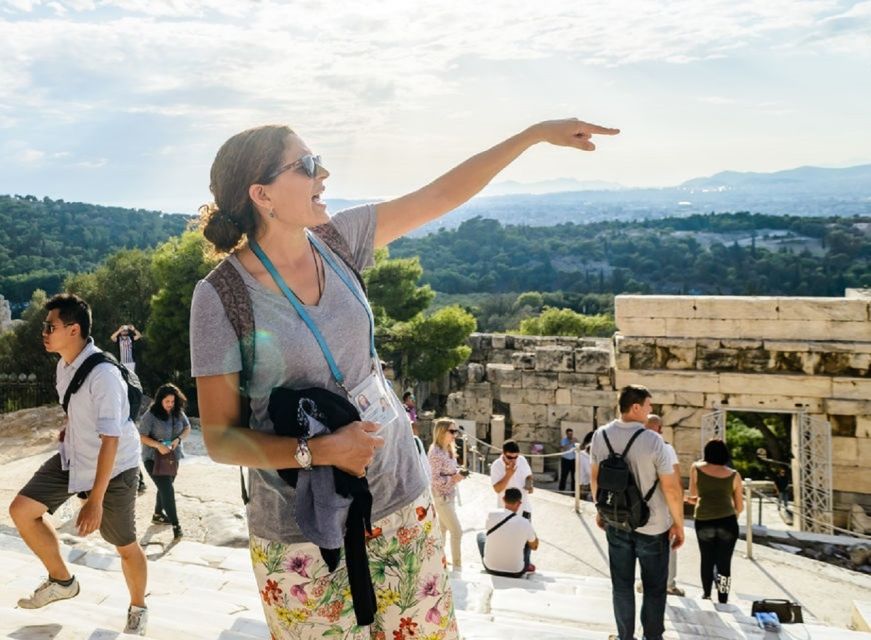
A short tour can still feel long if your body isn’t ready. Here’s what I’d prepare for based on the route and rules:
- Wear comfortable shoes with good grip. The ground can be uneven and sometimes slippery.
- Bring a sun hat, sunglasses, and sunscreen. Even in the afternoon, the sun can hit hard.
- Bring ID or your passport. If you’re under 25, your birthdate must be shown on it.
- Plan for water only once you’re in the archaeological area. Food and other drinks aren’t allowed there, though water is permitted.
There are also items you won’t be able to bring in:
- No large bags or luggage
- No baby strollers
If you get to the meeting point and realize you’re carrying something bulky, it’s worth adjusting before you reach the security area.
One more note: the tour relies on guide audio, and if a microphone ever fails, just don’t panic. In that moment, getting the guide’s attention quickly or standing closer usually fixes the problem fast. The key is to keep your expectations realistic: you’re outside, and Acropolis wind and sound can be tricky.
Who should book this Acropolis walking tour (and who shouldn’t)
This is a great fit if you want:
- A guided French experience with archaeologist-style context
- The Parthenon plus major Acropolis stops in a single route
- Panoramic views without spending half your day trapped in heat and lines
- A structured 1.5-hour walk that helps you understand what you see
It may not be the best fit if you:
- Have back problems or need very stable ground
- Are pregnant
- Use a wheelchair (this tour isn’t suitable for wheelchair users)
- Need a stroller-friendly route (baby strollers aren’t allowed)
If you’re traveling as a couple, or you want a smarter use of time while in Athens, this format can be a strong choice—especially for first-time visitors who want the headline monuments with explanations that make them stick.
Should you book this French Acropolis walking tour?
If you want the Acropolis experience to feel clear and personal—rather than like a list of ruins—this tour is a solid bet. The combination of licensed French guidance, a route built around the major landmarks, and the short evening timing makes it a practical way to get real value from your time in Athens.
I’d book it if you’re comfortable walking uphill and you can handle outdoor conditions. You’re paying for structure, context, and the chance to focus on the Parthenon and key areas like Athena Nike, the Propylaeum gateway, and the Caryatid porch without wandering aimlessly.
Skip it if accessibility needs make uneven, slippery surfaces a deal-breaker. Also, double-check that your admission is properly covered in your booking choice so you’re not stuck sorting out tickets right at the gate.
FAQ
How long is the Acropolis walking group tour?
The tour duration is 1.5 hours.
What language is the guide?
The live tour guide speaks French.
Is the Acropolis entry ticket included?
The information provided says the entry ticket is included, but it also notes that entrance fees may need to be pre purchased online unless you choose an option that includes tickets. Check the details of your specific booking.
Where do I meet for the tour?
Meet at the Athens Walks Tour Company office by the Acropolis at Porinou 5 stret, 11742.
What should I bring?
Bring your passport or ID card, comfortable shoes, sunglasses, a sun hat, and sunscreen.
Is food or drinks allowed?
Food and drinks are not allowed, but water is allowed in the archaeological area.
Is the tour wheelchair accessible?
No. It is not suitable for wheelchair users.
Who is the tour not suitable for?
It is not suitable for pregnant women, people with back problems, and wheelchair users.
What is the cancellation policy?
You can cancel up to 24 hours in advance for a full refund.
You Might Also Enjoy




More Walking Tours in Athens



More Tours in Athens

More Tour Reviews in Athens
- All Day Cruise -3 Islands to Agistri,Moni, Aegina with lunch and drinks included
★ 5.0 · 4,958 reviews