REVIEW · ATHENS
4-Day Private Peloponnese, Delphi and Meteora Tour from Athens
Book on Viator →Operated by 4 Seasons Greece Tours · Bookable on Viator
Four days, and Greece hits hard. This private route strings together UNESCO sites and iconic viewpoints with luxury transfers, hotel breakfasts, and live commentary you can use to connect the dots.
I love that your nights are covered in 4-star or boutique hotels with breakfast, including a stay in beautiful Nafplio. I also like how the driving time feels useful: the chauffeur Petros is singled out for clear explanations, so you get context without needing a separate licensed guide at every stop.
The main catch is cost at the door. Admission fees for museums and archaeological sites are not included, and there’s no licensed guide included by default.
In This Review
- Key highlights worth planning for
- A Fast-Focused Peloponnese and Mainland Hit in 4 Days
- How the Private Setup Makes the Drive Part of the Fun
- Day 1: Corinth Canal, Ancient Corinth, Epidaurus, Mycenae, Nafplio
- Corinth Canal: engineering first thing
- Ancient Corinth (Archaia Korinthos): temples, Paul, and Roman-era layers
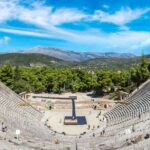
- Epidaurus Theatre: the acoustics stop you in your tracks
- Mycenae: Lion Gates and cyclopean walls
- Nafplio for your hotel night: castles, cobblestones, and an easy evening
- Day 2: Olympia, Rio–Antirion Bridge, Nafpaktos, and Overnight Options
- Ancient Olympia: temples, museum highlights, and the Olympic story
- Rio–Antirion Bridge: quick, included, and worth it
- Nafpaktos: Venetian port vibes before you switch regions
- Overnight choice: Galaxidi or Delphi
- Day 3: Delphi Museum, the Oracle Site, and Thermopylae
- Delphi Archaeological Museum: the clearest first step
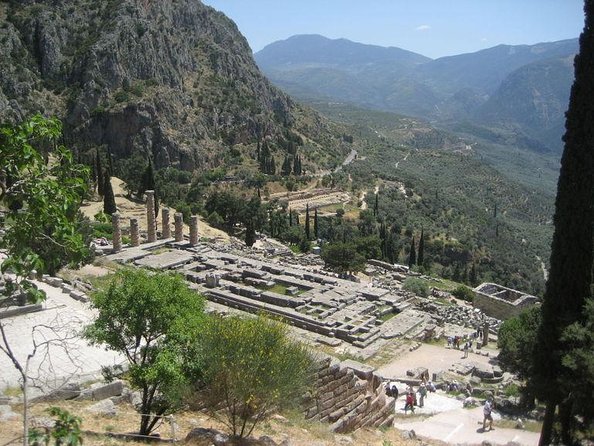
- Delphi: Temple of Apollo and the sanctuary layout
- Thermopylae battlefield: short, intense, and memorable
- Day 4: Meteora Monasteries, Kalambaka, and Kamena Vourla by the Sea
- Meteora: cliff-top monasteries and plenty of photo time
- Kalambaka for a reset lunch and stroll
- Kamena Vourla: final coffee by the sea view, then drop-off
- Price and Logistics: what you’re getting for $1,942.01
- Best Fit for Who Should Book This Tour
- Should You Book This 4-Day Athens to Meteora Route?
Key highlights worth planning for
- Luxury A/C vehicle + Wi‑Fi + bottled water for long drives and easy downtime
- Petros-style live commentary that turns transit into real understanding
- 3 nights in 4-star or boutique hotels with breakfast
- Private routing with customization, including potential extra stops
- Meteora monasteries visit 2 or 3 sites depending on timing and day
A Fast-Focused Peloponnese and Mainland Hit in 4 Days
This tour is built for travelers who want big ancient names and jaw-dropping scenery without spending days figuring out trains, rental cars, and check-in times. You start with the Peloponnese, then shift to Delphi, then finish with Meteora’s cliff-top monasteries. It’s a tight loop, but that tightness is also the point: you cover a lot while still sleeping in proper hotels rather than moving every night.
The most practical perk is the private transport. You get picked up in Athens (including residence or hotel), and you’re not stuck coordinating multiple drivers or departure times. The vehicle is brand new, has A/C, Wi‑Fi, and bottled mineral water, which matters when you’re doing multiple stops across the day.
One more thing I like: this is a route where the car ride adds value. A live English commentary helps you understand what you’re seeing, not just where you’re going. That’s especially helpful on a first trip to places like Epidaurus and Mycenae, where you’ll get more out of the ruins if you know what to look for.
You can also read our reviews of more private tours in Athens


How the Private Setup Makes the Drive Part of the Fun
Because it’s private, you’re not sharing the day with strangers who move at a different pace than you do. That sounds small, but it changes everything on a multi-site itinerary like this. You can usually take a slower coffee break, linger for photos, or spend a little longer in the museum shop without feeling rushed.
You can also customize the itinerary. The tour description explicitly allows you to add additional stops, which is handy if you spot something you want to see during the drive. That flexibility is a real value add on a short trip, because you can adjust for your energy level.
Also, plan for evenings. The included transfers mention even evening out transfers, which is helpful if your route includes nighttime driving or late check-in needs. It makes the schedule feel less “mechanical.”
Finally, the driver doesn’t just shuttle. In the best-case scenario (and it sounds like you’re set up for this), the chauffeur is effectively functioning as your on-the-road explainer. In one standout case, Petros is praised for knowing the sites well and explaining them while traveling, which can reduce how often you’ll feel you need a separate guide.
Day 1: Corinth Canal, Ancient Corinth, Epidaurus, Mycenae, Nafplio
Day 1 is the “Ancient Greece greatest hits” starter set. You’ll move steadily from modern engineering into classical sanctuaries, then into Mycenaean power, and finally land in a postcard town for the first hotel night.
Corinth Canal: engineering first thing
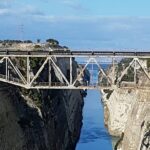
Your morning starts with a visit to Corinth Canal, an awe-inspiring strip of water about 6.5 km long that separates the Aegean Sea from the Ionian Sea. It’s one of those places where you immediately grasp how difficult (and ambitious) the engineering was. The good news: the stop time is short, around 15 minutes, and admission is free.
Practical tip: because it’s early and quick, it’s a nice moment to reset after pickup before committing to longer site walking later.
Ancient Corinth (Archaia Korinthos): temples, Paul, and Roman-era layers
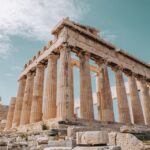
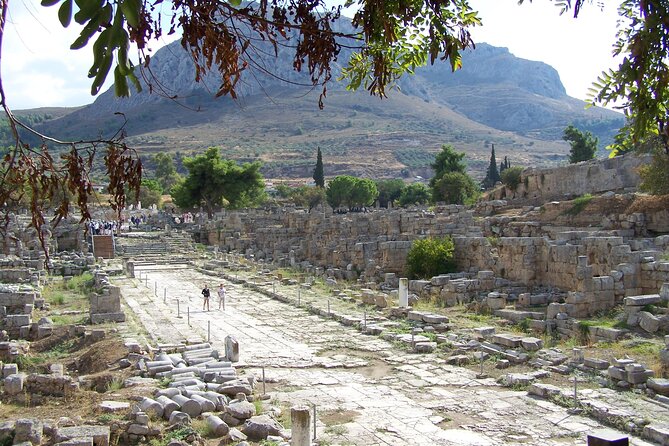
Next up is Ancient Corinth, close to the canal. This is where you see how one city can mean many different eras. The site is dominated by the Doric peripteral Temple of Apollo, dated roughly 550–530 BCE. You’ll also find Roman-era buildings like a forum, baths, and the Bema where St. Paul addressed the Corinthians. There’s also an Asklepeion temple to Asclepius, tying the area to healing mythology.
If you care about how Greece evolved across centuries, this stop pays off. If you’re mainly after a quick photo, you might wish you had more time for the museum.
Drawback: the entrance is not included, and the museum has its own ticket too. Budget time and money for this one.
You can also read our reviews of more tours and experiences in Athens

Epidaurus Theatre: the acoustics stop you in your tracks
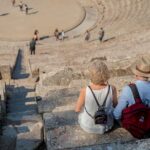
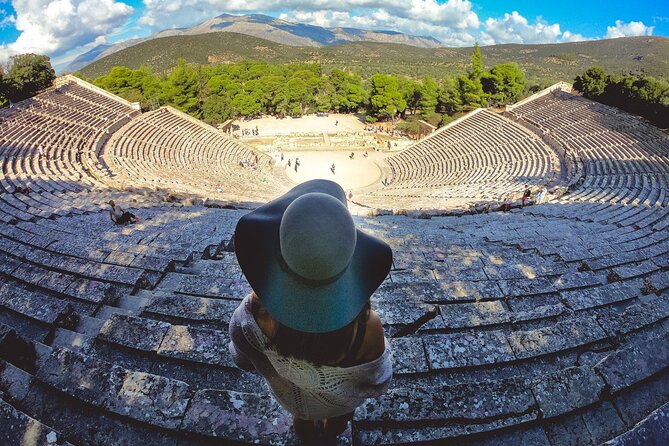
Then you head to Epidaurus, home to the Sanctuary of Asclepios, a UNESCO site. The highlight is the ancient theatre, considered one of the best-preserved classical Greek theatres. What makes it memorable is the acoustics: you can practice them on-site, which turns it from “ruins sightseeing” into an experience you participate in.
You’ll also visit the Tholos, Stoa of Abaton, the stadium, and an on-spot museum. That museum doesn’t replace the main value (the theatre), but it helps you understand the bigger sanctuary.
Consideration: this stop runs about 1.5 hours. Comfortable shoes help because the theatre seating area and paths can involve uneven steps.
Mycenae: Lion Gates and cyclopean walls
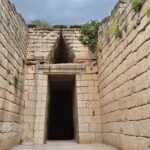
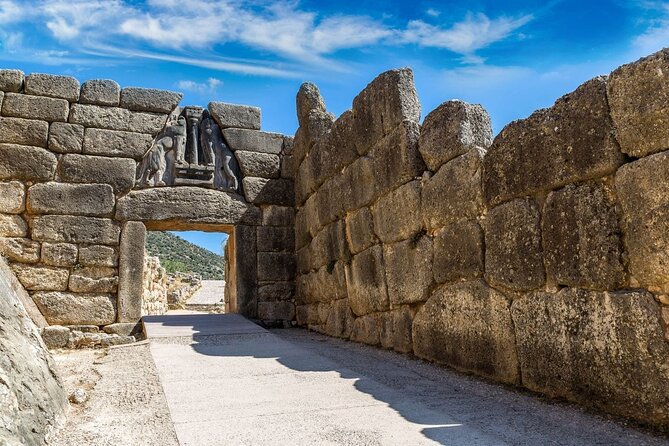
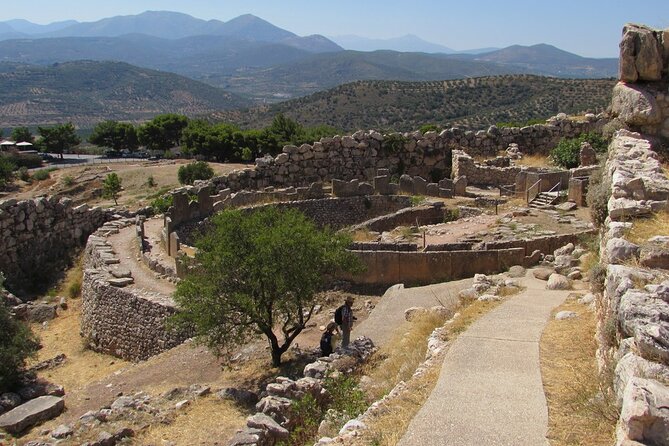
After Epidaurus, you go to Mycenae, another UNESCO-level anchor stop. The time here is about an hour, and that means the best approach is to pick what you want to see most: the Lion Gates, the Treasury of Atreus area, and the feeling of “power layout” that’s still readable in the ruins.
Mycenae is strongly tied to Agamemnon from Homer’s Iliad, and the site’s scale gives you a sense of why Mycenaean kingdoms mattered across the eastern Mediterranean.
Nafplio for your hotel night: castles, cobblestones, and an easy evening
Finally, you reach Nafplio, which is arguably the best kind of payoff after a long day: medieval seaside charm with neoclassical architecture, narrow cobblestone alleys, and a promenade with views over Bourtzi Castle. This is where your included hotel night kicks in—4-star or boutique—so you can actually unwind instead of rushing onward.
The stop includes about an hour of walking, and admission is free. It’s a short taste, but it’s enough to orient you for a later return if you have energy.
Best use of the evening: plan a slow stroll around Syntagma Square and the waterfront area. You’re ending the day in a place designed for wandering.
Day 2: Olympia, Rio–Antirion Bridge, Nafpaktos, and Overnight Options
Day 2 mixes ancient athletics with a modern engineering thrill, then adds charming ports before you settle into your second or third-night base.
Ancient Olympia: temples, museum highlights, and the Olympic story
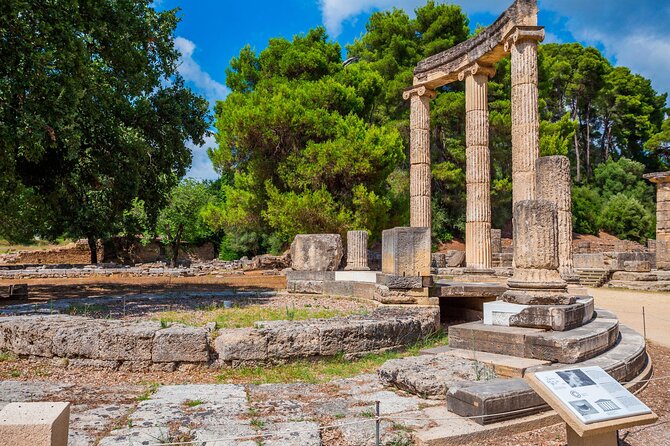
You head to Ancient Olympia, around a 2-hour drive from the morning start. Here you get both the archaeological site and the museum. The site includes Doric temples of Zeus and Hera, plus areas like the Bouleuterion, Prytaneion, stadium, gymnasium, palestra, and other structures connected to training and ceremony.
Olympia is where the Olympic story becomes physical. Walking through it helps you understand why this place mattered: it wasn’t just games; it was a full civic-religious center.
In the museum, you’ll see major works such as the Nike of Paionios and a striking statue of Hermes and the Infant Dionysus. The visit is about 2 hours total.
Budget tip: this is another stop where admission isn’t included, so the “free” feeling of seeing so much comes with a ticket cost.
Rio–Antirion Bridge: quick, included, and worth it
Next is Rio–Antirion Bridge, completed in 2004 and named after Charilaos Trikoupis. It’s also referenced as part of the Olympic-era push to connect the region with western Greece. The stop is short (about 10 minutes), and admission is included.
This is a perfect break segment: you get a dramatic photo and a leg stretch without losing the day.
Nafpaktos: Venetian port vibes before you switch regions
After crossing the bridge, you stop in Nafpaktos, described as a scenic Venetian port and castle area. This is more of a relax-and-look stop than a major museum stop. You’ll have about 30 minutes, and admission is free.
If you enjoy small coastal towns and want a slow coffee moment, this is one of the better “breather” pieces of the day.
Overnight choice: Galaxidi or Delphi
Your next lodging depends on availability: either Galaxidi (4-star or boutique) or Delphi itself (4-star or boutique). The route gives an example: Ganimede in Galaxidi and Nidimos in Delphi. Either way, you’ll have breakfast included.
This part matters because it changes your morning. If you end up closer to Delphi, Day 3 starts faster and feels smoother. If you end up in Galaxidi, the coastal feel can be a nice mental reset before returning to ancient ruins.
Day 3: Delphi Museum, the Oracle Site, and Thermopylae
Day 3 is the day for Delphi’s brainy, spiritual atmosphere, then a historical “hinge moment” at Thermopylae. It works because you’re not switching regions too abruptly, and you’re building on the previous day’s theme of sacred sites and power.
Delphi Archaeological Museum: the clearest first step
You’ll start with the Delphi Archaeological Museum, a UNESCO setting that helps you interpret what you’ll see outside. The museum covers a long period from prehistory to late antiquity, and it gives context for the sanctuary and oracle system where leaders sought advice from the Pythia.
You’ll see key pieces like the Charioteer and the Sphinx of the Naxians, plus statues of Kleobis and Biton. This stop runs about 2 hours.
Practical note: since admission isn’t included, bring enough budget for the museum as well as the site.
Delphi: Temple of Apollo and the sanctuary layout
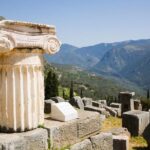
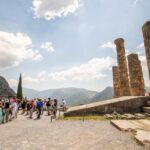
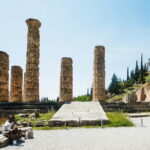
Next you visit Delphi itself. The tour description lists major highlights including the Temple of Apollo, the Amphictyonic Council, the Siphnian Treasury, theatre, Tholos, Gymnasium, and the stadium.
Why this order works: you arrive with museum knowledge, so the ruins don’t feel like random stone piles. You can connect objects to buildings and see the “power structure” of the sanctuary.
For lunch, the plan includes a traditional tavern stop at To Patriko mas, selected for food quality, service, and hygiene. The included time is about an hour.
Thermopylae battlefield: short, intense, and memorable
The day ends with Thermopylae, where the famous stand of 300 Spartans and 700 Thespians happened during the second Persian invasion. The stop is only about 30 minutes and admission isn’t included.
This is one of those places where even a short visit can feel heavy. It’s not a long walk, so it suits travelers who don’t want another museum marathon.
Day 4: Meteora Monasteries, Kalambaka, and Kamena Vourla by the Sea
If Day 3 is about intellectual and spiritual Greece, Day 4 is about dramatic scenery and faith built into rock. Meteora is the big finish, and it’s a good way to end a route like this because it feels different from the other sites.
Meteora: cliff-top monasteries and plenty of photo time
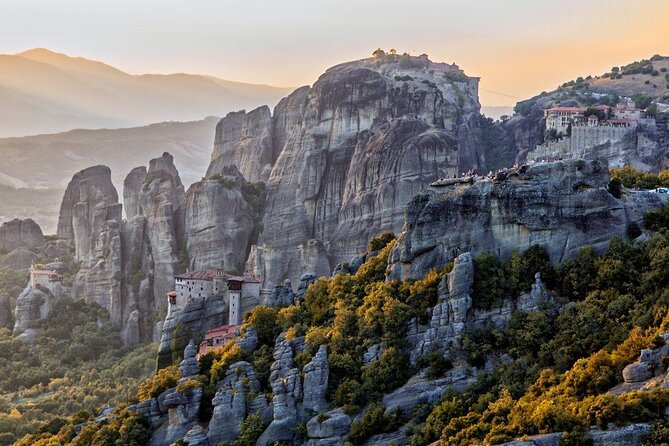
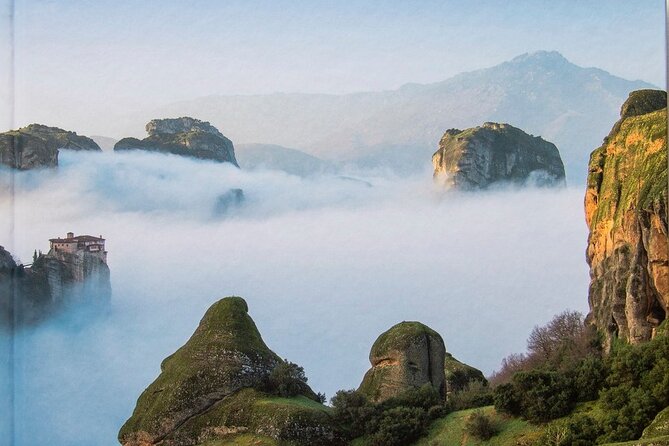
On the morning of Day 4, you ascend to Meteora to visit monasteries on the rocks. This part is described as no-stress, with time to take photos, walk around, and go at your own pace. Your driver also provides live commentary during the trip.
There are six monasteries listed: Great Meteoron, Varlaam, Roussanou, Agios Stefanos, Holy Trinity, and St. Nicholas. You’ll visit 2 or 3 depending on day and timing.
The tour highlights what makes Meteora special: unique access to Byzantine and Christian items, including monks’ attire, paintings, and etched glass. You also get pop-culture mentions: Holy Trinity is referenced as partially filmed for a James Bond movie scene, and the rocks are connected to Game of Thrones imagery.
One key practical point: monastery visits often involve lots of stairs and uneven stone surfaces. Wear shoes you trust.
Kalambaka for a reset lunch and stroll
After Meteora, you have time in Kalambaka, described as a traditional town with a one-hour window. You can stroll and have lunch at a local tavern or restaurant. Admission is free.
This is your “downshift” time. Use it to walk off Meteora legs and eat without rushing.
Kamena Vourla: final coffee by the sea view, then drop-off
The final stop is Kamena Vourla, a seaside village. You’ll be offered an afternoon coffee or tea with a sea view, then your driver returns you to your Athens residence or drops you at the airport.
This last touch is smart. After days of sites, you’re not ending at another museum or another long drive without a break. You get a softer landing before travel.
Price and Logistics: what you’re getting for $1,942.01
At $1,942.01 per person, this tour is not a budget option. But it’s also not only paying for sightseeing. You’re paying for private door-to-door transport, multiple hotel nights, and a driver handling the schedule end to end.
Here’s what’s included that actually changes your experience:
- 3 nights in 4-star or boutique hotels with breakfast
- Private luxury vehicle with A/C, Wi‑Fi, and bottled mineral water
- Airport/residence/hotel/port pickup and return
- Live English commentary from the driver
- Some admissions included (for example, Rio–Antirion Bridge is included)
What you still need to plan for:
- Admission fees into archaeological sites and museums are not included
- Meals like dinners and most lunches are not included unless you choose the lunch option (and Delphi has a specific included tavern stop)
So is it value? For couples or friends who want a private route and would otherwise spend money on hotels plus a driver, it can pencil out. The private setup matters most on this route because you’re stacking UNESCO sites with long drive segments. If you’d rather spend money on guided explanations inside museums and monuments, note that a licensed guide is only available on request for extra cost.
Best Fit for Who Should Book This Tour
This is a great match if you:
- Want a private route with hotel nights already planned
- Like having context while you travel (the driver commentary is part of the value)
- Want to see Peloponnese classics plus Delphi and Meteora without coordinating logistics yourself
- Prefer comfort on longer drive days, especially with Wi‑Fi and A/C included
It may not be the best fit if you:
- Hate paying entrance fees separately
- Want a specialist licensed guide inside every major museum
- Need a lot of downtime between sites (this route is active, even though it builds in shorter stops)
Language is English, and the tour is set up for most travelers to participate. Since it’s a private group, you’ll also have control over pacing more than on a shared group bus.
Should You Book This 4-Day Athens to Meteora Route?
I’d book it if your priority is efficient, comfortable coverage of Corinth, Epidaurus, Mycenae, Olympia, Delphi, and Meteora with your own private driver and included hotels. The strongest reasons are practical: door-to-door pickup in Athens, luxury car comfort for long days, and driver-led explanations that can help you get more from the sites you’re visiting.
If you’re deciding between this and a more guided option, do a simple check:
- Are you okay managing admission fees yourself?
- Are you fine with interpretations coming from the driver (not a licensed guide included by default)?
- Do you want the convenience of not thinking about transport between each region?
If the answers are yes, this tour looks like a smart way to experience a large chunk of Greece on a short schedule without turning the trip into a logistics project.
You Might Also Enjoy



More Private Tours in Athens

More Tours in Athens


More Tour Reviews in Athens
- All Day Cruise -3 Islands to Agistri,Moni, Aegina with lunch and drinks included
★ 5.0 · 4,958 reviews