Athens feels readable when you walk it. This 2-hour Athens walking tour threads through more than 15 monuments, from the Parthenon area to lively neighborhood corners you can actually use after the walk. It’s built for people who want context, not just captions.
I especially like how the guide puts archaeology into plain language, including myths tied to the sites. I also like the practical local layer: where to eat, what to try, and which streets to wander when you’re hungry or want a casual drink.
One thing to consider: the tour packs a lot into a short time, so it’s not a slow, deep sit-down at one major site. And since the experience depends on your guide’s style, you’ll want to choose a departure where you’ll enjoy a more narrative pace.
In This Review
- Key highlights in plain English
- Where this Athens Walking Tour Starts (Makrigianni Street)
- Dionyssiou Areopagitou: the monument corridor with story behind it
- Areopagus Hill: ancient court vibes and practical photo timing
- Ancient Agora and the Roman Forum: turning ruins into daily life
- Monastiraki and Plaka: neighborhood energy with real-world next steps
- Makrygiani Street finish: easy access to cafes and dinner
- What you get from a 2-hour format (and who it suits best)
- Price and value: is $43 for Athens walking actually fair?
- Practical tips so you enjoy every minute
- Should you book this Athens Walking Tour?
- FAQ
- How long is the Athens walking tour?
- Where does the tour meet?
- What’s the tour language?
- Is the tour wheelchair accessible?
- What are the main places the tour covers?
- About how much history is included?
- How much does it cost?
Key highlights in plain English
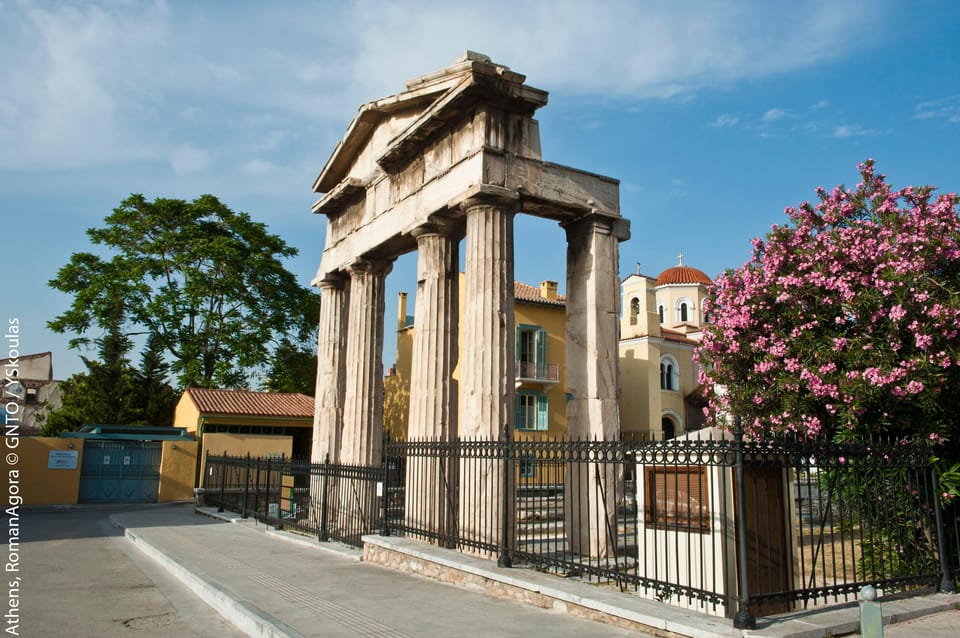
- Dionyssiou Areopagitou Street: a high-importance monument corridor, including views toward the Parthenon and museum spots nearby
- Areopagus Hill: the ancient law-court setting with a strong photo viewpoint
- Ancient Agora + Roman Forum: the political and everyday-life core you can connect the dots on
- Monastiraki square and Plaka: energy, atmosphere, and neighborhood context
- Local food and bar recommendations: ideas you can use the same day
- English live guide: history and myth explained as you walk
Where this Athens Walking Tour Starts (Makrigianni Street)
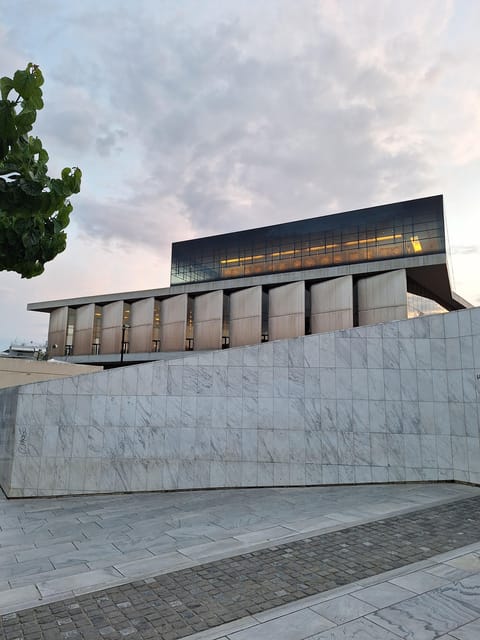
Your tour meets outside the Acropolis metro station, on Makrigianni Street. That’s a smart starting spot because it’s pedestrian-friendly and surrounded by places to grab coffee or a quick bite before you begin. You’re also already close to the general Acropolis orbit, so you don’t waste time getting oriented.
Makrigianni is one of those Athens streets that feels useful, not just scenic. You get the sense of the city moving around the monuments, not freezing around them. That matters, because the whole tour has the same goal: help you understand what you’re seeing and where to go next.
The walk is listed as wheelchair accessible, which is good to note up front. Since you do climb Areopagus Hill as part of the route, ask in advance about how the guide manages the hill with mobility needs so you’re comfortable with the plan.
You can also read our reviews of more walking tours in Athens


Dionyssiou Areopagitou: the monument corridor with story behind it
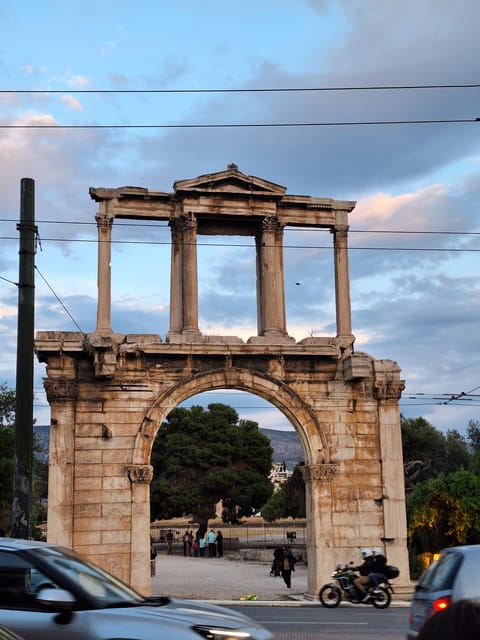
A big reason this tour works is where it begins: Dionyssiou Areopagitou Street. This is described as one of the most impressive streets in Athens, and it functions like a spine running through the area. You’ll spend time here because it’s where the archaeological and museum world becomes visible without you needing to jump between random locations.
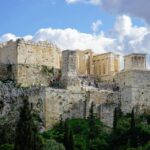
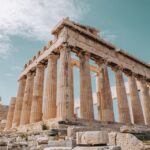
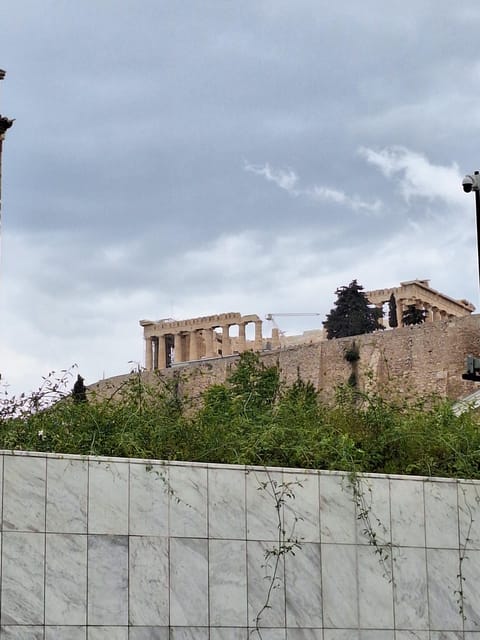
As you walk, the guide connects the dots between the street and major landmarks—especially the Parthenon area that looms over everything nearby. You’ll also hear myth and history tied to what you’re seeing, which is the difference between looking at stone and understanding why it mattered.
Two specific “watch for this” moments on this stretch:
- The street is associated with major museums and archaeological-adjacent sites, including the new Acropolis Museum (not as a museum visit necessarily, but as a key reference point you’ll likely see in context).
- You’ll also be in the neighborhood of the Odeion of Herodes Atticus, which is part of why this whole area feels so theatrical—ancient Athens knew how to build for crowds.
What I like here for your planning: after this tour, you’re better able to choose what to see again on your own. When you know what you’re looking at on Dionyssiou Areopagitou, the rest of the Acropolis region stops feeling like one big blur.
Areopagus Hill: ancient court vibes and practical photo timing
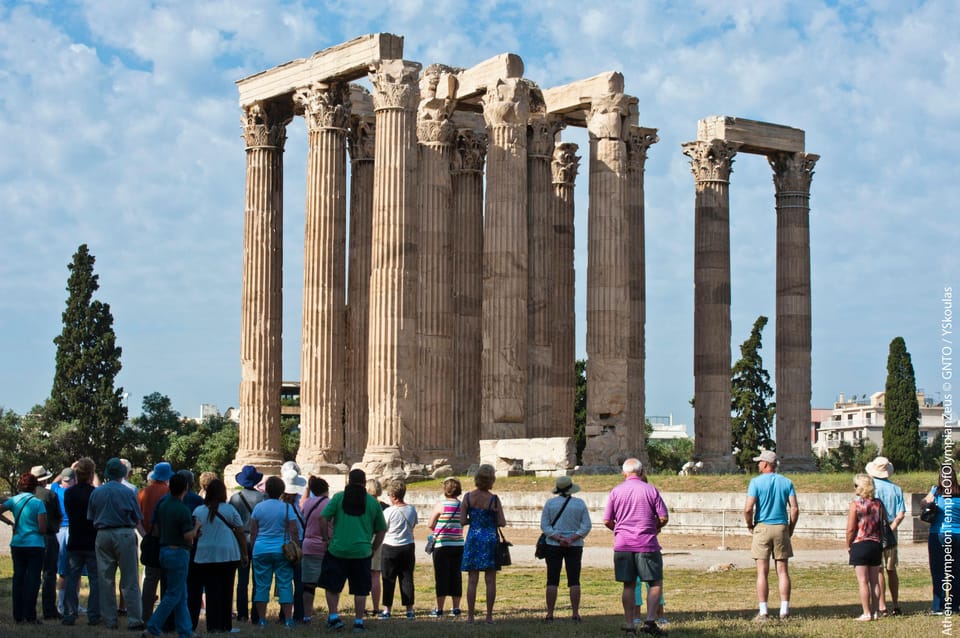
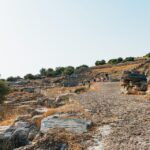
Then comes Areopagus Hill, framed in the tour as the most ancient law court in the world. Even if you don’t consider yourself a legal-history person, the concept helps your brain lock onto the site’s purpose. This is one of those stops where the story explains the geography: the setting isn’t random, it’s part of the power structure of ancient Athens.
The walk includes a climb to reach the viewpoint, and the tour promises great opportunities for photographs. Practically speaking, arrive mentally ready for a short effort. You’ll feel it more than you would on a flat stroll, but it’s usually worth it for the perspective you get over the Acropolis area.
Best way to use this stop: don’t just take pictures. Listen for the way the guide explains why this place matters, then look again. The viewpoint becomes more than a postcard when you’re tying it to the idea of a place where people argued, decided, and shaped civic life.
And if you’re traveling with kids or you need a relaxed pace, one review specifically highlighted a guide named Matina as being very relaxed and enjoyable even with a child in the group. That’s reassuring if you’re nervous about tours turning stiff or overly formal.
Ancient Agora and the Roman Forum: turning ruins into daily life
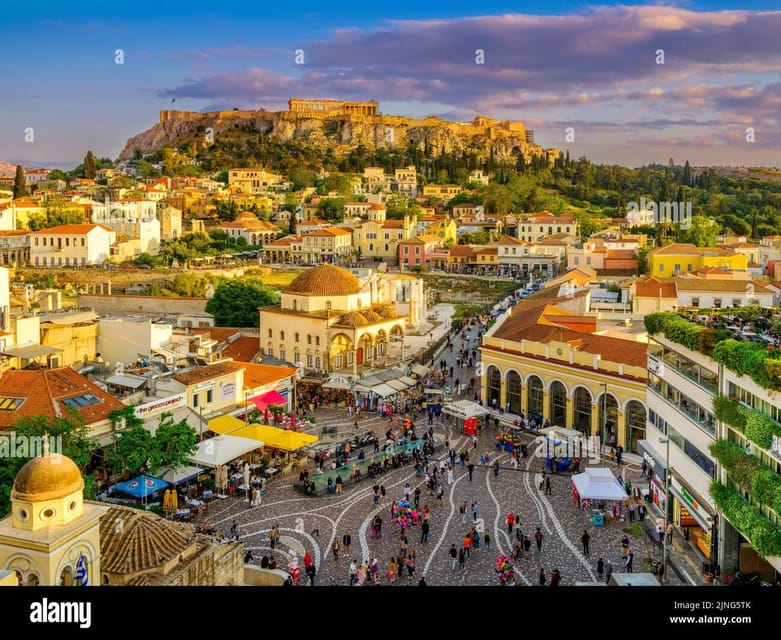
After the hill, the tour shifts toward the area associated with the ancient Agora and the Roman forum. These names can sound intimidating on a brochure, but the point here is simple: this is where public life happened.
I like this part because it’s less about grand monuments and more about the engine of the city. When you get the Agora and forum context, you stop thinking of Athens as only temples and start understanding it as a living urban system.
How you should expect it to feel:
- The guide shares facts and myths that connect to the civic role of the spaces.
- You’re encouraged to think about how people moved, discussed, and made decisions here.
- Instead of treating the ruins like separate attractions, you learn to see them as parts of one larger social map.
The Roman forum component is especially helpful if you’re the type of traveler who wants to understand layering. Athens doesn’t just “end” with one ancient chapter. You’ll be guided to recognize how later powers occupied and reused earlier civic space.
Potential drawback for this stop: since the tour is only 2 hours, you won’t get a long “stand and read” session at every point. The goal is orientation and story, not full academic depth. If you want that, you’ll know exactly where to return later.
Monastiraki and Plaka: neighborhood energy with real-world next steps
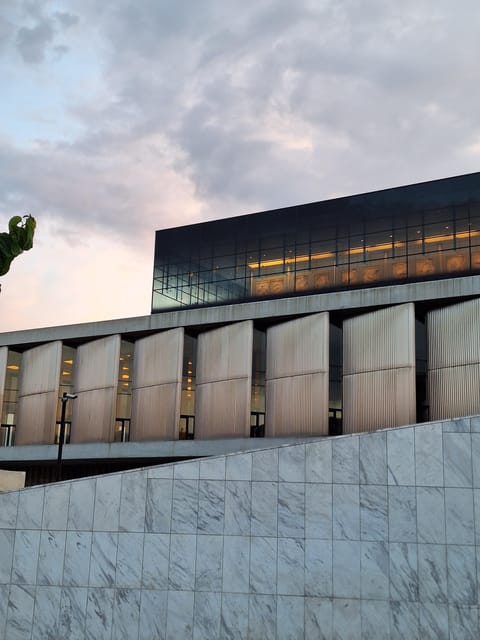
Once you reach Monastiraki square and then Plaka, the tone changes. These areas are described as charming and lively, and the goal is to help you feel the Athens outside the monument zone.
This is where the tour becomes immediately useful. The guide is expected to talk about the city’s trends and share places to eat and drink like a local. That part matters because your first evening in Athens can go one of two ways: either you end up chasing the most obvious tourist spot, or you use local context to pick places that fit your mood.
Plaka, in the tour description, is referred to as the neighborhood of gods. Even if you’re not taking mythology courses, that label sets up what you should notice: the way the area feels like it’s built around the mythology-soaked identity of the city. When your guide ties that vibe back to what you just saw, the transition stops feeling random.
In short: Monastiraki and Plaka are your payoff. You get the atmosphere, and then you get recommendations you can act on without overthinking.
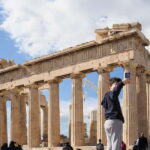



Makrygiani Street finish: easy access to cafes and dinner
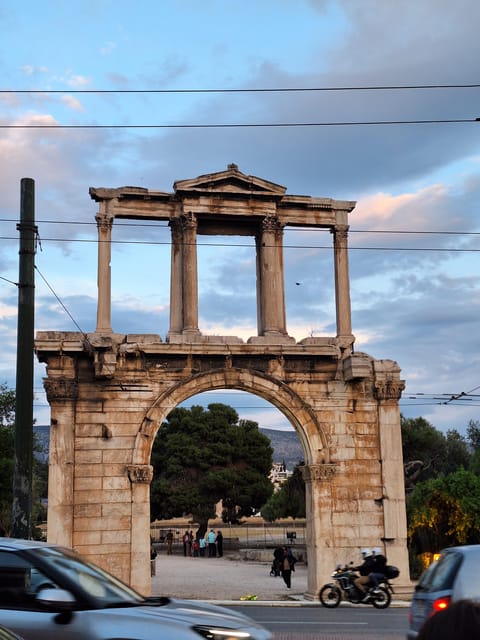
The tour ends on Makrygiani Street, close to the Acropolis metro station. That’s a smart finishing move. You’re not dropped at some remote point where you have to figure out transit or hunt for food with jet-lag brain.
Because Makrigianni is full of restaurants and cafes, you can keep the momentum going right away. If you want a casual post-walk drink, you’re set. If you want dinner, you’re also in the right zone.
This is one of those finishing details that seems minor until you’re actually tired. It reduces friction, which is part of what makes a 2-hour walking tour feel like a win instead of a checklist.
What you get from a 2-hour format (and who it suits best)
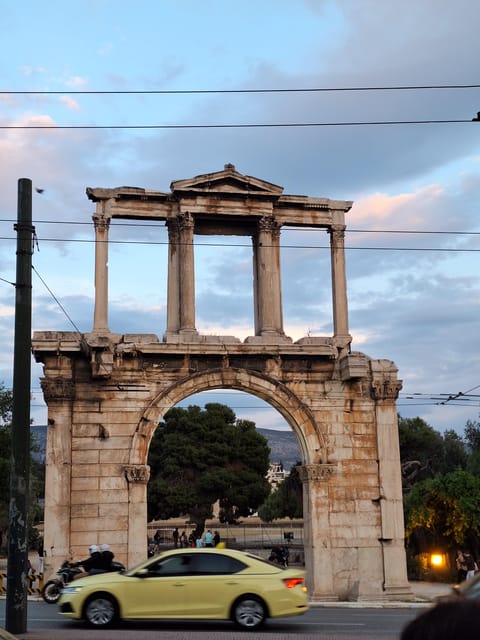
This is a 2-hour walking tour. That time window is short enough to fit into almost any itinerary, but long enough to connect multiple zones into one story.
I’d book it if:
- You want myth + history tied directly to what you’re looking at.
- You’re spending limited time in Athens and want a structured way to get bearings.
- You like a guide who can explain archaeology in a way that doesn’t require a textbook.
You might not love it if:
- You’re hoping for lots of indoor time or slow museum-style pacing at one location.
- You want a tour that feels like a deep seminar. This walk is designed for “overview + insights,” not a full academic treatment of every site.
Also, keep expectations realistic: the route includes a hill climb. Even if you’re mobile and fine with walking, it’s not a totally flat stroll.
Price and value: is $43 for Athens walking actually fair?

At $43 per person, the value comes down to what you’re buying: a guide-led narrative across many key areas in a compact time frame. You’re not just paying for movement between points. You’re paying for someone to translate myths, archaeology context, and practical city tips while you’re walking.
This is the kind of tour where value improves when you actively listen. If you show up expecting a simple loop around famous stones, you’ll feel shortchanged. If you go in ready to learn how the pieces connect, the price feels reasonable for the amount of orientation you get.
One more value clue: the reviews give strong signals about guide quality. A 5 out of 5 review praised the guide as friendly and professional. Another 5 out of 5 specifically highlighted Matina as relaxed and well educated, and it also noted how much fun it was to hear her explain the city from multiple angles.
Balancing that, there’s also evidence that guide engagement can vary by group or departure. So if you care a lot about detail and storytelling energy, pick a time that fits your travel style.
Practical tips so you enjoy every minute
Wear shoes you don’t mind getting warm. This is a walking tour with multiple stops, and you’ll want comfort over fashion.
Bring water if it’s hot. The tour is only 2 hours, but Athens sun adds up quickly.
If you care about photos, treat the viewpoint on Areopagus Hill as your “camera moment,” not an afterthought. You’ll get the best results if you pause when the guide tells you the story first, then shoot with context.
Finally, leave yourself room to use the recommendations afterward. One of the tour’s strong points is the promise of ideas for sightseeing, museums, food, and bars. Use that same-day momentum. It’s when the tour pays off most.
Should you book this Athens Walking Tour?
Yes, if you want a guided archaeology and myth walk that helps you understand why Athens looks the way it does, not just where it is. The combination of Dionyssiou Areopagitou, Areopagus Hill, the Agora and Roman forum area, and then Monastiraki and Plaka gives you both the ancient framework and the modern city feel.
Book it especially if:
- You’re short on time and want a structured overview.
- You like listening to stories that make monuments make sense.
- You want local food and bar recommendations you can act on immediately.
Think twice if:
- You want museum time and long stays at a single major site.
- You prefer tours with the deepest, slowest detail on every stop. This one is designed to keep moving and connect big themes quickly.
FAQ
How long is the Athens walking tour?
It lasts 2 hours.
Where does the tour meet?
Outside of the Acropolis metro station on Makrigianni Street.
What’s the tour language?
The live tour guide speaks English.
Is the tour wheelchair accessible?
Yes, the activity is listed as wheelchair accessible.
What are the main places the tour covers?
The walk includes Dionyssiou Areopagitou Street, Areopagus Hill, the ancient Agora, the Roman forum, Monastiraki square, Plaka, and it ends on Makrigianni Street near the Acropolis metro station.
About how much history is included?
The tour description says it covers more than 15 monuments and shares facts and interesting myths connected to them.
How much does it cost?
It’s priced at $43 per person.
You Might Also Enjoy


More Walking Tours in Athens

More Tours in Athens

More Tour Reviews in Athens
- All Day Cruise -3 Islands to Agistri,Moni, Aegina with lunch and drinks included
★ 5.0 · 4,958 reviews