
REVIEW · ATHENS
Hellenic Motor Museum Entrance Ticket
Book on GetYourGuide →Operated by HELLENIC MOTOR MUSEUM · Bookable on GetYourGuide
Cars and ancient wheels share the same ramps. In the middle of Athens at Capitol Mall, the 3-floor layout turns motoring history into something you can literally walk up and around, from old mechanisms to later classics. I also like how the museum connects automobiles to the bigger story of how motion was engineered.
The top-floor setting inside a busy mall can be a little tricky at first, so give yourself extra minutes to find the entrance. Once you’re in, I love the old car workshop feel and the comfort of air-conditioned rooms for a break from the Greek heat. One drawback to know: some cars are tightly packed, and a few exhibits can be harder to view from every angle.
In This Review
- Key Things That Make This Museum Worth Your Time
- Getting Oriented at Capitol Mall Without Losing Time
- Ticket Value: What $14 Buys You in Real Visiting Time
- From 300 B.C. to the Late 20th Century on a Spiral Ramp
- More Than 110 Global Cars, Including Makers You Won’t Find Today
- The Old Car Workshop: Where the Museum Gets Hands-On
- Learning the Evolution of the Wheel (Without Becoming a Class)
- What You’ll Miss If You Only Have 30 Minutes
- Timing, Hours, and When to Arrive
- Comfort and Viewing: Bright Rooms, Tight Displays, Easy Adjustments
- Audio Guide and Staff Support in English and Greek
- Who This Museum Suits Best (And Who Might Skip It)
- A Simple Visit Plan That Works With One Day
- Should You Book the Hellenic Motor Museum?
- FAQ
- Where is the Hellenic Motor Museum, and what is the meeting point?
- How much is the entrance ticket?
- How long is the experience valid?
- What are the opening hours?
- When is the last admission?
- What days is the museum closed?
- Is an audio guide included, and what languages are available?
- Is the museum wheelchair accessible?
Key Things That Make This Museum Worth Your Time
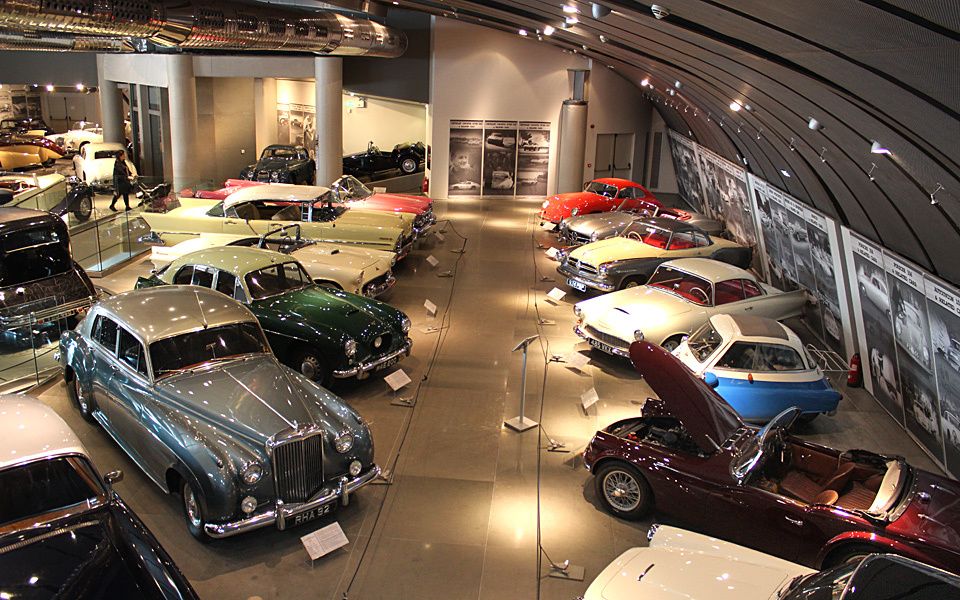
- 110+ global vehicles spanning the 19th and 20th centuries and beyond
- Spiral ramp of 72 exhibits reaching back to 300 B.C.
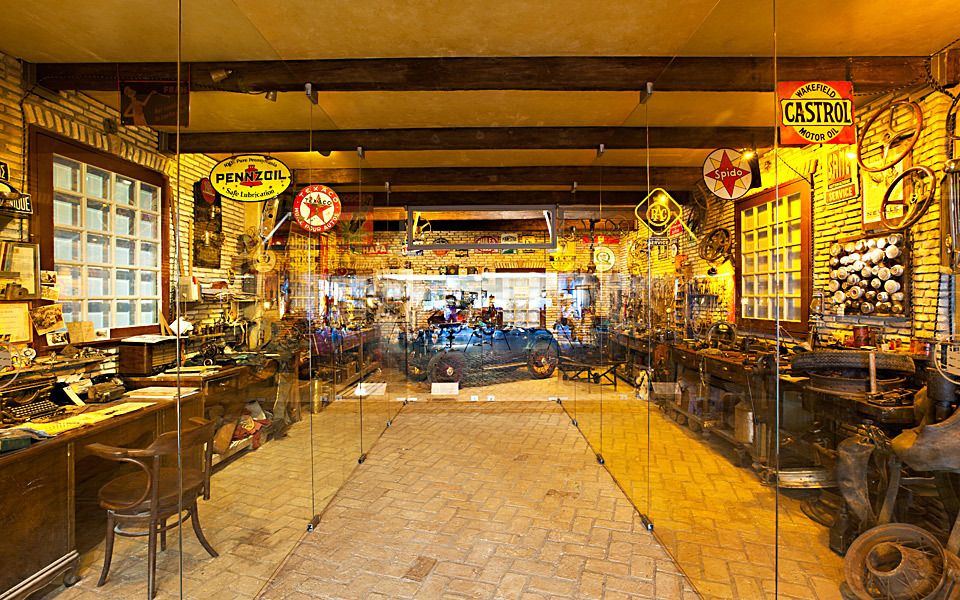
- Old car workshop reconstruction with period-style features you can wander through
- Wheel evolution learning trail, connecting cars to the tech underneath
- Rotating collection with cars from manufacturers that no longer exist
- Audio guide in English included, plus a staff host available in English and Greek
Getting Oriented at Capitol Mall Without Losing Time
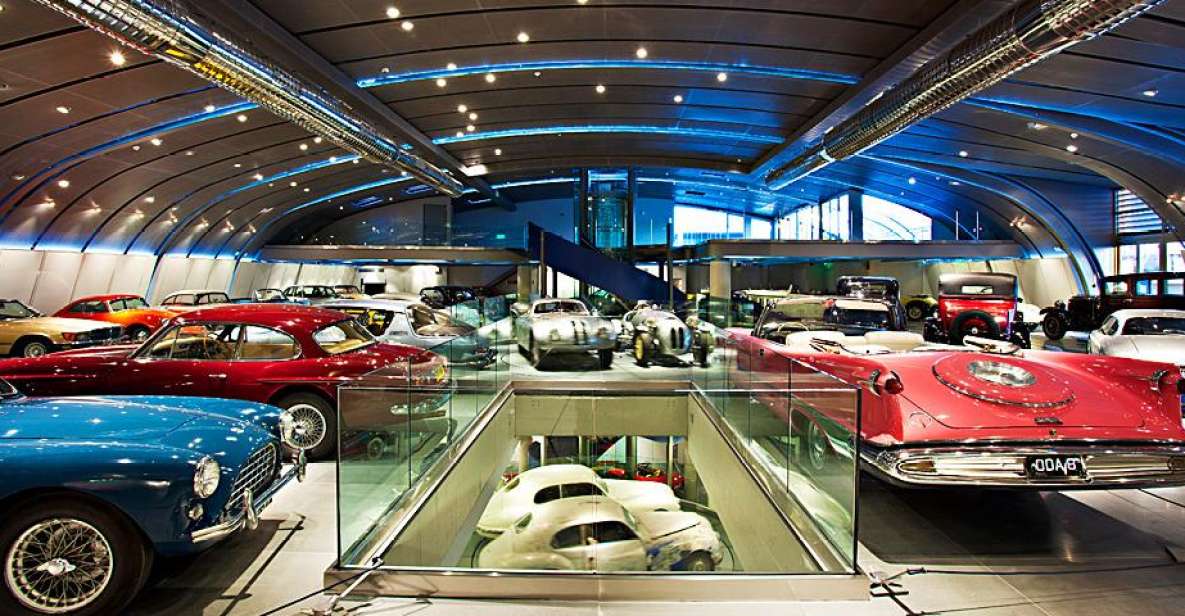
The Hellenic Motor Museum is in central Athens, inside Capitol Mall. The meeting point is listed as IOULIANOU 33 – 35 and C’ SEPTEMVRIOU 74 – 78, Athens, which matters because you’re not just finding a standalone museum building.
One thing I’d plan for: the museum is on the top floor of a larger complex with plenty of offices. That means street-level cues can be subtle, and it’s easy to overshoot if you’re in a hurry. If you’re arriving near midday, I suggest building in extra time so you’re not walking fast while everyone else is browsing slowly.
Also, there’s no hotel pickup or drop-off included. You’re responsible for getting yourself there, so using a map app and checking it twice is a smart move.
You can also read our reviews of more tours and experiences in Athens



Ticket Value: What $14 Buys You in Real Visiting Time
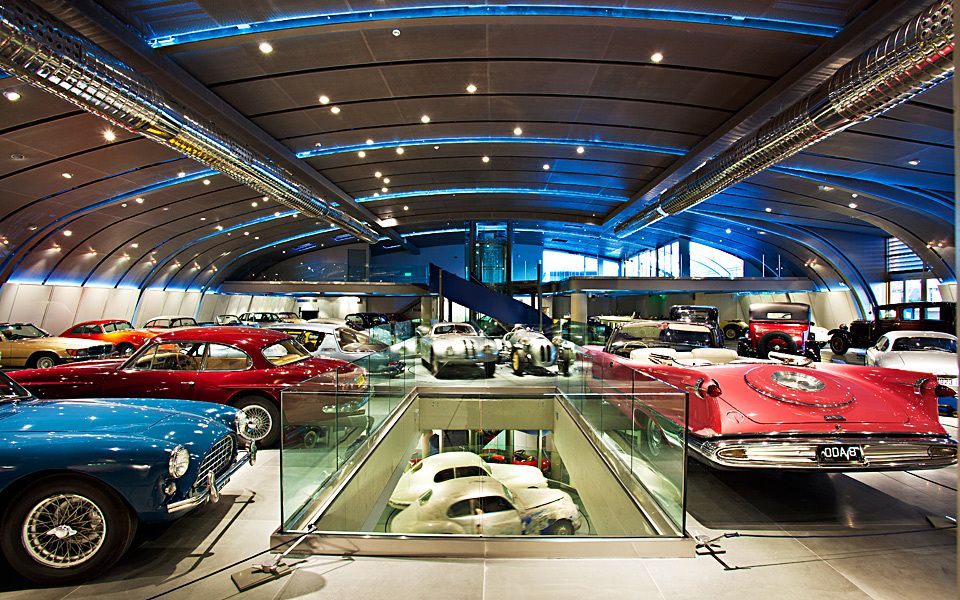
The entrance ticket is $14 per person and is valid for one day. That sounds simple, but the value comes from how much is packed into the visit: three floors, more than 110 automotive exhibits, and a planned path that mixes vehicles with mechanical context.
You’re not just looking at cars behind glass. The museum includes an old car workshop experience, and it also teaches you something. The wheel-focused element is one of those touches that turns a car collection into a mini engineering lesson you can actually follow as you walk.
Food and beverages aren’t included, so plan to grab a snack elsewhere in the mall if you need it. And if you’re using this as a half-day activity, you’ll likely be able to see a lot without rushing, especially because the collection is set up for walking.
From 300 B.C. to the Late 20th Century on a Spiral Ramp
The centerpiece of the visit is the spiral ramp and the way exhibits climb up through the building. As you ascend, you’ll notice the museum is built like a journey through time, not like separate random rooms.
The museum highlights 72 unique exhibits dating from 300 B.C. to the end of the 20th century. That range is what makes the museum feel different from standard car collections. You’re seeing how ideas about wheels, transport, and mechanics evolved into the automobile you recognize today.
The museum also spreads the collection across three floors. In practice, that means your visit doesn’t stall into a single corridor. You’ll keep changing floors, keep changing sightlines, and keep finding new vehicles as you go.
More Than 110 Global Cars, Including Makers You Won’t Find Today
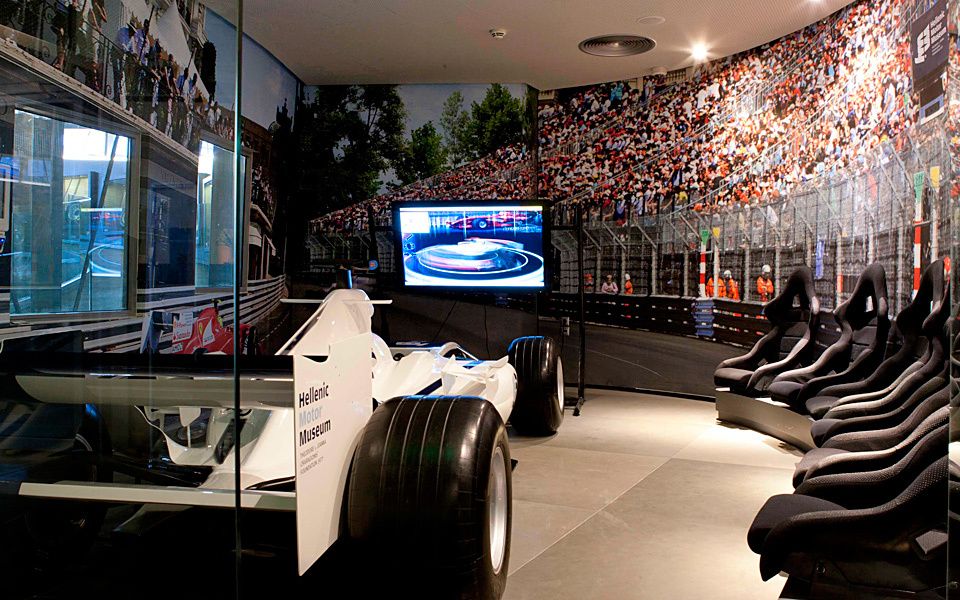
You’ll see more than 110 unique examples from the global automotive industry. The collection includes cars from companies that no longer exist, which is a big part of why the museum feels like more than a nostalgia stop.
This is where the rotating aspect matters. The museum collection is described as rotating, so the specific lineup you see may not be identical on a future trip. If you’re a collector-type who likes comparing models, that rotation keeps the museum from feeling stale.
You’ll also see classic models from current famous manufacturers. That creates an easy contrast: you can spot how designs, engineering, and styling changed over decades while still recognizing brand DNA.
And yes, there are fun touches sprinkled in the way pop-culture cars can catch your eye. One example from visit experiences: displays like Lightning McQueen and the Flintstones Mobile can show up in the overall mix, making the visit more playful without taking away from the serious exhibits.
The Old Car Workshop: Where the Museum Gets Hands-On
One of the strongest reasons to go is the inclusion of an old car workshop with period-style features. This doesn’t read like a staged photo set. It feels like the museum is trying to help you understand how a car fits together, not just how it looks parked.
As you move through the workshop area, you get a different kind of appreciation: you start thinking about how parts relate, how tools and access work, and what mechanics would have been focused on back when automobiles were newer and less standardized.
If you like cars because you’re curious about systems—engines, drivetrains, wheels—this section usually lands well. If you only want the final product, you might still enjoy it, but you’ll probably spend less time here than the mechanically curious type.
You can also read our reviews of more museum experiences in Athens





Learning the Evolution of the Wheel (Without Becoming a Class)
The museum’s education angle is built around the evolution of the car through the history of the wheel. That’s a clever framing, because wheels are the constant. Even if cars change dramatically, the wheel-and-axle story is the backbone of how motion became reliable.
In a practical sense, this lets you connect exhibits instead of treating each vehicle as an isolated object. You start to see progress: materials, design choices, and the way wheel technology supported better road travel as automobiles matured.
This is also why the museum can work for mixed-interest groups. Someone who’s less interested in car brands may still care about why wheels evolved, how the design changed, and what problems early transport had to solve.
What You’ll Miss If You Only Have 30 Minutes
If you’re the kind of visitor who walks fast, you can still catch highlights, but this museum is set up for slow browsing. Because it’s on three levels and uses a spiral ascent, it’s not just about seeing a list of cars.
The workshop and wheel-focused elements take time because you’re not only viewing. You’re reading and mentally connecting.
If you only have a short window, aim for the higher floors and the spiral path views that show the range from early history to later models. If you have more time, take breaks and re-walk sections so you can really compare cars across decades.
Timing, Hours, and When to Arrive
Opening hours are:
- Monday–Friday: 10:00–17:00
- Saturday–Sunday: 11:00–18:00
Last admission is 30 minutes before closing time, so plan around that. If you arrive late, you can end up seeing the same floor twice without reaching everything you want.
The museum is closed on:
- January 1st and January 6th
- Easter Sunday and Easter Monday
- August 15th
- December 25th
Because the museum is indoors, it’s also a good weather backup plan. One common reason people enjoy the visit is escaping heat, and the rooms are described as comfortable with good lighting.
Comfort and Viewing: Bright Rooms, Tight Displays, Easy Adjustments
People consistently note that the museum feels well maintained, with bright lighting that helps you see details. That matters because older cars and workshop-style displays can be hard to appreciate if light is dim.
Now the honest part. Some exhibits can be viewed more clearly from certain angles, and the spacing between cars may feel a little tight in spots. You may have to step left or right to get a good look, especially for cars that aren’t placed to be viewed in a perfect semicircle.
So here’s your practical approach:
- Spend a little longer on the exhibits you care about most.
- Take photos only after you’ve found the best viewpoint.
- If you’re traveling with kids, use the workshop area for a slower pace so the tighter sections don’t feel overwhelming.
Audio Guide and Staff Support in English and Greek
The experience includes an audio guide in English. That’s a helpful detail if you want context while you walk rather than reading every label.
There’s also a host or greeter available in English and Greek, which can help when you’re asking quick questions like where to start or how to move through the floors.
If you’re a “read the placards later” type, the audio guide can keep you moving while still giving you the story. If you’re a detail person, you can use the audio guide as a framework and then slow down for the specifics.
Who This Museum Suits Best (And Who Might Skip It)
This is a great match if you like:
- car history
- mechanical details and design evolution
- classic models and rare or discontinued manufacturers
- indoor activities where you can wander at your own pace
It’s also a smart stop for families with mixed interests, because car lovers get plenty to stare at, and non-lovers can still focus on the wheel and workshop teaching sections.
If you’re not into cars at all, you might find it more time-consuming than your average museum. But the fact that the museum connects vehicles to wheel evolution makes it easier to stay engaged even if you’re brand-agnostic.
A Simple Visit Plan That Works With One Day
You don’t need an official itinerary to do well here. The layout is designed for walking, so you can just follow the flow of the spiral ramp and focus on each floor’s themes.
A practical strategy:
- Start on a lower level and let the spiral ramp guide your way upward.
- When you reach the workshop, pause there longer than you think you should, because it changes your perspective on the vehicles.
- On the upper levels, slow down for the older exhibits first, then return to later-era cars for comparisons.
If you’re short on time, you can still make smart choices: prioritize the workshop and the wheel evolution section first, then fill in the rest with the car models that grab your attention.
Should You Book the Hellenic Motor Museum?
Book it if you want an indoor Athens stop that feels different from the usual art museums. For $14, you’re getting a 3-floor collection, more than 110 unique automotive exhibits, a workshop scene, and a wheel-based explanation that makes the cars easier to understand.
I’d skip it only if you already know you dislike cars and you prefer museums that are mainly about art, architecture, or history without technical angles. Otherwise, this is a strong value pick, especially on hot days when you want a comfortable place to move around.
FAQ
Where is the Hellenic Motor Museum, and what is the meeting point?
The museum is in central Athens inside Capitol Mall. The meeting point listed is IOULIANOU 33 – 35 & C’ SEPTEMVRIOU 74 – 78, Athens.
How much is the entrance ticket?
The price is $14 per person.
How long is the experience valid?
The entrance ticket is valid for 1 day. You should check availability for starting times.
What are the opening hours?
Monday to Friday are 10:00 to 17:00. Saturday and Sunday are 11:00 to 18:00.
When is the last admission?
Last admission is 30 minutes before closing time.
What days is the museum closed?
It is closed on January 1st, January 6th, Easter Sunday, Easter Monday, August 15th, and December 25th.
Is an audio guide included, and what languages are available?
An audio guide is included in English. The host or greeter is available in English and Greek.
Is the museum wheelchair accessible?
Yes, the museum is wheelchair accessible.
You Might Also Enjoy




More Museum Experiences in Athens
More Tickets in Athens



More Tour Reviews in Athens
- All Day Cruise -3 Islands to Agistri,Moni, Aegina with lunch and drinks included
★ 5.0 · 4,958 reviews