REVIEW · ATHENS
Athens: Mythology Tour for Families
Book on GetYourGuide →Operated by Alternative Athens · Bookable on GetYourGuide
Greek myths turn the Acropolis into a game. This family-focused walking tour uses a small group format (max 15) and a kid-friendly guide to bring the Parthenon, the Theater of Dionysus, and the ancient Pnyx to life as a connected set of stories. I love how the myths aren’t tacked on at the end; they’re woven into what you’re actually standing in front of, from Zeus to Athena to Dionysus. And I love the pacing—especially at the Parthenon—where kids get attention and adults still learn a lot without feeling like they’re taking a test.
One consideration: in summer, heat can make 3 hours on the hill feel longer than you expect, and there aren’t many water stops. If you’re traveling with little ones, plan for sun protection and breaks with that in mind.
In This Review
- Key things that make this tour work for families
- Greek gods at kid volume: what the Athens family mythology tour is really like
- A tight 3-hour loop on foot: how the route and timing feel
- Theatre of Dionysus: drama’s birthplace, explained for real humans
- Propylaea, Athena Nike, and Erechtheion: the Acropolis as a message board
- Parthenon time (70 minutes): making the icon feel understandable
- Pnyx Hill: democracy stories plus an activity you can do together
- Price and value: what $79 buys your family in Athens
- What to watch out for: strollers, backpacks, and summer sun
- Who this tour suits best (and who might be happier elsewhere)
- Should you book the Athens Mythology Tour for Families?
- FAQ
- How long is the Athens Mythology Tour for Families?
- What is the right age range for this tour?
- How large is the group?
- Is Acropolis entry included?
- What languages are offered?
- What happens at the Pnyx?
- Are strollers or backpacks allowed?
- Is the tour wheelchair accessible?
- What should I bring?
- Is there free cancellation?
Key things that make this tour work for families
- Max 15 people means more questions get answered and kids don’t get lost in the crowd
- Myth at every major stop ties Zeus, Athena, Dionysus, Theseus, and more to real sites
- Parthenon gets extra time (70 minutes) so the most famous building doesn’t feel rushed
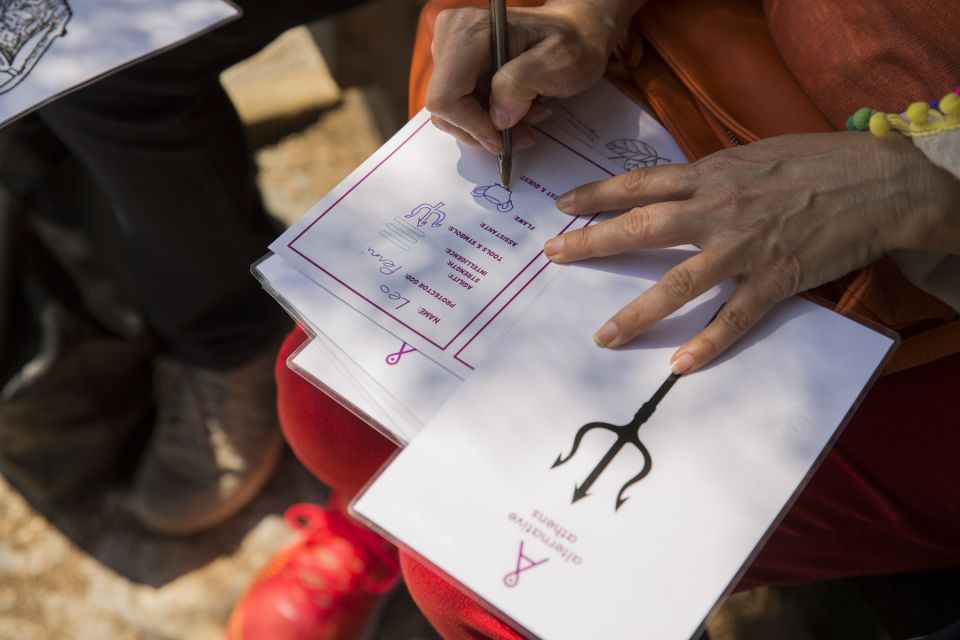
- Pnyx includes a legend-based family activity that turns history into something you make together
- English and French live guiding helps families stay in sync during the walk
- Entry tickets can be pre-purchased if you select that option, which can save time
Greek gods at kid volume: what the Athens family mythology tour is really like

This is not a silent, look-and-guess kind of Acropolis visit. It’s a guided walking experience built around storytelling that works for children roughly ages 5 to 11—so you’ll get myths explained in a way kids can actually follow while parents get enough history to feel satisfied.
The structure matters. You’ll move site to site on foot, and the guide keeps switching gears between buildings and the gods or heroes tied to them. That’s why the tour feels like a single narrative instead of a checklist. The route also hits the places families usually notice most: the grand entry area, the key temple spots, and then the big finale at the Parthenon and the Pnyx.
Guides for this tour have a track record of being patient and playful with kids while still handling real questions from adults. In the group setting, you’ll often hear guides named Christina, Kelli, Chrysa, Maria, Demi, Sophia, and Dani mentioned for that exact balance—calm, fun, and able to answer follow-ups without shutting down the kids.
You can also read our reviews of more tours and experiences in Athens.


A tight 3-hour loop on foot: how the route and timing feel

You’re in Athens for a short window, so the tour sticks to an efficient path on the Acropolis hill and then steps down to the Pnyx area. Duration is 3 hours, with the walk and guided segments planned so you’re not stuck waiting around.
Starting point varies based on what you pick, and the booking offers multiple start location options. The practical takeaway: choose the meeting area that’s closest to where you’ll naturally be that morning. If you’re relying on a phone map, still double-check your exact meeting point instructions. A couple of families ran into confusion at the start when the shared location didn’t match reality, and it cost time—time you don’t want to waste with kids.
The day flows like this:
- Short guided segments at the early stops (roughly 10–15 minutes each)
- A longer, slower-feeling section at the Parthenon (70 minutes)
- A short walk to the Pnyx
- A final guided period at Pnyx (45 minutes), built around stories plus an activity
That mix is why it works. You don’t spend the whole day standing still, and the most iconic stop gets enough attention to matter.
Theatre of Dionysus: drama’s birthplace, explained for real humans
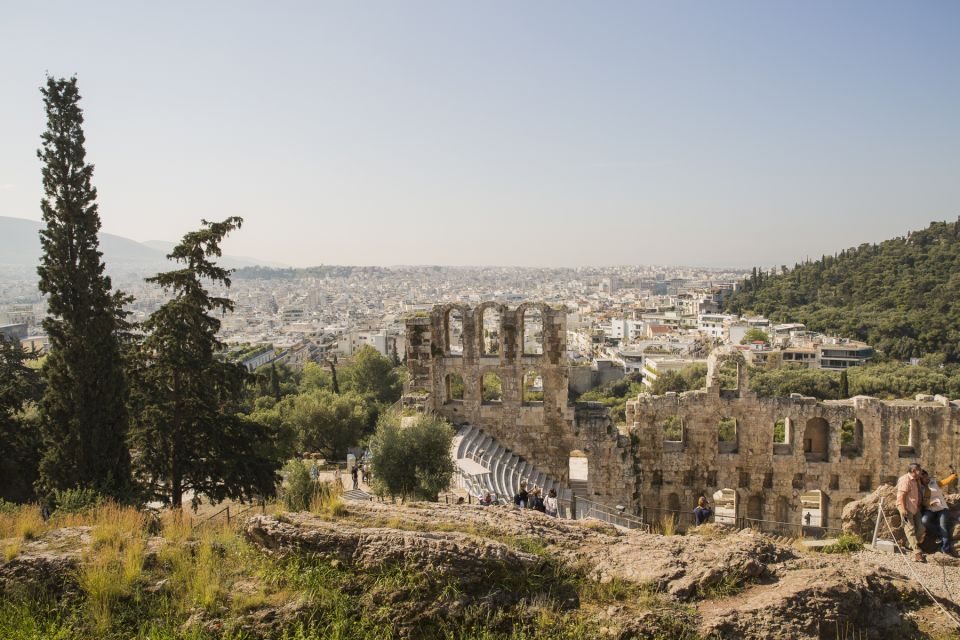
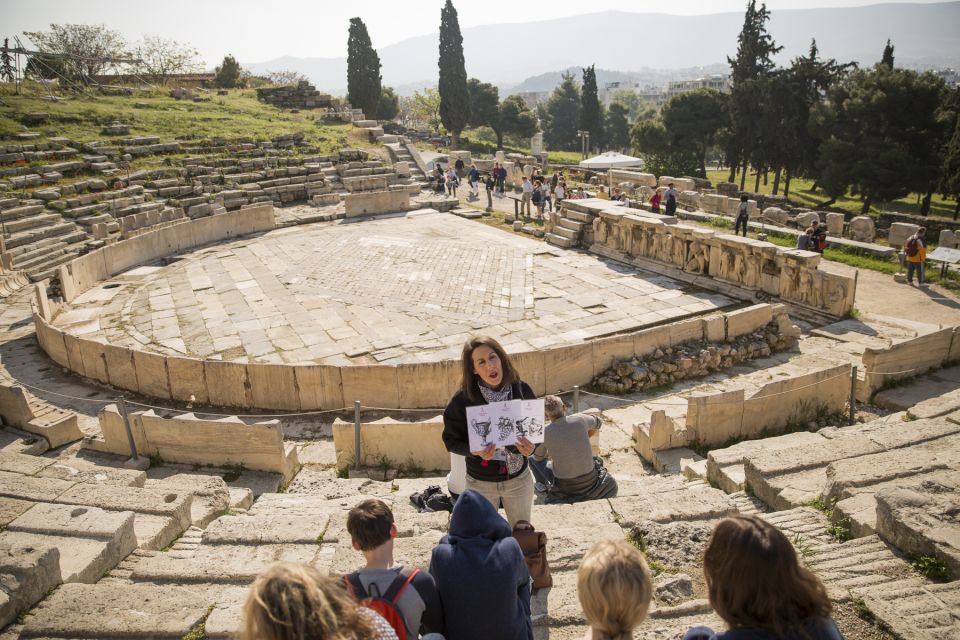
The tour starts with the Theater of Dionysus, where the guide sets up the idea of drama and performance as part of Greek life—not just entertainment. Even if your kids don’t know the word theater history yet, they usually connect fast because the story is about people, characters, and conflict.
You’ll get a guided walkthrough here for about 15 minutes. That’s long enough to grasp the big idea and short enough that you’re not dragging everyone through details when their energy is still fresh. I like this first stop because it gives context before the scenery overload begins: once you understand what Dionysus represents (wine, theater, storytelling), the rest of the Acropolis reads differently.
For families who have kids into school classics (or who just love monsters and gods), this stop often becomes the one that makes everything feel personal. Dionysus is an accessible doorway into Greek mythology because he connects multiple themes kids already get: parties, performance, and storytelling.
Propylaea, Athena Nike, and Erechtheion: the Acropolis as a message board
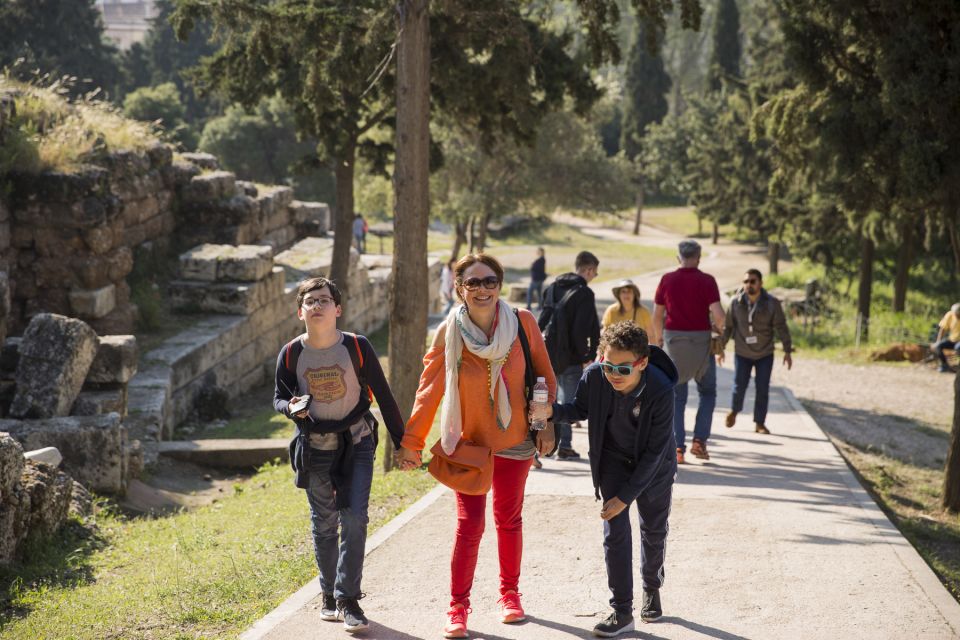
Next come the grand approach and the temple cluster that shows how the Athenians used architecture to talk about power, wisdom, and divine protection. You’ll spend shorter guided stretches here—about 10 to 15 minutes per stop—so the guide can explain what you’re seeing without turning it into a lecture.
Here’s the value of this section: these aren’t random stones. Each building helps answer why Athens looked the way it did and what the city wanted people to remember.
- At the Propylaea, you get a sense of arrival and ceremony—like the Acropolis is an important stage, not just a hill full of ruins.
- At the Temple of Athena Nike, the focus is on Athena and victory themes, with the guide tying it back to the goddess of wisdom.
- At the Erechtheion, you’ll get stories that help explain the site’s significance beyond the name. Even if kids don’t retain every detail, they usually remember the emotional tone the guide builds: reverence, rivalry, and the gods acting like close-to-home forces.
The “family-friendly” part of this segment isn’t that the facts are watered down. It’s that the guide chooses what to emphasize: what each myth tells you about the people who believed it, and why the myths stuck.
Parthenon time (70 minutes): making the icon feel understandable
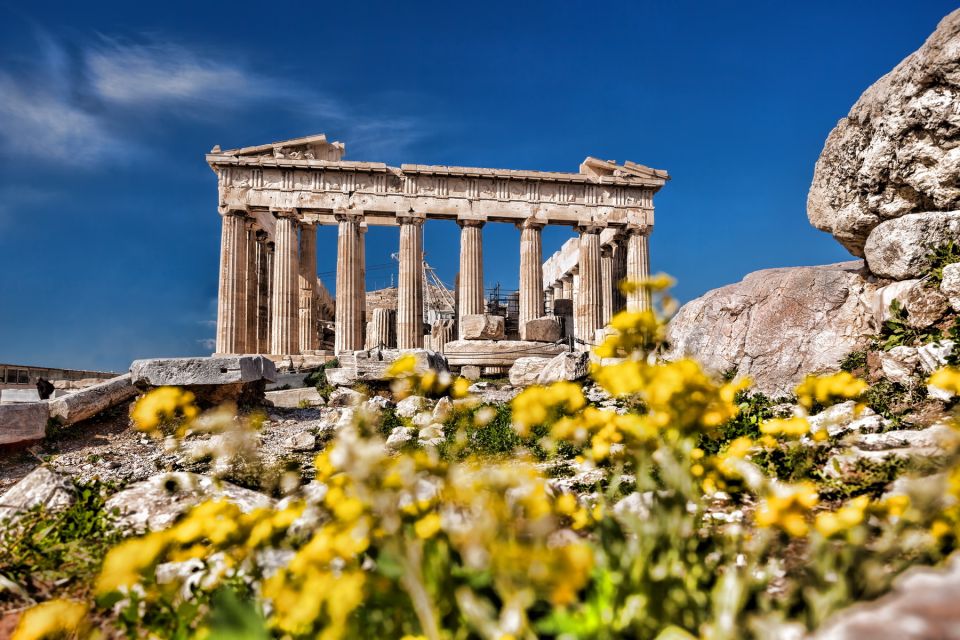
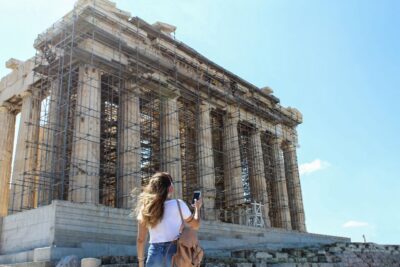
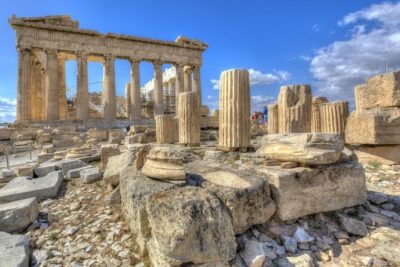
Then you hit the main event—the Parthenon—with a guided segment that runs about 70 minutes. That’s substantial. Many self-guided visits treat the Parthenon like a quick photo stop, but this tour treats it like a story that needs space.
You’ll learn how the guide turns the building into a set of symbols connected to major figures: Athena at the center, plus the wider cast of gods and heroes that Greek myths revolve around. Kids often do surprisingly well here when the guide uses short moments of interaction—questions, prompts, and quick story links—rather than long stretches of speaking.
At the same time, this is where adults tend to feel the payoff. Parents who care about details usually appreciate that the guide doesn’t just say, It’s famous. The explanations connect design choices to the mythology and the message Athens wanted to send.
A fun pattern seen in guides like Maria and Sophia is how they manage attention. When kids get restless, the guide re-centers with a story beat. When adults want more context, the guide gives it—without making children feel left out.
Practical note: this is also the longest stretch in sun and on your feet. Wear comfortable shoes and take the moment to pace yourself. If you have kids who tend to sprint, set the tone early: this is a “walk slowly and look carefully” kind of hour.


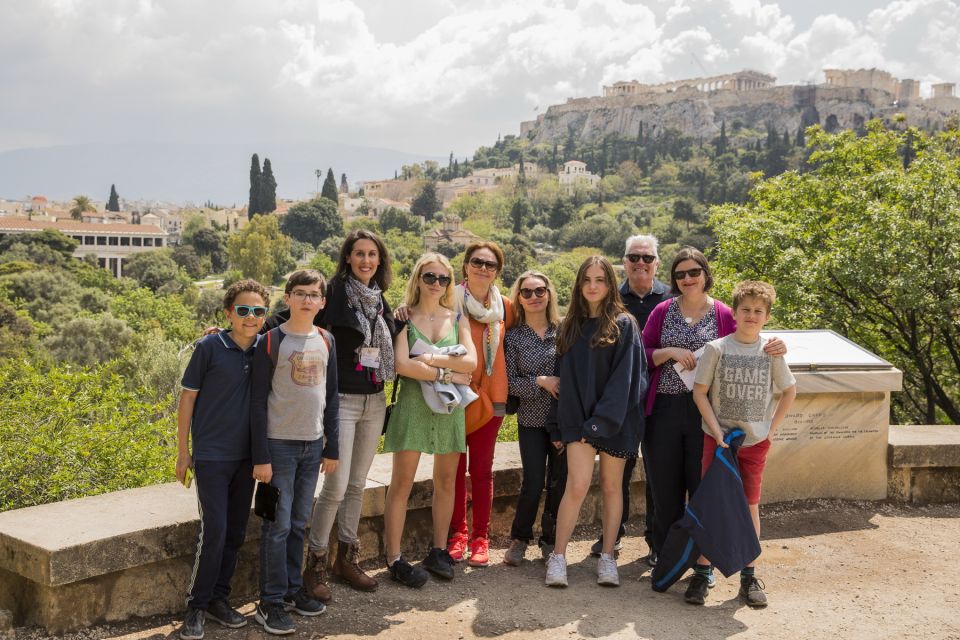
Pnyx Hill: democracy stories plus an activity you can do together
After the Parthenon, there’s a short walk (about 15 minutes) to the Pnyx, which the guide frames as the birthplace of democracy—where Athenians gathered to discuss politics. That shift is smart for families. It changes the theme from gods and heroes to civic life, showing how myth and society were intertwined.
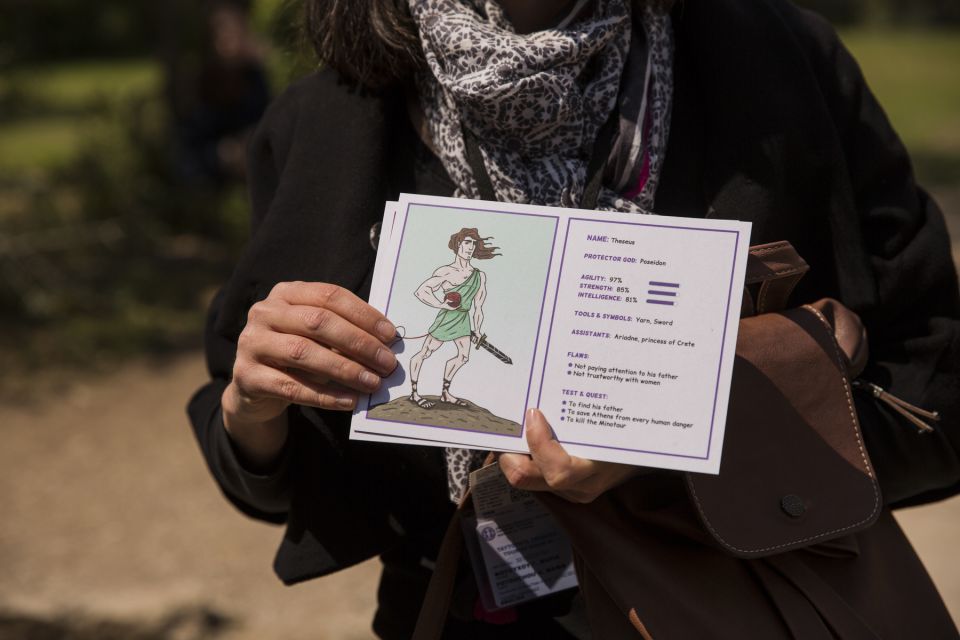
You’ll then get about 45 minutes of guided time at Pnyx. Here, the guide brings in additional myth material connected to stories families often know—or can quickly grasp: Theseus and the Minotaur, Zeus’s jealous wife Hera, and Aphrodite, the goddess of love and beauty.
What makes this stop special isn’t only the stories. It’s the group family activity inspired by ancient legends that’s led here. Kids aren’t just sitting and listening; they’re interacting with the setting and building something together as a family. It also helps the mythology stick, because it becomes a memory tied to your own actions, not only the guide’s words.
If you want a souvenir that isn’t just a magnet, this is the closest thing on the tour: the “we made this moment” factor. Even parents who think kids won’t stay engaged often end up surprised by how much they enjoy this part.
Price and value: what $79 buys your family in Athens
At $79 per person for a 3-hour guided experience, you’re paying for three things families usually want:
1) A guide who can keep children focused without losing adult interest
2) Access to the main storytelling framework across multiple Acropolis sites in one morning
3) Included activity material for kids, especially at Pnyx
The cost is also easier to justify because the tour can include Acropolis entry tickets if you select that option. If you don’t select tickets, entry fees may need to be handled separately. The good news is that entry tickets can be pre-purchased if you let the provider know, which can help you avoid delays at the gate.
There’s also a helpful age-based rule to know: access to the Acropolis is free for European Union citizens under 25 with valid ID or passport, and from April 1, 2025 there are additional free-entry rules for EU and non-EU citizens under 18 (with a valid ID or passport). If your kids fall into these categories, you can treat the $79 as primarily paying for the guide and the activity, not for site entry.
So is it worth it? For families, yes—especially if you want the Acropolis explained in a way that works for children and you don’t want to spend your limited time sorting out what to see and how to connect it all.
What to watch out for: strollers, backpacks, and summer sun

This tour has real-world restrictions that matter. Strollers are not allowed, and backpacks are also not allowed at the Acropolis, meaning big bags won’t work either. You’ll want to plan for a simple carry approach—think small daypack or nothing bulky, depending on what you’re bringing.
It’s also not suitable for wheelchair users. If accessibility is a key need for your group, you’ll want to look for a different format.
The other practical issue is comfort. Bring a sun hat, sunglasses, and comfortable shoes, and plan for Athens weather. One recurring theme in families’ experiences is that summer can feel like too much time in the heat. There aren’t many water stops built into the route, so bring water if you’re able and take breaks when your guide allows them.
Finally, keep an eye on meeting point accuracy. Some people have had trouble when the meeting address shown on an app didn’t match where the group actually gathered. Before you leave, verify the meeting point details in your confirmation so you’re not backtracking with kids.
Who this tour suits best (and who might be happier elsewhere)
This is best for families with kids around 5–11 years old. That age range matches the tour’s story length, activity type, and energy level. If you’re traveling with younger kids, you might find the walking and focus requirements a bit tough, especially in peak heat.
It also fits families who want more than a quick photo sweep. If your kids like myths, monsters, gods, heroes, and anything with a dramatic storyline, this tour is built for them. If your kids are curious about classics, Greek culture, or just why people built something so enormous, you’ll get lots to chew on.
For multi-generation groups, it can also work because the guide brings in context for parents while still keeping the pace kid-friendly. You’ll often see that balance in guides like Christina and Chrysa, who were highlighted for patience and engaging explanations even when kids ask a lot of questions.
If your group needs a slower, fully seated option, or if you rely on wheelchairs, this one may not fit.
Should you book the Athens Mythology Tour for Families?
Book it if you want a family-friendly route up the Acropolis that connects the Parthenon and Pnyx to the gods and heroes kids actually care about, and you want a guide to manage attention so everyone learns something. The $79 price makes sense when you factor in a small group size, a kid-focused guide, and the legend-based activity that gives you a shared “we did this” memory.
Skip it or switch plans if heat and walking are major concerns for your family, if your group can’t meet the stroller/backpack rules, or if wheelchair accessibility is required.
If you do book: keep your morning simple, wear good shoes, bring sun protection, and double-check your meeting point instructions before you head out. That’s how you get the fun, myth-filled part without the avoidable stress.
FAQ
How long is the Athens Mythology Tour for Families?
The tour duration is 3 hours.
What is the right age range for this tour?
This tour is more suitable for children aged 5–11 years old.
How large is the group?
It’s a small group tour with a maximum of 15 people.
Is Acropolis entry included?
Acropolis entry tickets are included if you select the option for entry tickets. The tour can also pre-purchase tickets for you if you let the provider know.
What languages are offered?
The live tour guide is available in English and French.
What happens at the Pnyx?
At Pnyx, you join a group family activity inspired by ancient legends, based on the gods and heroes you heard about during the tour.
Are strollers or backpacks allowed?
Baby strollers are not allowed, and backpacks are also not allowed at the Acropolis and should not be taken on the tour.
Is the tour wheelchair accessible?
No, the tour is not suitable for wheelchair users.
What should I bring?
Bring a passport or ID card, comfortable shoes, sunglasses, and a sun hat.
Is there free cancellation?
Yes. You can cancel up to 24 hours in advance for a full refund.
You Might Also Enjoy

More Tours in Athens


More Tour Reviews in Athens
- All Day Cruise -3 Islands to Agistri,Moni, Aegina with lunch and drinks included
★ 5.0 · 4,958 reviews