REVIEW · ATHENS
Athens: The History of Greek Mythology Private Tour
Book on GetYourGuide →Operated by Withlocals · Bookable on GetYourGuide
Greek myths stop being stories when you can point at the places tied to them, and this Athens private tour makes that connection feel practical, not academic. You get Greek mythology explained on the sidewalks and in the public spaces where Athenians once gathered, argued, worshiped, and traded.
Two things I like a lot: first, the tour mixes famous anchors with everyday Athens stops, like the Varvakios central market and the Monastiraki flea-market area. Second, the format is built around a local history expert, with plenty of time to ask questions and keep the pace human. Guides such as Vitturi, Markella, Costas, Elisivet, Myriam, and Irini are specifically praised for making the stories click and keeping things flowing smoothly.
One possible drawback: it’s a walking tour with a moderate amount of walking, and it isn’t suitable for pregnant women or anyone with mobility impairments or who uses a wheelchair. You’ll want comfortable shoes, and you should plan for getting around on your feet.
In This Review
- Key points worth knowing
- Why Greek mythology belongs on Athens streets
- Meeting outside Nakas Book House: how to start clean
- Academy of Athens and University area: myths meet modern Athens
- Varvakios central market: a realistic Athens backdrop for old stories
- Monastiraki flea market area: stories in motion
- Ancient Agora and Roman Agora: public life, myth, and power
- Your guide matters: what makes the best ones special
- Price and value: is $187 per person worth it?
- Who should book this Athens mythology tour
- Should you book it?
- FAQ
- How long is the Athens: The History of Greek Mythology Private Tour?
- Is the tour private, and is there a live guide?
- Where do we meet the guide?
- Is hotel pickup or drop-off included?
- What should I bring for the tour?
- Is the tour suitable for wheelchair users or people with mobility impairments?
- Is the tour suitable for pregnant women?
- What is the cancellation policy?
Key points worth knowing
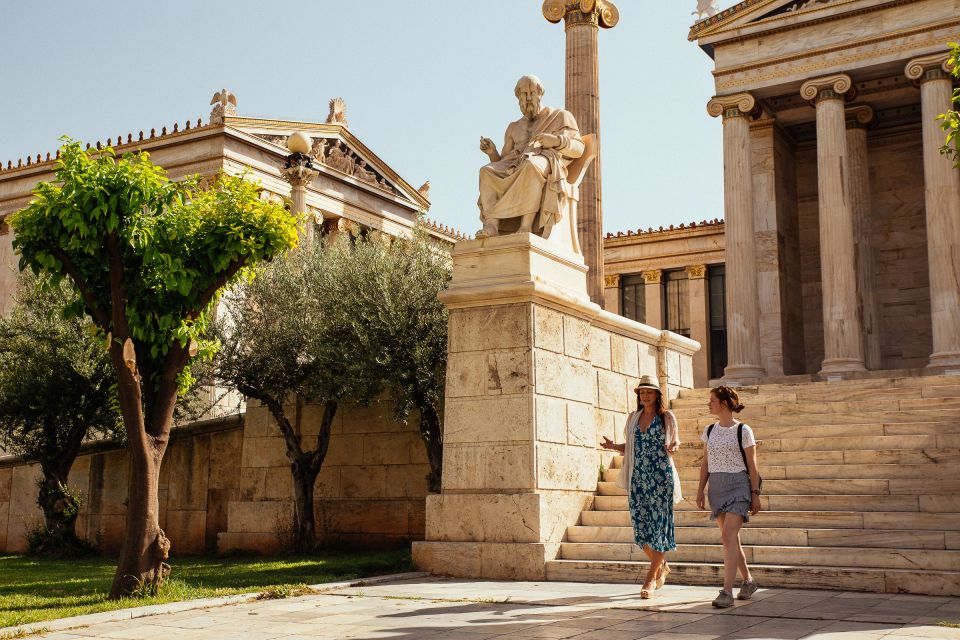
- Myths tied to real stops: you connect legendary characters to the city’s actual landmarks and civic spaces
- A local history expert, not a slideshow: the tour is built around live questions and on-the-spot explanations
- Markets and neighborhoods: Varvakios and Monastiraki add a very Athens kind of context, not just monuments
- Ancient Agora plus Roman Agora: public life in multiple eras helps the mythology feel grounded
- 3 hours, private group pace: you can move at a comfortable speed and stay engaged
Why Greek mythology belongs on Athens streets

Athens is where Greek mythology stops feeling like distant bedtime reading. The gods and heroes show up in everyday thinking—names, symbols, and even the way public spaces were designed for community life. This tour leans into that idea by having you move between key sites and then translate what you see into story.
What makes it work is that you’re not just hearing myths. You’re getting the “why here” behind them: why a certain area mattered, how civic life shaped beliefs, and how later Athens kept echoing earlier ideas. That’s the difference between a memorized timeline and a sense of place.
I also like that the tour treats myth as something people used to organize their world. Your guide connects myth to locations—universities and academies, the central market region, and the agoras—so your brain forms a map. If you plan to roam on your own afterward, that mental map is the real souvenir.
You can also read our reviews of more private tours in Athens


Meeting outside Nakas Book House: how to start clean
The meeting point is outside Nakas Book House. It’s an easy detail to miss on a busy day, so I’d treat it like the start of a mission: arrive a few minutes early, get oriented, and ask your guide a quick question right away.
From there, the pacing is designed to make you feel like you’re walking through layers of Athens rather than rushing through checkboxes. The guide’s job is to connect the dots while you’re still in motion, so don’t show up with a stopwatch mindset. Think of it as a guided route that sets up your independent wandering later.
One more practical note: there’s no hotel pickup or drop-off included. So plan to get yourself to the meeting area on your own, then return the same way. If you’re staying near central Athens, that usually keeps things simple.
Academy of Athens and University area: myths meet modern Athens
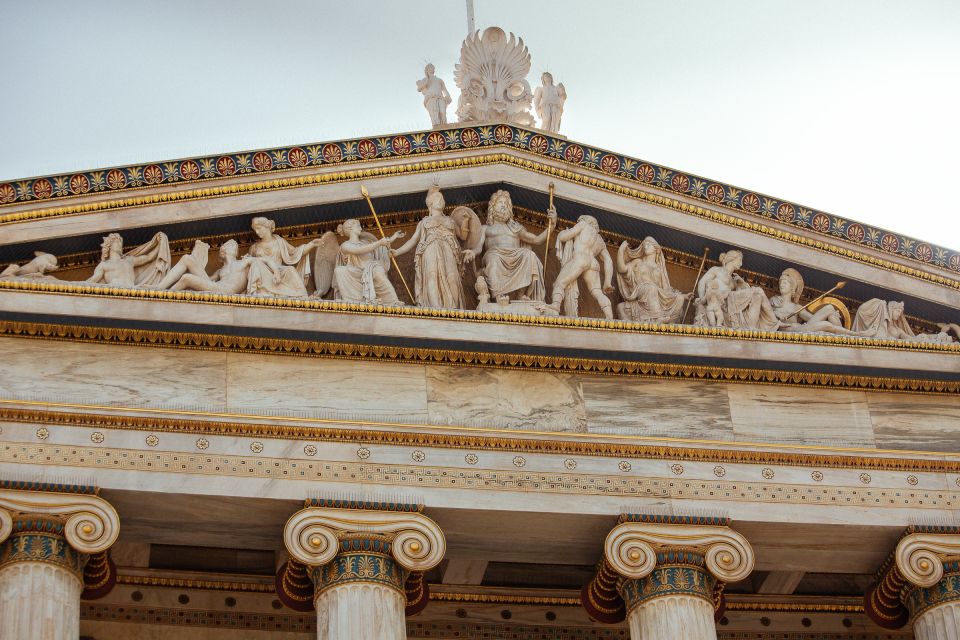
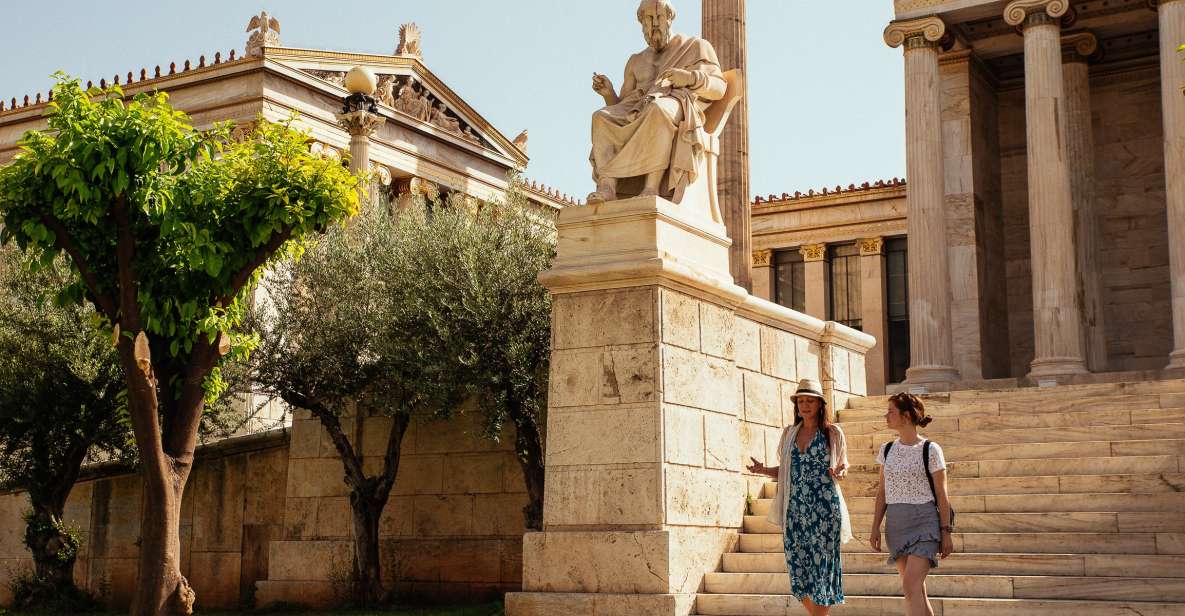
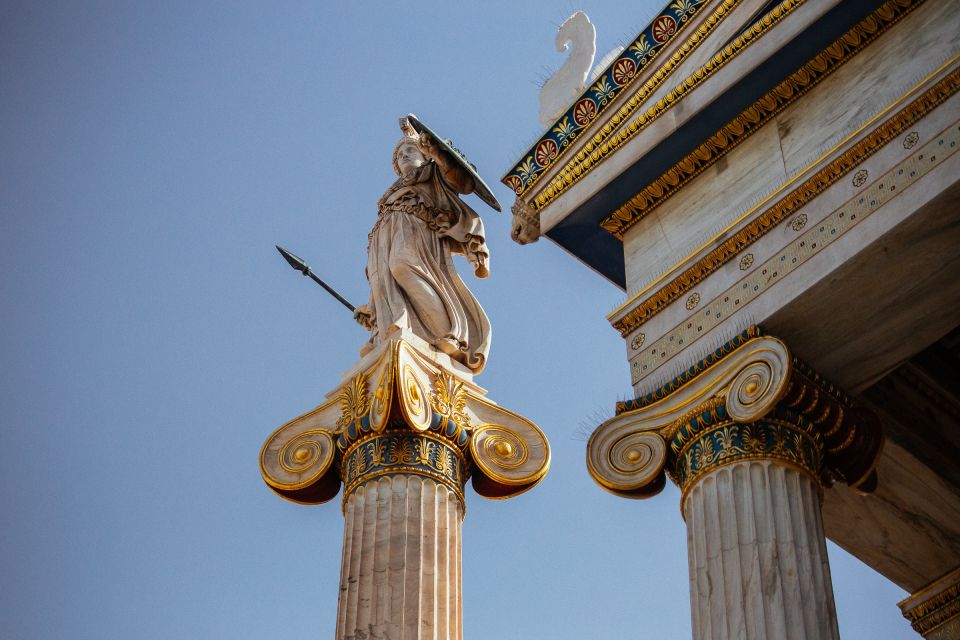
One of the early stops is the University and Academy of Athens area. Even if you’re not a campus-tour person, this is a smart place to start your mythology context. It’s where Athens shows its “learning city” identity in a way that’s easy to understand: scholarship, civic culture, and public institutions.
Your guide uses the site to bridge past to present. You’ll hear stories that explain how myth-thinking shaped identity, and you’ll likely notice how Athens loves reusing meaning—old ideas wrapped into newer structures. That’s a useful theme for the rest of the walk.
If you’ve only seen Athens through the lens of one big attraction, this portion is a quick correction. It helps you widen the frame before you head into the older civic zones where myth and public life really collide.
Varvakios central market: a realistic Athens backdrop for old stories
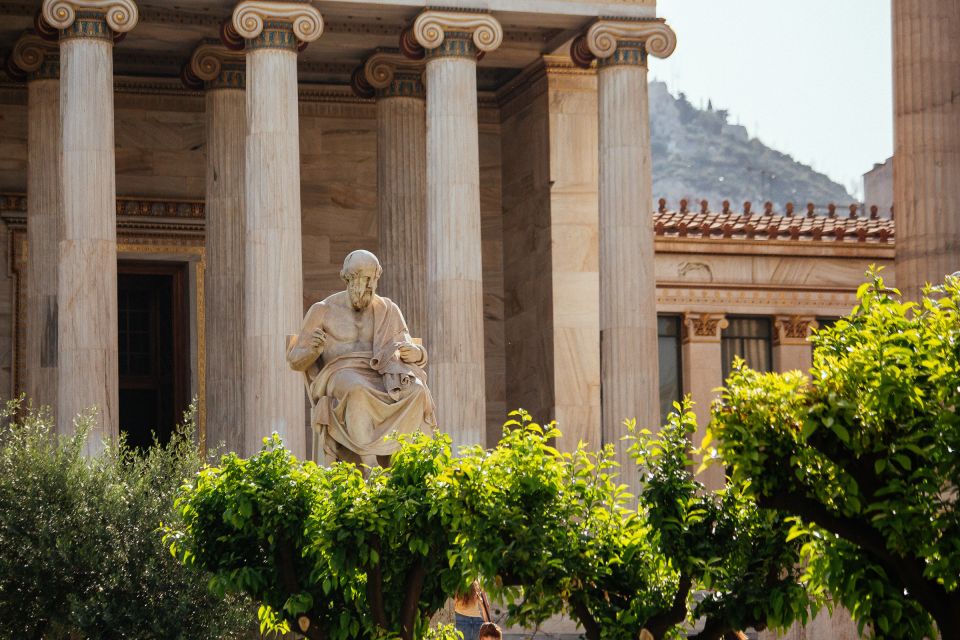
The tour also includes Varvakios, the central city market area. This is where the experience turns from “look up at history” to “look around at life.” Markets are where people talk, argue, share news, and move goods—basically the social DNA of a city.
In a mythology tour, markets might sound like a detour. But here, it works as a contrast tool. When your guide connects myth to civic thinking, Varvakios becomes proof that public culture wasn’t only for temples and statues. It was for daily routines too.
You can also expect your guide to help you read the area with historical relevance, not just point and move on. This is especially valuable if you’re visiting Athens for the first time and you want a sense of the city’s rhythm beyond monuments.
Monastiraki flea market area: stories in motion
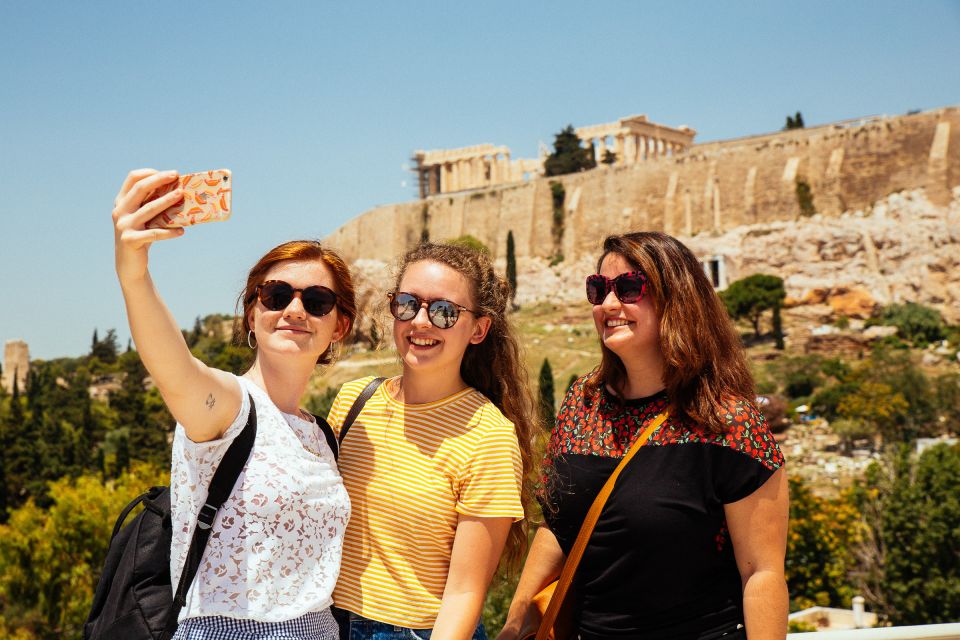
Another stop is the Monastiraki flea market area. This section adds texture. Flea markets aren’t quiet. They’re about exchange, curiosity, and improvising—exactly the kind of environment where stories spread.
A good guide uses that energy to keep the mythology grounded. Instead of treating myths like something sealed in a museum, the tour frames them as part of how people made sense of the world. You’ll get explanations that tie symbols and characters to Athens locations, while the market setting keeps the whole thing human.
If you like tours that feel like a walk through real neighborhoods, not a scripted museum circuit, Monastiraki is a strong reason to pick this option. Just keep in mind it’s still moderate walking, so keep your shoes on standby.
You can also read our reviews of more historical tours in Athens





Ancient Agora and Roman Agora: public life, myth, and power
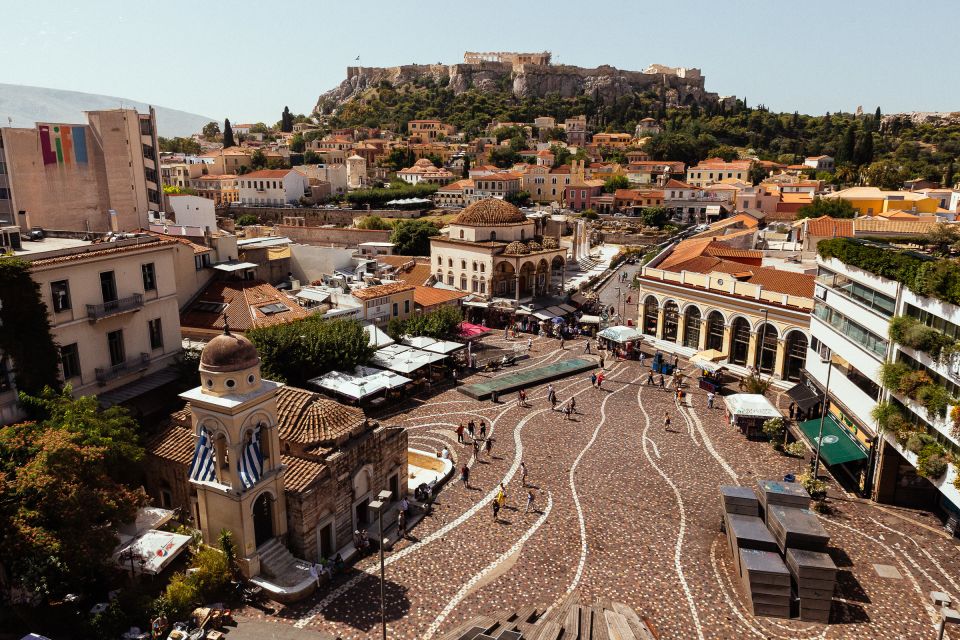
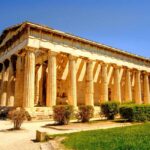
From the guide praise, one of the most common highlights is the pairing of the Ancient Agora and the Roman Agora. This is where Athens becomes a living lecture. The agoras were about more than commerce; they were public stages.
When you stand in these civic spaces, mythology feels less like fantasy and more like social language. Your guide can connect how stories mattered to identity and how public life carried meaning across eras. The Roman Agora angle is particularly useful because it reminds you Athens didn’t just “stop” after Greece’s classical peak. It kept transforming, and older meanings stayed in the conversation.
This part of the tour also tends to be where the questions come fast. That’s a good sign. The tour format is private, so you’re not stuck waiting for the group. If you’re curious about how myths intersected with politics, religion, or everyday decisions, this is the area where your guide can answer it directly.
Your guide matters: what makes the best ones special
This tour is a private experience with a live guide in English. That’s already a big deal. But the standout pattern in the guide feedback is how smoothly they tell the story and how ready they are with answers.
For example:
- Vitturi is singled out for being friendly and highly informed, with a tour that covers major sites like the Ancient Agora, Roman Agora, and the Academy and University of Athens.
- Markella is praised for being on time and for a smoothly flowing walk with interesting stories that go beyond what you expect.
- Costas and Elisivet are described as making history feel applicable, with quick myth crash courses and a personable style.
- Myriam and Irini are highlighted for bringing kids and adults along, taking people to local markets, and even steering toward less-visited streets around the Acropolis region. Irini also stands out for helping people find a favorite coffee spot and pointing to a good lunch option.
The practical takeaway: if you show up with questions—about gods, symbols, or why Athens looked the way it did—you’re likely to leave with a clearer mental map and a better sense of what to watch for next.
Price and value: is $187 per person worth it?
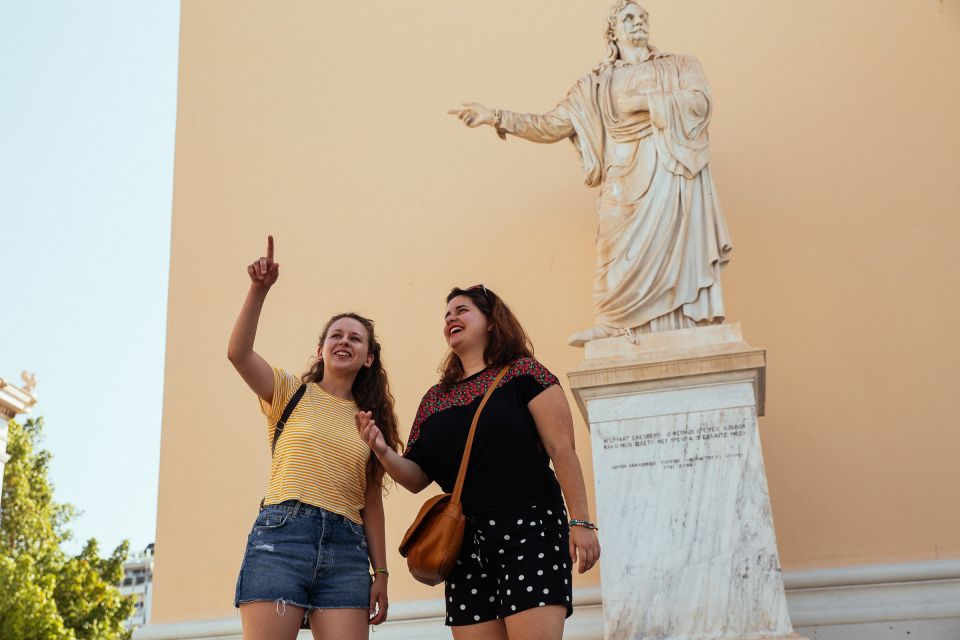
At $187 per person for 3 hours, you’re paying for three things: a private guide, focused storytelling, and multiple meaningful stops in central Athens. It’s not just “someone walking next to you.” A mythology theme needs a guide who can connect places to ideas without turning it into a lecture.
So what makes the value feel fair?
- Private format: you get attention and can ask questions without waiting.
- Prime area coverage: you hit central Athens zones like markets and agoras, not only one monument cluster.
- Time efficiency: 3 hours is long enough to build a storyline, but short enough not to drain your energy before you explore the rest of the city.
What you should factor in: hotel pickup and drop-off aren’t included, and there’s a moderate amount of walking. If you’re relying on someone to get you from place to place, this won’t feel as convenient as a car-based tour. If you’re comfortable meeting up and walking, the price-to-time ratio starts to look more attractive.
For many people, the real bargain is not the cost—it’s the way the tour prepares you to understand Athens on your own afterward. If you want that kind of head start, this tour fits.
Who should book this Athens mythology tour

This experience is a good match if:
- you want a private walking tour with real-time Q&A
- you care about Greek mythology but also want the story anchored to specific places
- you like a mix of landmarks and neighborhoods, including market areas like Varvakios and Monastiraki
- you plan to keep exploring Athens afterward and want context that helps you read the city
It’s not a good match if:
- you’re pregnant
- you have mobility impairments or use a wheelchair
- you want something with no walking at all
Should you book it?
If you’re the type of visitor who wants Athens to make sense—where myths explain not only gods but also civic life—this tour is a strong choice. The guide-driven format is the main reason. You’ll walk away with story connections that are hard to get from a guidebook alone.
Book it if you’re starting your Athens trip and want a myth-to-map foundation for the days ahead. Skip it if walking is hard for you or if you’d rather spend your time inside one major site with minimal movement.
If you do book, go in with a couple of mythology questions you genuinely care about. Your guide is there to answer them, and that’s when the 3 hours really pay off.
FAQ
How long is the Athens: The History of Greek Mythology Private Tour?
The tour lasts 3 hours.
Is the tour private, and is there a live guide?
Yes, it’s a private group with a live tour guide in English.
Where do we meet the guide?
Meet your guide outside of Nakas Book House.
Is hotel pickup or drop-off included?
No, hotel pickup and drop-off are not included.
What should I bring for the tour?
Bring comfortable shoes since there is a moderate amount of walking.
Is the tour suitable for wheelchair users or people with mobility impairments?
No. It is not suitable for wheelchair users or people with mobility impairments.
Is the tour suitable for pregnant women?
No. It is listed as not suitable for pregnant women.
What is the cancellation policy?
You can cancel up to 24 hours in advance for a full refund.
You Might Also Enjoy


More Private Tours in Athens

More Tours in Athens


More Tour Reviews in Athens
- All Day Cruise -3 Islands to Agistri,Moni, Aegina with lunch and drinks included
★ 5.0 · 4,958 reviews