
REVIEW · ATHENS
Athens: National Archaeological Museum Ticket w/ Opt. Audio
Book on GetYourGuide →Operated by Key Tours · Bookable on GetYourGuide
Ancient Greece is one ticket away. I love how pre-booked admission helps you scan in and get moving, and I love seeing the Gold Death Mask of Agamemnon up close. One possible drawback: the museum is big enough to feel overwhelming fast, and the phone-based audio can be hit-or-miss in a few spots.
I also like that this is truly self-guided. You get an e-ticket by email, you explore room to room at your pace, and the audio (if you select it) can make the timeline feel less random. Plan to start near the Omonoia metro and wear shoes you trust—this is the kind of museum where rushing usually makes you miss the best details.
In This Review
- Key things to know before you go
- The National Archaeological Museum: Athens’ big “show-and-tell” of Greek antiquity
- Entering fast at the gate: the timed e-ticket and the right line
- Practical arrival plan
- Self-guided audio for museum time (and Plaka/Old Town later)
- How to make the audio actually useful
- A smart route through the museum: eras, rooms, and where to spend your time
- Step 1: Start with the time-line flow
- Step 2: Plan a “deep look” zone for the headliners
- Step 3: Don’t skip the second-floor Santorini culture
- The must-see masterpieces: what to look for when you spot them
- Agamemnon’s mask and the power of face-to-face scale
- Zeus, Poseidon, and the sculpture rooms
- Antikythera mechanism, Cup of Nestor, Ring of Theseus
- Timing, heat, and comfort: making the museum day feel good
- Go earlier to beat crowds
- Seasonal opening hours (so you don’t get caught out)
- Plan for heat and seating limits
- Phone comfort tip
- Price and value: does a $30 ticket make sense?
- Who this museum ticket is best for (and who should adjust expectations)
- Should you book the National Archaeological Museum ticket with optional audio?
- FAQ
- Is admission included, or do I need to buy a separate museum ticket?
- Do I get an audio guide with this ticket?
- What language is the optional audio tour in?
- Where should I go to start the visit?
- What should I bring with me?
- What are the museum opening hours?
- Is this ticket refundable?
Key things to know before you go
- Skip the ticket lines with a timed e-ticket scan at the entrance
- Follow a time-line layout, but expect you might still need extra “where am I?” moments
- See major headline objects like the Antikythera mechanism, Cup of Nestor, and Ring of Theseus
- Get up close to statues of Zeus, Poseidon, and more (including Aphrodite)
- Use the audio smartly and be ready with headphones and possibly a power backup
- Time your visit well to reduce heat stress and crowd pressure
The National Archaeological Museum: Athens’ big “show-and-tell” of Greek antiquity
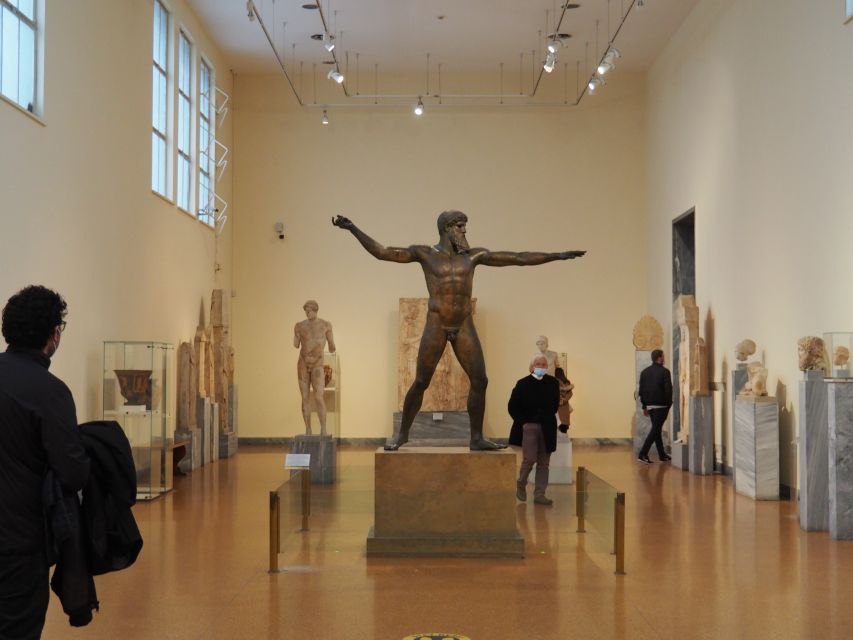
The National Archaeological Museum is the largest archaeology museum in Greece, and it’s built for exactly this kind of long, satisfying wander. You’re not looking at one small highlight—you’re looking at a major cross-section of Greek life, belief, art, and craftsmanship, pulled together from sites across the country.
What makes it special is the sheer range in one building. You’ll see major treasures alongside lots of “why is this important?” objects that help connect the dots. Several rooms are organized by era (the museum’s time-line approach is part of the point), so your visit feels like a guided story even if you’re moving solo. And because it’s such a landmark museum, you’ll recognize pieces that have lived in history textbooks and documentaries—then you’ll get to see their scale and finish in real life.
The building itself is also part of the experience. Reviews often mention lots of natural light and rooms that feel airy rather than cave-like. That matters here, because labels, floor plans, and object details are your best friends.
Bottom line: this isn’t a quick “look and leave” museum. It’s a “choose your pace and stay curious” kind of stop.
You can also read our reviews of more tours and experiences in Athens


Entering fast at the gate: the timed e-ticket and the right line
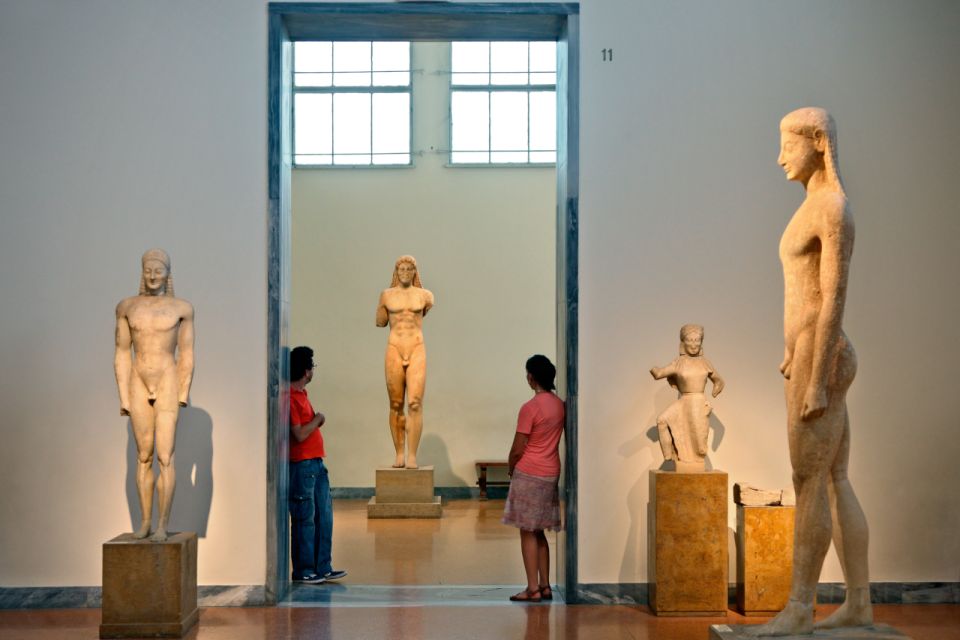
This experience is built around one simple promise: you pre-book, scan in, and avoid the slow ticket-buying loop.
When you arrive, keep your eyes open for the correct queue. One of the most useful tips is that there can be different lines for:
- people buying tickets on the spot
- people with tickets already checked in
- people picking up an electronic narrator device (if that’s how your audio option is handled)
That sounds fussy, but it saves real time if you don’t guess and you just look for the line that matches your situation.
Practical arrival plan
Start at the nearest metro station: Omonoia. From there, walk with purpose. You want a calm entrance, because once you’re inside you’ll naturally slow down.
Bring a passport or ID card (a copy is accepted) and headphones. Even if you’re not using audio, headphones can help if anything prompts you to switch modes. Also, check your device before you enter—if the audio option is selected, you’ll want it working when you need it most.
Self-guided audio for museum time (and Plaka/Old Town later)
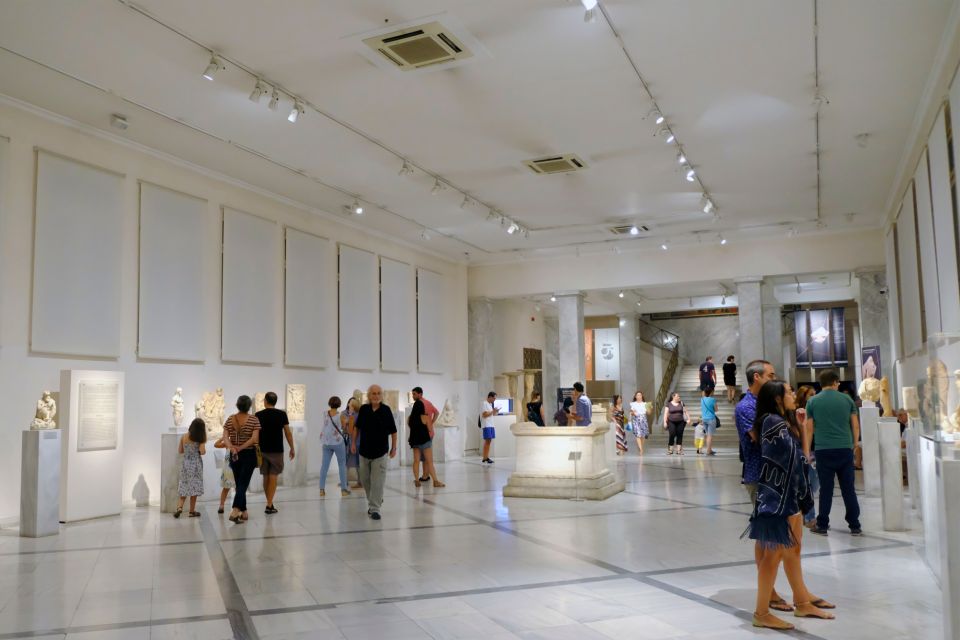
You have two audio possibilities here, and it’s worth understanding the difference.
- You can get a self-guided audio tour for Athens Old Town and Plaka with all options.
- You only get the self-guided audio tour for the National Archaeological Museum if you select the option that includes it.
That means you can use the audio for two different moods: museum time inside the museum, then a slower neighborhood walk afterward in Plaka/Old Town.
How to make the audio actually useful
The museum is large, and even with a time-line layout, you can still lose your place. I’d treat audio like a navigation tool, not just background sound. A simple strategy:
- Start with a section or theme (early eras, then sculpture highlights).
- Let the audio point out the next “big stop.”
- When you feel turned around, pause and reset your route instead of powering through.
There are a few real-world issues to plan for. Some people report that audio references don’t always trigger as expected and that the app may need resetting. Also, audio can drain phone battery, so I’d bring a portable charger if you’re spending more than a short time inside.
If you run into a silent gap, don’t panic—just keep walking and use the museum signage and labels. The collection is strong enough that you won’t feel totally lost.
You can also read our reviews of more museum experiences in Athens




A smart route through the museum: eras, rooms, and where to spend your time
Because you’re self-guided, your “itinerary” is really your personal priorities. Still, the museum’s organization gives you a natural path: move through time-line-style rooms, then connect the eras with the big-name objects.
Here’s a route you can use without needing a tour guide’s choreography:
Step 1: Start with the time-line flow
Expect multiple extended rooms grouped by different periods. You’ll likely see sections connected to eras such as Mycenaean, Athens, and Crete. Let that structure set your pace. If you try to jump straight to the most famous artifacts, the museum can feel less coherent.
A small caution: some visitors find it easy to get turned around, especially if you’re looking for the “correct” timeline flow. If you notice you’ve wandered too far, stop and re-align with the room flow rather than forcing it.
Step 2: Plan a “deep look” zone for the headliners
Once you hit the headline objects, don’t sprint past them. This is where the museum earns its reputation.
Look for:
- the Antikythera mechanism
- the Cup of Nestor
- the Ring of Theseus
- and, later, the sculpture-heavy rooms with gods and heroes in statue form
These are the objects that tend to feel instantly recognizable. Seeing them in person makes the museum’s scale click—history books can’t show you the material presence and craftsmanship the way your eyes can.
Step 3: Don’t skip the second-floor Santorini culture
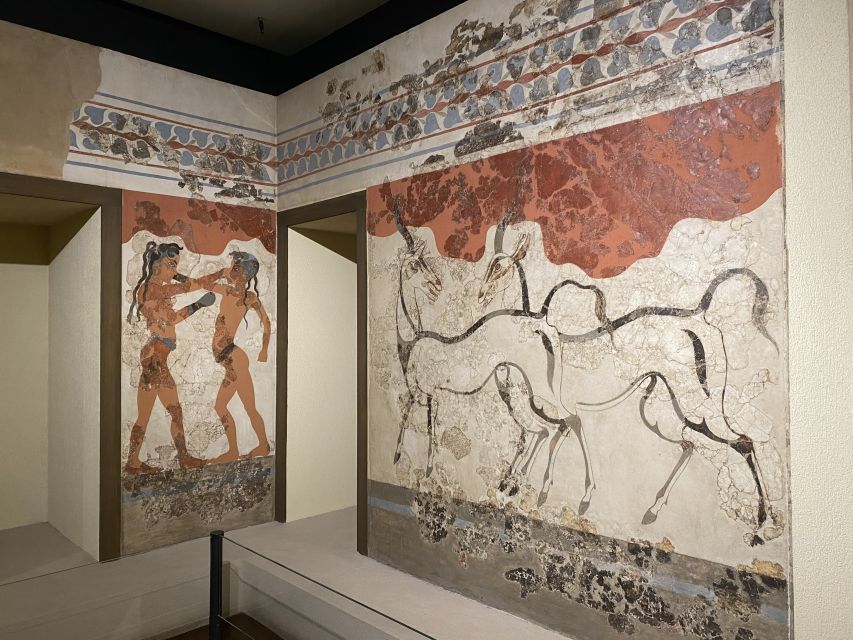
One of the standout structural features mentioned in feedback is the second floor dedicated to the culture of Santorini’s archipelago. That’s a great place to slow down, because it often reads like a different chapter—volcanic phenomena and local artistry seen through artifacts and displays.
If you only do the main floor, you’ll still have a wonderful visit. But if you care about how one region’s story connects to the broader Greek world, this floor is a strong add-on.
The must-see masterpieces: what to look for when you spot them

You’re going to see a lot of sculpture and objects that feel famous before you even get close. Here’s how I’d approach the biggest names so they feel rewarding, not just impressive.
Agamemnon’s mask and the power of face-to-face scale
The Gold Death Mask of Agamemnon is one of the museum’s “stop and stare” pieces. Face-to-face, it carries a kind of directness that photos often soften. I’d spend a little extra time here because it’s one of those objects where details matter: the finish, the expression, the way it’s presented.
If you’re the type who likes to compare, use nearby labels and displays to connect it to surrounding burial and identity themes—then carry that mindset into the next room.
Zeus, Poseidon, and the sculpture rooms
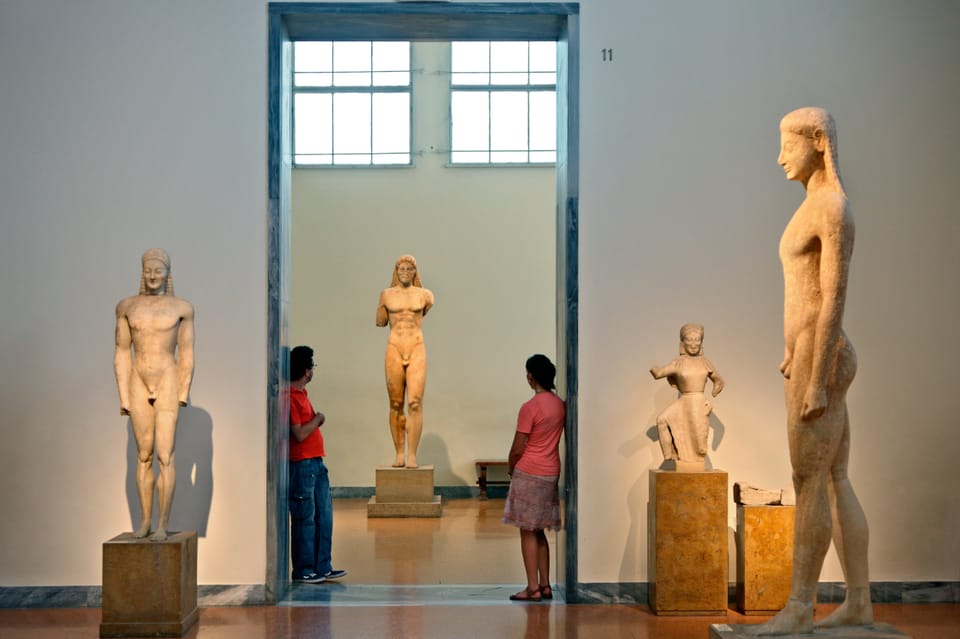
The museum is also a place where you can get up close to statues of Zeus and Poseidon, plus other major sculpture names such as Aphrodite. When you’re standing near large statues, pay attention to proportions and the surface treatment. This is where “ancient art” becomes physical, not just academic.
If you’re hoping for a god-filled checklist, this museum can satisfy—but it’s still a large place, so you may need to choose which rooms get your longest pause.
Antikythera mechanism, Cup of Nestor, Ring of Theseus
These are the kinds of artifacts that instantly change your sense of what ancient Greece could build and measure. You don’t have to read every line to benefit; just let the labels guide you and notice how the museum presents each object within its broader context.
And if you love puzzles and “how did they do this” questions, the Antikythera mechanism is the sort of artifact that makes the whole visit feel more alive.
Timing, heat, and comfort: making the museum day feel good
This museum can be comfortable in mild weather, but Athens in summer can test you. Several practical points matter:
Go earlier to beat crowds
If you want a calmer experience, arriving around opening is a smart move. One simple advantage of going early is avoiding the surge that tends to arrive later in the day. If you can, start near the early end of the day.
Seasonal opening hours (so you don’t get caught out)
Based on the museum’s posted schedule:
- Nov 1–Mar 31: Wednesday to Monday 8:30 AM–3:30 PM; Tuesday 1:00 PM–8:00 PM
- Apr 16–Oct 31: Wednesday to Monday 8:00 AM–8:00 PM; Tuesday 1:00 PM–8:00 PM
Hours can change for special occasions, so it’s worth checking before you commit.
Plan for heat and seating limits
Some rooms can feel hot, and there may be limited seating. If you’re visiting in July or August, I’d plan your route around airier rooms and take breaks before you feel wiped out. If you want frequent sitting stops, build that into your strategy—otherwise expect standing time.
A bonus: going earlier can reduce both heat stress and noise, which makes audio listening easier.
Phone comfort tip
If you’re using audio on your phone, treat battery life like a planning item. Bring a portable charger. The museum is long enough that “I’ll be fine” can turn into “my phone died” before you hit the rooms you care about most.
Price and value: does a $30 ticket make sense?
At about $30 per person, this ticket is basically buying you two things:
1) faster entry via a timed e-ticket scan
2) access to optional English audio for the museum (plus audio for Old Town/Plaka with all options)
The value is strongest if you:
- hate waiting in lines
- want to move at your own pace
- like using audio to connect eras
- want a museum that’s large enough to reward a longer stay without needing a group guide
If you’re coming when crowds are light and you don’t mind lines, you might decide the audio isn’t essential. But the museum is big, and the audio can help you keep your route coherent, especially when the timeline layout makes you feel like you’ve turned a corner twice.
Also note: this ticket is for travelers over the age of 25. Reduced-price tickets aren’t available online in this setup, and age rules are tied to ID checks.
Who this museum ticket is best for (and who should adjust expectations)
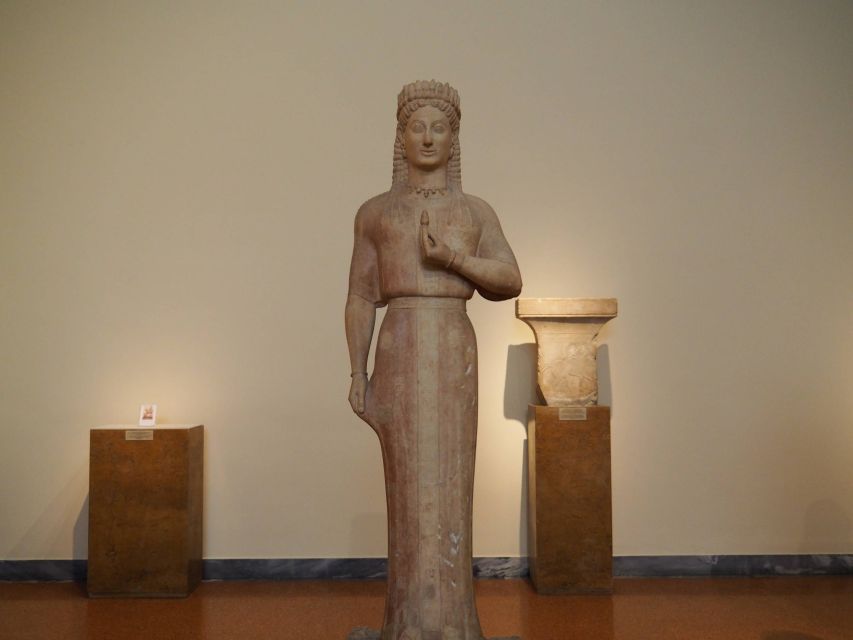
This ticket works well for people who like independent travel and prefer control over pacing. It’s also a good fit if you want:
- to see major artifacts and sculpture highlights
- a structured museum day without joining a group
- an easy way to connect the museum visit to walking time later around Plaka and Old Town
It may be less ideal if:
- you rely on audio to understand everything and you can’t tolerate app hiccups
- you hate phone-based experiences (even though headphones are included, the listening still depends on your device)
- you plan to visit during peak heat and you really need constant seating
And if you’re the type who reads every label, you’ll likely want more time than you think. The museum’s collection is massive; even a strong plan can feel like you’re selecting highlights rather than finishing everything.
Should you book the National Archaeological Museum ticket with optional audio?
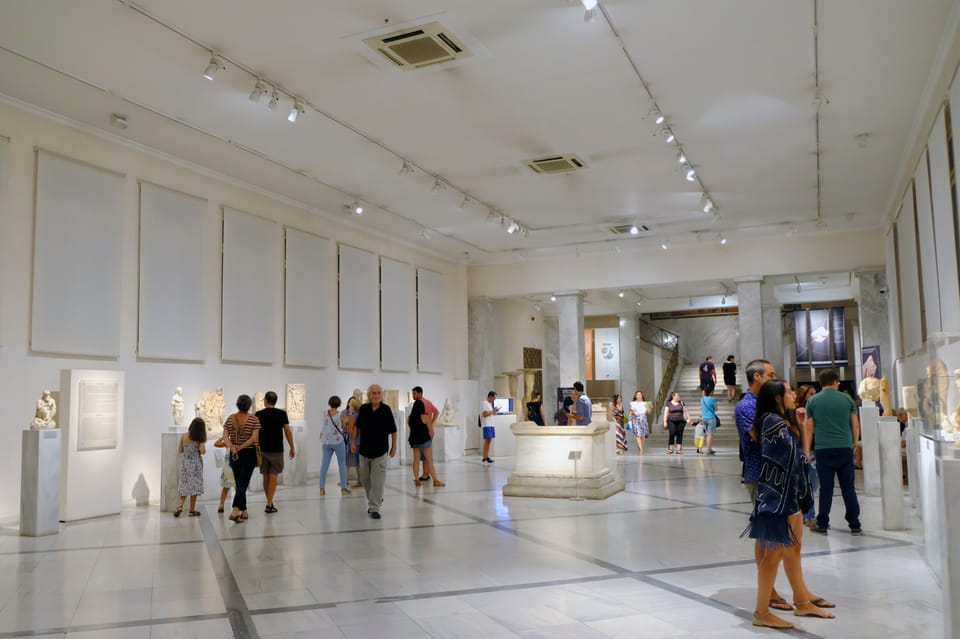
Yes—if you want a smart way to get inside quickly and then take your time with one of the best major collections of Greek antiquity in Athens, this is a good bet. I’d especially book it if you’re visiting on a busy day or you want the museum day to feel organized without a guide herding you.
Choose the optional museum audio if you want help keeping the time-line flow straight and turning big objects into a more connected story. Even if the audio app has occasional problems, you can still rely on the museum’s labels and room layout—you’re buying entry to a world-class collection first, and audio as a helpful bonus.
If you’re going in hot months, go early, bring a phone charger, and plan your breaks. The museum rewards patience. Give it that, and you’ll leave feeling like ancient Greece wasn’t just in books—it was right there in front of you.
FAQ
Is admission included, or do I need to buy a separate museum ticket?
Admission is included. Your e-ticket covers entry to the National Archaeological Museum for the selected date and time slot.
Do I get an audio guide with this ticket?
You get self-guided audio for Athens Old Town and Plaka with all options. You only get the self-guided audio tour for the National Archaeological Museum if you select the option that includes museum audio.
What language is the optional audio tour in?
The audio tour is available in English.
Where should I go to start the visit?
The nearest metro station is Omonoia.
What should I bring with me?
Bring headphones, and bring a passport or ID card (a copy is accepted).
What are the museum opening hours?
For Nov 1 to Mar 31: Wednesday to Monday 8:30 AM to 3:30 PM, and Tuesday 1:00 PM to 8:00 PM. For Apr 16 to Oct 31: Wednesday to Monday 8:00 AM to 8:00 PM, and Tuesday 1:00 PM to 8:00 PM. Hours can vary for special occasions.
Is this ticket refundable?
No. This activity is non-refundable.
You Might Also Enjoy




More Museum Experiences in Athens
More Tickets in Athens


More Tour Reviews in Athens
- All Day Cruise -3 Islands to Agistri,Moni, Aegina with lunch and drinks included
★ 5.0 · 4,958 reviews