REVIEW · ATHENS
4-Day Classical Tour Greece: Epidaurus, Mycenae, Olympia, Delphi, Meteora
Book on Viator →Operated by Filippis Tours · Bookable on Viator
Mainland Greece, condensed into four intense days. What makes this tour click is the mix of major archaeological sites plus a professional licensed guide who helps you connect what you see to what it meant.
I especially like that entrance fees, museums, and daily meals are handled, so you spend less time figuring stuff out and more time looking closely. The trade-off is that the days are packed and timed tightly, and you may also be taken into non-archaeology stops (like crafts) after the main sights—great for some breaks, but not for everyone.
You’ll be on the move from Athens through the Peloponnese and up toward Delphi and Meteora, using organized transport to cut down long logistics. Just note that Delphi involves uphill walking and stairways, so it can be a hassle if your mobility is limited.
In This Review
- Quick Picks Before You Go
- Why This Route Works So Well When You Have Only 4 Days
- Day 1: Epidaurus Theatre, a Nafplion Stop, and Mycenae’s Power Center
- Epidaurus Ancient Theatre
- Nafplion: the colorful breather
- Mycenae: the Tomb of Agamemnon area
- Day 2: Olympia’s Zeus Sanctuary, Stadium Views, and the Ride to Delphi
- Olympia Archaeological Site: Zeus, the stadium, and the museum
- Crossing the Corinthian Bay: Rion to Antirion bridge
- Day 3: Delphi’s Slopes, the Museum, and Meteora’s Arrival at Kalambaka
- Delphi Museum + Archaeological Site (with stairs and uphill)
- Drive to Kalambaka: base camp for Meteora
- Day 4: Meteora’s Two Byzantine Monasteries and a Thermopylae Stop
- Thermopylae: Leonida’s Monument quick stop
- Price and Value: What $781.09 Actually Buys
- The Stops That Matter Most (and the One Trade-Off to Plan For)
- Who This Tour Suits Best (and Who Might Want a Different Pace)
- Should You Book This Tour?
Quick Picks Before You Go
- Epidaurus Ancient Theatre: famous for its acoustics and classic design
- Mycenae and the Tomb of Agamemnon: a standout jump into Mycenaean power
- Olympia: the Sanctuary of Olympian Zeus, the ancient stadium, and the museum
- Delphi on Mount Parnassus: museum + site visits, with stairs and slopes to manage
- Meteora monasteries: you’ll visit two Byzantine monasteries perched atop the rocks
- Maximum group size 50: big enough for efficiency, small enough for the guide to keep moving
Why This Route Works So Well When You Have Only 4 Days
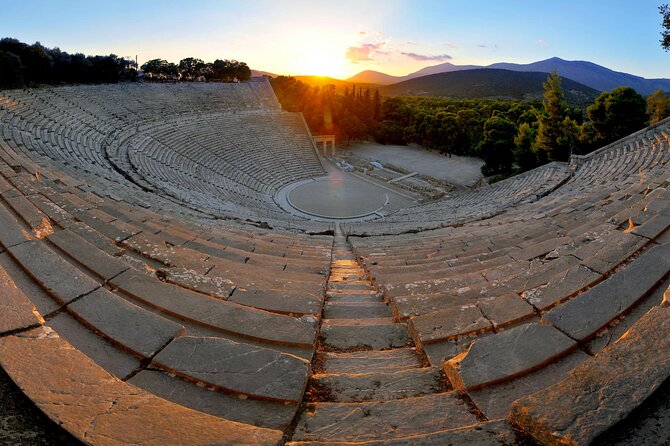
This is one of those tours that makes sense if you want a lot of Greece without a rental car and without doing mental math all day. You hit five big-name stops—Epidaurus, Mycenae, Olympia, Delphi, and Meteora—plus a couple of meaningful in-between sights like the Corinth Canal viewpoint and the Thermopylae area. The payoff is simple: you get the “greatest hits” feeling of mainland Greece, with context instead of random photo ops.
The other value move here is that the essentials are rolled into the experience. You’re not hunting down ticket lines, and the guide is included along with site admissions and museums. For many people, that alone is worth it because it turns the trip into one smooth plan rather than five separate adventures.
Still, manage expectations: this is not a slow archaeology stroll. You’ll be time-conscious at most stops. If you like to linger for an hour per room, this route might feel like it’s moving through the highlights faster than you’d like.
You can also read our reviews of more tours and experiences in Athens

Day 1: Epidaurus Theatre, a Nafplion Stop, and Mycenae’s Power Center
Day one is about setting the tone: ancient Greece with real atmosphere, then quickly shifting into palace-era drama.
You start with a coastal road drive that includes a brief photo-and-coffee stop with views near the Corinth Canal. It’s a small moment, but it breaks up the first travel stretch and gives you a sense of the geography—coastlines, straits, and the kind of terrain that shaped how people traveled and fought.
Epidaurus Ancient Theatre
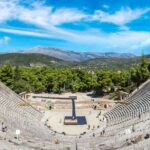
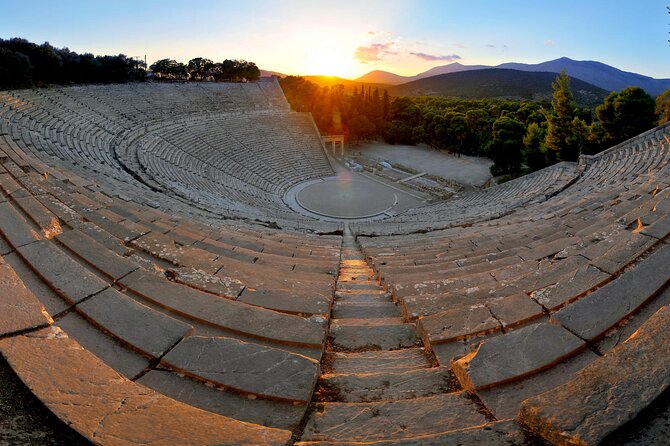
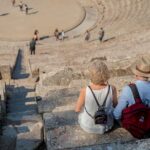
Your first major stop is the Ancient Theatre of Epidaurus, known across centuries for its perfect acoustics. Standing in a theater like this helps you understand why the design mattered. It wasn’t only about impressive stonework; it was built so performances could carry. Even if you’re not an “acoustics nerd,” the experience feels different from a typical ruin because the architecture is the story.
Practical tip: wear shoes you can trust. Even when the route is straightforward, ancient sites can be uneven and dusty.
Nafplion: the colorful breather
Next comes a quick visit to Nafplion, a picturesque small city built at the foot of a rocky hill. You’ll get a short chance to absorb the old fortifications and elegant houses, but the main point is that it functions as a breather before you plunge back into ancient history.
This stop is also useful for energy management. After a long drive and a big site, 20 minutes can feel like a reset button.
Mycenae: the Tomb of Agamemnon area
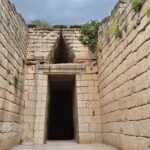
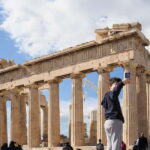
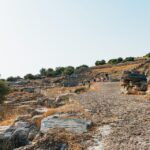
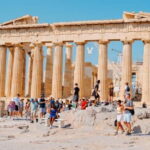
Then you head to Mycenae, where you’ll visit the archaeological site plus the Tomb of Agamemnon area. Mycenae has a different vibe from classical Greece. It feels more like the roots of epic legend and palace power—less “temples on hills,” more “this is where the story begins.”
You finish the day with dinner and an overnight in Olympia, which helps you keep moving without the stress of finding your own way to the next region.



Day 2: Olympia’s Zeus Sanctuary, Stadium Views, and the Ride to Delphi
Day two is where the tour earns its “classics” name. You wake up, have breakfast at the hotel (included), and then tackle Olympia while the day is still fresh.
Olympia Archaeological Site: Zeus, the stadium, and the museum
At Olympia, you’ll cover several key stops: the Sanctuary of Olympian Zeus, the Ancient Stadium, and the Archaeological Museum. The combination matters. The site gives you the outdoor scale of what these spaces meant, while the museum helps you connect the stones to real artifacts and rebuilding over time.
You’ll also notice how Olympia worked as more than just a sports venue. The sanctuary setting pushes you to think about ritual, politics, and prestige—why hosting the games mattered far beyond athletics.
Crossing the Corinthian Bay: Rion to Antirion bridge
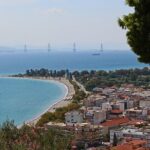
After Olympia, you drive through the plains of Ilia and Achaia and then cross the Corinthian Bay on the bridge between Rion and Antirion. This isn’t a museum stop, but it’s memorable. It’s the kind of engineering moment that makes you realize how much Greece is both ancient and modern at the same time.
You’ll also pass through towns like Nafpactos (Lepanto) and Itea as you head for the night in Delphi.
Dinner and sleep are included here, so you’re not planning your evening after a full day of walking and driving.
Day 3: Delphi’s Slopes, the Museum, and Meteora’s Arrival at Kalambaka
Day three starts with Delphi and then shifts toward Meteora, so you get both a major historical stop and a dramatic natural setting.
Delphi Museum + Archaeological Site (with stairs and uphill)
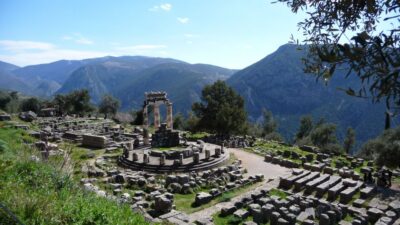
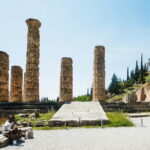
Delphi is famous for being dramatic, but it also has real physical demands. The site sits on the slopes of Mount Parnassus, so you should expect uphill walking and stairways. It can be moderate if you’re not in your best walking shape.
The payoff is that Delphi isn’t just “another ruin.” You’re dealing with a place where geography, religion, and politics intersected. The museum visit helps you anchor what you’re seeing outside, and the archaeological site visit lets the context become visual.
Practical tip: bring water even though drinks aren’t included during meals. Also, plan for breaks. If you need to slow down, it’s better to do it early rather than push through and feel miserable at the steep parts.
Drive to Kalambaka: base camp for Meteora
After Delphi, you head to Kalambaka, located at the foot of the Meteora rock complex. This is where you dine and rest. The idea is smart: you don’t want to arrive at Meteora late without energy, because the next day is all about getting to the monasteries.
Day 4: Meteora’s Two Byzantine Monasteries and a Thermopylae Stop
Day four is about height, views, and Byzantine-era faith on top of sheer rock.
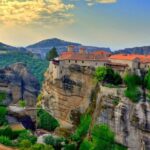
You’ll have an early breakfast (included), then visit two Byzantine monasteries at Meteora. The monasteries are perched on huge rocks that look like they’re suspended in mid-air, and that illusion hits you immediately when you’re actually there. Even if you’re not deeply into religious architecture, the setting changes how you look at the buildings.
You’ll also observe some of the rarest and most exquisite Byzantine artefacts during your visit. That’s a big deal because it gives you a reason to care beyond the wow-factor scenery.
Thermopylae: Leonida’s Monument quick stop
On the drive back toward Athens, you go via Trikala and Lamia. There’s a brief stop at the Leonida’s Monument in the Thermopylae area, which works well as a final historical bookmark before you head home to Athens.
You’ll arrive in Athens in the early evening, and the tour ends back at the meeting point.
Price and Value: What $781.09 Actually Buys
The listed price is $781.09 per person, and the best way to judge value is to look at what’s included versus what you’d likely pay on your own.
Here’s what’s covered:
- Professional/licensed guide
- Entrance fees for archaeological sites and museums (and taxes/fees tied to them)
- Breakfast (3) and Dinner (3)
- Transport between sites and the overall logistics so you’re not coordinating buses and timing yourself
On top of that, accommodations are treated as part of the included package. One extra cost you should plan for is city tax, which depends on hotel category: 3 hotel €5.00 per room per night or 4 hotel €10.00 per room per night, paid directly at the hotel.
So, is it expensive? It’s not “budget Greece,” but it is priced like a managed route that saves you time and decision fatigue. If you were building this trip yourself, you’d still be paying to access multiple major sites, and you’d spend hours planning transport, check-in timings, and how to move day to day. For many people, that time is the hidden cost—and it’s exactly what this tour removes.
Also consider the group size cap at 50. That’s part of why the driving plan can work: large enough for efficiency, not so huge that it becomes chaotic.
The Stops That Matter Most (and the One Trade-Off to Plan For)
This tour is built around monuments that are famous for a reason, but the details make the difference.
Epidaurus is worth it if you enjoy how architecture serves function. Mycenae gives you the epic-world origins feeling. Olympia is where the tour feels most complete because you get both site structure and museum support. Delphi can be physically tough, but it’s also where the context clicks if you listen during the guided explanation. Meteora is the visual climax, and the Byzantine artefacts add substance.
The trade-off is that the schedule is tight. If you love being in the site and going off-script mentally for longer, you might wish some stops were longer. You may also encounter non-archaeology stop moments (like pottery, silversmiths, wine tastings, or art studio-style stops). For some people, those are good breaks. If your priority is archaeology time only, you’ll likely prefer to treat those as quick pauses rather than major experiences.
Who This Tour Suits Best (and Who Might Want a Different Pace)
This tour is a strong fit if you:
- Want a single package to cover the biggest classical highlights on mainland Greece
- Like getting historical context instead of wandering without direction
- Prefer organized transport over renting a car and managing daily routes
- Are okay with a busy rhythm and shorter visits at major attractions
You might want to consider a slower or more flexible option if you:
- Need lots of time at each site (especially Delphi, where slopes add effort)
- Have mobility limits that make stairs and uphill hard
- Prefer to avoid craft or shopping-style stops and want only archaeological time
- Travel best with fewer long drives between regions
One more real-world note: a recent group enjoyed a hotel pool late in the day, which can be a nice way to cool down after hot hours and long walking stretches. That’s not guaranteed in every place, but it’s the kind of perk that can make the rhythm easier.
Should You Book This Tour?
Book it if your main goal is seeing the big classical places efficiently, with a guide to explain the why behind what you’re looking at. The value is strongest when you count included admissions, meals, and transport as part of the package rather than separate purchases.
Skip or choose a different pace if you want slow wandering and deep solo time at each site. The tight schedule and the chance of extra craft-style stops can feel like a mismatch for archaeology-first travelers. And if Delphi stairs are a concern for you, plan carefully and wear footwear that gives you steady footing.
If your ideal Greece trip is structured, informative, and action-packed from Athens through Meteora, this one fits the bill.
You Might Also Enjoy
More 4-Day Experiences in Athens
More Tours in Athens

More Tour Reviews in Athens
- All Day Cruise -3 Islands to Agistri,Moni, Aegina with lunch and drinks included
★ 5.0 · 4,958 reviews