REVIEW · ATHENS
Herakleidon Museum of Ancient Greek Technology: Entry Ticket
Book on GetYourGuide →Operated by Museum Herakleidon - Non Profit Cultural · Bookable on GetYourGuide
A trip to ancient Greece can be all columns and statues. Here, you get ancient Greek technology explained in an interactive way, including the Antikythera Mechanism, plus artifacts linked to Greek war techniques. One possible drawback: it’s a museum-ticket visit without a guided tour, so you’ll want to pace yourself and read closely to get the most for your time and money.
I like how the museum ties science, art, and mathematics together, not as separate school subjects but as one connected way of thinking. You’ll also walk between its two nearby buildings, so you can cover the experience without turning your day into a logistics puzzle. If you’re mainly hunting for classic marble sights, this will feel different—but in a good, brain-stimulating way.
In This Review
- Key things to notice before you go
- Why the Herakleidon Museum feels different from a normal museum
- Plan Your Visit in Thisseio: two buildings, one easy walk
- What you’ll see: ancient Greek technology through science, art, and math
- The Antikythera Mechanism: why it’s the headline attraction
- Greek war techniques: technology with consequences
- A simple one-day route that keeps your brain happy
- Price and value: is $8 worth it?
- Who should book this ticket (and who might pass)
- Practical tips so your visit goes smoothly
- Should you book the Herakleidon Museum entry ticket?
- FAQ
- Where do I redeem the ticket?
- How far is the museum from Metro Thisseio?
- Are there one or two museum buildings?
- What’s the price?
- How long should I plan to spend?
- What’s included with the ticket?
- Is a guided tour included?
- What are the main highlights?
- Can I cancel my booking?
- What items are not allowed inside?
Key things to notice before you go
- Interactive science focus: It’s built to make old technology feel understandable, not like a storage room of objects.
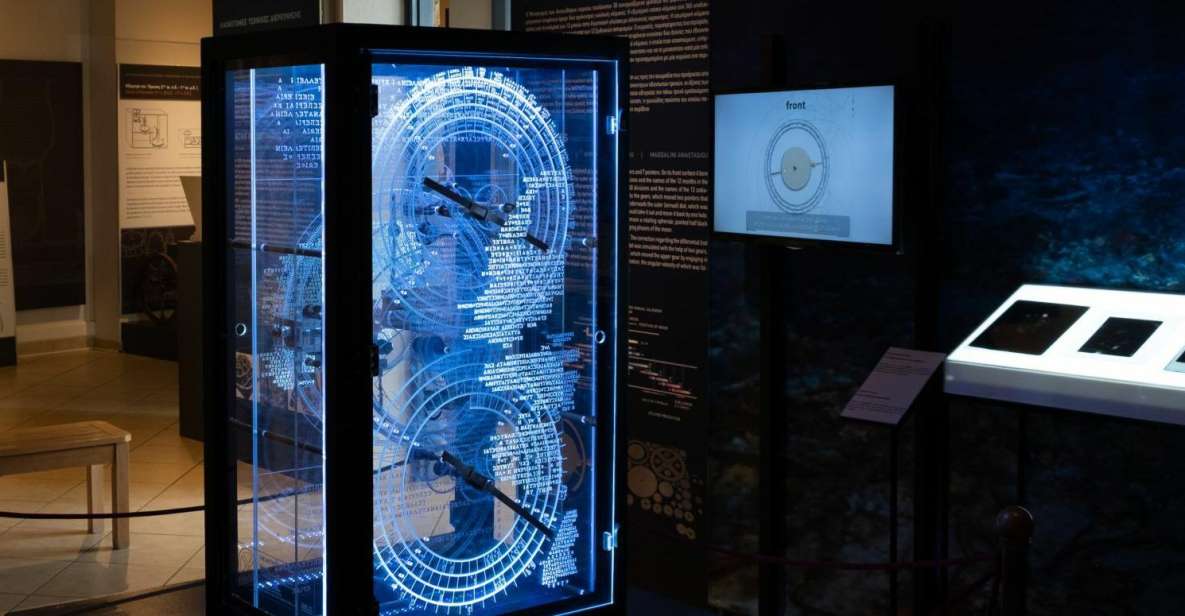
- Antikythera Mechanism at the center: Expect a standout explanation of the device often described as the world’s first computer.
- Triptych approach (science–art–math): The displays connect how people calculated, designed, and built.
- Greek war-tech artifacts: You’ll see technology used for conflict, not just clever experiments.
- Two buildings, 150 meters apart: It’s easy to split your visit between them in one walk.
- Self-paced entry: No guided tour is included, so plan to spend time reading and looking.
Why the Herakleidon Museum feels different from a normal museum
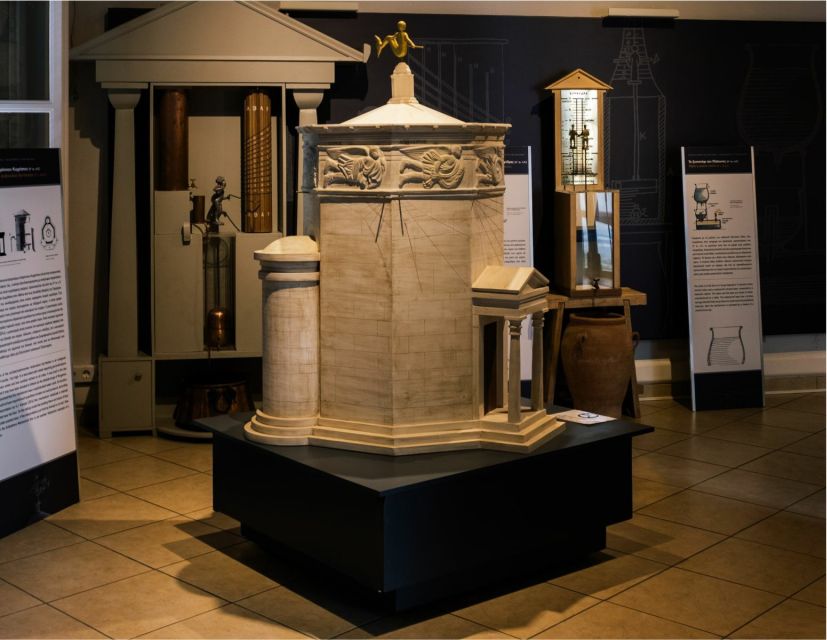
Most Greek museums ask you to admire. This one asks you to understand. The Herakleidon Museum presents ancient achievements through technology, using accessible displays and objects meant for active learning. The result is that you’re not just looking at history—you’re seeing how minds worked.
I especially like the museum’s educational philosophy built around a triptych of science, art, and mathematics. That framing helps you connect dots: calculations lead to designs, designs lead to tools and structures, and the tools show up in real life. It’s a smarter way to experience antiquity than treating it as a list of inventions.
The other big win is how it highlights the “research spirit” behind the exhibits. Even if you’re visiting as an adult, the museum’s vibe is forward-looking—meant to motivate problem-solving, not just to show off what was done long ago. Just keep in mind: without a guide, you’ll get out what you put in.
You can also read our reviews of more tours and experiences in Athens


Plan Your Visit in Thisseio: two buildings, one easy walk
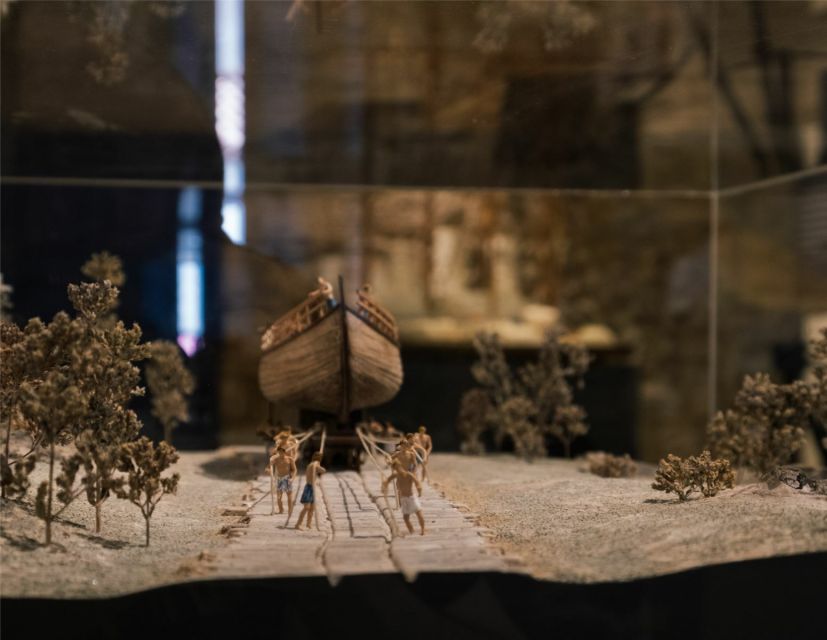
Redeem your ticket at the first of the museum’s two buildings at 16 Herakleidon Street. It’s in Thisseio and within walking distance of Metro Thisseio, and you’re also close enough to the Acropolis area that you can tack this on to a bigger day of sightseeing.
After you pick up entry, you’ll likely want to move on to the second building at 37 Ap. Pavlou Street, which is about 150 meters away. That short distance matters. You won’t lose half your day to crossing town or hunting for entrances—you can keep your momentum and finish both parts without stress.
You should plan for up to a full day. The activity is listed as 1 day, and museum time can expand fast when you’re stopping to think about mechanisms and techniques. If you’re trying to cram this between tight time slots, expect to rush.
What you’ll see: ancient Greek technology through science, art, and math
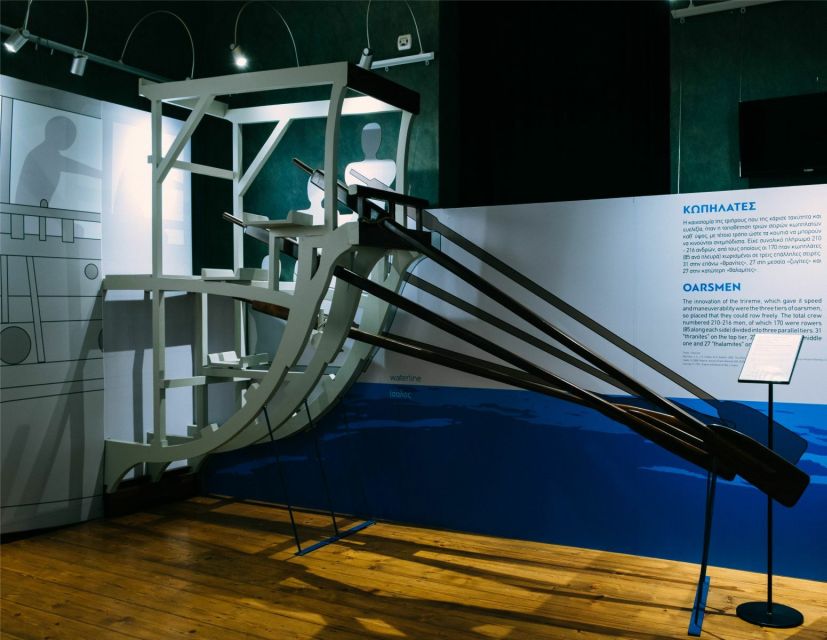
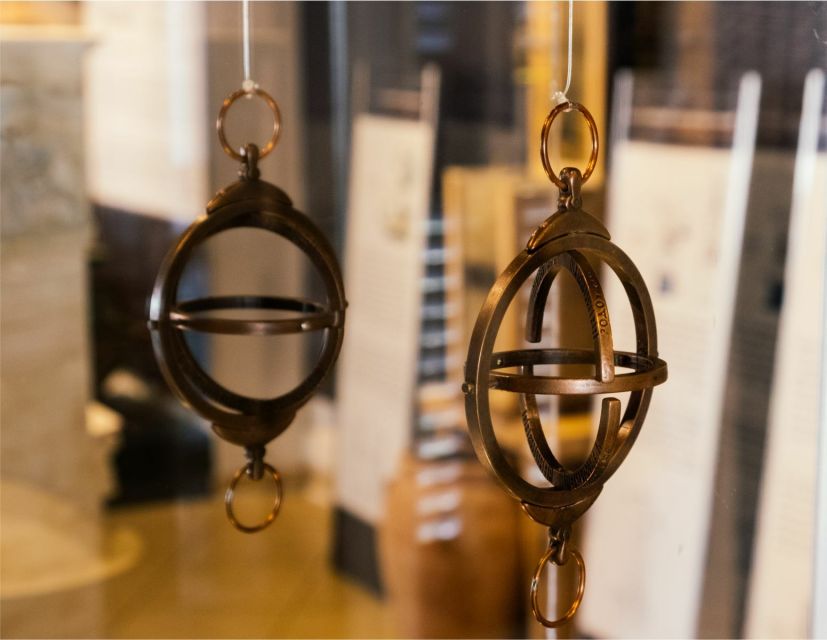
The museum’s focus is explicitly technological intelligence—how the ancient Greeks calculated, worked with data, and created objects and structures. The exhibits are presented as part of a science-education model, with the triptych of science, art, and mathematics acting like a thread you can follow as you move through rooms.
In practical terms, this means you’re likely to spend time on displays that help you understand how information was processed. The museum emphasizes sophisticated data use—basically, how people turned measurements and rules into working devices. If you’ve ever wondered how early engineering thinkers made their systems behave, this is aimed right at that curiosity.
You should also expect technology tied to daily life and to big-picture needs. The museum includes artifacts that showcase Greek war techniques, so you’re not stuck with purely peaceful inventions. It’s a reminder that engineering has always been driven by real-world goals, including defense and conflict.
The Antikythera Mechanism: why it’s the headline attraction
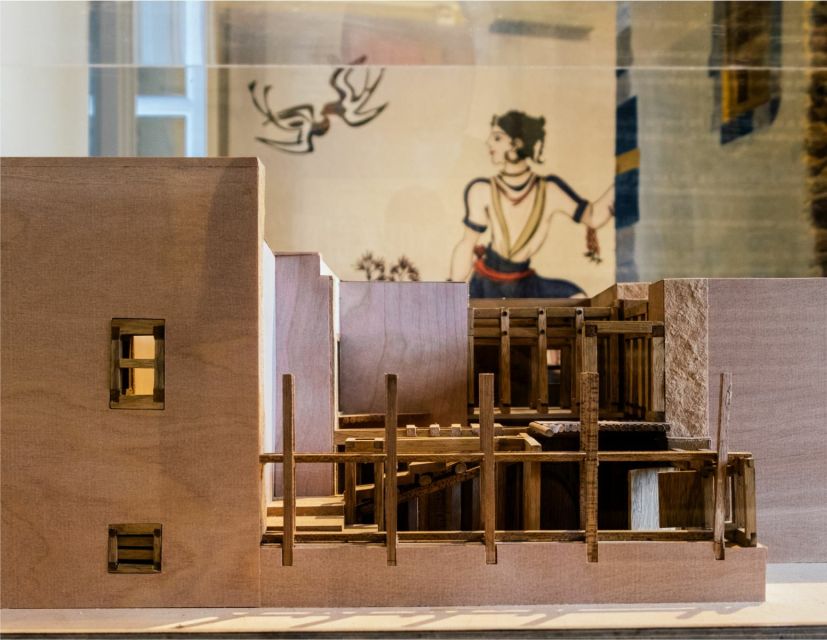
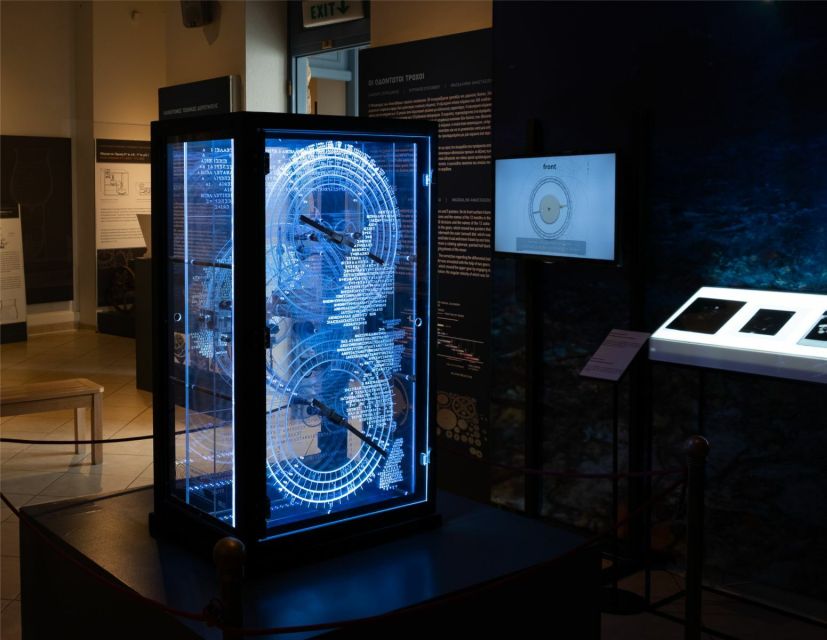
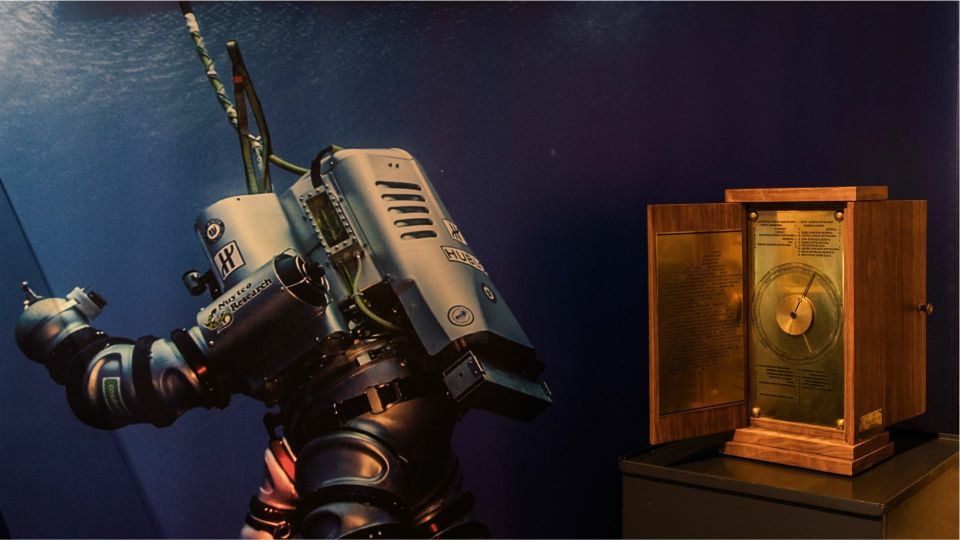
If you visit for one thing, make it the Antikythera Mechanism. The museum treats it as a key highlight—often described as the world’s first computer. The point isn’t only its age. It’s what it represents: ancient people using mechanisms to perform complex calculations through motion and gears.
What you’ll likely find most interesting is how the explanation connects the device to math and to a way of thinking. The mechanism becomes a bridge between abstraction and physical reality. Instead of seeing math as something stuck on paper, you can see it turned into a working system.
Also, this is the kind of exhibit where you’ll want to slow down. If you skim, you’ll miss the logic the museum is trying to show. Take a minute to watch how the story is told—how the device relates to data and prediction. It’s one of the best examples of why “ancient technology” deserves serious attention.
Greek war techniques: technology with consequences
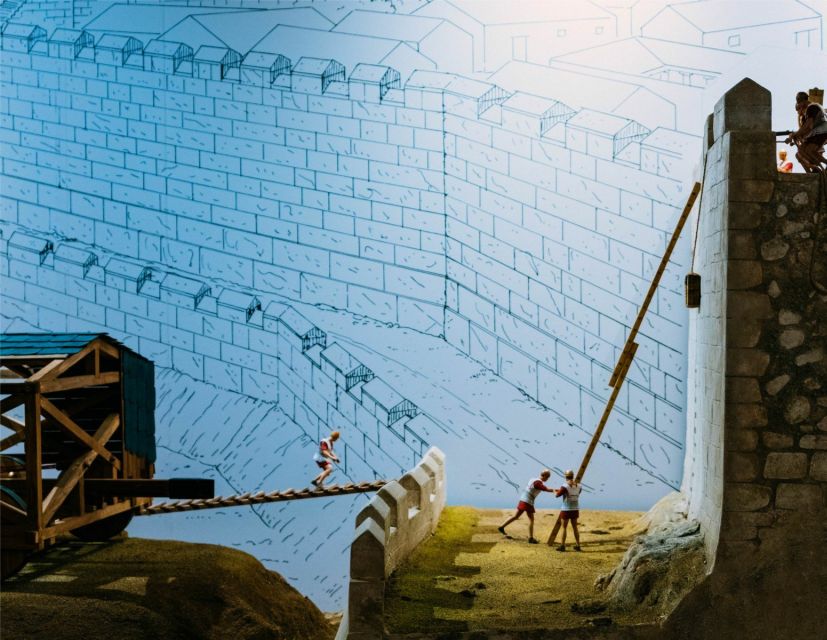
One of the stated highlights is seeing artifacts that showcase the war techniques of the Greeks. That matters because it widens the lens. Engineering here isn’t just about astronomy gadgets or elegant instruments—it’s also about tools designed for conflict.
How you’ll experience this depends on how you move through the exhibits. But the museum’s overall structure is built to make the technology understandable, not just to label it as military. Expect that some parts will feel more pragmatic—linked to strategy, effectiveness, and real problem-solving.
If you’re sensitive to themes of war, you may want to pace this section. But don’t skip it if you’re interested in how innovation happens. Technology often grows under pressure, and the museum’s choice to include war-focused artifacts helps explain that side of history without turning it into spectacle.
You can also read our reviews of more museum experiences in Athens



A simple one-day route that keeps your brain happy
Since the ticket is self-paced and there’s no guided tour included, I’d treat your visit like a one-day “mini course.” Start at 16 Herakleidon Street, where you redeem your ticket. Once inside, give yourself time to orient to the museum’s science-art-math theme. When you get the framing, the objects make more sense.
Then, after you’ve seen the main intro-style displays, take the short walk to 37 Ap. Pavlou Street. The 150-meter distance makes this easy, and it also helps you keep your energy. Think of it as completing the “story arc” across two locations rather than two separate errands.
Here’s how I’d keep it efficient: spend longer on the Antikythera Mechanism content, because that’s where the museum wants you to understand a complex idea. Give yourself enough time to read carefully around the exhibits that connect calculations to physical devices. For the war-tech artifacts, use your time to understand the purpose behind the technology, not just the fact that it exists.
If you only have a few hours, you can still enjoy it—but you’ll get less of the museum’s educational payoff.
Price and value: is $8 worth it?
At about $8 per person, the price is low enough that it shouldn’t feel like a gamble. For that kind of cost, I’d expect at least a couple of strong “aha” moments—especially the Antikythera Mechanism and the way the museum connects science, art, and mathematics.
That said, the rating sits around 3.5 out of 5 based on 19 ratings, which tells me to calibrate expectations. A few people may feel the experience doesn’t justify the time they spent, especially if they expected more of a guided walkthrough. If you’re the type who needs someone to narrate and interpret, consider pairing this visit with other museum stops that have a guide.
For most independent travelers who enjoy learning at their own pace, $8 can be a really good deal for a technology-focused museum near the Acropolis zone.
Who should book this ticket (and who might pass)
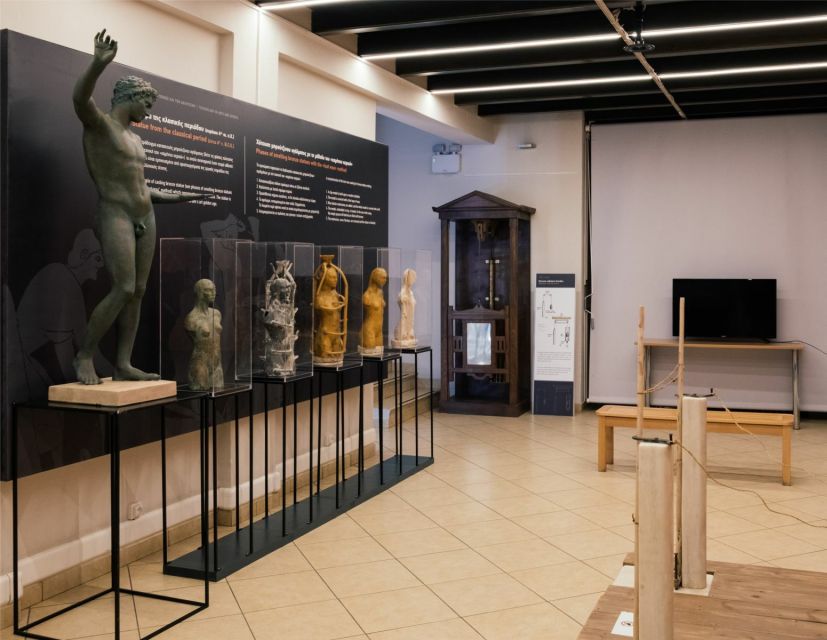
This works best if you like ideas—engineering puzzles, historical science, and the way math turns into hardware. If you enjoy museums where you read labels and spend time figuring out what an object is doing, you’ll probably love it.
It’s also a good fit if you’re already in the Acropolis area. The museum is in Thisseio and can be reached on foot from the Metro Thisseio stop. That convenience makes it easier to add without overhauling your whole itinerary.
You might want to skip or adjust expectations if you mostly want classic art and architecture. This place is about technology and how ancient Greeks solved problems. Also, because a guided tour isn’t included, people who prefer expert narration may find the experience more self-driven than they want.
Practical tips so your visit goes smoothly
You don’t need fancy planning, but a few rules will keep things comfortable. No smoking and no drinks are allowed inside. So bring a water bottle only if you know you can keep it outside the areas where drinks are restricted.
Wear shoes that handle short walking and indoor staircases. The museum spans two buildings, and the walk between them is short—but you’ll still be moving.
For the best experience, treat the ticket like a learning session. Bring the mindset of a curious student. Spend extra time near exhibits that explain how data and calculation turn into devices—those are the museum’s core strengths.
Also, set aside time to read. The museum’s value is in the connection between concepts. If you rush through, you’ll feel the gap between an interesting object and the story behind it.
Should you book the Herakleidon Museum entry ticket?
Yes—if you want something different from the standard Greece museum circuit. For $8, the Antikythera Mechanism focus and the triptych approach (science, art, math) can give you a memorable, brain-friendly day near the Acropolis area. It’s especially worth it if you like self-paced learning and you’re curious about how ancient technology actually worked.
Skip it or plan a lighter schedule if you need a guide to make museum content click. Without narration included, the experience depends on your willingness to slow down and read. If that’s you, pair it with nearby sights and treat the museum as a learning bonus, not the centerpiece of your trip.
FAQ
Where do I redeem the ticket?
Redeem your ticket at the first of the museum’s two buildings at 16 Herakleidon Street.
How far is the museum from Metro Thisseio?
The museum is walking distance from Metro Thisseio.
Are there one or two museum buildings?
There are two buildings. The second is at 37 Ap. Pavlou Street, about 150 meters from the first.
What’s the price?
The entry ticket price is listed at $8 per person.
How long should I plan to spend?
It’s listed as a 1 day activity, so plan on enough time to see the exhibits at a relaxed pace.
What’s included with the ticket?
The ticket includes entry only.
Is a guided tour included?
No. A guided tour is not included.
What are the main highlights?
Key highlights include the Antikythera Mechanism and technological artifacts that showcase Greek war techniques, along with a focus on ancient Greek achievements in technology.
Can I cancel my booking?
You can cancel up to 24 hours in advance for a full refund.
What items are not allowed inside?
Smoking and drinks are not allowed.
You Might Also Enjoy




More Museum Experiences in Athens
More Tickets in Athens


More Tour Reviews in Athens
- All Day Cruise -3 Islands to Agistri,Moni, Aegina with lunch and drinks included
★ 5.0 · 4,958 reviews