REVIEW · ATHENS
Greek Phyllo and Pie Cooking Class in Athens
Book on GetYourGuide →Operated by VizEat Ltd · Bookable on GetYourGuide
Phyllo dough feels like magic until a real Greek home cook shows you how. In central Athens, Eirini (Ειρηνη) guides you through making phyllo dough from scratch and then tasting traditional Greek pies, with wine and ouzo included. You also get a proper welcome first—homemade sweets before you even start rolling.
The class lasts about 3 hours and keeps the group small (up to 6), so you’re not stuck watching from the sidelines. The main thing to consider: if you have any allergy or special diet, you’ll need to communicate it ahead of time, since the food is very much built around classic homemade Greek treats.
In This Review
- Key things that make this class worth your time
- Why Athens phyllo class feels different with Eirini (Ειρηνη)
- Arriving for homemade sweets and Greek wine/ouzo
- What you’ll do in the phyllo dough from-scratch phase
- Pie building and tasting: where it all comes together
- The dessert finale: fruit plus traditional sweets
- How the small group size changes what you get
- Price and value: what $122 buys you here
- Language and comfort: English and Greek, hosted warmly
- Practical tips so you enjoy the whole 3 hours
- Who should book this Athens phyllo-and-pie class?
- Should you book the Greek Phyllo and Pie Cooking Class?
- FAQ
- How long is the Greek phyllo and pie cooking class in Athens?
- Is wine and ouzo included?
- How big is the group?
- What languages does the host speak?
- Where is the meeting location?
- Can I cancel, and is there an option to pay later?
Key things that make this class worth your time
- Central Athens location that’s easy to reach by public transportation
- Phyllo dough made completely from scratch with Eirini (Ειρηνη)
- Wine and ouzo included, plus homemade sweets on arrival
- You make, then taste, your own traditional Greek pies
- Finish with fresh local fruit and traditional Greek dessert
- Small group size (limited to 6) for hands-on attention
Why Athens phyllo class feels different with Eirini (Ειρηνη)
Most cooking classes teach recipes. This one teaches technique. And that’s the real advantage of learning Greek phyllo with Eirini (Ειρηνη) instead of trying to copy a video later.
Phyllo has a reputation for being fussy. But the trick is in the small, repeatable actions—how you handle the dough, how you stretch it, and how you think about layers and timing. When the class keeps you actively working (not passively hovering), the dough starts making sense fast.
Then there’s the human side. The class is hosted in a personal setting, where you’re encouraged to ask questions and learn how Greek food culture fits into everyday life. You’ll see why people talk about food as more than fuel—it’s social, it’s seasonal, and it’s passed down.
You can also read our reviews of more cooking classes in Athens


Arriving for homemade sweets and Greek wine/ouzo
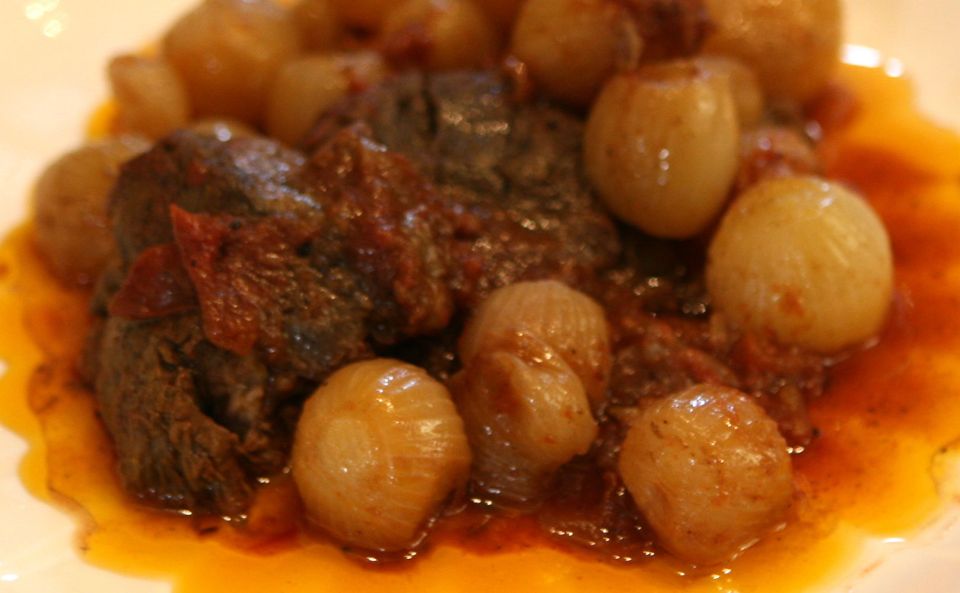
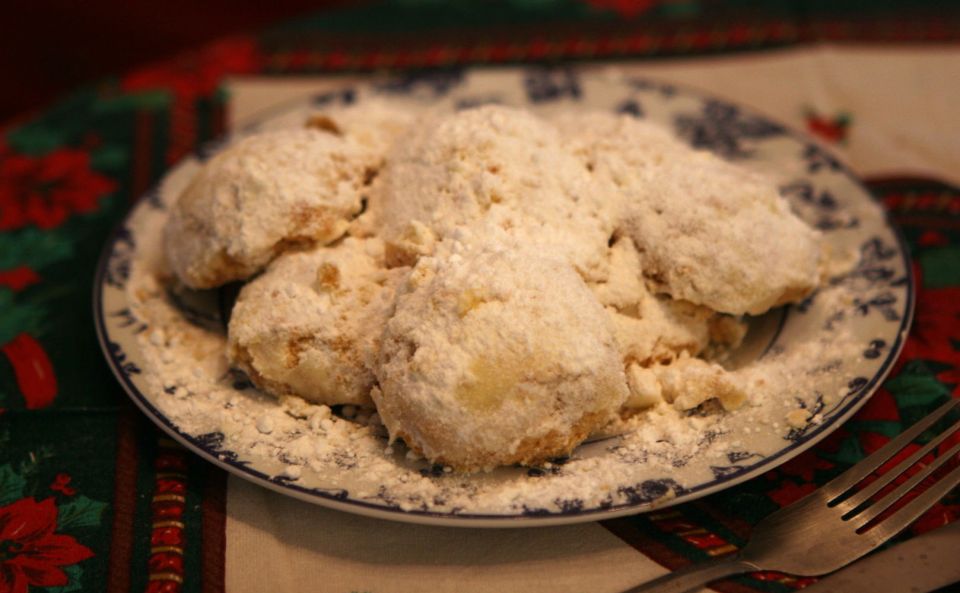
Before you touch flour, you get a welcome. Expect homemade Greek cake and sweets on arrival—made by Eirini—so you’re eating something real before you’re learning how to bake it yourself.
And yes, wine and ouzo are included. That matters more than it might sound. Cooking gets better when you’re relaxed. You’ll be tasting and learning in the same flow, rather than doing a formal, timed workshop where everyone waits to “start.”
This opening also sets the pace for the evening. You’re not just paying for instruction. You’re being fed, guided, and brought into the process. If you like classes where the meal is part of the experience (not an afterthought), this hits the mark.
What you’ll do in the phyllo dough from-scratch phase
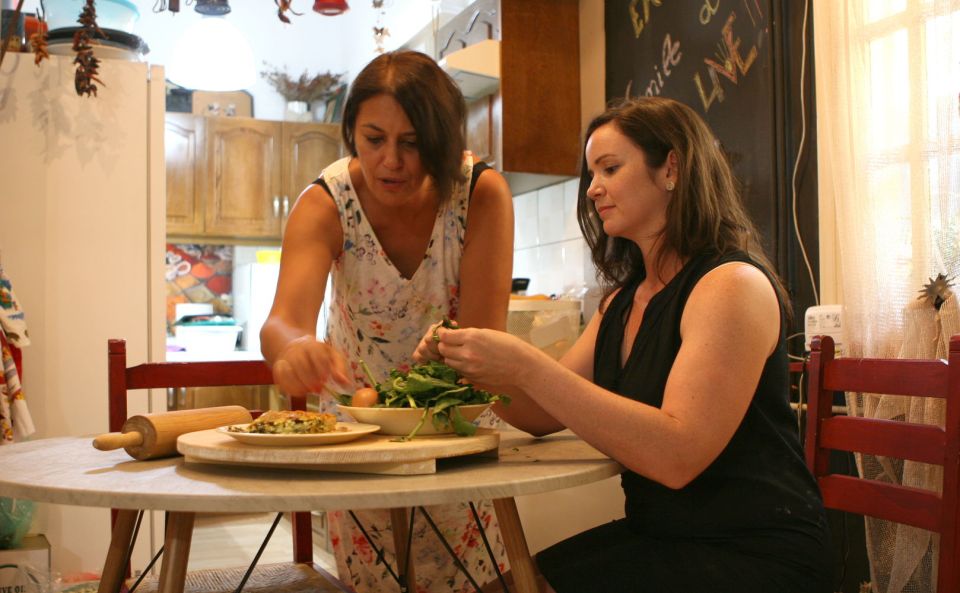
The core of the class is making Greek phyllo dough completely from scratch. That means you’re learning the “real base” before you move into pie assembly.
Here’s why that’s valuable for you:
- You learn the logic, not just the result. Store-bought phyllo is easy. Homemade phyllo teaches you what makes it work.
- You’ll understand thickness and handling. Phyllo that tears or won’t layer properly usually comes down to technique. Getting feedback in the moment helps.
- You’ll get confidence for future baking. After you make it once, you know the steps well enough to repeat at home (even if your first attempts aren’t perfect).
During this phase, you can expect a hands-on rhythm: follow Eirini’s guidance, work with the dough directly, and correct technique as you go. Since the group is capped at 6, you’re more likely to get quick, personal help when something doesn’t look right.
One practical note: phyllo-making is hands-on work. Wear something comfortable that can handle a little flour on fabric. You’ll be standing and working at a kitchen pace for much of the class.
Pie building and tasting: where it all comes together
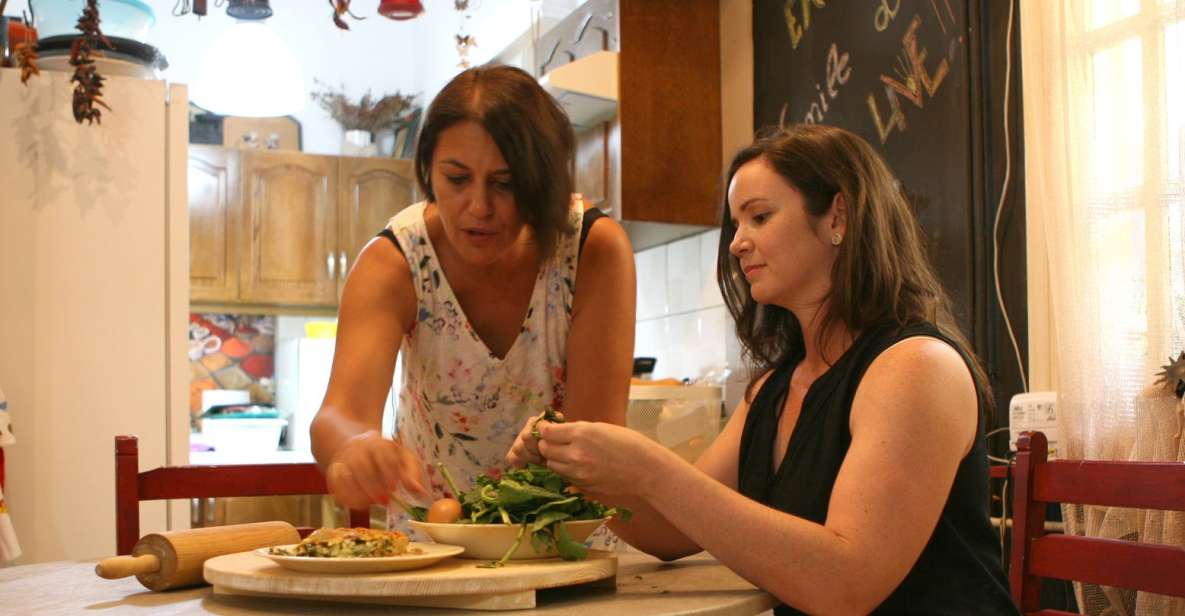
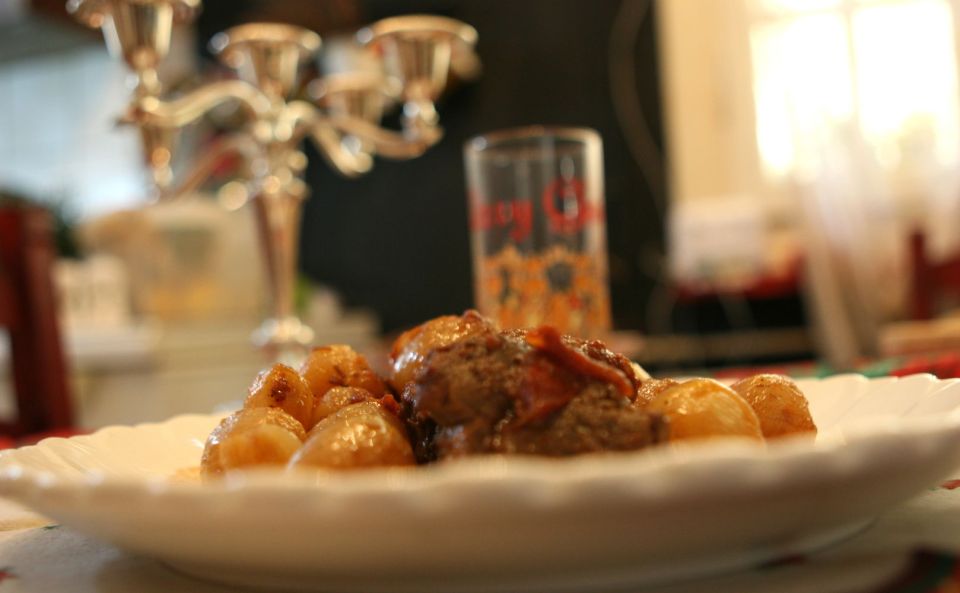
After you learn the phyllo dough steps, you move into making Greek pies. This is where the evening becomes satisfying in a very direct way: you’re not just practicing dough; you’re building something you can eat.
You’ll learn how to use what you made—then taste your own pies. That tasting portion is a big deal for value. It turns the class from a “do this, then leave” cooking session into a learning loop: make it, taste it, and understand what worked (and why).
Also, pies in Greece aren’t one-size-fits-all. Even without a detailed menu description here, the format is consistent: traditional Greek pie making paired with the phyllo you made yourself. If you’re a “show me how it’s supposed to be” type of eater, this portion will feel rewarding.
Expect your final bite to be guided by Eirini’s explanations, and not just by your own guessing. That’s the difference between buying a pastry and learning how to produce something similar yourself.
The dessert finale: fruit plus traditional sweets
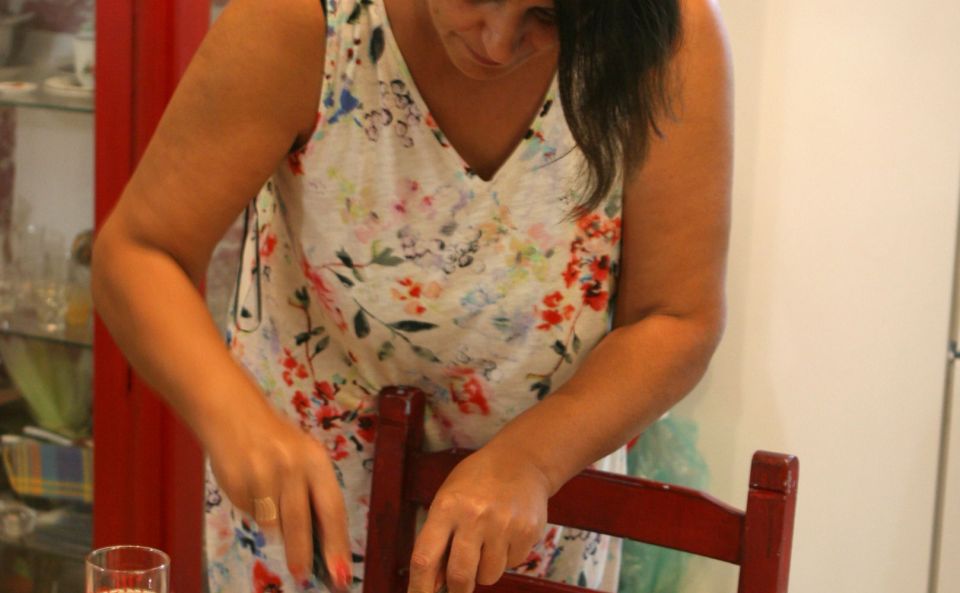
By the end, you’re served fresh, local fruit paired with traditional Greek desserts. This matters because the class isn’t ending on a sugar overload that feels disconnected from the meal.
It’s a calmer, lighter closer—fresh fruit with dessert that fits the theme of Greek home cooking. If you want a balanced finish after hands-on work and multiple tastings, this is a nice way to land.
And remember: you already started with homemade Greek sweets on arrival. So your evening has a consistent arc: sweets first, then savory pies, then fruit and dessert. That flow makes it feel like a hosted meal, not a rushed demo.
You can also read our reviews of more tours and experiences in Athens




How the small group size changes what you get
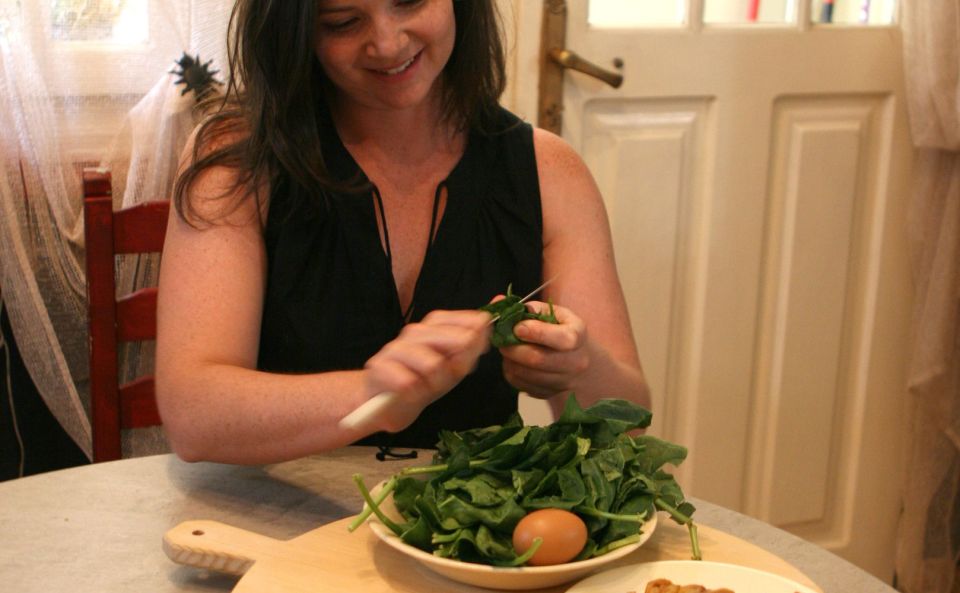
The class is limited to 6 participants. That’s a key detail for how your learning will feel.
With a larger group, cooking classes often turn into a “watch and do one step” experience. With a small group, you’re more likely to:
- get real attention when you’re stretching or layering dough,
- ask questions without feeling rushed,
- stay engaged from start to finish.
In practice, this also means you can enjoy the social side. Greek cooking is a conversation as much as it is a method. If you’re traveling solo, this format is easier because you’re not swallowed by a crowd. If you’re with a friend, you still get individual feedback.
Price and value: what $122 buys you here
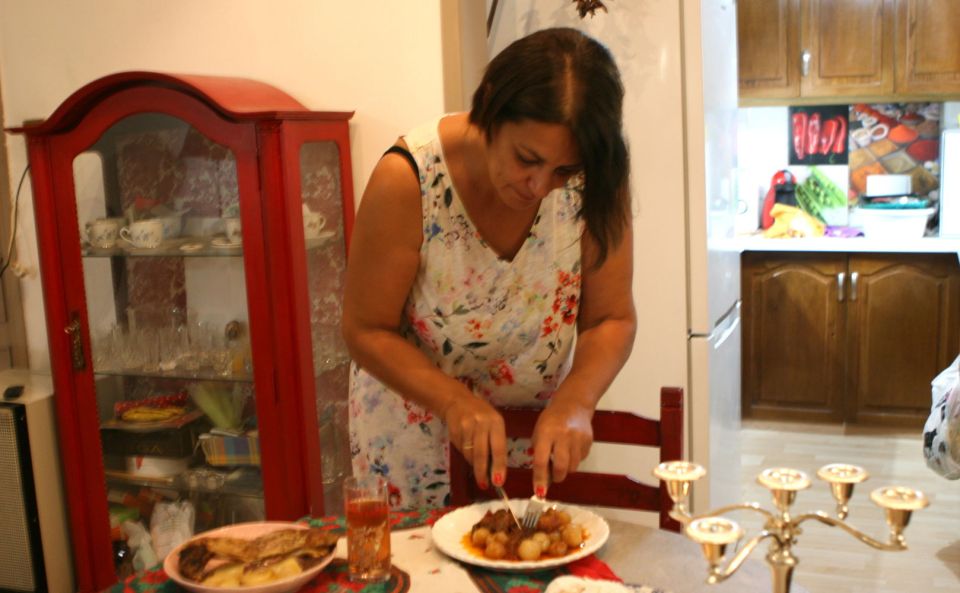
At $122 per person for a 3-hour class, you’re paying for more than instruction. You’re getting an all-in meal experience built around:
- phyllo dough made from scratch,
- traditional pie making,
- wine and ouzo included,
- homemade Greek cake and sweets on arrival,
- then tasting your pies,
- plus fresh fruit and dessert to finish.
Cooking classes often feel expensive when you’re paying for a few ingredient samples and a short demo. Here, the price covers the reality of food-making: ingredients, time, and hands-on coaching.
Also, the teaching adds value. When someone like Eirini guides you in the moment, you avoid the common “I tried at home and it failed” problem. That’s the hidden cost you’re not paying—you’re learning the technique correctly the first time.
So if you like food experiences where you eat what you make, this price starts to look fair. If you only want a brief tasting tour, you might decide it’s too hands-on. But if you want skills plus dinner-style hospitality, it’s strong value.
Language and comfort: English and Greek, hosted warmly
The class is hosted with English and Greek support. That matters because phyllo technique includes details that are easier to understand when the instructions are clear and repeatable.
From the way the host communicates in past experiences, Eirini’s style seems engaging and confidence-building. You’re not just learning food; you’re also picking up a bit of Greek culture through the process. That’s a bonus if you want your trip to feel human, not just photographic.
If you’re comfortable asking questions, you’ll get even more out of the evening.
Practical tips so you enjoy the whole 3 hours
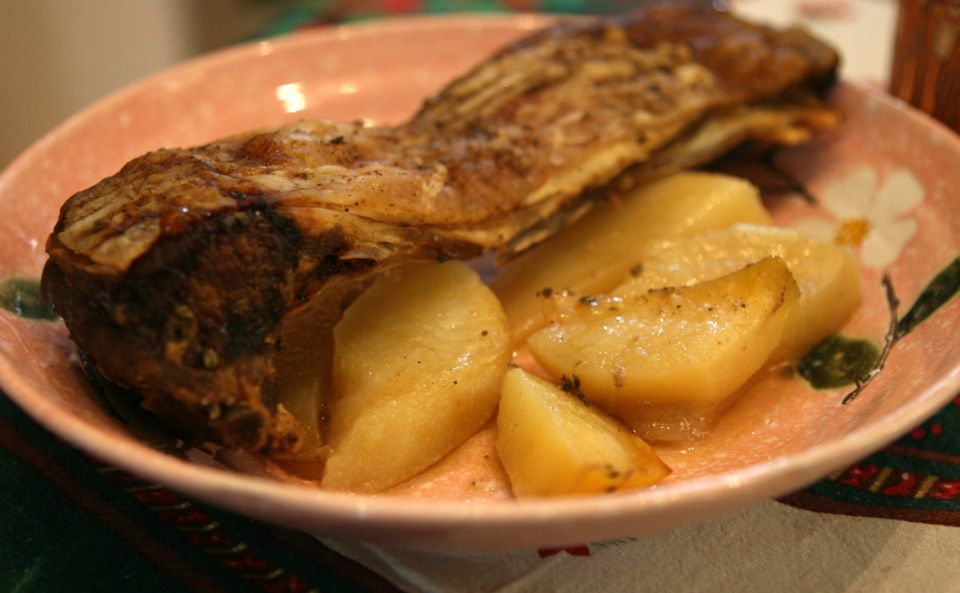
A few small prep moves can make the class feel smoother:
- Tell Eirini about allergies or special diets. The only “must” here is communication. The food is built around traditional homemade sweets and desserts, so your needs should be clear ahead of time.
- Plan for kitchen work. Wear comfortable clothes that tolerate a little mess.
- Use public transportation if you can. The class is described as easily accessible by public transportation, which usually means less stress than parking and more time for enjoying your evening.
- Expect an address you’ll receive later. The full meeting address comes on your confirmation voucher, so don’t rely on guesswork.
That’s it. No special gear needed beyond comfortable clothes and a good appetite.
Who should book this Athens phyllo-and-pie class?
You’ll be especially happy if:
- you want to learn Greek phyllo dough from scratch, not just buy pre-made pastry,
- you like a small group (up to 6) with real instruction,
- you want an evening where eating and learning happen together,
- wine and ouzo included sounds like part of the fun.
You might skip it if:
- you have multiple food restrictions that can’t be accommodated easily,
- you’d rather watch than work with dough,
- you’re looking for a quick snack stop instead of a skill-building cooking class.
Should you book the Greek Phyllo and Pie Cooking Class?
Book it if you want the best kind of souvenir: something you can recreate. Learning phyllo dough technique is the kind of skill that pays off later, and the class format makes it more enjoyable—welcome sweets, wine and ouzo, hands-on pie making, then fruit and dessert.
Consider passing if your diet is complex or you hate kitchen work. Also consider that it’s only 3 hours, so if you’re hoping for a deep, multi-course cooking journey, this may feel focused rather than lengthy.
If you’re on the fence, this is the easy decision: you’re getting a real Greek home-style evening in central Athens with a skilled host, a small group, and plenty to eat while you learn.
FAQ
How long is the Greek phyllo and pie cooking class in Athens?
The class lasts 3 hours.
Is wine and ouzo included?
Yes. Wine and ouzo are included in the experience.
How big is the group?
It’s a small group limited to 6 participants.
What languages does the host speak?
The host or greeter speaks English and Greek.
Where is the meeting location?
The full address is provided on your confirmation voucher.
Can I cancel, and is there an option to pay later?
Free cancellation is available up to 24 hours in advance for a full refund. There’s also a reserve now & pay later option, so you can book your spot and pay nothing today.
You Might Also Enjoy




More Workshops & Classes in Athens
More Cooking Classes in Athens
More Tour Reviews in Athens
- All Day Cruise -3 Islands to Agistri,Moni, Aegina with lunch and drinks included
★ 5.0 · 4,958 reviews