
REVIEW · ATHENS
Athens: Greek Cuisine Cooking Class and 3-Course Dinner
Book on GetYourGuide →Operated by ATHENS WALKING TOURS · Bookable on GetYourGuide
Some cities feed you. Athens teaches you how to cook. This Greek cuisine cooking class at Hill Athens is a hands-on way to learn flavors, techniques, and family-style habits, then sit down and eat what you make.
I really like that the class is designed around doing, not watching. You’ll prep a starter, main, and dessert with fresh ingredients and get a recipe copy to recreate the dishes at home, plus a glass of local wine (or a soft drink).
One thing to consider: the menu can shift with the season and what’s available in local markets, so you might not get the exact same lineup every time.
In This Review
- Key things I’d circle before you go
- Why This Athens Greek Cooking Class Works So Well
- Finding Hill Athens and Getting Into Cooking Mode
- Starter Course: Fresh Ingredients and the Greek Flavor Blueprint
- Main Course Techniques: Herbs, Cuts, and “Sunday Dinner” Logic
- Dessert: The Sweet Finish (And Why Greek Desserts Aren’t Random)
- Eating Your Work: Wine, Group Energy, and Possible Acropolis Views
- Price and Value: What $115 Gets You (Besides Food)
- Who This Athens Class Fits Best
- Should You Book This Cooking Class in Athens?
- FAQ
- How long is the Athens Greek cuisine cooking class?
- Where is the meeting point?
- What language are the classes taught in?
- What’s included in the price?
- What should I bring?
- Do I need to arrange pickup from my hotel?
- Can the menu change?
- Is there a cancellation deadline?
Key things I’d circle before you go
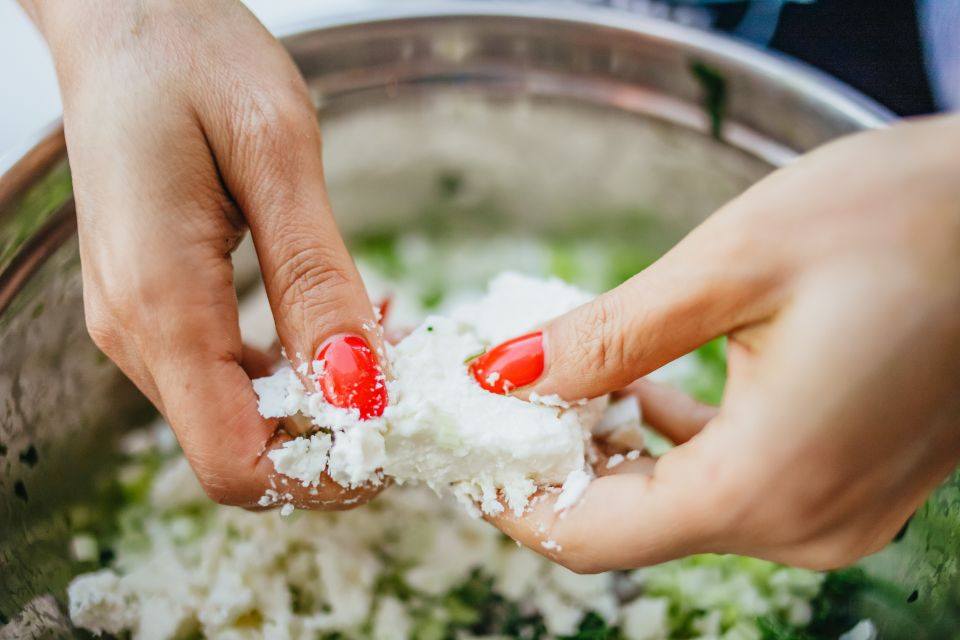
- Hill Athens is the hub: you’ll meet there for the cooking and the meal
- English-speaking instruction: hands-on guidance from instructors such as Stella, Niki, Vicky, or Amalia
- A true 3-course flow: starter, main, dessert, with a Sunday-dinner mindset
- Seasonal ingredients mean variety: dishes can change based on market availability
- You get recipes to take home: not just a meal, but a plan for your next cook-at-home night
Why This Athens Greek Cooking Class Works So Well
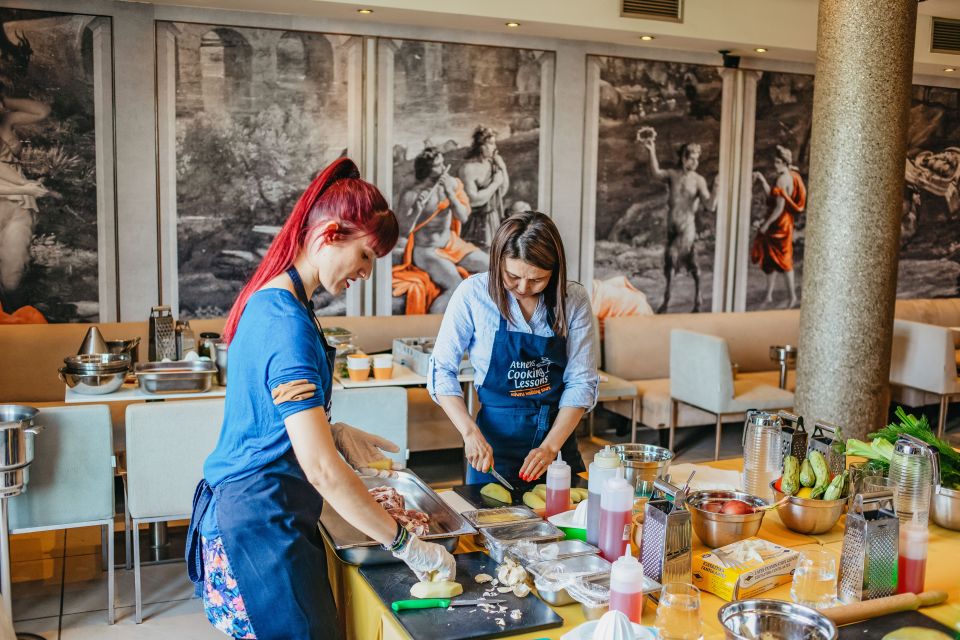
Greek food can feel mysterious until you learn the logic behind it. Here, the logic is simple: start with good ingredients, use herbs and aromatics in practical ways, and build flavor step by step. The result is a class that feels like a dinner party you’re actually participating in, not a demo where you sit quietly.
I also like the Sunday-dinner angle. You’re not only making food; you’re learning why Greeks cook the way they do for family meals. That shows up in the pacing and how the instructor explains the dishes as part of everyday Greek life. Multiple instructors (like Stella and Niki) are known for adding culture and history alongside cooking technique, so you get context with your knife work.
A bonus: this is one of those Athens activities where you can leave with a skill you’ll use again. The recipe binder matters. It turns the experience from a one-time meal into something you can repeat when you’re home and craving that familiar Greek saltiness, olive oil perfume, and herb-forward freshness.
You can also read our reviews of more cooking classes in Athens


Finding Hill Athens and Getting Into Cooking Mode
You’ll meet at Hill Athens, which makes the start easy. There’s no hotel pickup included, so you’ll want to plan to arrive under your own steam. Wear comfortable shoes because you’ll be standing and moving as you cook, and cooking classes are often more active than people expect.
Once you’re in, the class format is geared toward participation. You should expect to work with your instructor and with the group as dishes come together. Many people appreciate that the instructors keep instructions clear and patient, even if your cooking skills are still getting their footing. The goal is that everyone gets meaningful turns—chopping, mixing, assembling, and learning what to watch for.
Also, bring the basics they ask for: a passport or ID card. The requirement for a student card is listed too, so if you have one, bring it along.
Starter Course: Fresh Ingredients and the Greek Flavor Blueprint
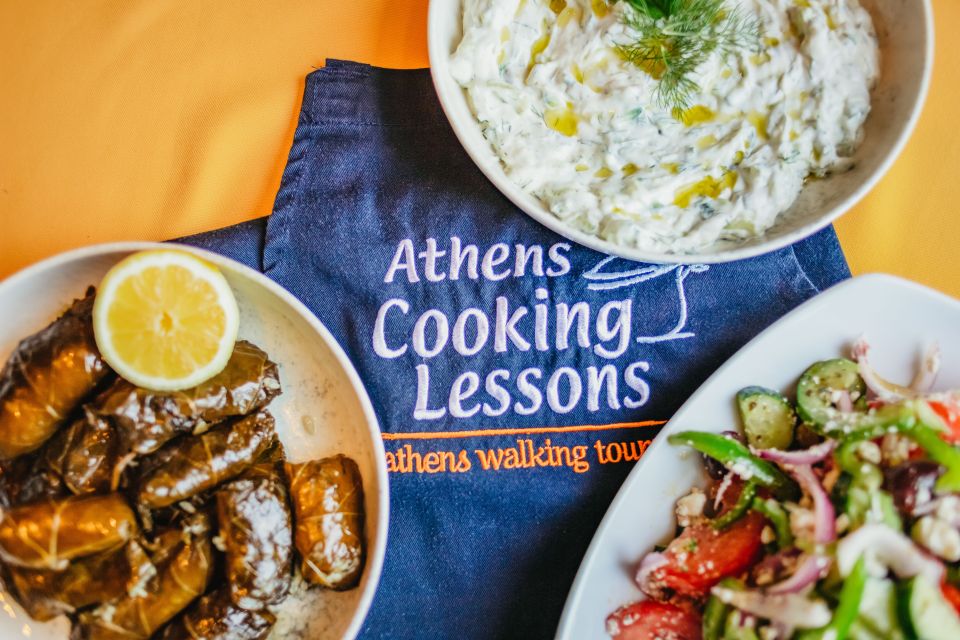
Your first taste of the process is the starter (part of a traditional starter–main–dessert dinner). The big idea here is learning how Greek flavors come from everyday ingredients, not fancy tricks.
Expect hands-on work with ingredients that are common in Greek cooking: herbs, vegetables, olive oil, and flavor builders that show up again and again. Instructors tend to explain not just what you’re doing, but what the ingredient is supposed to do. For example, herbs aren’t just garnish; they’re part of how the dish gets its backbone.
The exact starter can vary with season and availability. Some classes lean into lighter salads or vegetable-forward starters, and seasonal menus can also include multiple starters/salads as part of the overall meal plan. That’s one reason the menu note matters: you might see a list that includes 3–4 starters/salads depending on what looks best at market.
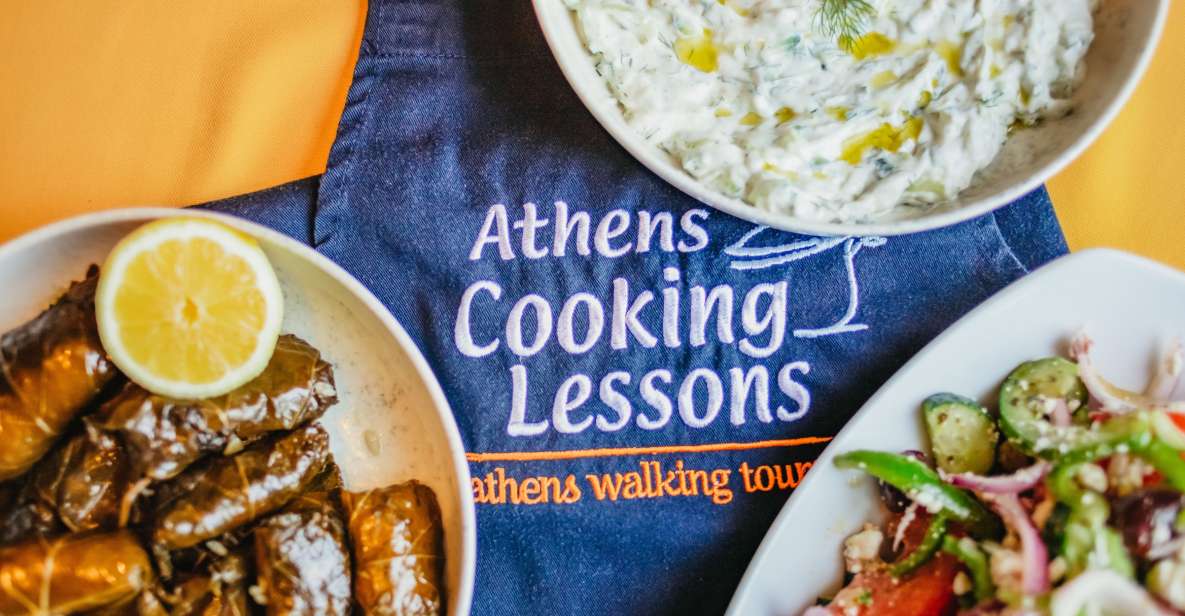
If you’re hoping for specific dishes you’ve tasted in Greek restaurants, you may find familiar favorites show up—people mention learning techniques tied to dishes like spinach pie (spanakopita) and dolmas in other course lineups. Even if the specific starter differs, the method you learn—how to balance herbs, salt, acidity, and texture—travels home with you.
Main Course Techniques: Herbs, Cuts, and “Sunday Dinner” Logic

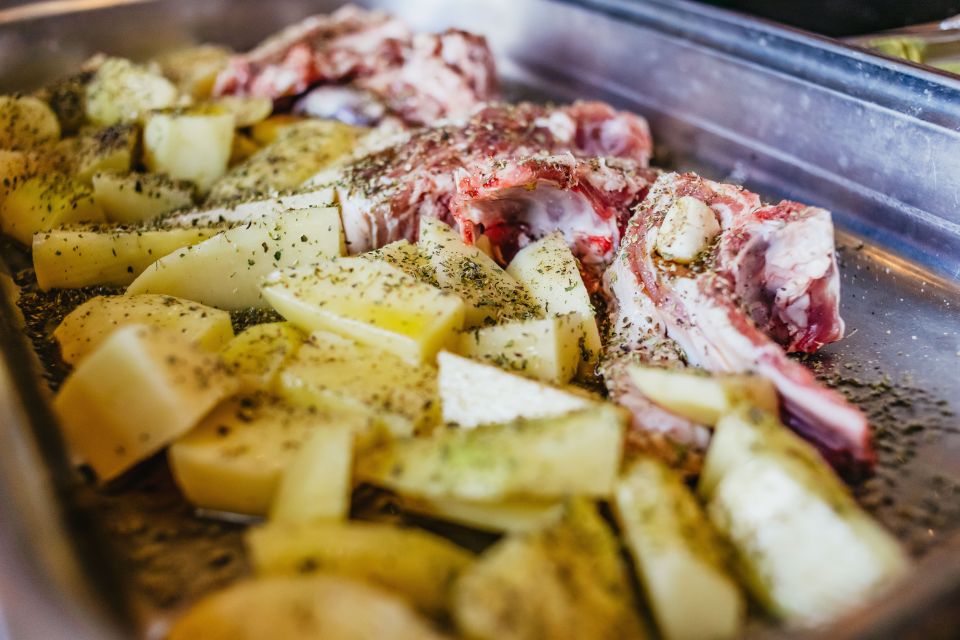
The main course is where Greek food turns from flavorful to satisfying. This is also where technique matters: you’ll learn how Greeks think about seasoning, how to handle key ingredients, and what makes a dish feel complete.
From what’s provided, you’ll learn about the “usual suspects” in Greek cooking: herbs, fresh vegetables, and even the cuts of meat Greeks commonly use. That matters because it teaches you how to shop smart at home. When you know which cuts and aromatics Greeks reach for, you stop guessing.
The instructor’s role is huge here. Reviews repeatedly highlight teachers like Stella, Niki, Vicky/Viki, and others for being patient and encouraging, and for sharing small tips that make food turn out right. You’ll get the kind of coaching that helps you avoid the two most common home-cook problems: overworking ingredients or under-seasoning because you’re afraid of being “too bold.”
One practical upside for you: cooking in a group forces you to split tasks and learn the flow of a full meal. You’re essentially learning a mini Greek household routine—prep, cook, rest, and plate—so you can recreate the result later with less stress.
Dessert: The Sweet Finish (And Why Greek Desserts Aren’t Random)
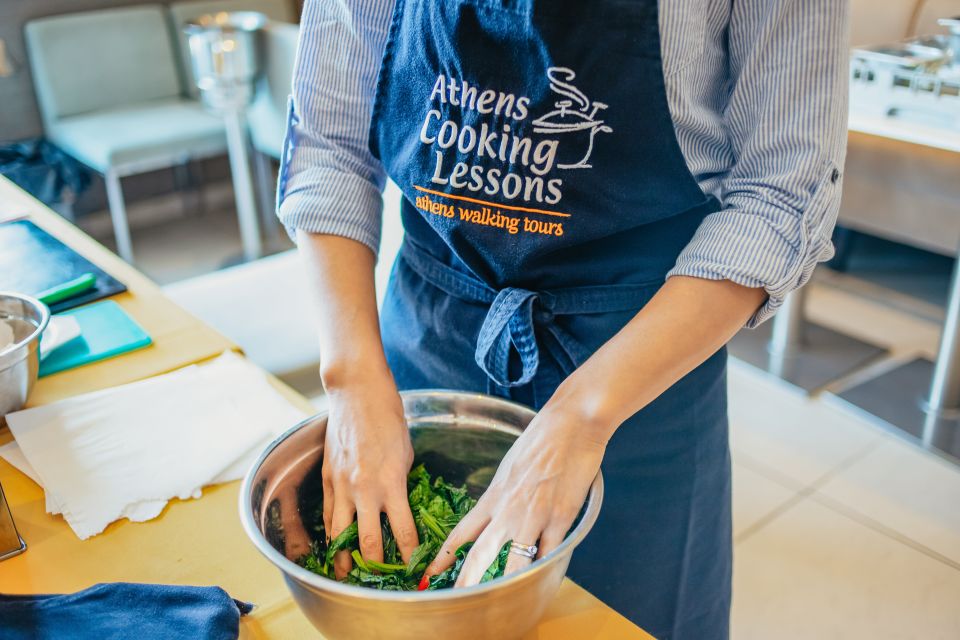
Greek desserts aren’t just an afterthought. They often rely on technique and texture—especially when pastry is involved.
In classes like this, the dessert portion is part of the 3-course structure, and it’s usually paired with the broader theme of a Sunday dinner. People have specifically mentioned learning pastry-related know-how for dishes like spinach pie, so if your dessert involves pastry work, you’ll likely get hands-on guidance on assembling or handling dough correctly.
Because the menu can change by season, I can’t promise the exact dessert. But I can tell you what to expect from the experience style: the instructor will explain the steps clearly and help you see what “done” looks like. That’s the real skill you’re buying, even if the exact dessert changes.
And yes, once dessert is plated, you finally stop doing and start enjoying. That shift is part of why this class is such a good Athens choice. You’ll have food on the table that you made yourself, not food you ordered and forgot ten minutes later.
You can also read our reviews of more tours and experiences in Athens






Eating Your Work: Wine, Group Energy, and Possible Acropolis Views
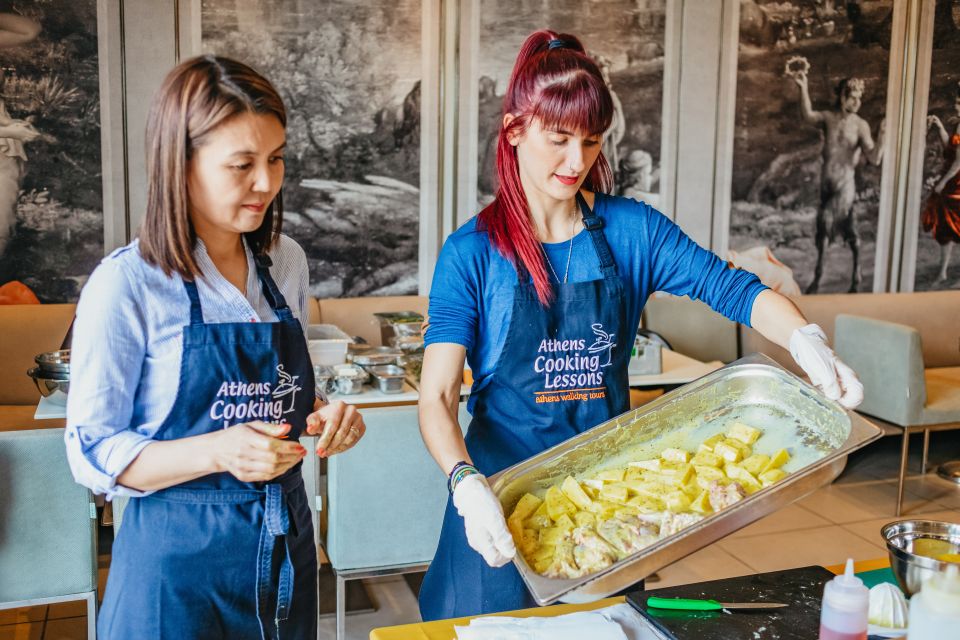
After cooking, you’ll sit down to enjoy the meal you prepared: starter, main, and dessert, served with a glass of local wine (or a soft drink). Extra drinks aren’t included, so if you want more than the included sip, you’ll pay on your own.
The dining moment is where the class becomes a memory. Reviews frequently mention the setting and some form of Acropolis view while people eat—often with outdoor seating. Since the seating and menu can vary, think of it as a strong possibility rather than a guaranteed backdrop every single time, but the Hill Athens setting is clearly built for a pleasant finish.
Group dynamics also matter. Cooking together makes conversation easy, and most instructors do a good job keeping everyone involved. If you’re traveling solo, this is one of those activities where you’ll feel included quickly because everyone has a shared task history by the time you eat.
Price and Value: What $115 Gets You (Besides Food)
At $115 per person for about 4 hours, you’re paying for four things:
- Instruction and hands-on coaching from an English-speaking instructor
- Fresh-ingredient cooking for a full meal (starter, main, dessert)
- A drink with your meal: one glass of local wine or a soft drink
- A recipe copy so you can cook again at home
When you compare this to paying for dinner plus cooking supplies plus a standalone workshop, the recipe piece is often what makes it feel worth it. Food experiences can be fun and still vanish the next day. Here, you’re taking home a usable guide.
Also, the fact that the menu can adapt to seasonal market produce is a real value point. You’re more likely to get ingredients that are actually at their best rather than a fixed script designed weeks in advance.
If you’re someone who wants one Athens night that gives you both an evening out and a skill upgrade, this is a solid match.
Who This Athens Class Fits Best
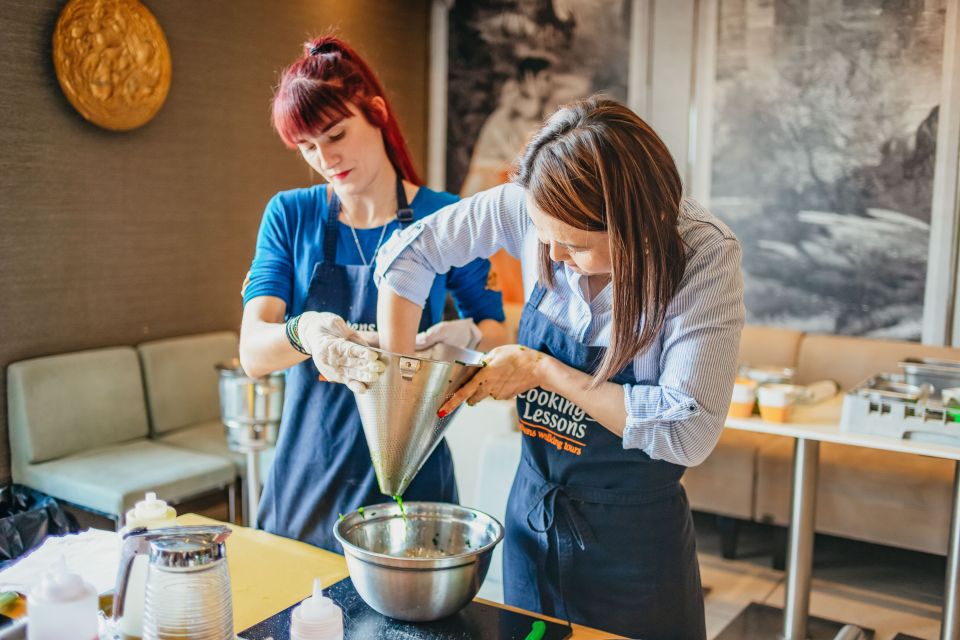
This is ideal if you like learning through doing. It suits:
- couples who want a memorable shared activity, not just another meal out
- friends who enjoy cooking together and want to stop guessing at Greek techniques
- solo travelers who want an easy social situation without awkward small talk
- food lovers who want practical methods, not just taste-and-go
If you’re a total beginner, you’re fine. The class style is built for participation, and multiple instructors are noted for patience and clear explanations. If you’re more advanced, you can still benefit because Greek cooking is technique-light in some areas and technique-specific in others (pastry handling, seasoning balance, and assembly methods).
One more good fit: if you’re the kind of traveler who likes authenticity, this gives you a family-style Sunday dinner approach, not just a generic Greek buffet vibe.
Should You Book This Cooking Class in Athens?
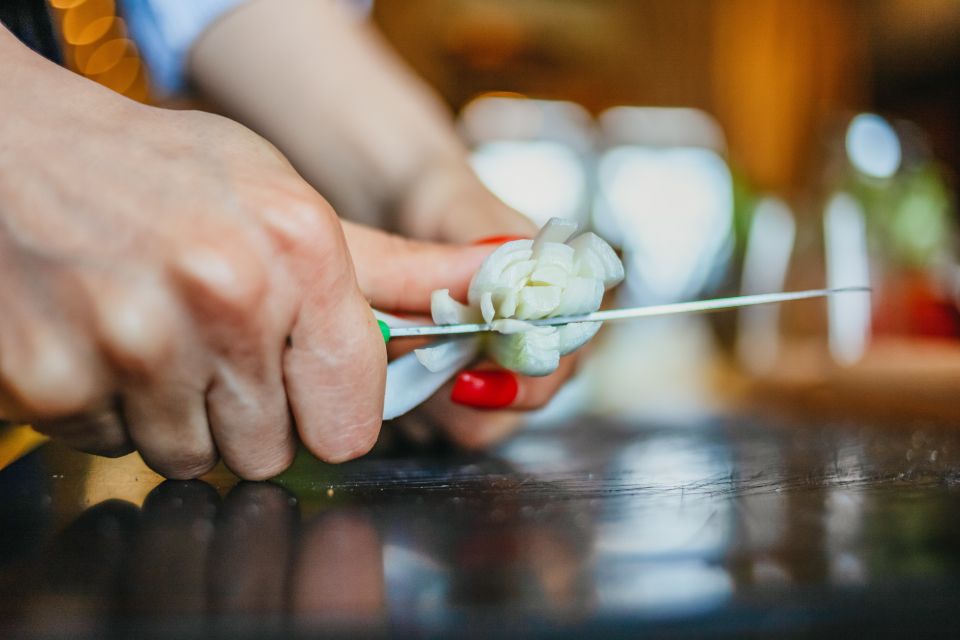
I’d book it if you want an Athens experience that’s hands-on, social, and useful after the trip. The included wine (or soft drink) plus the meal you cook makes it feel like more than a workshop. And the recipe copy turns it into a repeatable evening back home.
Skip it (or at least temper expectations) if you’re strongly attached to a specific dish lineup. The class menu can change based on season and what’s available at local markets. You’ll still learn core Greek cooking habits, but the exact ingredients and dishes may shift.
If you can be flexible and you like cooking as a way to understand a place, this is one of the best ways to spend a 4-hour Athens block.
FAQ
How long is the Athens Greek cuisine cooking class?
It lasts 4 hours.
Where is the meeting point?
You meet at Hill Athens.
What language are the classes taught in?
The instructor language is English.
What’s included in the price?
The price includes the starter, main course, and dessert, one glass of local wine (or soft drink), the cooking instructor, and a copy of the recipes.
What should I bring?
Bring a passport or ID card, comfortable shoes, and a student card.
Do I need to arrange pickup from my hotel?
No. Hotel pickup and drop-off are not included.
Can the menu change?
Yes. Menus vary by season and by what’s available in local markets.
Is there a cancellation deadline?
Yes. You can cancel up to 24 hours in advance for a full refund.
You Might Also Enjoy




More Dining Experiences in Athens
More Cooking Classes in Athens




More Tour Reviews in Athens
- All Day Cruise -3 Islands to Agistri,Moni, Aegina with lunch and drinks included
★ 5.0 · 4,958 reviews