
REVIEW · ATHENS
Athens: Kerameikos Stone House Cooking Class
Book on GetYourGuide →Operated by Mama's Roots · Bookable on GetYourGuide
Cooking in a real stone house beats restaurant meals. In Kerameikos, you shop for food and cook six dishes, then share the meal in a garden courtyard. I love how hands-on it is, and how hosts like Kostas and Elena keep you working instead of standing around.
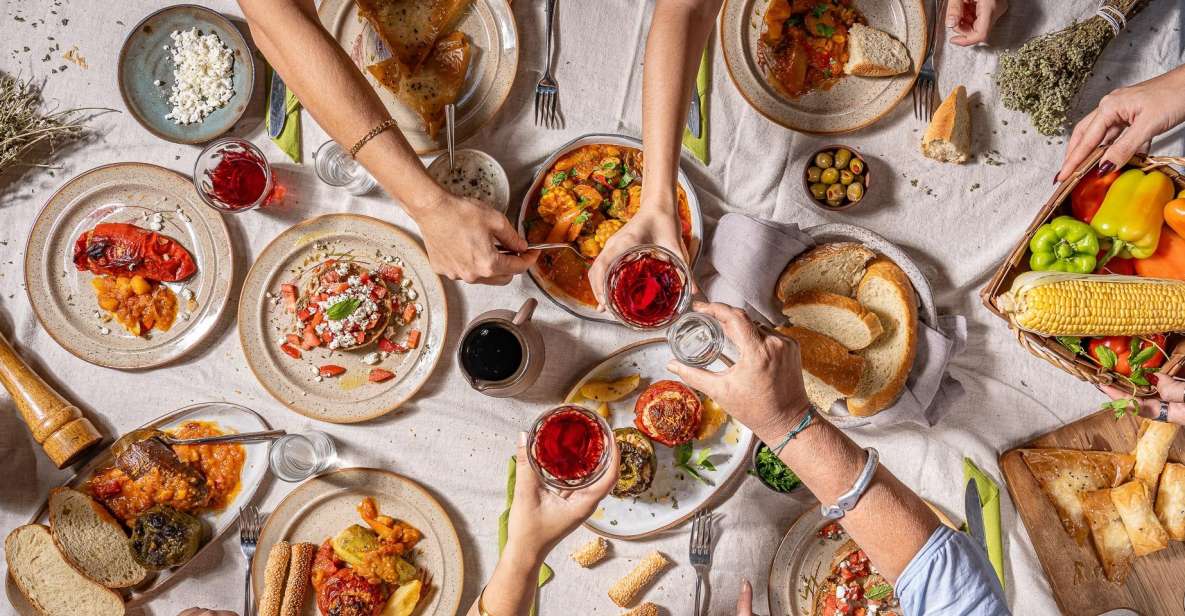
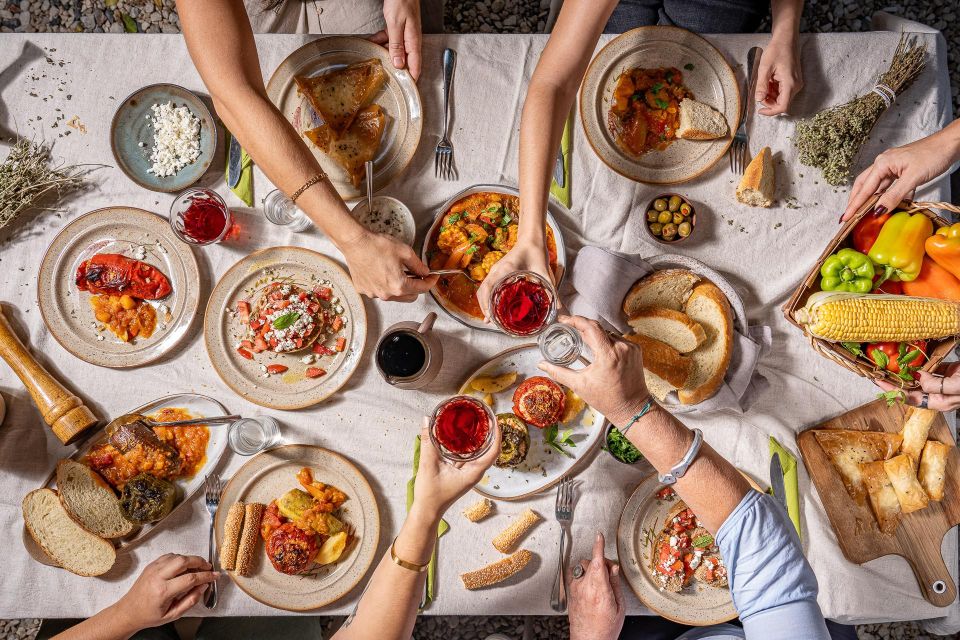
Second, the setting and food feel local in a way most Athens classes don’t manage. The menu leans on Crete and Peloponnese flavors, from Cretan Ntakos salad to stuffed tomatoes and peppers, and you finish with wine from local producers and take-home recipes. The one possible drawback: the menu can change with seasonal availability, so don’t expect every single dish to match a fixed checklist.
In This Review
- Key Things I’d Point You To
- Why Kerameikos (Not the Tourist Strip) Makes This Class Work
- From Mama’s Roots to the Stone House: What Your 3 to 3.5 Hours Feels Like
- Language and group size
- The Market Walk: Why Buying Ingredients Changes How You Cook
- The Six Dishes You’ll Cook (and the Skills You’ll Actually Use)
- Yemista: stuffed tomatoes and peppers, oven-baked
- Spinach Cheese Rolls: mini phyllo pies with feta and herbs
- Cretan Ntakos salad: barley rusks, olive oil, and sour mizithra
- Kagiana: Greek scrambled eggs with tomatoes, peppers, and feta
- Tzatziki sauce: garlic, yogurt, and cucumber
- Loukoumades: honey and cinnamon doughnuts
- The Garden Courtyard Meal: Wine, Sharing, and Eating What You Built
- Leaving with more than full bellies
- Price and Value: Is $106 a Good Deal in Athens?
- Who This Cooking Class Fits Best
- Practical Tips Before You Go
- Should You Book This Athens Cooking Class?
- FAQ
- Where is the class meeting point?
- How long is the cooking class?
- How many dishes will I cook?
- What dishes are included?
- Is wine included?
- Are recipes provided to take home?
Key Things I’d Point You To
- A 1920s stone house in Kerameikos: home-style cooking in an old Athens structure, not a school kitchen.
- A market stop that can be especially good on Tuesdays: when the Farmers’ Market runs right in front, you typically spend about 15 minutes there.
- Six Greek dishes with clear technique: each one teaches a different method, from phyllo pies to tzatziki.
- Garden meal plus local wine: you’re not just cooking—you’re eating what you made, together.
- Small group energy: you get enough attention to learn while still chatting with other people.
- Digital recipes (QR code): you leave with a way to repeat the dishes at home.
Why Kerameikos (Not the Tourist Strip) Makes This Class Work
Kerameikos is the real Athens side quest you’ll be happy you took. It’s known for bars and restaurants, but the cooking class location feels quieter the second you step past the street. The experience is staged in a family-style environment, inside a 1920s stone house in the neighborhood, with a courtyard/garden meal afterward.
I like that the class doesn’t try to impress you with fancy gadgets. Instead, you’re learning Greek food the way most families do it: fresh ingredients, repeatable steps, and a relaxed rhythm that makes the time fly. You’ll also feel the location’s vibe—especially if you’re spending other hours around Monastiraki, Gazi, or the central Athens area.
You can also read our reviews of more cooking classes in Athens


From Mama’s Roots to the Stone House: What Your 3 to 3.5 Hours Feels Like
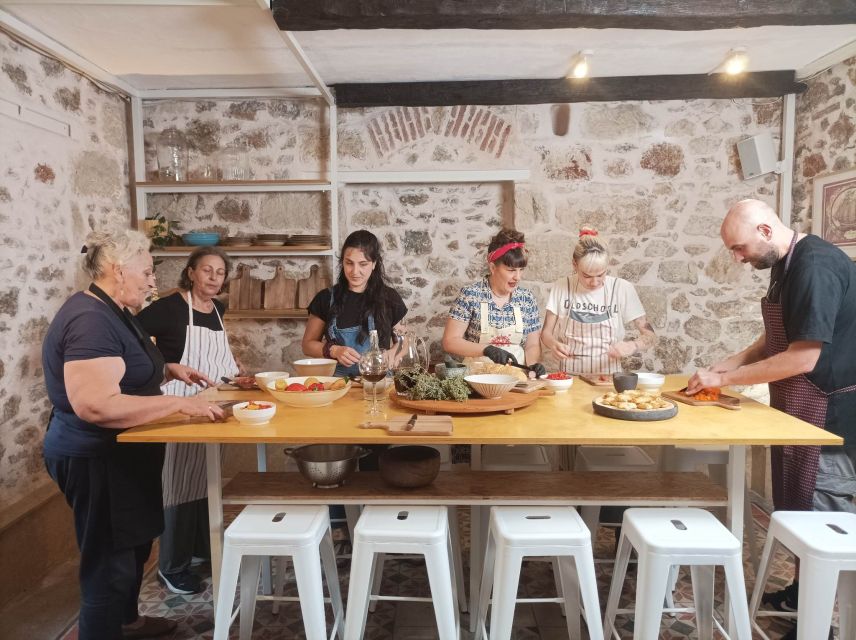
You meet at Mama’s Roots in Athens. From there, you’re guided into the stone house setup where prep stations and cooking steps are laid out so you can participate. This is not a sit-and-watch show. Most of the time you’re cutting, mixing, assembling, and baking.
The whole class runs about 3 to 3.5 hours, and the flow matters. A common complaint with cooking classes is that the group eats late and the pace feels chaotic. Here, the structure tends to keep things moving—enough time for hands-on work, plus a real sit-down meal at the end.
You’ll see how the teaching is organized around participation. People mention that hosts like Kostas and Elena keep things engaging, giving tasks so everyone contributes. That’s a big deal if you’re traveling solo, coming with kids, or just want to feel useful instead of sidelined.
Language and group size
Instruction is in English, and the class is described as small group. In practice, people report groups around the single digits, which helps a lot with attention and pacing.
The Market Walk: Why Buying Ingredients Changes How You Cook
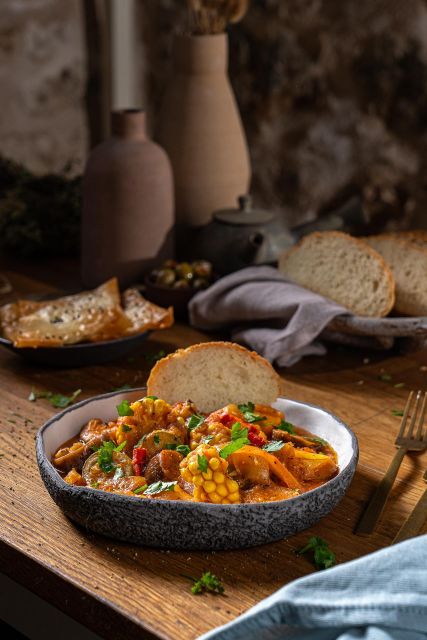
Here’s the part I think you’ll appreciate most if you care about cooking after you go home: the class often starts with a food-minded walk. There’s typically time to shop with the team, so you learn what to look for and how locals think about produce and pantry staples.
On Tuesdays, there’s a Farmers’ Market right in front of the place. They usually spend around 15 minutes there picking up fresh ingredients. Even if you’re not a “market person,” this is a smart way to connect the dishes to the ingredients they actually rely on.
The market component is valuable because it teaches the why behind the menu. Greek cooking isn’t just about recipes—it’s about choosing the right basics: ripe tomatoes, herbs that smell like herbs, and the right dairy for sauces like tzatziki. When you understand the ingredient logic, you can recreate more confidently later, even if the exact brand you find at home isn’t identical.
The Six Dishes You’ll Cook (and the Skills You’ll Actually Use)
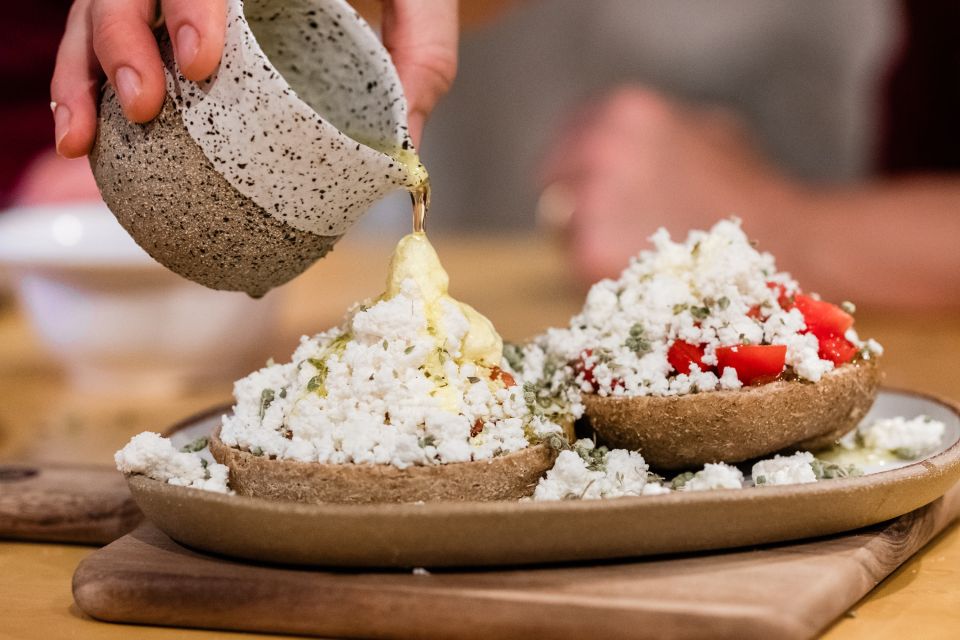
The menu is traditional Greek and designed around classic techniques. The exact lineup can shift with seasonal availability, but the core dishes below are the ones you should expect to see often.
You can also read our reviews of more tours and experiences in Athens






Yemista: stuffed tomatoes and peppers, oven-baked
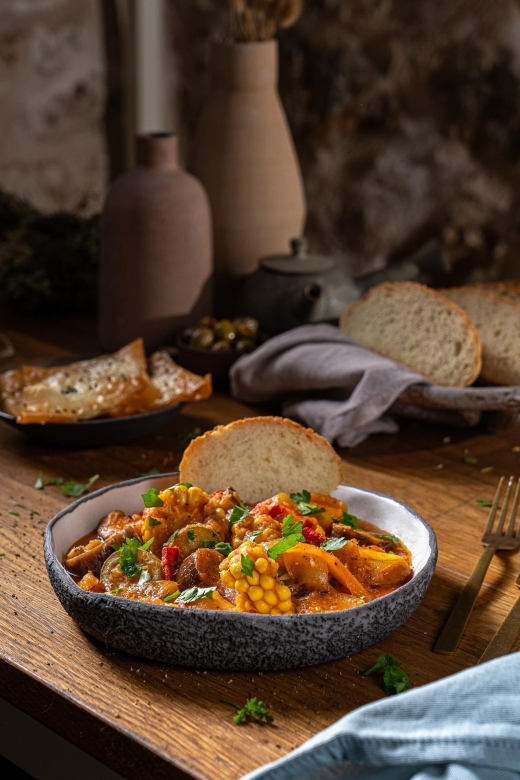
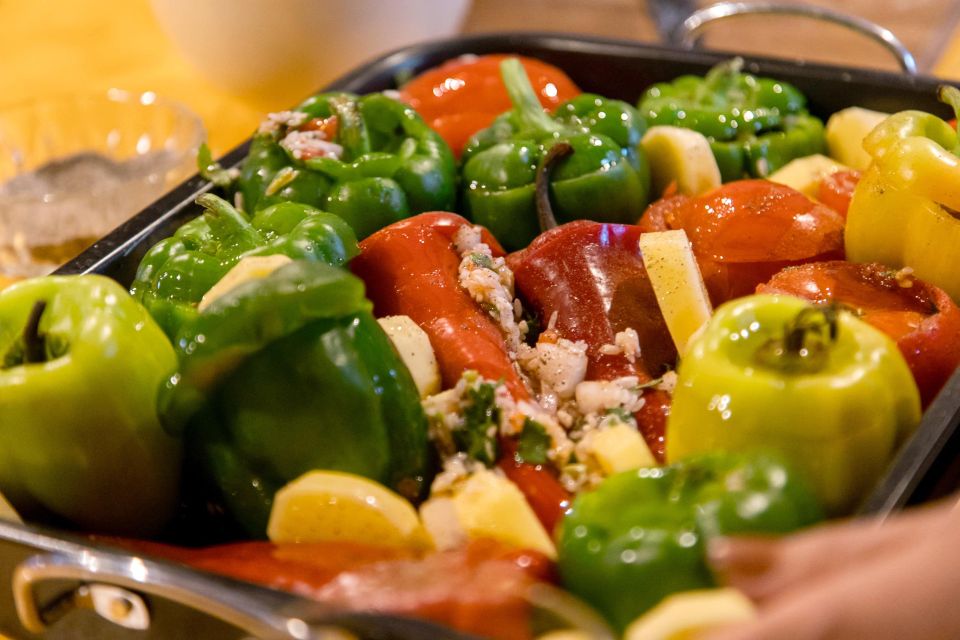
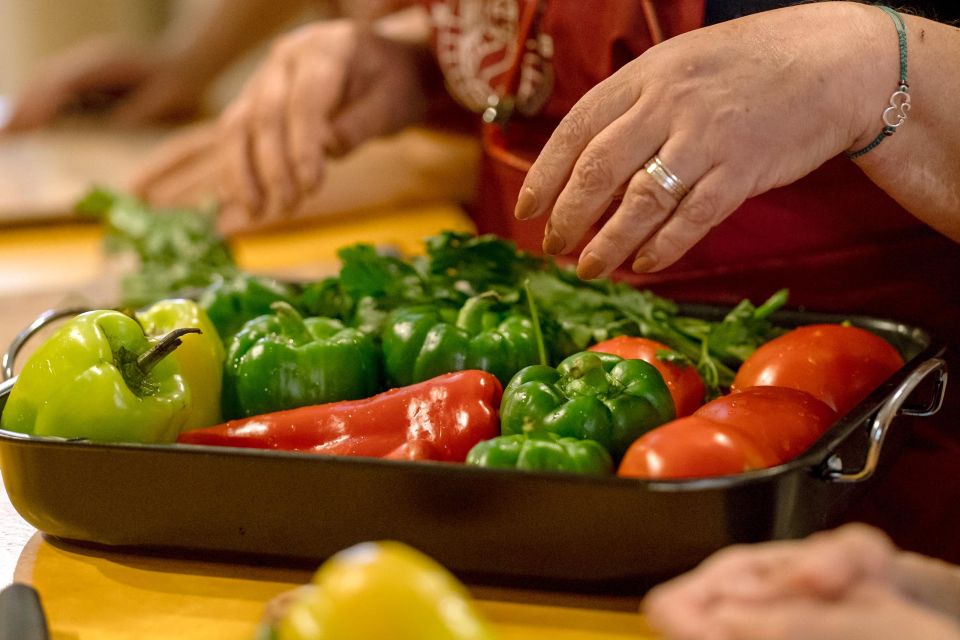
You’ll make Yemista, which is essentially baked tomatoes and peppers stuffed with a mix of rice, vegetables, herbs, and extra virgin olive oil. The skill focus here is stuffing and seasoning so the vegetables hold flavor while cooking down. It’s also one of those dishes that tastes even better after a bit of rest, which is great if you want leftovers.
Spinach Cheese Rolls: mini phyllo pies with feta and herbs
This one is a favorite for a reason. You’ll assemble Spinach Cheese Rolls, described as crunchy mini pies with feta and fresh spinach and herbs, wrapped in phyllo and baked in the oven. You get practice with phyllo handling and portioning—how to fold and shape so it bakes crisp instead of soggy.
If you only take away one “weeknight” recipe idea from Athens, this is a strong candidate. It’s Greek comfort food that doesn’t require rare ingredients or complicated steps.
Cretan Ntakos salad: barley rusks, olive oil, and sour mizithra
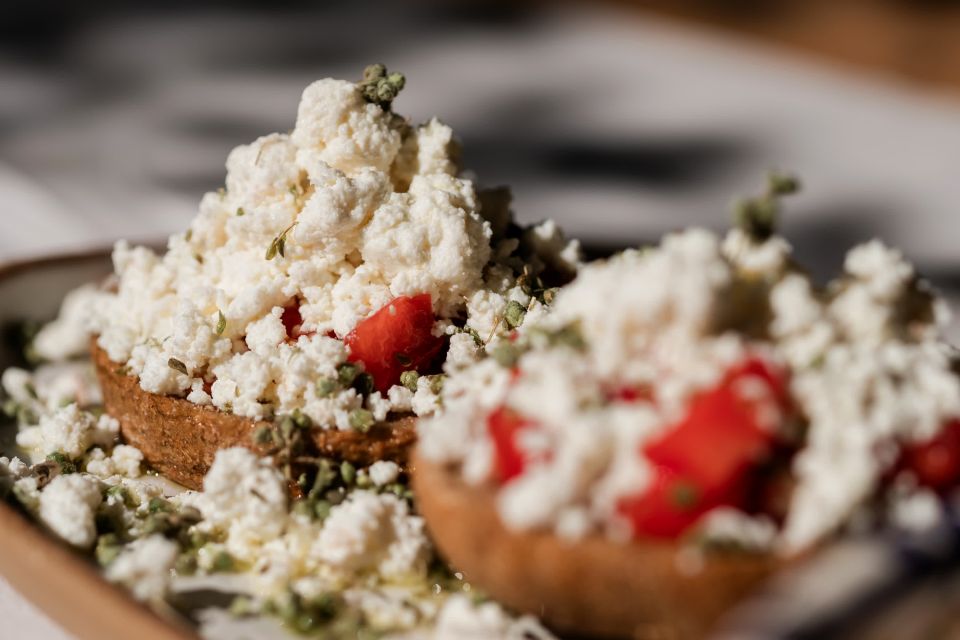
Cretan Ntakos salad brings texture and tang. It includes crunchy barley rusks soaked in olive oil, diced tomato, capers, oregano, and sour mizithra cheese. The method teaches balance: crunchy meets soft, and salty meets bright. Even if you’ve eaten Greek salad before, this one has a different personality because of the barley base and mizithra.
Kagiana: Greek scrambled eggs with tomatoes, peppers, and feta
Kagiana is Greek scrambled eggs with grated tomatoes, peppers, and feta. This teaches gentle heat and timing so the eggs become creamy instead of dry. It’s also a reminder that Greek breakfast can be a whole meal, not just toast and coffee.
Tzatziki sauce: garlic, yogurt, and cucumber
You’ll make a classic tzatziki sauce with garlic, yogurt, and cucumber. The technique here is practical: get the yogurt texture right, balance garlic intensity, and manage cucumber so the sauce doesn’t turn watery. Once you learn this method, you’ll understand why tzatziki tastes different in Greece—it’s not just the ingredients, it’s how they’re handled.
Loukoumades: honey and cinnamon doughnuts
For dessert, you’ll make Loukoumades, small round doughnuts finished with honey and cinnamon. This part is fun because it’s indulgent without being complicated. If you’re someone who loves watching every step from batter to finish, keep in mind that some people wished they saw the dessert process more fully while they were busy eating the meal—but the dessert is part of the experience, and you’ll still leave with the outcome and recipes.
The Garden Courtyard Meal: Wine, Sharing, and Eating What You Built
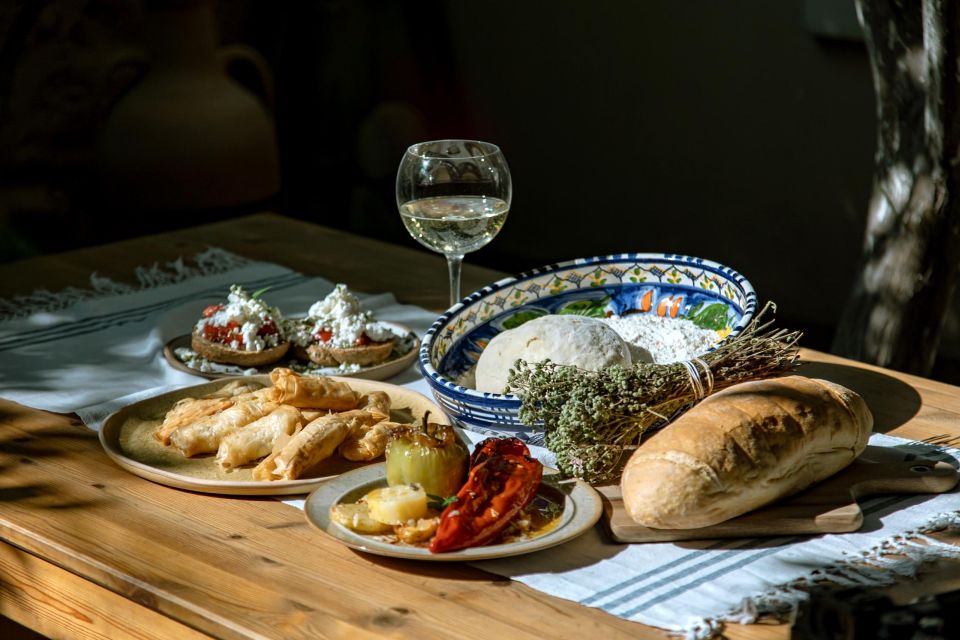
After cooking comes the best part: you sit down and eat together. The meal is served in an outdoor garden/courtyard setting, which gives a calm, lived-in feel. People talk about shade, lemon-tree vibes, and the way the place feels like you’re at someone’s home rather than in a classroom.
Local wine is included to accompany the meal. In reviews, wine is often mentioned as generous, but the important practical point is that the food-and-wine pairing is part of the design, not an afterthought. You’ll also likely get conversation time—about the dishes, ingredients, and Greek life beyond Athens headlines.
Leaving with more than full bellies
The best souvenirs here aren’t mugs or postcards. You leave with recipes in digital form—delivered so you can access them later via QR code. That matters because Greek cooking changes based on what’s available. When you can reference the recipe method, you can adjust for the herbs, cheese, and produce you can actually find back home.
One small bonus: there’s mention of an on-site shop area where the host sells items like jewelry, pottery, and art from local artisans and personal pieces. If buying is on your radar, bring cash, since that’s what people specifically point out.
Price and Value: Is $106 a Good Deal in Athens?
At $106 per person, this isn’t a budget activity. But it’s also not just paying for food. You’re paying for:
- Hands-on instruction across multiple dishes (not one recipe demo)
- Six dishes worth of ingredients and cooking effort
- Wine from local producers with the meal
- Recipes you can use later (digital format)
When I look at value, I think about how many “meals” you get and whether you can repeat the skills. Here, you cook enough food that you’ll typically leave comfortably full, and you learn multiple techniques—phyllo handling, stuffing and baking, sauce-making, and egg timing. A one-time restaurant dinner gives you taste. This gives you a plan.
Also, you’re in a unique location: a stone house in Kerameikos, with a market start when it’s Tuesday. The experience is built around atmosphere and authenticity, not just food.
Who This Cooking Class Fits Best
This works especially well if you:
- Want an Athens experience that feels local rather than staged for tourists
- Like hands-on activities and don’t want to be stuck watching
- Plan to cook again at home and want methods, not just flavors
- Travel with kids or mixed-age groups, since tasks are easy to scale and participation is encouraged (you’ll see people talk about family-friendly pacing)
You might want to pick a different style of class if you:
- Are only interested in one dish and don’t care about the rest
- Prefer watching from start to finish without interruptions (some people wish dessert steps were more visible while they were eating)
- Are very tight on schedule and hate the idea of spending an entire afternoon in one spot
Practical Tips Before You Go
A few things will make your time smoother.
- Arrive hungry (but not frantic). You’ll cook for a while, then eat a lot. People consistently leave stuffed.
- Ask questions about ingredients. Hosts tend to explain what goes where and why, especially with tzatziki and the sour cheese element in the Ntakos-style salad.
- Plan for a warm Athens afternoon. Some people mention air-conditioned comfort for the meal when it gets hot, but the garden/courtyard setup is part of the charm.
- Scan the recipe QR code right away. It’s the easiest way to ensure you can recreate dishes later.
- Bring a bit of cash if you want to browse the on-site shop. That’s a common practical note.
Should You Book This Athens Cooking Class?
Yes—if you want a real Athens food day, with hands-on cooking, a market connection, and a meal you actually get to eat in a garden courtyard. The value isn’t only in the price; it’s in the number of dishes, the repeated techniques, and the fact that you’ll leave with recipes you can use again.
I’d book it when you have an afternoon free and you’d rather learn Greek cooking than just collect photos. If you’re the type who likes to taste Greece in a practical way, this is a strong choice in Kerameikos.
FAQ
Where is the class meeting point?
You meet at Mama’s Roots in Athens.
How long is the cooking class?
It lasts about 3 to 3.5 hours.
How many dishes will I cook?
The class is designed around making 6 traditional Greek dishes.
What dishes are included?
The menu often includes Yemista, Spinach Cheese Rolls, Cretan Ntakos salad, Kagiana, Tzatziki Sauce, and Loukoumades, with the note that the menu may change based on seasonal availability.
Is wine included?
Yes. Wine from local producers is included to accompany the meal.
Are recipes provided to take home?
Yes. You receive recipes in digital form.
You Might Also Enjoy



More Workshops & Classes in Athens
More Cooking Classes in Athens
More Tour Reviews in Athens
- All Day Cruise -3 Islands to Agistri,Moni, Aegina with lunch and drinks included
★ 5.0 · 4,958 reviews