REVIEW · ATHENS
Athens: The Mythology Tour of Acropolis & Acropolis Museum
Book on GetYourGuide →Operated by Greeking.me · Bookable on GetYourGuide
Myths climb the Acropolis with you. This private tour connects legends to real places, with standout stops at the Theater of Dionysus and the Acropolis Museum. It’s an easy way to turn the Acropolis from a pile of ancient stone into a story you actually follow.
I like that the myth telling fits both first-timers and people who know a bit already, and even families with kids usually keep up. One important consideration: entrance fees aren’t included, so budget extra beyond the tour price.
- Theater of Dionysus: where ancient drama was born
- Asklepieion & Asclepius: healing myths tied to sacred cures
- Propylaea & Athena Nike: victory and power in the gateway’s symbolism
- Parthenon and Erechtheion: mythology woven into classical identity
- Acropolis Museum: mythic stories made visible through statues and treasures
- Private, English-speaking guide: pacing that can work for different experience levels
In This Review
- A 4-Hour Acropolis Myth Tour That Actually Explains What You See
- Theater of Dionysus: The Birthplace of Ancient Drama
- Asklepieion and Asclepius: Healing Myths With Real Emotional Weight
- Propylaea and Athena Nike: Walking Through a Gateway of Power
- Parthenon and Erechtheion: When Myth Becomes a Political Vision
- Acropolis Museum: Turning Statues Into Myth You Can Follow
- Guides Matter: Why Nino Tsavalos and Tavouti M. Sapfo Fit This Tour
- Price and Entrance-Fee Reality for a Private Group Up to Two
- Timing, Walking, and Who Should Consider This Tour
- Should You Book the Athens Mythology Tour of the Acropolis & Acropolis Museum?
- FAQ
- How long is the Athens Mythology Tour of the Acropolis & Acropolis Museum?
- Is the tour private or shared?
- Are entrance fees included in the price?
- Where do we meet the guide?
- Is food and drinks allowed during the tour?
- Is this tour suitable for people with mobility impairments?
A 4-Hour Acropolis Myth Tour That Actually Explains What You See
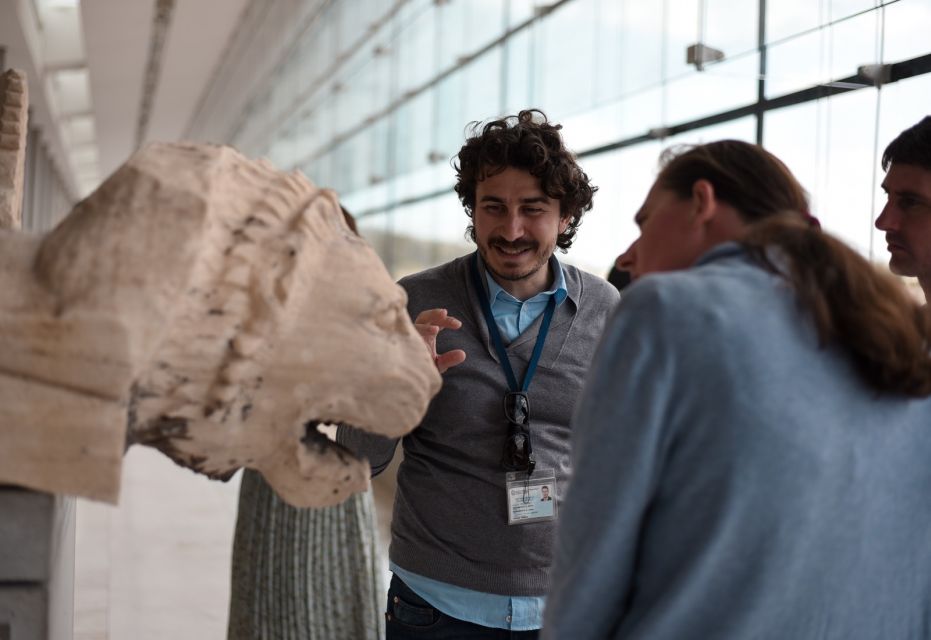
The Acropolis can be impressive and confusing at the same time. This tour tackles that by using mythology as your map. You’ll walk up the slope with a guide who connects each site to the god, hero, or legend linked to it, so the scenery stops feeling random.
You’re also paying for a private group experience. That matters here, because you’ll be moving between several different kinds of spaces: a theater, a healing area, gateways and temples, then an indoor museum. A small group keeps the pace human, and it gives your guide room to tailor the storytelling.
The other big value is that this is not only about the Parthenon. You get drama, healing, sacred contests, and victory imagery too, all under the umbrella of how Athenians used myths in everyday life—temples, festivals, and public identity.
Theater of Dionysus: The Birthplace of Ancient Drama
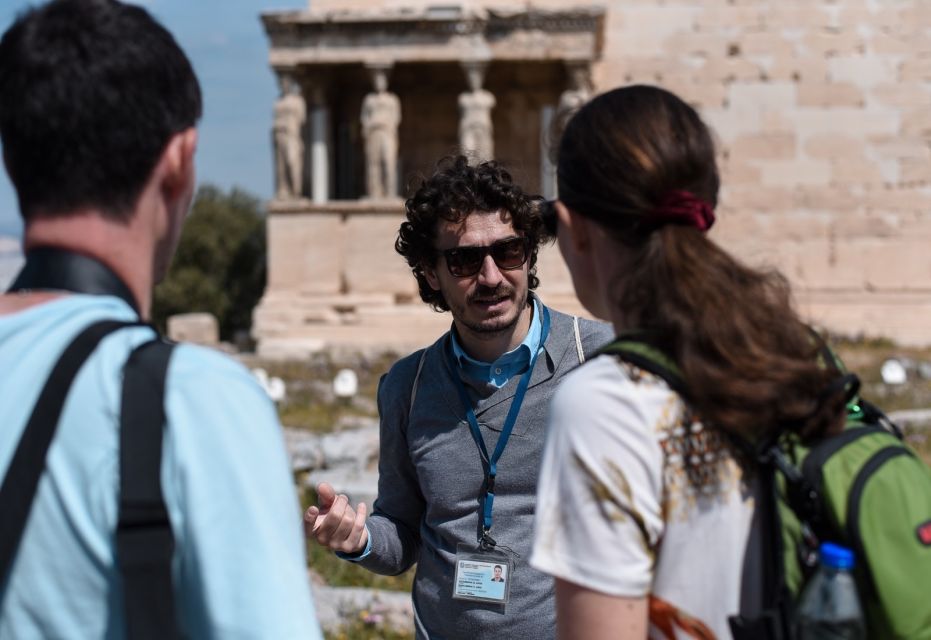
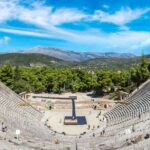
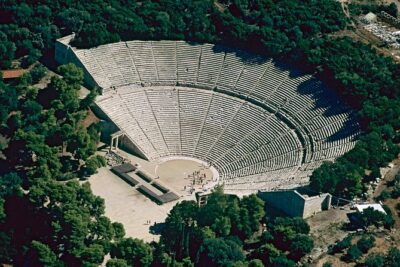
Your tour starts with a heavy hitter: the Theater of Dionysus. This is where the idea of ancient drama really takes root in the story of Athens. Instead of treating theater as a modern art form that happened to survive, your guide frames it as a cultural machine—one that grew from religious myth and community ritual.
You’ll connect Dionysus with the broader reason a theater mattered in ancient Athens. Drama wasn’t just entertainment. It was part of how a city talked to itself about gods, morals, and human choices. That context helps you look at the setting with fresh eyes, even if you only know a little mythology to begin with.
If you’re the type who likes to understand the why behind a place, this start is your win. It gives you an entry point that feels more like storytelling than sightseeing.
You can also read our reviews of more museum experiences in Athens

Asklepieion and Asclepius: Healing Myths With Real Emotional Weight
Next comes the Asklepieion and the healing figure Asclepius. This part shifts the tone from drama to care, and that change is exactly why the tour works. Myth here isn’t only about fate and gods playing games. It’s also about human fear, illness, hope, and the need for comfort.
Your guide explains the healing mysteries of Asclepius, including how his extraordinary powers stirred jealousy from Zeus. That detail isn’t just for trivia. It shows how myths handled boundaries: what gods allow, what mortals desire, and what happens when healing crosses divine lines.
You’ll likely find this stop especially meaningful if you like legends that reflect everyday concerns. It’s one thing to admire temples. It’s another to hear myths that grew around the very real experience of being sick and searching for relief.
Propylaea and Athena Nike: Walking Through a Gateway of Power
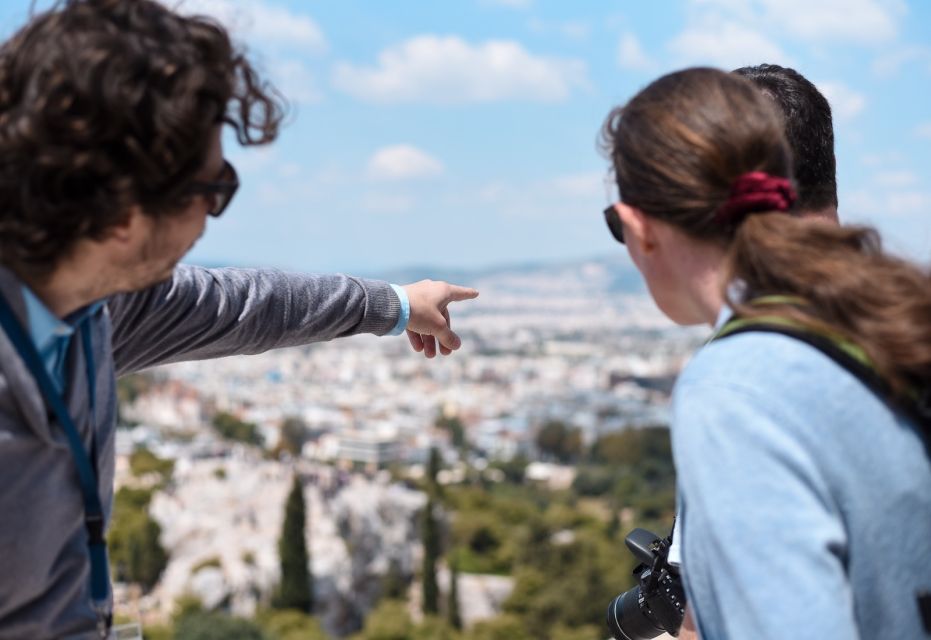
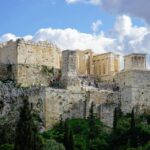
Then you reach the heart of the symbolic approach up the hill: the Propylaea, the monumental marble gateway. The gateway isn’t just a nice entrance. In this tour, it becomes a message: Athens was building a visible statement about authority, protection, and identity.
Your guide ties the Propylaea to Athena Nike, the victorious goddess honored by the Athenians. Nike imagery in a city’s sacred landscape isn’t random decoration. It’s a way to declare values—victory, strength, and divine backing—right where people enter and exit the most important space of the city.
If you’ve ever seen a photo of the gateway and wondered why people react so strongly to it, this is where you’ll get your answer. You’ll understand it less as marble engineering and more as civic storytelling.
Parthenon and Erechtheion: When Myth Becomes a Political Vision
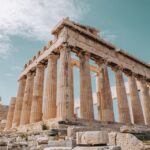
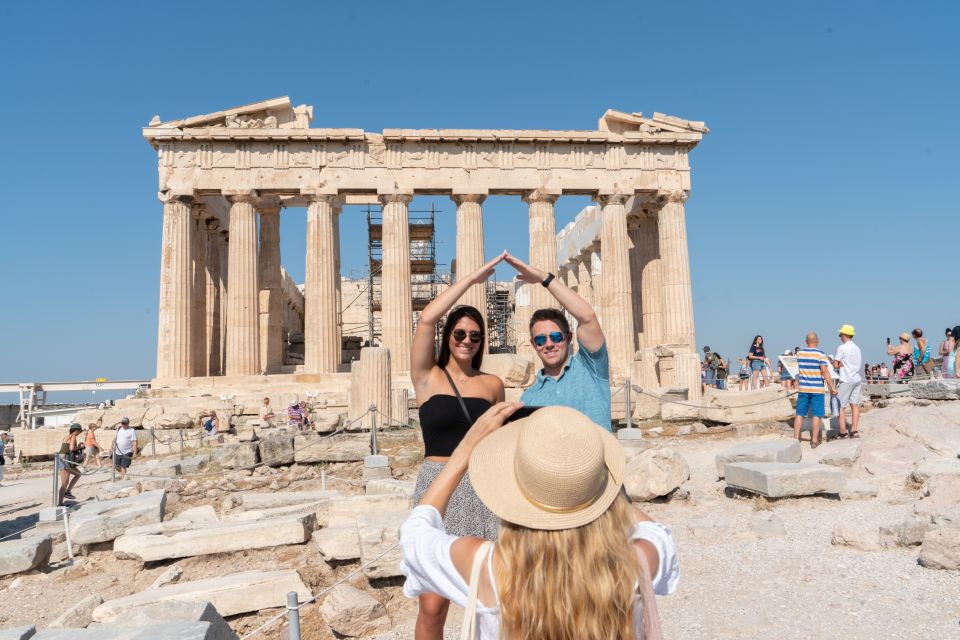
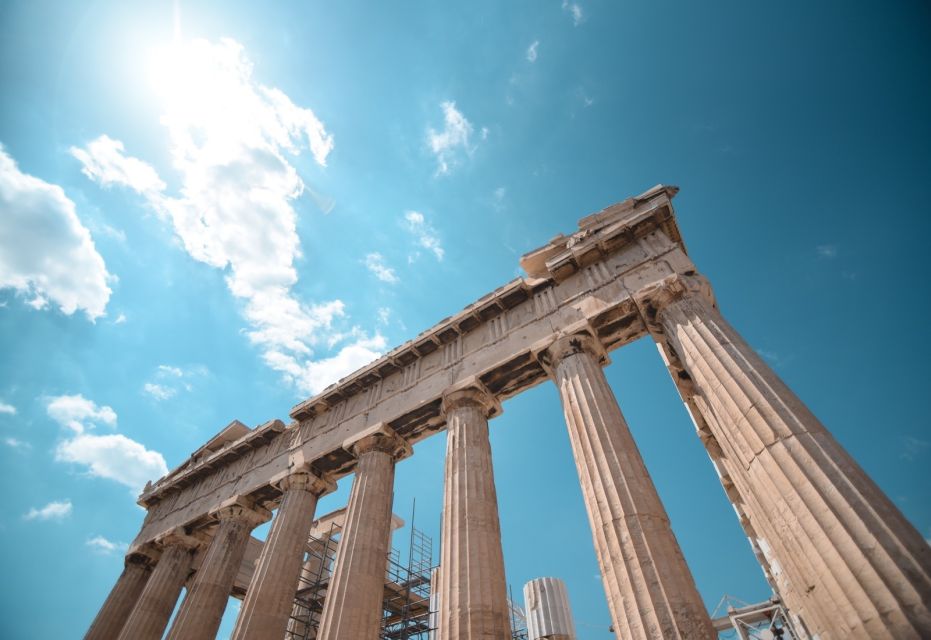
Once you’re at the Parthenon, the tour zooms in on how myth shaped classical Athens. This is the part where you’ll hear the idea that the Parthenon wasn’t only a religious site. It also reflected political vision and the values Athens wanted to project.
Your guide connects the Parthenon to the idea of identity—how myth was used as a framework for what the city believed in and what it wanted to represent. Even if you know the basics of Greek gods, this is where myth becomes more than names. It becomes a way a society organized ideas about power, order, and legitimacy.
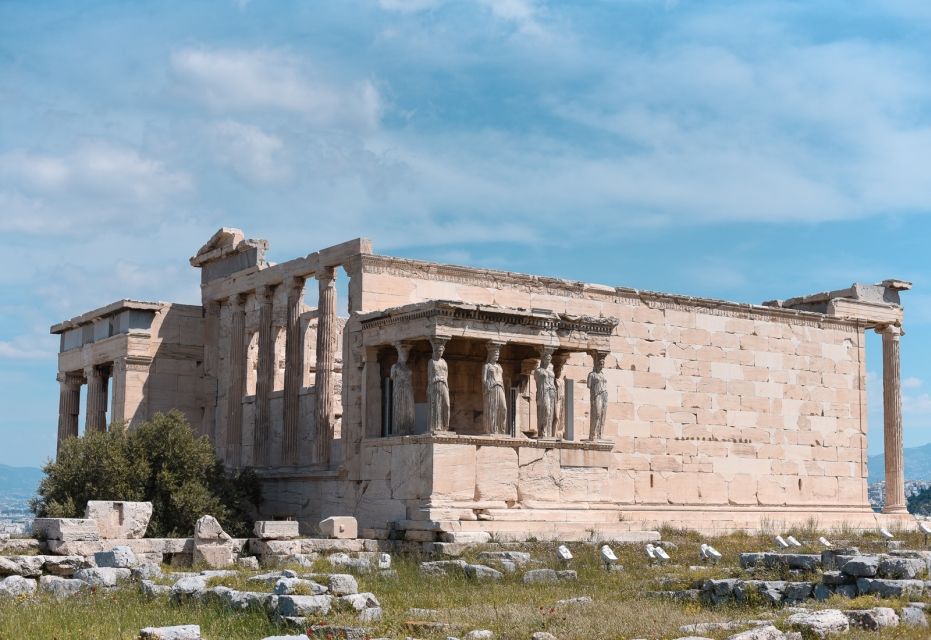
After that, you move to the Erechtheion, a sacred temple of Athena connected to the famous mythical contest between Athena and Poseidon. This is the spot where you can feel how myths explained a city’s world. The contest story isn’t only about rivalry. It’s a mythic explanation of why the sacred landscape belongs to Athena and what that meant for the Athenians’ sense of home.
If you’re worried about getting lost in architecture, don’t be. The tour uses mythology to keep the buildings tied to a narrative, so you’re not left guessing what you’re looking at.
Acropolis Museum: Turning Statues Into Myth You Can Follow
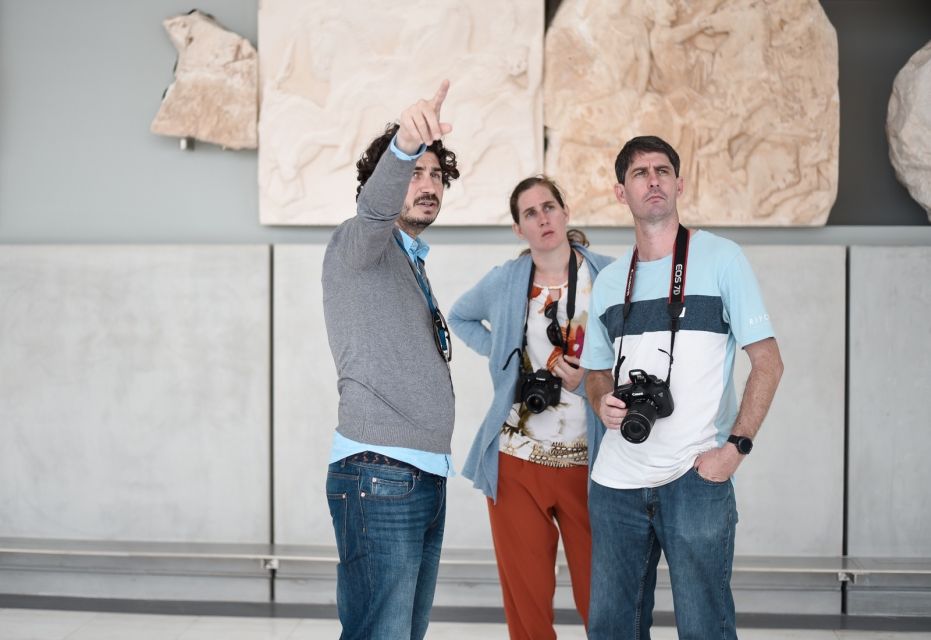
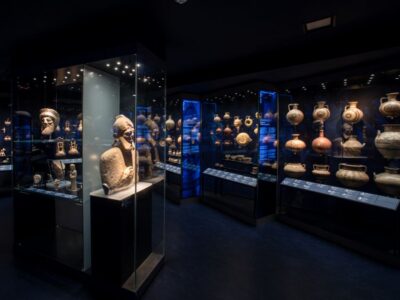
The tour ends at the Acropolis Museum, where the storytelling shifts from outdoor monuments to artifacts. The museum tour is guided for about two hours, and your guide brings statues and treasures connected to mythology’s most memorable tales to life.
This is where your mental picture from the hill clicks into place. Seeing myth as sculptures, objects, and preserved pieces helps you understand what was once displayed for worship, civic identity, and public imagination. Instead of only imagining the past from ruins, you get a chance to study the material evidence that helped those myths last.
You’ll likely appreciate that the museum section doesn’t feel like an add-on. It’s the logical payoff: you came for the legends, and now you’re shown how those legends were carried through objects and artistry.





Guides Matter: Why Nino Tsavalos and Tavouti M. Sapfo Fit This Tour
A myth tour lives or dies on the guide. The best versions don’t just list names; they explain how the stories worked in Athens and why each myth mattered at that specific location.
Some guides who have led this tour include Nino Tsavalos and TAVOUTI M. SAPFO. Their approach is repeatedly described as information that fits different experience levels and stays engaging even when the tour runs a full four hours. That’s a real point for your planning: you’re committing to a half-day, so you want a guide who can keep momentum and clarity.
If you want a tour that feels like a conversation with a strong structure—start with drama, pivot to healing, pass through victory symbolism, then wrap in museum artifacts—this format supports it.
Price and Entrance-Fee Reality for a Private Group Up to Two
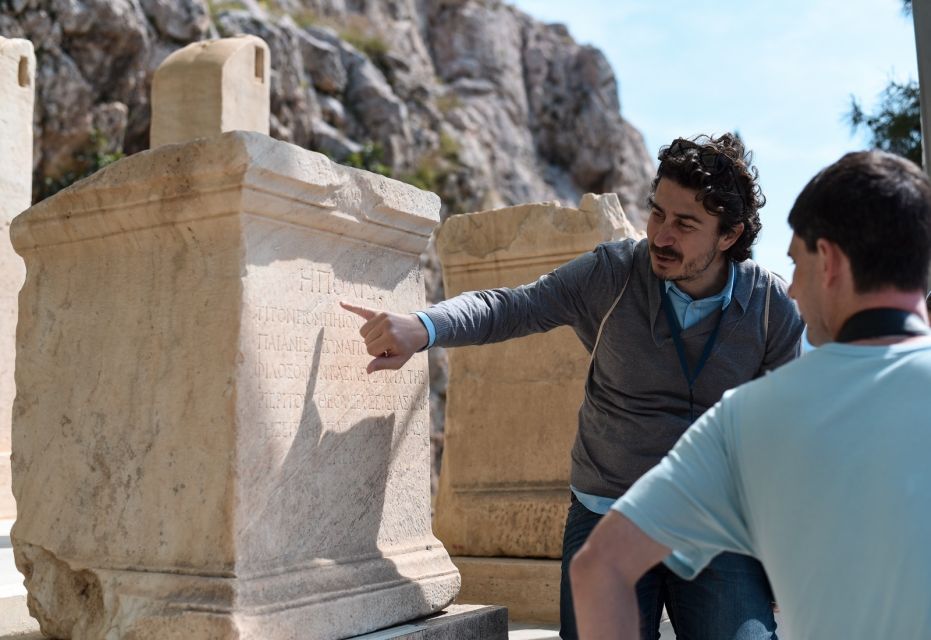
The price is $518 per group for up to 2 people, with a four-hour duration. That’s not cheap in a per-person sense, but for Athens it can make sense because you’re buying time with a guide and a private pacing plan—especially across multiple sites plus the museum.
There’s one critical line item to remember: entrance fees are not included. That means you should expect to pay site admission separately on top of the tour cost. If you budget only for the advertised price, you may feel surprised later.
Also note a small rule: food and drinks aren’t allowed during the tour. That’s normal for many guided walks around ancient sites, but you should still plan your day so you’re not rushing to eat right after the museum or before you meet.
Timing, Walking, and Who Should Consider This Tour
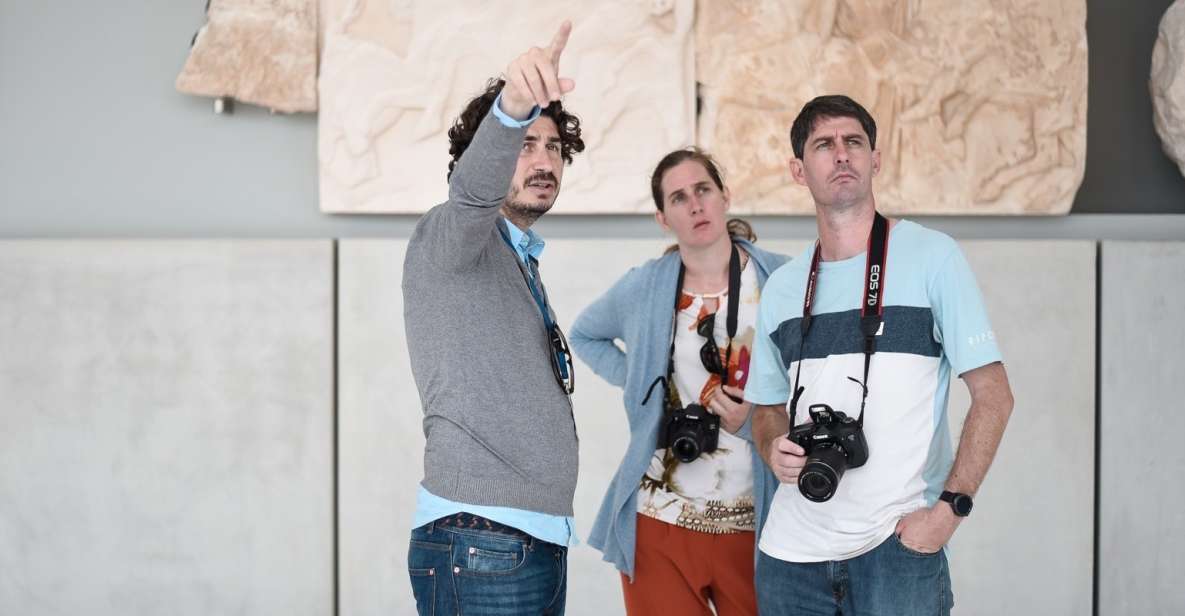
This is a four-hour private tour, with about two hours on the Acropolis area and about two hours in the museum. You’ll be spending time outdoors and moving between landmarks, then switching indoors for the museum portion.
That mix tends to work well for people who want a guided day without turning it into a marathon. A family group with kids has an easier time too when the guide’s storytelling keeps the concepts clear and the stops well explained.
One caution: it’s not suitable for people with mobility impairments. If you or anyone in your group has mobility limits, double-check accessibility needs before booking.
If you’re bringing kids, it helps that the tour has a format that can keep interest alive. The key is the guide’s pacing, and the better guides seem to make it work.
Should You Book the Athens Mythology Tour of the Acropolis & Acropolis Museum?
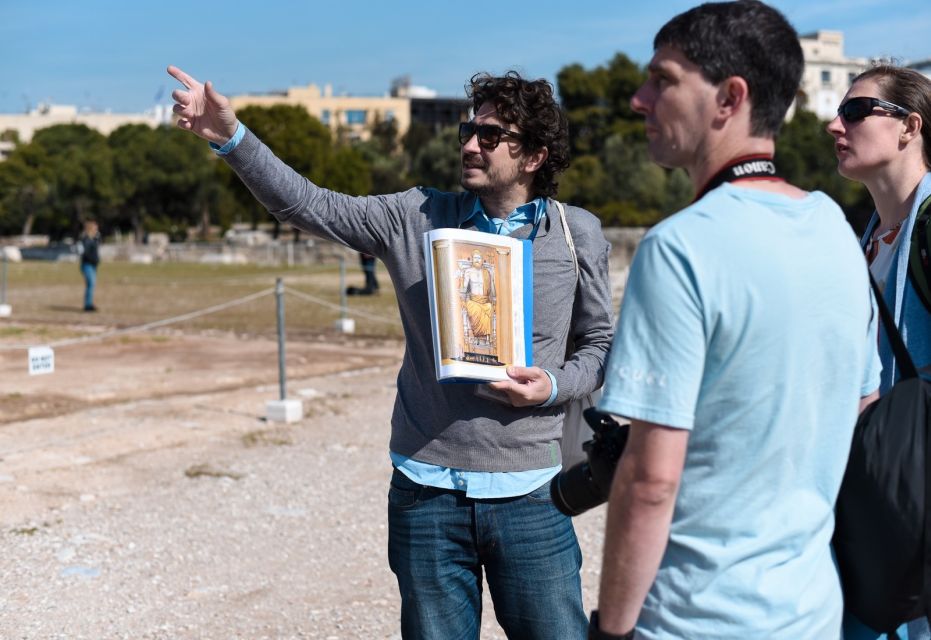
Book it if you want the Acropolis to feel meaningful, not just impressive. This tour’s biggest strength is that it uses mythology as a practical guide: drama at Dionysus, healing myths at Asclepius, power symbolism at Athena Nike, then the Parthenon and Erechtheion made easier by story context. The museum ending is also a strong close because it gives you mythic artifacts you can see and connect back to what you just walked past.
Don’t book if entrance fees will stress your budget. Since admissions aren’t included, you’ll need to add that cost to your total plan. And if mobility is an issue, skip this option and look for something that matches accessibility needs.
If you fall in the sweet spot—curious about Greek myth, happy to walk, and interested in seeing artifacts as part of the story—this is a smart private way to spend half a day in Athens.
FAQ
How long is the Athens Mythology Tour of the Acropolis & Acropolis Museum?
It lasts 4 hours, with guided time on the Acropolis (about 2 hours) and guided time in the Acropolis Museum (about 2 hours).
Is the tour private or shared?
It’s a private group tour, with up to 2 people per group.
Are entrance fees included in the price?
No. Entrance fees to the sites are not included.
Where do we meet the guide?
You meet at the entrance of Acropolis Metro Station on Makrygianni Street.
Is food and drinks allowed during the tour?
No. Food and drinks are not allowed.
Is this tour suitable for people with mobility impairments?
No. It’s listed as not suitable for people with mobility impairments.
You Might Also Enjoy

More Museum Experiences in Athens

More Tours in Athens


More Tour Reviews in Athens
- All Day Cruise -3 Islands to Agistri,Moni, Aegina with lunch and drinks included
★ 5.0 · 4,958 reviews