REVIEW · ATHENS
Athens: Museum of Cycladic Art Entry Ticket
Book on GetYourGuide →Operated by Museum of Cycladic Art · Bookable on GetYourGuide
Ancient Cyclades, carved in marble. That alone makes the Museum of Cycladic Art a smart stop in Athens, especially if you’re curious about how people in the Early Bronze Age actually lived, traded, and believed. I love how the museum makes big ideas feel concrete through real objects you can see up close, from iconic folded-arm figurines to everyday tools.
The museum’s multi-floor setup is another win. You don’t just get pretty sculptures; you also get context—Greek city-states and society on upper levels, plus a clear thread of historical change across periods.
One thing to consider: timing. Renovations have caused periods of loud construction noise for at least some dates, so if you’re sensitive to sound (or you plan to stay a long time), bring patience—or earplugs.
In This Review
- Key points worth knowing before you go
- Museum of Cycladic Art ticket: what your money actually buys
- Getting there near Syntagma: easy, but watch for detours
- Cycladic Art: marble figures, tools, and the human side of prehistory
- How the Greek galleries build context (without drowning you in labels)
- Ancient Cypriot Art: the best argument for cultural mixing
- Using the QR audio (Clio Muse): simple, practical, worth it
- Floor-by-floor pacing: how long to plan and how to move
- Cycladic Café: where to take a breather without ruining the galleries
- Who should book this entry ticket (and who might not love it)
- Price and value check: $14 for a full museum day
- Should you book the Museum of Cycladic Art entry ticket?
- FAQ
- FAQ
- How long can I spend with the Museum of Cycladic Art entry ticket?
- Where do I enter the museum?
- What’s included with the ticket?
- Is a guided tour included?
- Can I cancel my booking?
- Are food and drinks allowed inside?
Key points worth knowing before you go
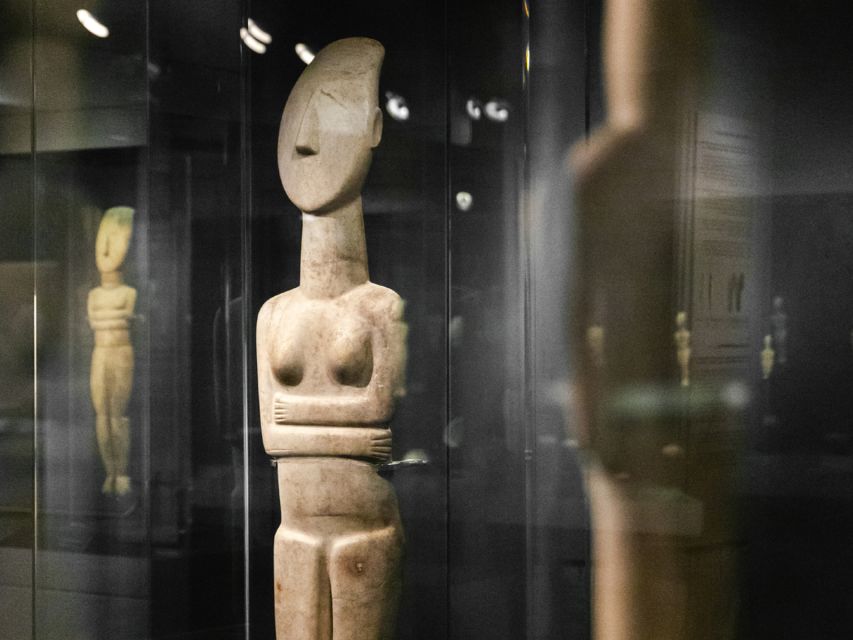
- Iconic Cycladic marble figurines (2300 BC): expect mastery in form and detail that still feels startlingly modern.
- A museum layout that makes sense: you can move floor by floor without getting lost in a maze of rooms.
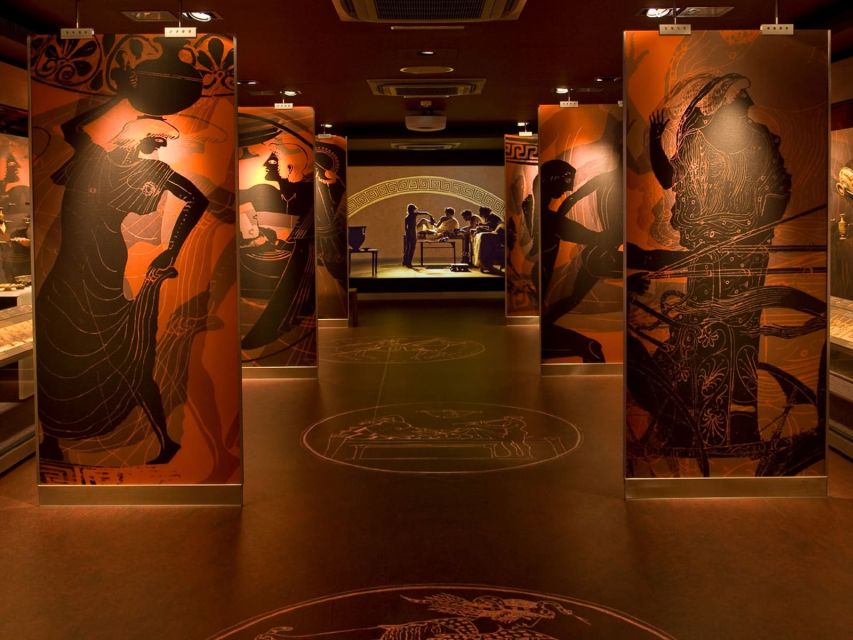
- Greek art in context: the 2nd floor connects objects to the bigger story of ancient Greek history, not just isolated displays.
- Classical Athens everyday life: the 4th floor shifts from mythic or political themes toward day-to-day signals of culture.
- Ancient Cypriot Art beyond Cyprus: see one of the largest collections outside Cyprus, showing how local, Greek, Egyptian, and Near Eastern traditions blended.
- A calm museum pace is possible: plan around 1.5–2 hours if you want the highlights, more if you enjoy reading labels and lingering.
Museum of Cycladic Art ticket: what your money actually buys
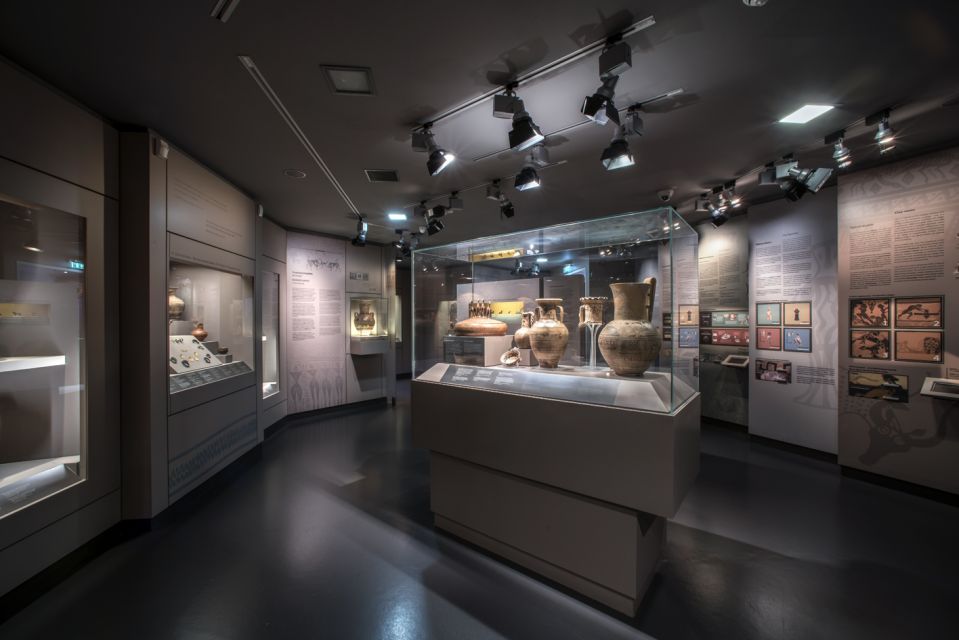
For about $14 per person, you’re buying entry to the museum’s permanent collections for a one-day visit. That’s good value here because the ticket isn’t limited to one small wing. You’re stepping into a full, curated sweep of Cycladic Art and Ancient Cypriot Art, plus a broader Greek art component spread through the building.
Also, this isn’t a guided-tour-only ticket. You can wander at your pace, stop for what grabs your attention, and skip what doesn’t. If you’ve been burned by tours that rush you through rooms, this style is a relief.
You get a couple of practical perks too: free WiFi and access to Clio Muse Tours through a QR code. That matters because the museum is information-forward, and having an optional extra layer helps you focus on the objects that interest you most.
You can also read our reviews of more tours and experiences in Athens



Getting there near Syntagma: easy, but watch for detours
The meeting point is straightforward: enter at the main entrance. It’s about five minutes’ walk from Syntagma Square and the Syntagma Metro station, so you can pair it with other central Athens sights without a long transit plan.
That said, construction around the area has affected at least some entries at certain times. If you show up and the most direct route looks blocked, don’t panic. Use the streets around you to reach the main entrance anyway, then adjust your floor order once you’re inside.
If you’re walking from the Metro, I suggest you give yourself a few extra minutes. It keeps the experience calm instead of rushed.
Cycladic Art: marble figures, tools, and the human side of prehistory
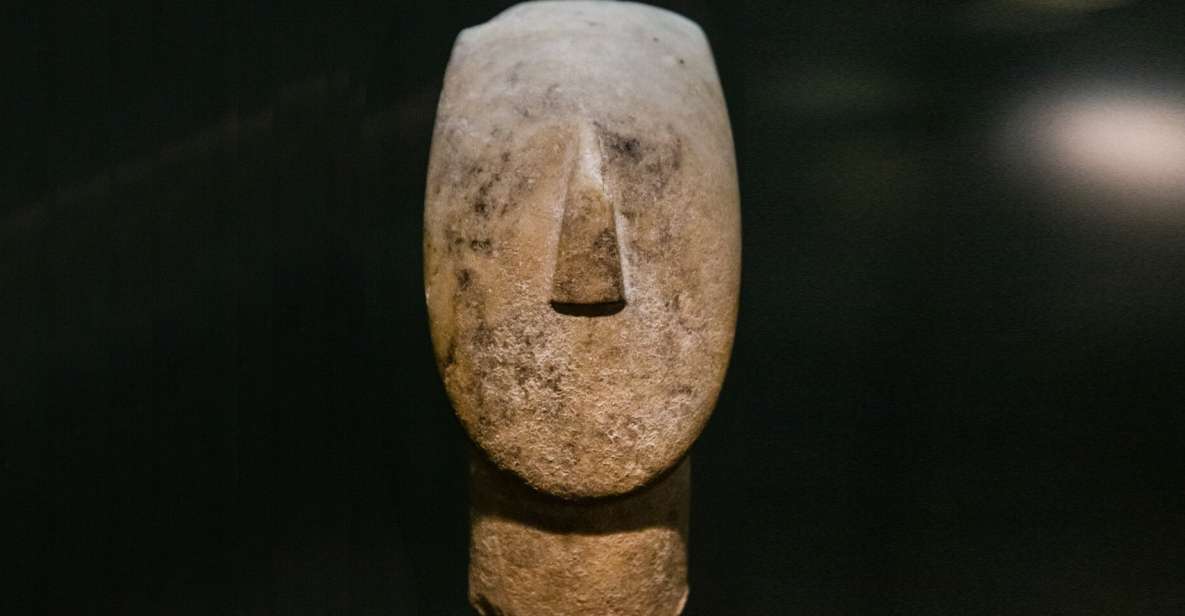
The core of the museum experience is the Cycladic collection from the Early Bronze Age—third millennium BC. This is one of the reasons the place draws people who like art history and archaeology but don’t want a lecture.
You’ll see representative examples of marble carvings and figurines, often dated around 2300 BC, plus artifacts like tools, weapons, and pottery from across different phases of Cycladic island culture. The key point for you: these are not just decorative pieces. They’re evidence. They help answer how people shaped objects, what they valued, and how they used style to communicate meaning.
What I like about Cycladic art is how it’s both simple and exacting. The forms can look spare at first glance, but then you start noticing details—angles, surfaces, proportions—that signal real skill. It’s a quiet kind of power.
If you want to get the most out of this floor time, pick a few objects and trace how the museum’s label system connects them to the wider culture. You’ll feel like you’re building your own mini-story of the Cyclades, not just collecting facts.
How the Greek galleries build context (without drowning you in labels)
The museum’s Greek Art component spans a wide time range: from the 2nd millennium BC through the 4th century AD. That range can sound huge, but the way the museum presents it helps you see change over time.
On the 2nd floor, you get a big-picture overview of historical, artistic, and technological developments. This is where the museum helps you connect objects to the societies that made them. Painted vases, terracotta figurines, bronze vessels, stone sculptures, coins, gold jewelry, and glass items all become part of one moving story instead of a random assortment.
Then there’s the 4th floor, which shifts the tone. Here, you get a vivid glance at everyday life in Classical Athens. That contrast is useful: it keeps the museum from feeling like only politics, only myth, or only art-for-art’s-sake.
If you’re the type who likes to understand why objects mattered, this structure is a real benefit. If you only want visuals, you can still keep it light—just choose where to spend your reading time.
Ancient Cypriot Art: the best argument for cultural mixing
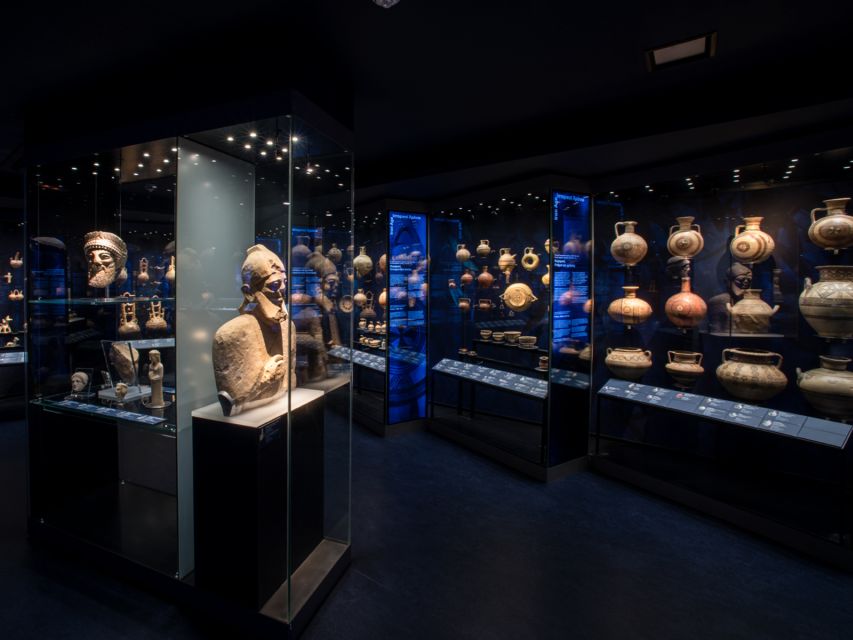
One of the strongest reasons to come is the museum’s Ancient Cypriot Art collection. It’s described as one of the largest outside Cyprus, and you can feel that scale in the variety: prehistoric figurines, Archaic and Classical sculptures, inscriptions, bronzes, coins, gold jewelry, glasswork, and ceramics running from the 4th millennium BC to Medieval times.
The useful takeaway for you is that Cyprus here isn’t treated like an isolated island culture. The museum shows how Cypriot art combined elements from local traditions and outside influences—Greek, Egyptian, and Near Eastern. That’s exactly the kind of cross-Mediterranean interaction you want to see when you’re trying to understand ancient life as connected, not separated by borders.
If you’re coming from a day of visiting sites that focus on one kingdom or one city, this collection offers a refreshing angle. You’ll come away with a stronger sense of how ideas traveled and how artists adapted styles to local tastes.
You can also read our reviews of more museum experiences in Athens





Using the QR audio (Clio Muse): simple, practical, worth it
You get access to Clio Muse Tours through a QR code. That’s a practical tool in a museum like this because the collection spans multiple cultures and eras.
Here’s the approach that works best: don’t try to listen to everything. Instead, use the audio to guide you to a handful of objects that match your interests. If you like myth and story themes, aim for the sections where the museum’s labels connect art to narrative. If you like craft, focus on marble carving, metalwork, ceramics, and glasswork.
This keeps the museum from turning into information overload. The museum already gives you a lot through signage. The audio just helps you aim your attention.
Floor-by-floor pacing: how long to plan and how to move
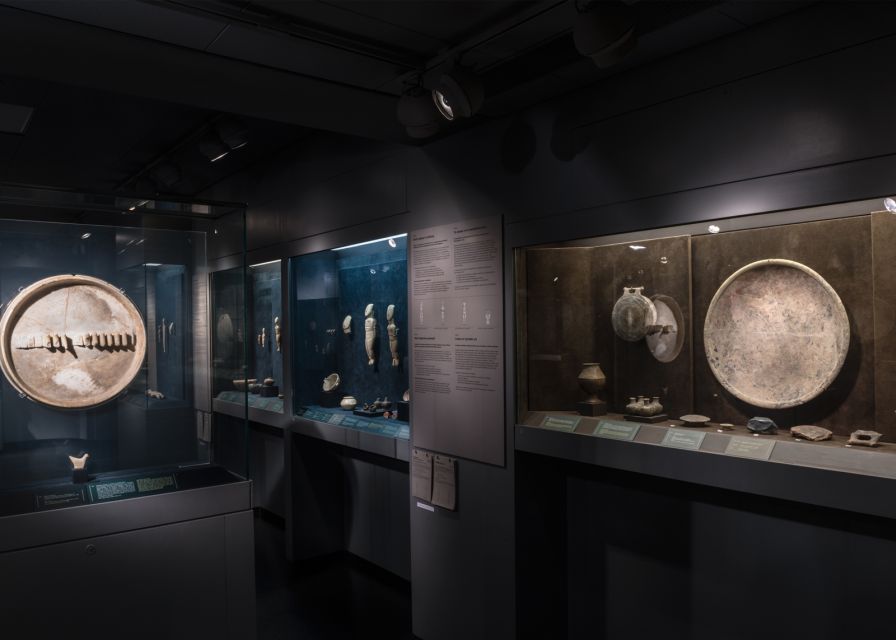
The museum is spread across multiple floors, and each level has lots to see. A solid plan is to give yourself 1.5–2 hours for the permanent collection highlights, especially if you’re scanning labels for meaning rather than reading every word cover to cover.
If you’re slower—good for you, by the way—plan for more time. The museum includes enough objects that you can easily spend extra minutes in each room simply because the pieces are visually strong.
One practical note: the museum’s setup is easy to navigate, but there’s still a lot happening. If you want a smoother route, start from the upper levels first and work your way down. That can reduce the chance you end up zigzagging between rooms with similar-looking displays.
And yes, it can get loud if construction is active nearby. If you’re visiting during renovation periods, earplugs are an easy, low-effort upgrade.
Cycladic Café: where to take a breather without ruining the galleries
Inside the museum, there’s a Cycladic Café, positioned as a kind of break area for Cycladic flavors made from natural products and virgin ingredients. It’s a nice touch because it gives you the option to reset without leaving the property.
One important rule: food and drinks are not allowed. That means you’ll want to use the café area as your stop, not bring items into the galleries.
If you plan to drink water, do it outside the restricted areas where the museum’s rules apply. It keeps you from having to make last-minute choices mid-rooms.
There’s also a shop on site. If you like to buy a small memento tied to what you saw, this is a more thoughtful option than grabbing a random souvenir.
Who should book this entry ticket (and who might not love it)
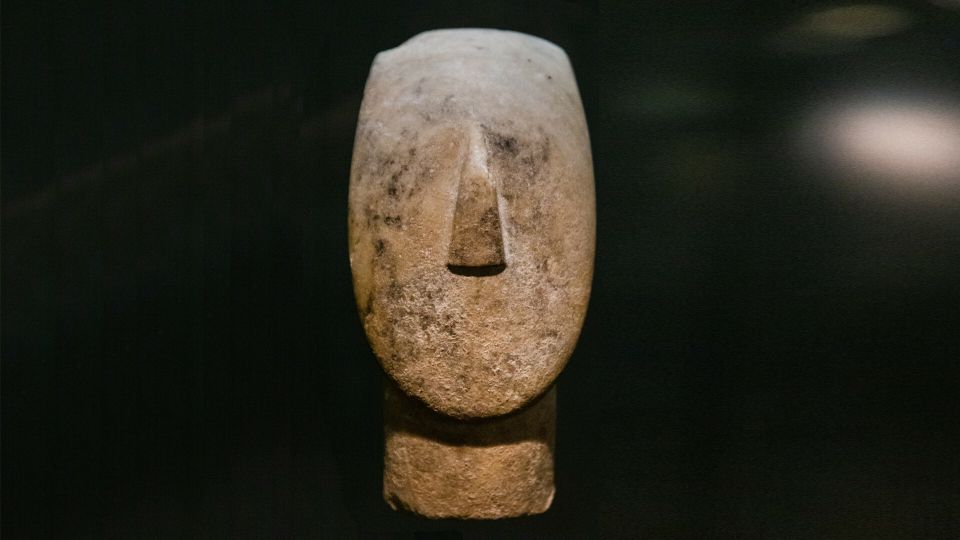
This ticket is ideal if you like:
- Art objects with cultural context
- Marble figurines and Aegean prehistory
- A museum visit that’s self-paced (no fixed group rhythm)
- Seeing how different Mediterranean cultures influenced each other
It’s also a good fit if you want a break from Athens’ usual classics—temples and streets—because this is Athens focused on what people made and how they expressed identity through objects.
Kids can enjoy it too, but it may be best for older kids or teens who like museums. Some displays are detailed and label-heavy, and the museum includes many categories you might not want to explain sentence-by-sentence.
If you’re the type who needs action every few minutes, you might find some rooms feel similar at a glance. In that case, pick your “must see” objects and let the rest be bonuses.
Price and value check: $14 for a full museum day
At $14, the ticket price is reasonable for a permanent-collection museum where you’re not locked into a short guided slot. The value comes from variety: Cycladic Art across the Early Bronze Age, Greek material across centuries, and Ancient Cypriot Art with big chronological range.
If you only want a quick stop, the museum still works because you can focus on a smaller set of rooms and be out in about two hours. If you enjoy reading and comparison, the ticket still pays off because the collection has enough depth to keep you moving longer.
The main “value risk” isn’t the price—it’s time and sound. If renovations are noisy for your visit window, you may want to keep your stay shorter or prepare with ear protection.
Should you book the Museum of Cycladic Art entry ticket?
Yes, you should book if you want an Athens museum that connects art to the story of ancient life—especially Cycladic marble and Ancient Cypriot Art. The ticket price is fair, the museum is easy to navigate, and the multi-floor structure helps you get both style and context.
Skip or delay if you’re very noise-sensitive and your travel dates line up with construction work. If that’s your situation, bring earplugs and aim to spend more time where the museum feels quieter to you.
FAQ
FAQ
How long can I spend with the Museum of Cycladic Art entry ticket?
Your ticket is valid for 1 day, and you can explore the permanent collections at your own pace. Many people plan around 1.5 to 2 hours for highlights, and longer if you read labels more carefully.
Where do I enter the museum?
Enter at the main entrance. It’s about a five-minute walk from Syntagma Square and the Syntagma Metro station.
What’s included with the ticket?
The ticket includes entry to the museum’s permanent collections. You also get free WiFi and access to Clio Muse Tours with a QR code.
Is a guided tour included?
No. A guided tour is not included with this ticket.
Can I cancel my booking?
Yes, free cancellation is available up to 24 hours in advance for a full refund.
Are food and drinks allowed inside?
Food and drinks are not allowed.
If you want, tell me your visit dates and whether you’re more into Cycladic marble figurines or the Cyprus/Greek context. I can suggest a simple room order so you get the right mix for your interests.
You Might Also Enjoy



More Museum Experiences in Athens
More Tickets in Athens



More Tour Reviews in Athens
- All Day Cruise -3 Islands to Agistri,Moni, Aegina with lunch and drinks included
★ 5.0 · 4,958 reviews