
REVIEW · ATHENS
Athens: Kotsanas Ancient Greek Technology Museum Guided Tour
Book on GetYourGuide →Operated by Kotsanas Museum · Bookable on GetYourGuide
Greek gadgets from 2,000 years ago still make sense. This private tour in the Kotsanas Ancient Greek Technology Museum turns big ideas into working mechanisms you can understand at a human pace. Two things I especially like: the interactive exhibition models (so it’s not just glass cases) and the chance to get an engineer or historian guiding what you’re seeing.
A smart guide makes the whole place click. Guides like Vasilis (and others mentioned such as Irina and Maria) have a knack for translating how these devices work, even if you’re not an engineer. One consideration: the museum is not suitable for people with mobility impairments, so plan accordingly if stairs or tight spaces are a concern for you.
In This Review
- Key highlights worth planning around
- Ancient Greek tech that feels like your own devices
- Finding the museum and timing your one-hour visit
- Inside a 700-square-meter Art Nouveau home for mechanical ideas
- The guided hour: operating models with real engineering context
- The biggest “wait, really?” moments
- Why an engineer or historian guide matters
- How the museum teaches: diagrams, video stations, and interactive displays
- What to do during the free time after your tour
- Price and value for a private group up to four
- Who this tour is best for (and who might want a different plan)
- Should you book the Athens Kotsanas technology tour?
- FAQ
- Where is the meeting point for the tour?
- How do I get to the museum?
- How long is the guided tour?
- Is the tour private or shared?
- What language is the tour guide?
- What is included in the price?
- Are food and drinks included?
- Is the museum suitable for people with mobility impairments?
- Can I cancel, and what is the cutoff?
- What main types of exhibits will I see?
Key highlights worth planning around
- Private group, English-speaking guide (engineer or historian)
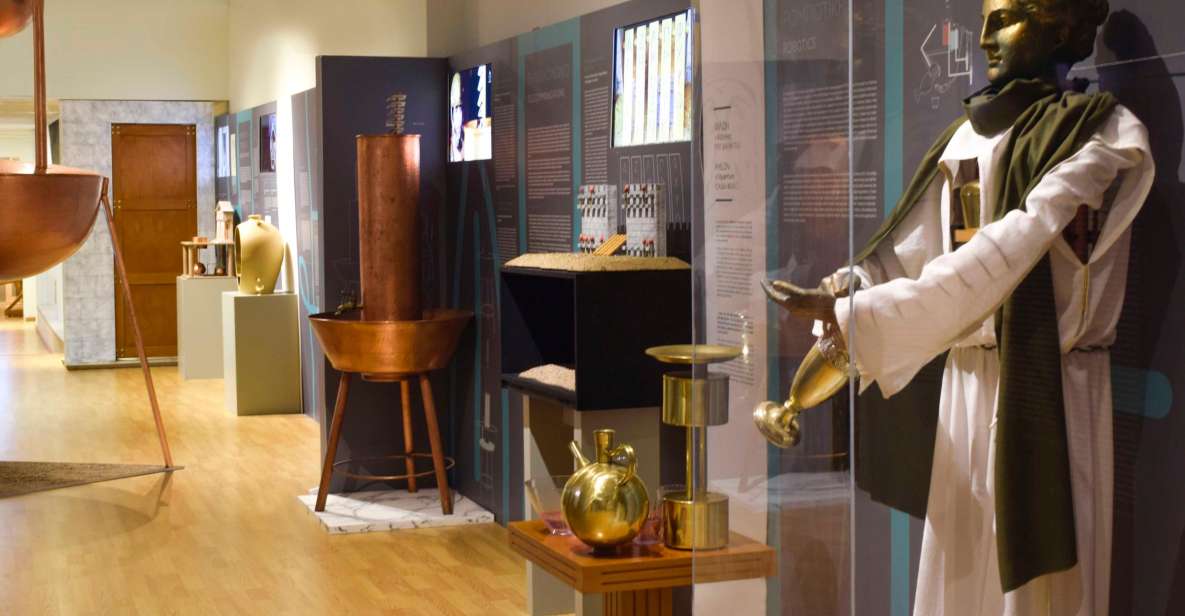
- A 700-square-meter Art Nouveau museum packed with about 300 ancient technology artifacts
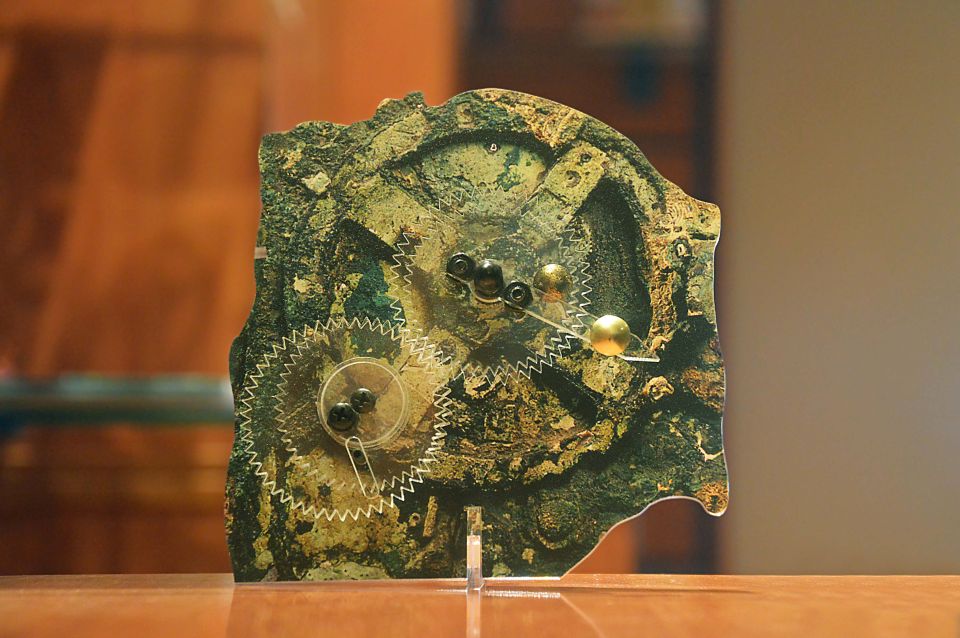
- Hands-on operating models of inventions, including the Antikythera mechanism and the oldest analog computer mentioned
- The Hi-Tech Inventions of Ancient Greeks section with about 100 selected exhibits (robot-servant, Philon’s cinema, Heron’s automotive-puppet show, Ktesibios’ hydraulic clock)
- Audio-visual support in Greek and English, plus diagrams, photos, labels, and bibliographical references
- A guided hour plus free time to explore further afterward
Ancient Greek tech that feels like your own devices
Most Athens museum stops are about art, marble, and myths. This one is about how people built—gears, hydraulics, timing, and calculation—using ideas that sound almost familiar today. The museum’s core pitch is simple: explore ancient technology and you’ll see how similar some concepts are to early modern tools.
What makes it so satisfying is the way the museum teaches you. Instead of asking you to memorize facts, the tour helps you connect function to form. When you’re standing in front of an operating model, the experience stops being abstract. You can follow the logic, even if the device is thousands of years old.
You can also read our reviews of more guided tours in Athens



Finding the museum and timing your one-hour visit
You meet at Pindarou 6, Athina 106 71, about a 5-minute walk from Syntagma Metro Station. That’s convenient because it keeps the day flexible. You’re not dependent on a complicated transfer plan just to get to the tour start.
This is a private group experience with a duration of 1 hour. In practice, that means you’ll want to arrive ready to focus. You’ll get your guided portion, and you’ll also have some free time to explore further, but the pace is still meant to be efficient. If you like museums at a slow, unstructured tempo, you may feel the hour nudges you to “see the key things first,” then come back later for extra wandering.
You also end back at the meeting point, which is helpful if you’re pairing this with other central Athens plans.
Inside a 700-square-meter Art Nouveau home for mechanical ideas
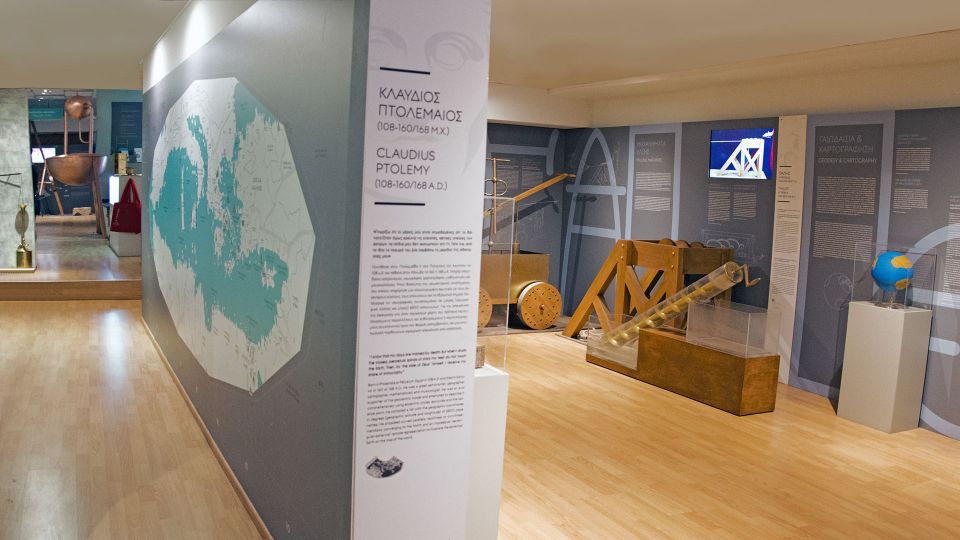
The Kotsanas museum isn’t huge, but it’s packed: about 700 square meters of exhibition space in a historic Art Nouveau building. That matters because you’ll spend less time traveling between galleries and more time with the technology itself.
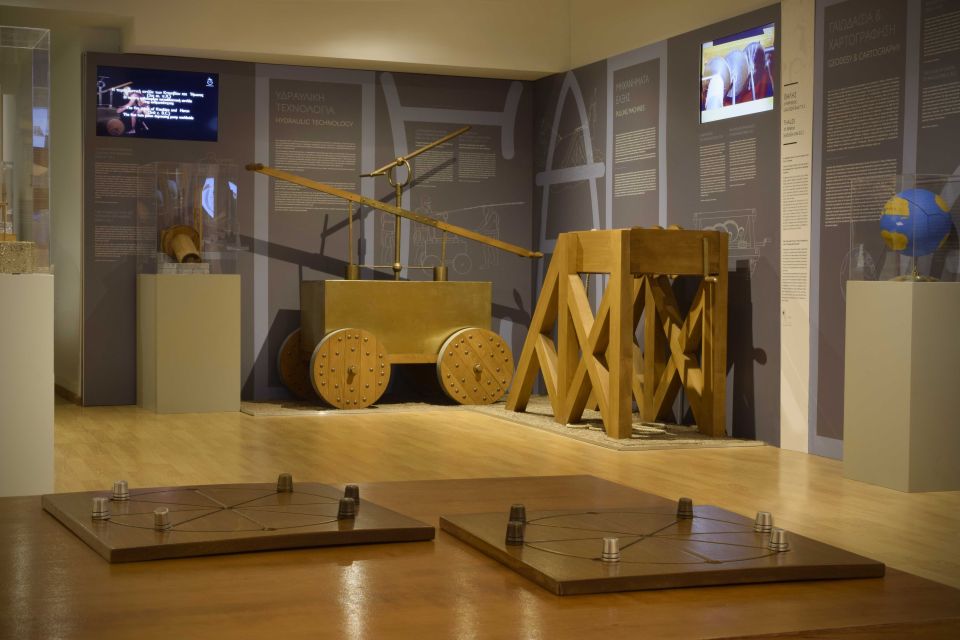
The museum focuses on an interactive exhibition of roughly 300 artifacts. Many displays include audio-visual elements, large informational posters, detailed diagrams, and photos. What I like about this approach is that it respects different learning styles: you can read, watch, and then try the mechanism experience the museum is designed for.
You’re not just looking at isolated inventions. The museum organizes things around themes of “hi-tech” ideas in ancient Greece—so the devices connect into a story of problem-solving, not a random list of clever parts.
The guided hour: operating models with real engineering context
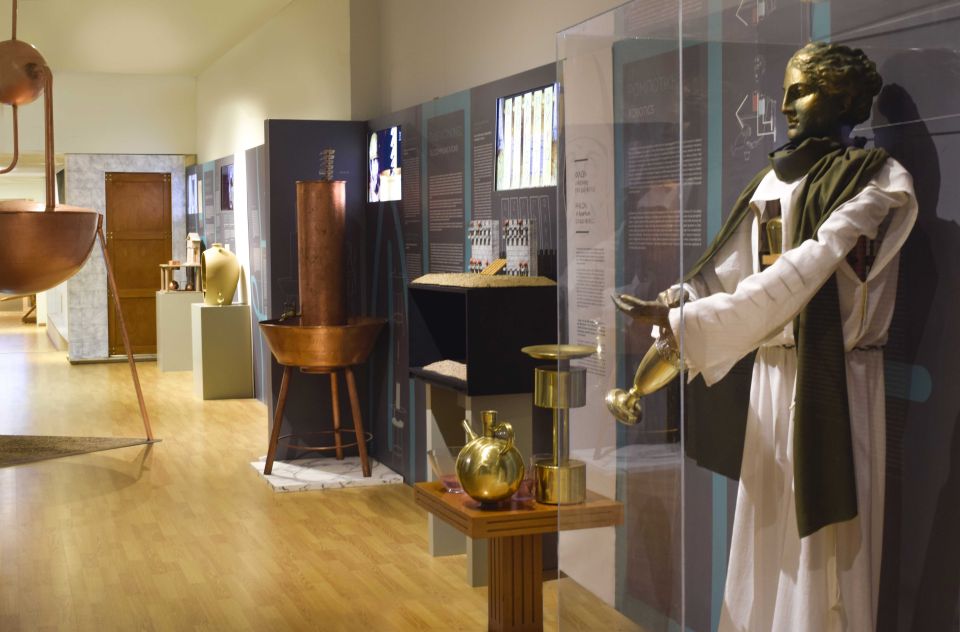
The heart of your visit is the 1-hour private guided tour with qualified staff. The guide is listed as someone experienced in engineers, archaeologists, historians, or museologists, and the tour language is English. This is a big deal for value. You’re paying for interpretation, not just access.
Here’s the tour’s likely flow in plain terms: your guide helps you understand what a mechanism does, then points you to how the parts achieve that result. When you’re watching an exhibit demonstrate motion or a process, you’ll usually get the “how it works” explanation alongside the “why it mattered” context.
The biggest “wait, really?” moments
The museum is famous in this space for key exhibits the tour highlights, including:
- The oldest analog computer in the world (as described in the tour highlights)
- The Antikythera calculating mechanism, framed as a marvel of ancient calculation and engineering
- The hydraulic clock of Ktesibios, showing how water power ties directly into timekeeping and control
- The robot-servant concept, tied to the idea that ancient engineers built lifelike automated behavior
- Philon’s cinema, connecting motion and display concepts to mechanical invention
- Heron’s automotive-puppet show, where automation turns into performance
If you’re a history fan, this will feel like a door opening onto a side of ancient Greece that’s less discussed. If you’re more of a “how things work” person, it’s still satisfying because you’re looking at mechanisms with engineering logic, not just decorative objects.
You can also read our reviews of more museum experiences in Athens





Why an engineer or historian guide matters
You might think a museum label would be enough. But these devices can look confusing at first glance: lots of parts, odd shapes, and systems that don’t operate the way modern machines do. That’s where a guide becomes your cheat code.
Guides like Vasilis are specifically noted for making the walkthrough enjoyable and clear. Other guides (named Irina and Maria) are praised for presenting inventions in a way that lets you try and understand them yourself. In other words, you’re not just getting a lecture—you’re getting help translating the mechanics into something your brain can hold.
How the museum teaches: diagrams, video stations, and interactive displays
One reason this experience works better than many museum visits is the layered format. You’ll see audio-visual material (in Greek and English) plus explanatory labels and giant posters packed with information. The displays also include detailed diagrams, photos, and complete bibliographical references.
That last bit—bibliographical references—sounds academic, but it’s actually useful for you. If something fascinates you, you have a trail to follow instead of leaving with only impressions. It turns a one-hour stop into a starting point for deeper reading.
Another standout feature is the projecting stations with video and animation. These typically help bridge a gap: watching a mechanism in real life can be hard if you can’t see the internal logic fast enough. Animation and video can show relationships between parts and cause-and-effect that might be slow to spot otherwise.
And because many exhibits are interactive, you’re encouraged to do more than observe. That hands-on element is a big reason the tour is consistently rated so highly for both adults and families. If you’ve ever wanted museums to feel more like science centers, this is one of the better ways to get that feeling in Athens.
What to do during the free time after your tour
You’ll have free time to explore further, even though the guided portion is the main event. Use this time strategically:
- Revisit the exhibits that caught your attention and slow down your reading.
- Spend extra moments with the interactive mechanisms. If the first explanation made sense, a second pass often makes you notice a detail you missed.
- If you’re traveling with kids or non-technical friends, this is when you can linger without worrying you’re “falling behind.” The devices are the point, and you can move at the pace that feels right.
The museum’s format supports that. Because it’s filled with diagrams, photos, and videos, your second look isn’t redundant. It’s reinforcement.
Price and value for a private group up to four
The price is listed as $54 per group up to 4, for a private 1-hour guided tour plus museum entry and free time to explore further.
Here’s why that can be good value:
- You’re not paying per person for the guide. If you come with up to four people, the per-person cost can drop sharply.
- You get context. Museums with technology often become “read the label, move along.” This one is designed to help you understand the mechanisms while you’re there.
For a quick math check: if you fill all four spots, that’s about $13.50 per person for entry and guided help. If it’s just two people, the per-person cost is higher, but you’re still essentially buying a private mini-lecture plus guided walkthrough.
Also, because the tour includes entry, you’re not stuck juggling separate museum admission and guide pricing. It’s one package for a focused experience.
Who this tour is best for (and who might want a different plan)
This is especially suited to you if:
- You like hands-on museums and interactive displays
- You’re curious about how ancient people solved engineering problems
- You want a viewpoint that goes beyond art and politics into “how it worked”
It also works well if you’re not an engineer. One of the strongest praises in the available feedback is that a non-engineer admirer still learned enough to remember it later. That tells me the guides are doing the translation work.
It’s also described as a great place for kids, which makes sense: technology plus interaction plus the sense of invention can hook younger minds fast.
The only clear mismatch based on provided info: it’s not suitable for people with mobility impairments. If you fall into that category, you’ll want to reconsider or contact the provider for suitability details before booking.
Should you book the Athens Kotsanas technology tour?
If you’re the kind of traveler who likes your history to have gears, this is a very solid booking. The combination of private guide support, interactive mechanisms, and specific highlighted inventions like the Antikythera mechanism and analog computing concepts makes it feel purposeful instead of random.
I’d especially recommend it if you want to learn the “why” behind the devices, not just see them. And if you can bring up to four people, the pricing starts to look even smarter.
Skip it only if mobility is an issue for your group, or if you strongly prefer self-guided museum wandering over a guided explanation. Otherwise, this is one of those experiences that can change how you picture ancient Greece. Not as distant and dusty, but as practical engineers thinking hard about how the world should work.
FAQ
Where is the meeting point for the tour?
You meet at Pindarou 6, Athina 106 71, Greece.
How do I get to the museum?
The museum is about a 5-minute walk from Syntagma Metro Station.
How long is the guided tour?
The duration is 1 hour.
Is the tour private or shared?
It’s a private group tour.
What language is the tour guide?
The live tour guide is listed as English.
What is included in the price?
The package includes entry to the museum, a 1-hour private guided tour, and free time to explore further.
Are food and drinks included?
No. Food and drinks are not included, and food and drinks are not allowed during the activity.
Is the museum suitable for people with mobility impairments?
It is not suitable for people with mobility impairments.
Can I cancel, and what is the cutoff?
There is free cancellation up to 24 hours in advance for a full refund.
What main types of exhibits will I see?
You’ll see interactive exhibition displays and operating models of ancient Greek technology, including highlighted inventions such as the Antikythera calculating mechanism, the oldest analog computer, and examples like the hydraulic clock of Ktesibios, Philon’s cinema, and Heron’s automotive-puppet show, plus the robot-servant concept.
You Might Also Enjoy



More Guided Tours in Athens

More Tours in Athens


More Tour Reviews in Athens
- All Day Cruise -3 Islands to Agistri,Moni, Aegina with lunch and drinks included
★ 5.0 · 4,958 reviews