REVIEW · ATHENS
Ancient Agora: Audiovisual self-guided tour with 3D models
Book on GetYourGuide →Operated by Culture App · Bookable on GetYourGuide
Democracy starts here, in broken stone. This Ancient Agora self-guided tour turns the 6th-century BC Athens city center into a place you can actually follow, using audio, text, 3D models, 360° views, and videos.
You’ll like the integrated map that helps you identify monuments on the ground, and you’ll also like how the guide pairs stories with what you see.
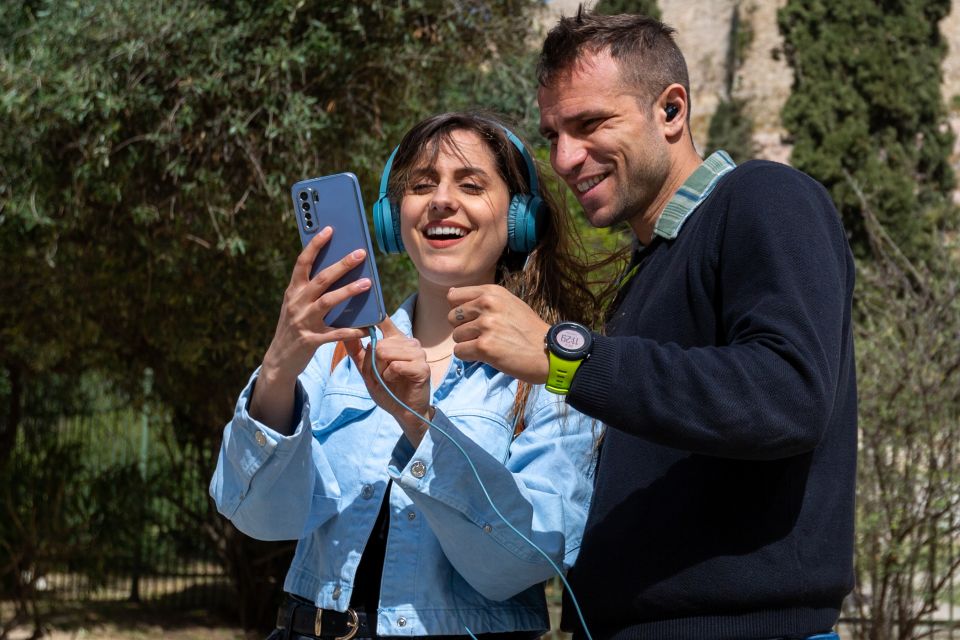
One thing to plan for: it’s tech-based, so you’ll need your own charged phone plus reliable setup (download/internet) to get the most out of it.
The best part is that you’re not stuck reading plaques one by one. For 16 monuments, you get both written info and audio, so you can switch modes when your feet (or attention) get tired.
I also like the “stand here, look around” approach: 360° panoramic views and 3D models for much of the site help you picture what the ruins looked like before they became ruins.
The main drawback is the reliance on your device. You’ll need a smartphone (and earphones), enough storage, and internet access to use the tours effectively, plus time to download the content on Wi‑Fi before you go.
In This Review
- Key highlights you’ll notice right away
- Why the Ancient Agora feels different from other ruins
- What you get for $7.89: map, audio, 3D, 360, videos
- The route logic: you won’t just wander randomly
- Phone setup that saves your day at the Agora
- Civic administration and courts: where Athens made decisions
- Socrates and philosophers: turning teaching into something you can picture
- Temples, sanctuaries, stoas, fountains, and workshops: the city as a whole
- Temple of Hephaistos: your best preserved landmark moment
- How to use the 5-day validity without stressing
- Languages and how to match the tour to your pace
- Value check: when this Ancient Agora tour is the right purchase
- Should you book this Ancient Agora audiovisual tour?
Key highlights you’ll notice right away
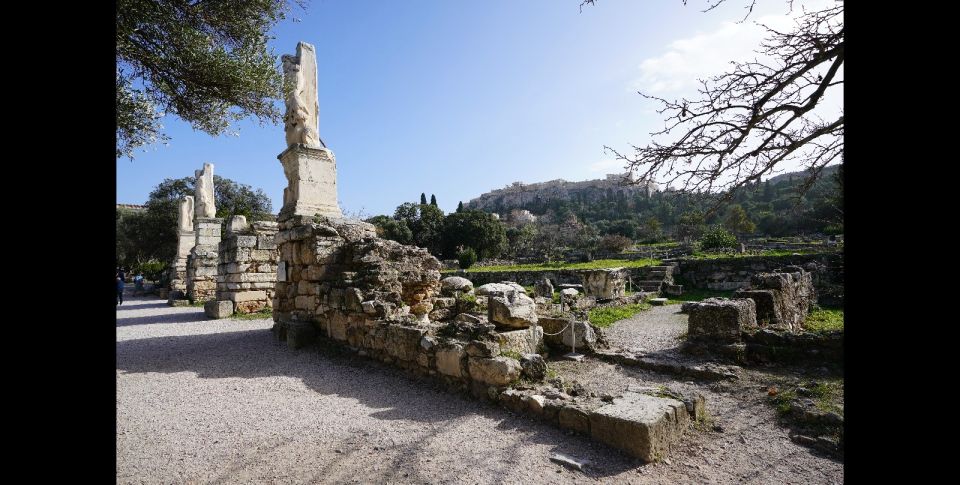
- Democracy as the core story: you’ll focus on where it was first established in Athens’ Agora setting.
- 3D models and 360° views: designed to help you “see” what’s missing from the landscape.
- Audio + text for 16 monuments: a practical combo when you want fast facts or slower reading.
- Socrates and philosophy connections: the tour frames learning places where philosophers taught.
- Temple of Hephaistos: the tour calls out this as Greece’s finest preserved temple gem.
- 5-day validity: you can stretch it out instead of forcing it into one rushed walk.
Why the Ancient Agora feels different from other ruins
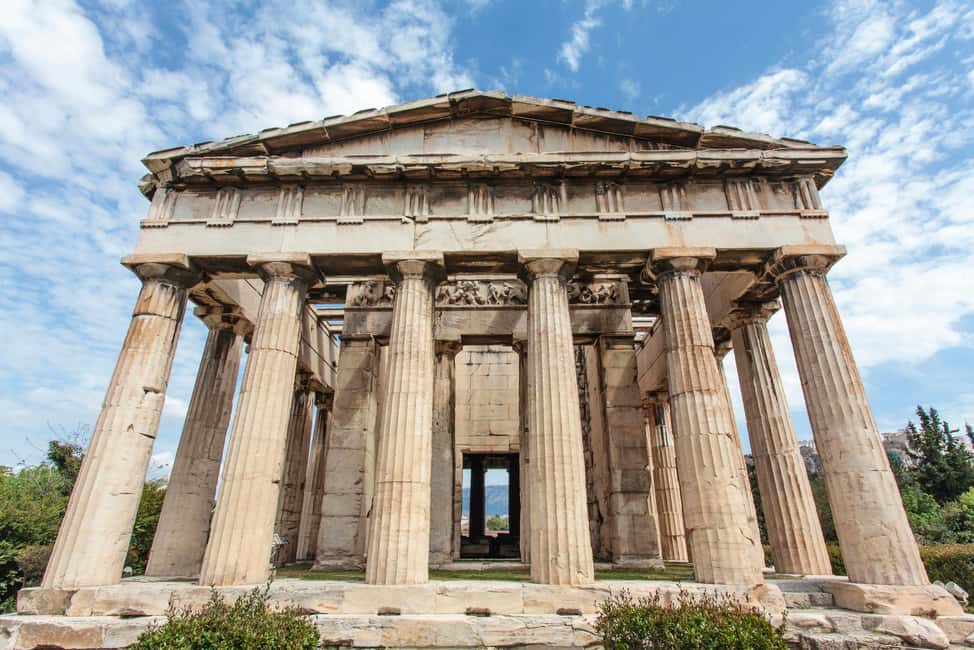
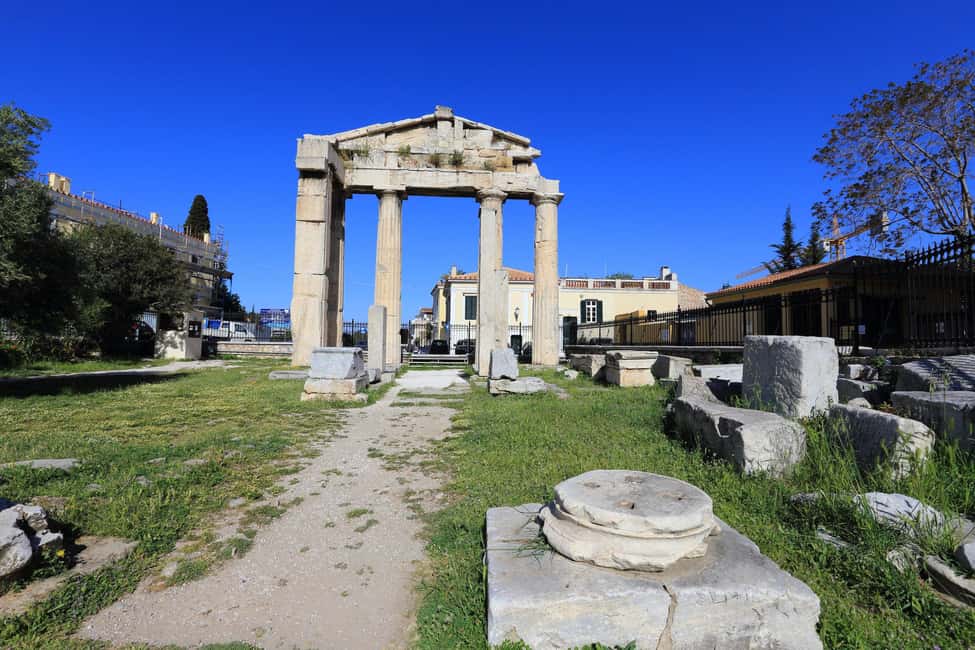
The Ancient Agora wasn’t just a pretty square. It was the working heart of Athens—politics, administration, business, religion, courts, festivals, and everyday meetings all in the same general area. When you walk through it today, it can feel like scattered stone. The value of a multimedia guide is that it stitches those pieces back into a story you can follow.
This is also where the political identity of Athens takes center stage. The tour’s approach is built around the idea that the Agora was a place where democracy was first established, and that matters because you’re not just learning about leaders—you’re learning how ordinary life connected to decision-making. That’s a very different way to see ruins.
You can also read our reviews of more guided tours in Athens



What you get for $7.89: map, audio, 3D, 360, videos
At $7.89 per person, the big question is whether the tech does more than wow you for five minutes. Here’s what’s included in the Culture App content you’ll download:
- Monuments identification with an integrated map
- Written historical information for 16 monuments
- Audio historical information for 16 monuments
- 3D models for 14 monuments
- 360° panoramic views from 14 monuments
- Immersive videos for 14 monuments
- Related stories for 13 monuments
- A gift pack: 68 written and audio facts about culture in ancient Greece
That mix is the sweet spot for a self-guided visit. Text is handy when you want details. Audio is great when you’re moving. 3D and 360 views are useful when the site is too damaged to interpret visually on your own.
Also note what’s not included: the entrance ticket. The tour price covers the app content, not admission to the archaeological site. Expect an additional fee of €10 full / €5 reduced.
The route logic: you won’t just wander randomly
This tour is designed around the Agora as a system. Instead of treating every ruin as an isolated photo opportunity, it groups what you’re seeing into the “different aspects of ancient Athens”: civil administration, temples and sanctuaries, courts, stoas, fountains, workshops, plus the broader political and cultural life.
That means when you stop at a spot, you’re not only getting facts. You’re getting context for what that place was doing in the city. For example, when the tour focuses on the civic side, you’re learning why courts and administrative spaces mattered to daily governance—not just that they existed.
Phone setup that saves your day at the Agora
This is a self-guided audio tour, so your phone is the guide. Here’s how to make it painless:
- Download on Wi‑Fi before your visit unless you have plenty of data. The provider strongly suggests doing this ahead of time.
- Plan for about 200MB storage on your device.
- Bring earphones and keep your phone fully charged.
- Make sure your phone meets requirements: iOS 11.0+ or Android 5.1+.
- You’ll need internet access to use the tours effectively.
After booking, you’ll get an email from Culture App with instructions to download content—check spam just in case. Once downloaded, the tour can be used anywhere, anytime, before, during, or after your visit. You can also delete and retrieve the purchased content later.
If you hate dealing with apps mid-trip, the best move is to treat setup like a small mission: do it at home, test audio with headphones once, then arrive ready.
Civic administration and courts: where Athens made decisions

One of the smartest parts of this experience is how it frames the Agora as the political, administrative, and commercial hub. That’s where you get the “how democracy worked” feeling, not just the “what democracy was” fact.
As you follow this section, the tour content helps you understand the areas tied to civil administration and courts. Even if the stonework you see today looks incomplete, the app’s written info, audio tracks, and visual reconstructions are built to help you connect the dots.
What’s valuable for you:
- You’ll likely get a clearer mental map of how governance didn’t live far away. It lived in the same public space as markets and festivals.
- The combination of audio and text helps you learn at two speeds: quick orientation, then slower details when you pause.
A practical caution: since this is self-guided, you’ll want to stand still long enough to let the audio and visuals land. If you treat it like a background podcast, you’ll miss the points.
You can also read our reviews of more tours and experiences in Athens




Socrates and philosophers: turning teaching into something you can picture
The tour also points you toward places associated with philosophers, including references to Socrates and teaching contexts. This is one of those themes that’s easy to misunderstand when you’re just looking at ruins. Why? Because “where someone taught” can sound vague on a map.
Here, the app approach helps because it’s not only text. You also get audio explanations plus visual support (including 360° views and 3D models for many monuments). That combination helps you picture how a learning space would have felt within the Agora’s public environment.
What I think works for most visitors:
- Philosophy history becomes less abstract when you’re standing in a real civic neighborhood rather than in a museum room.
- The tour’s “related stories” and immersive videos (for the monuments that support them) can make the teaching theme feel connected to daily life.
Temples, sanctuaries, stoas, fountains, and workshops: the city as a whole
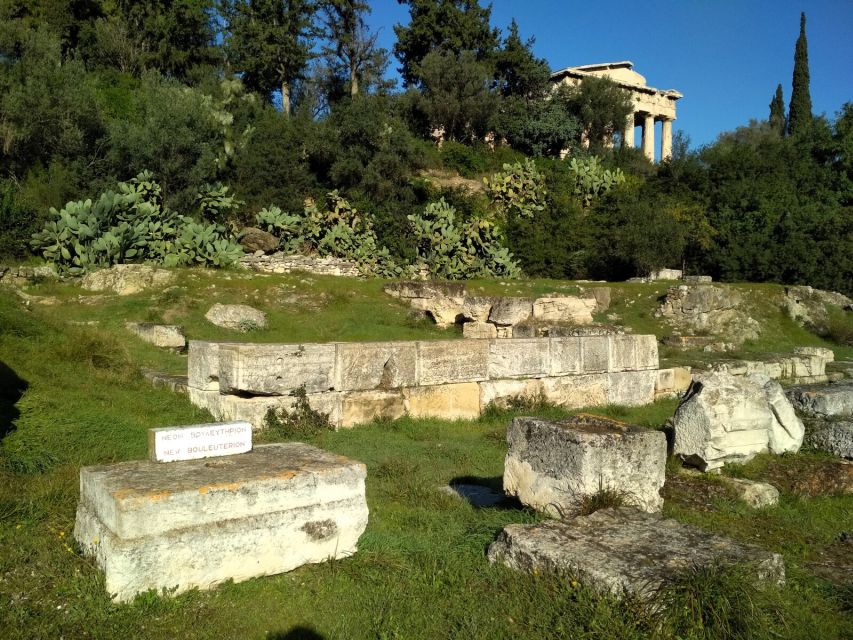
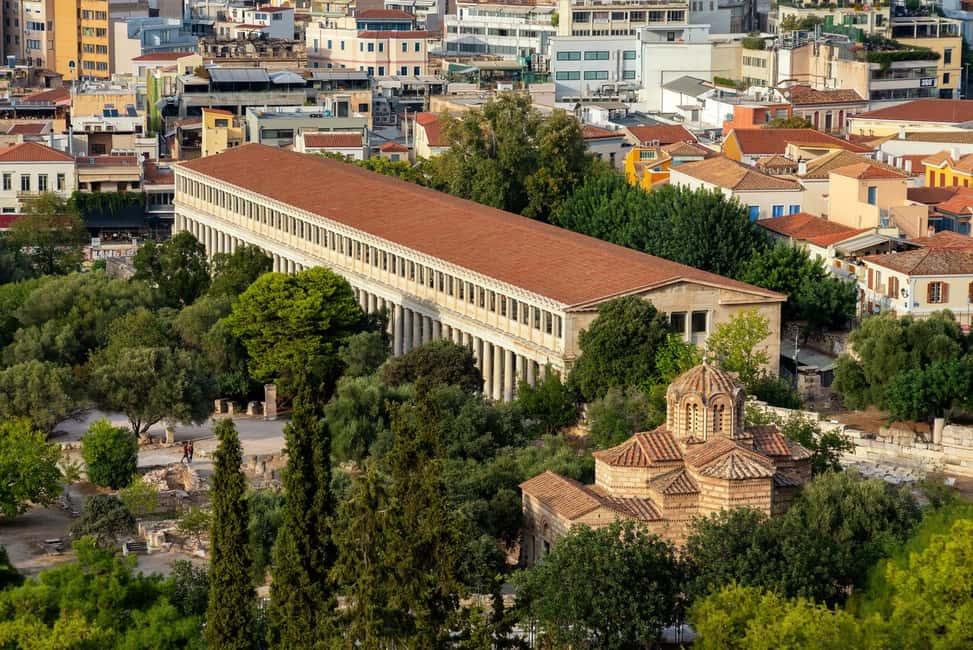
Athens didn’t run on politics alone. The Agora was also about worship, festivals, social life, trade, and making things. The tour builds those layers into the experience—temples and sanctuaries, courts, stoas (public colonnades), fountains, and workshops.
This section can be especially valuable if you’ve ever visited ancient sites and thought, I get the big monument, but what about normal life? Stoas, fountains, and workshops are exactly the kind of spaces that tell you how people actually lived in public.
Here’s what you’ll probably notice while using the app in these areas:
- Audio and written material help you interpret function, not just design.
- 3D models and videos can give you a sense of scale and layout when today’s remains are fragmentary.
This is also where you can slow down without guilt. If you’re the type who likes to watch how a city works—where people met, walked, and worked—these parts can feel like the most “real” sightseeing.
Temple of Hephaistos: your best preserved landmark moment
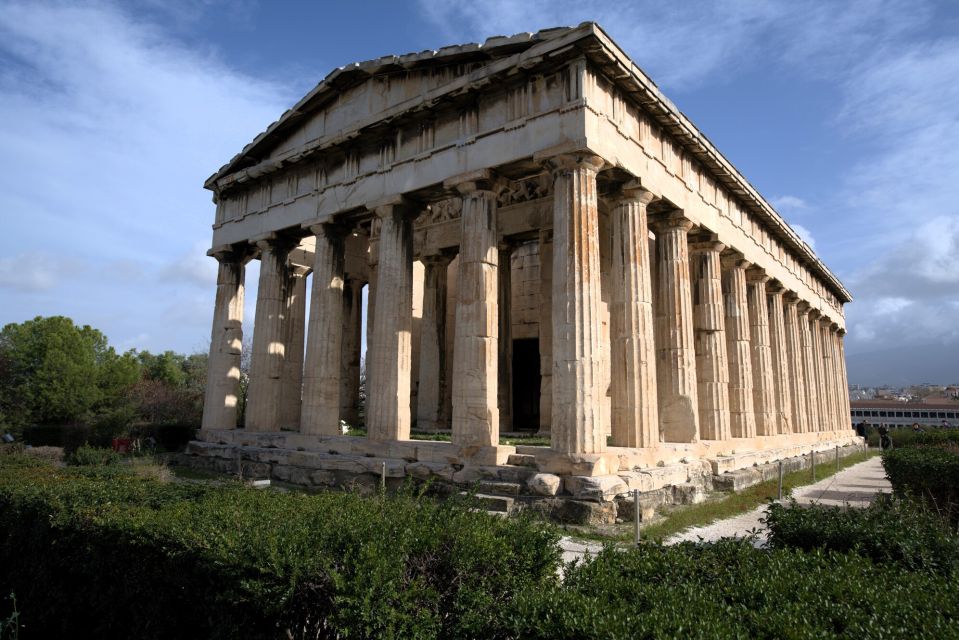
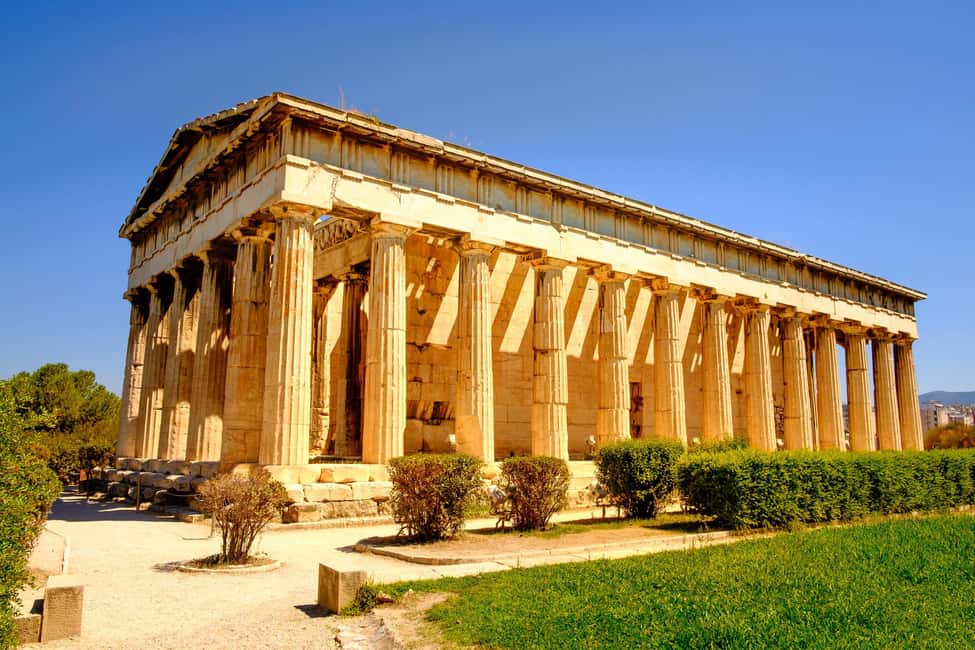
The tour highlights the Temple of Hephaistos as Greece’s finest preserved temple. That alone makes it a strong anchor for your visit.
Why it matters for your experience: if you start your self-guided walk with spots that are heavily ruined, the learning curve can feel steep. A well-preserved temple gives you something solid to compare against as you move through less-intact areas. Even if you know almost nothing about classical architecture, a strong reference point helps you understand what you’re looking at elsewhere.
In the app, this stop is set up with multimedia support (including 3D/360/video features for many monuments). So you’re not only seeing what’s left—you’re also getting guided context for what the temple represented in the larger Agora world.
How to use the 5-day validity without stressing
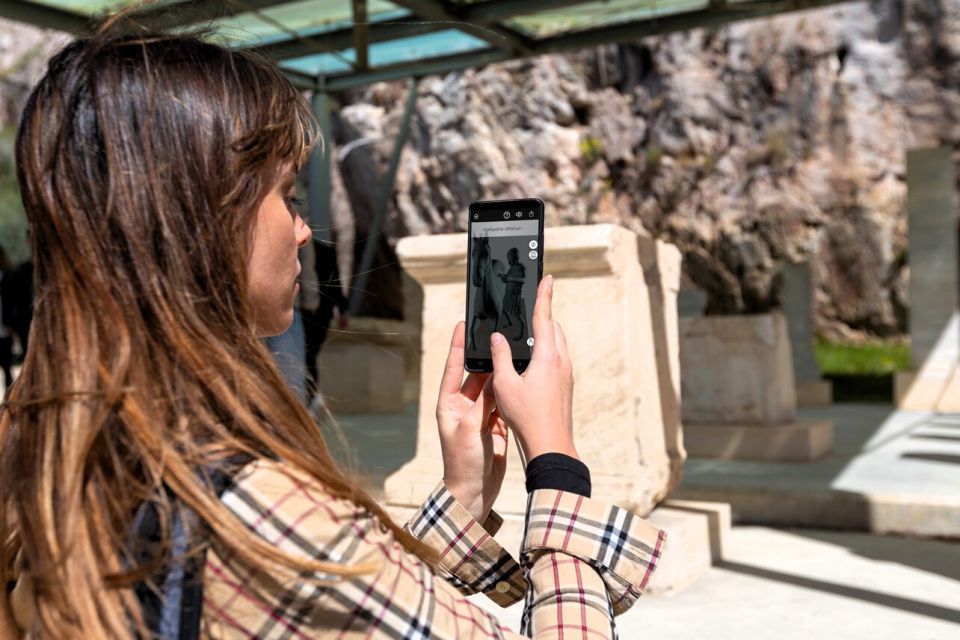
This tour is valid for 5 days from the first activation. That’s more flexible than it sounds, especially if your schedule in Athens is a moving target.
Practical way to use that window:
- If you’re visiting for multiple days, you can spread it out. Do the civic/political segments one day, then come back for the temple and everyday-life areas another day.
- If you get tired, you don’t have to force completion in one go. You can pick up where you left off later.
Because the self-guided tour can be used before, during, or after your visit, you can also do a quick preview from home or a nearby café, then walk out into the site with better orientation. That often makes the ruins feel less confusing.
Languages and how to match the tour to your pace
The included audio guide is available in English, Greek, German, Spanish, Italian, French, Dutch, and Chinese. Having multiple languages matters because comprehension changes how much you enjoy the experience.
If you want facts fast, use audio while you walk. If you’re the type who likes to read the main points after you’ve already seen the monument, use the written content.
Also, since you’ll be using a phone app outdoors, keep expectations realistic: multitasking and glare happen. That’s why the tour’s design—audio + text + visuals—works well. You aren’t dependent on just one format.
Value check: when this Ancient Agora tour is the right purchase
I’d treat this as good value if you want structure. For $7.89, you’re essentially paying for a guided narrative plus visual reconstructions across multiple monuments—not just one highlight.
It’s also a strong choice if you:
- Like self-guided experiences where you can go at your own speed
- Want visual help understanding ruins (3D models, 360° views, videos)
- Appreciate context: politics, religion, courts, and daily life as one connected story
- Don’t want to hire a separate guide service
But it may not be the best fit if you:
- Don’t want to rely on a smartphone during sightseeing
- Hate downloading content ahead of time
- Forget to bring earphones or run your battery down fast
- Prefer a traditional human guide for Q&A and live explanations
Remember: the site entrance ticket is separate, so your total cost includes that admission fee plus your comfort with using a device on-site.
Should you book this Ancient Agora audiovisual tour?
Book it if you want a guided ancient Athens experience that makes the Agora understandable. The standout value is the combination of audio and text (for 16 monuments) plus 3D models, 360° panoramas, and videos (for many monuments). That mix is exactly what turns scattered ruins into a story you can follow without getting lost in guesswork.
Skip or think twice if you’re worried about tech. This tour rewards a little prep: download on Wi‑Fi, bring earphones, charge your phone. If you’re prepared, you’ll likely come away with a much clearer sense of how Athens’ civic life, philosophy, religion, and daily business all braided together in the same space.
If that sounds like your kind of sightseeing, this is a smart way to spend your time at the Ancient Agora.
You Might Also Enjoy



More Guided Tours in Athens
More Tours in Athens


More Tour Reviews in Athens
- All Day Cruise -3 Islands to Agistri,Moni, Aegina with lunch and drinks included
★ 5.0 · 4,958 reviews