REVIEW · ATHENS
Semi-Private Balkans Tour; From Athens to Sarajevo or Belgrade
Book on Viator →Operated by Choose Balkans · Bookable on Viator
Rock monasteries, castles, and bazaars in 14 days. This semi-private West Balkans tour strings together UNESCO sites and story-rich cities, starting in Athens and winding through Greece, North Macedonia, Kosovo, Albania, Montenegro, Bosnia & Herzegovina, and Serbia with a max group size of 10.
What I like most is how practical it feels on the ground: hotel bookings (3-star), breakfasts, private transportation, and entrance tickets for the sites you visit are handled for you. I also love the mix of old-world landmarks and real human details, from Delphi and Meteora to Tirana’s food stops and museums, and then Sarajevo’s layered streets. The one possible drawback is the pace: expect lots of driving between countries, plus some walking on uneven terrain, especially in Sarajevo.
In This Review
- Key highlights that make this route work
- How this Athens-to-Sarajevo-or-Belgrade tour is built for real travel
- Day 1: Delphi and Meteora, plus that long-view feeling of Greece
- Day 2: Ioannina’s old-town charm and Albania’s Stone City tease
- Day 3: Gjirokaster UNESCO, the fortress-town layout, and an interior look
- Day 4: Berat’s 1001 windows and the Onufri connection
- Day 5: Drilon National Park and St Naum at Lake Ohrid’s source
- Day 6: Ohrid’s UNESCO center, churches, mosque, and the 365-church claim
- Day 7: Tirana food crawl with local guides and Bunk’Art 2
- Day 8: Kruje resistance sites, then Prizren mosques and fortress views
- Day 9: Gjakova bazaar, Dečani frescoes, and Rahovec wine country
- Day 10: Slow food at Mrizi i Zanave and Shkodra’s Rozafa Castle views
- Day 11: Montenegro’s coast at Sveti Stefan, then Budva and Kotor UNESCO
- Day 12: Mostar’s Stari Most and Blagaj’s Buna spring waters
- Day 13: Sarajevo’s war scars, Ottoman and Austro-Hungarian layers, and the Latin Bridge story
- Day 14: Transfer to Sarajevo airport or continue to Belgrade
- Price and value: what you pay for, what you don’t, and who it fits
- Should you book this semi-private Balkans tour?
- FAQ
- How long is the tour?
- Where does the tour start and when does it begin?
- What group size can I expect?
- What’s included in the price?
- Are lunch and dinner included?
- Where does the tour end?
- Is the booking refundable?
Key highlights that make this route work
- Small-group feel (up to 10) with a professional guide so you can ask questions and keep moving smoothly
- Entrance tickets included for the sites on the itinerary, plus tourist and road taxes, petrol, and international insurance
- UNESCO-heavy days from Delphi and Meteora to Ohrid, Berat, Kotor, Mostar, and more
- Food-focused moments in Albania and beyond, not just monuments
- War-history context in Sarajevo without turning it into a theme park stop
- Flexible end point: transfer to Sarajevo airport or continue to Belgrade by preference
How this Athens-to-Sarajevo-or-Belgrade tour is built for real travel
This is the kind of trip that saves you from the hardest parts of planning. You start in Athens (pickups are offered), then the tour leader and driver handle the route, borders, and timing while you focus on the sights.
The value piece is not only the headline price. It’s what’s wrapped into it: private transportation, a professional guide, entry tickets for the visited sites, and breakfast for 13 mornings. You also get a concrete start time (9:00 am) and a single meeting point concept, which matters when you’re crossing multiple countries.
Do note what you’re responsible for: lunches, dinners, drinks, snacks, and souvenirs are not included. You’ll want a bit of flexibility in your daily food budget, since you’ll be stopping for meals in places you might not have picked yourself.
You can also read our reviews of more private tours in Athens

Day 1: Delphi and Meteora, plus that long-view feeling of Greece
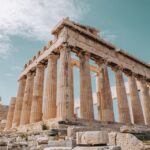
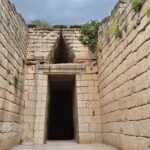
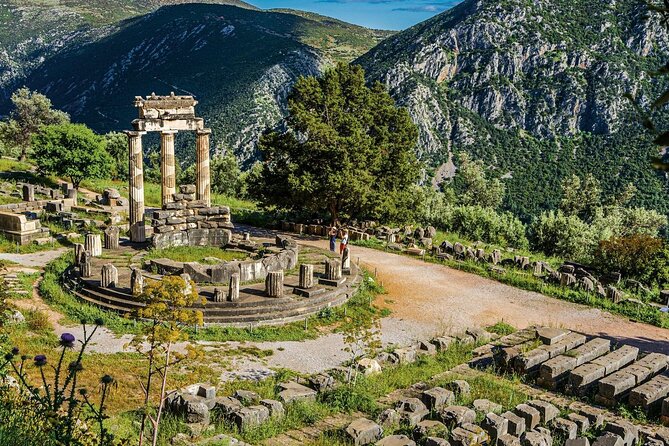
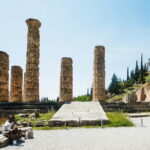
Your tour begins with a pickup in Athens and heads straight to Delphi, one of the most myth-and-stone places in Greece. Delphi isn’t only about big ruins from a distance. You’ll move through a whole set of highlights in one sweep: the Temple of Apollo, the Treasury of the Athenians, the theatre and stadium, and then the museum. The museum stop is a nice touch because it connects the day’s archaeology to objects you can actually see up close, including a famous bronze statue of the Charioteer (dated to the 5th century B.C.) and a statue of Antinoos.
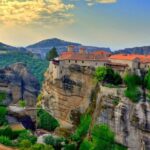
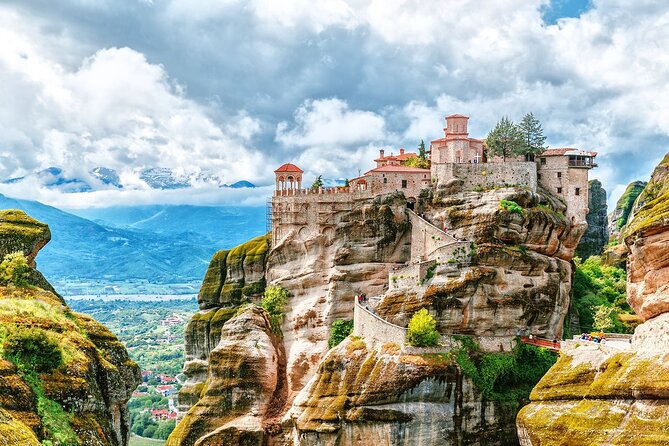
After that, Meteora delivers the other kind of Greek wow: monasteries built on towering rock formations. You’ll get time for the sites, and the schedule is set up for one of the best “wait for the light to change” moments in the Balkans—those dramatic Meteora sunsets.
Practical consideration: Delphi and Meteora are visual-heavy days, but the day also means early momentum. If you hate rushing, treat day one as the time to get your rhythm instead of saving your energy for later.
Day 2: Ioannina’s old-town charm and Albania’s Stone City tease
Today starts in Greece again, but with a different vibe than Athens. In Ioannina, you walk cobbled old-town streets where Byzantine and Ottoman-era layers show up in the architecture. The Ioannina Castle is a major anchor: once inside, you’re in a maze of narrow streets and historic buildings, the kind of place where it’s easy to keep wandering even when the group is paused.
Then the drive pushes you toward Albania. You’ll get an afternoon arrival stop in Gjirokaster, often nicknamed the Stone City. Even without a full day there yet, it’s a strong preview: fortification-style hills, stone houses, and a sense of the town’s defenses shaping everyday life.
Day 3: Gjirokaster UNESCO, the fortress-town layout, and an interior look
Gjirokaster is where the tour fully leans into UNESCO and atmosphere. The story is the same one you can literally see in the streets: a fortified city where houses feel like small fortresses. The castle area helps explain why—its origins trace back to the 4th century A.D., and the town’s layout follows the idea of defense as a daily reality.
You’ll also get the human culture side, not just stones: the city becomes a folklore focal point every five years, when traditional ensembles gather and perform in the Stone City.
A standout stop is Skenduli House, described as one of the best-preserved houses with an authentic original feel. It’s the difference between seeing architecture and understanding how people actually lived inside it.
If you’re the type who likes to shop, plan to browse the medieval bazaar before the castle—crafts and handmade goods are the point here, not chain-store souvenirs.
Day 4: Berat’s 1001 windows and the Onufri connection
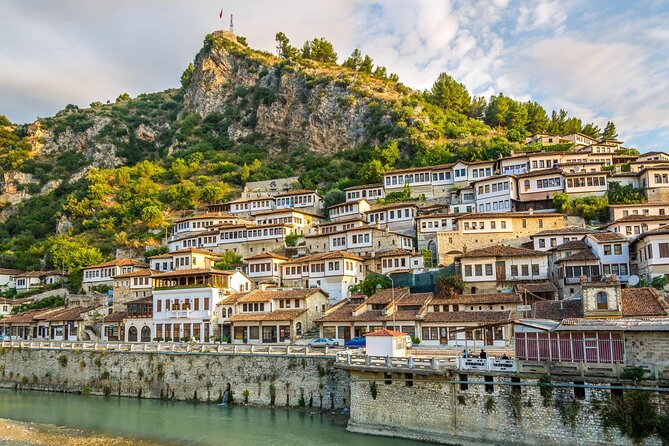
Berat is known as the town of 1001 windows, and you’ll see why as you walk the medieval stone streets with houses stacked on steep hills. The tour frames Berat’s timeline well: an Illyrian settlement, later developed as a castle city, and today still with residents living in the castle walls. That last detail is what makes it feel alive instead of staged.
You’ll visit Berat Castle and then move through key cultural stops:
- the National Iconographic Museum Onufri, tied to the painter Onufri and his distinctive reddish tone
- Gorica Bridge for a change of scenery and a calmer walking moment
Practical tip: Berat’s streets can be steep. Wear shoes that handle uneven cobbles and plan for short breaks if your legs start to complain.

Day 5: Drilon National Park and St Naum at Lake Ohrid’s source
This day switches gears into nature and shoreline beauty.
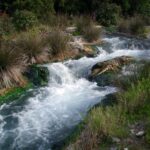
At Driloni National Park, you’ll find springs that form a small lake surrounded by greenery, with weeping willows along the shoreline. It’s a real decompression stop. This is the day to slow down mentally, even if the itinerary moves fast later.
Then the tour continues toward St. Naum, with the monastery set at the source of the River Crni Drim where it flows into Lake Ohrid. The setting matters here: you’re in protected-area territory, and the description emphasizes crystal-clear spring water with greenery and mountain peaks reflecting in it.
If you love photography, you’ll like the way this stop is positioned for visual payoff. If you don’t, it’s still a good reset from fortress towns and market streets.
Day 6: Ohrid’s UNESCO center, churches, mosque, and the 365-church claim
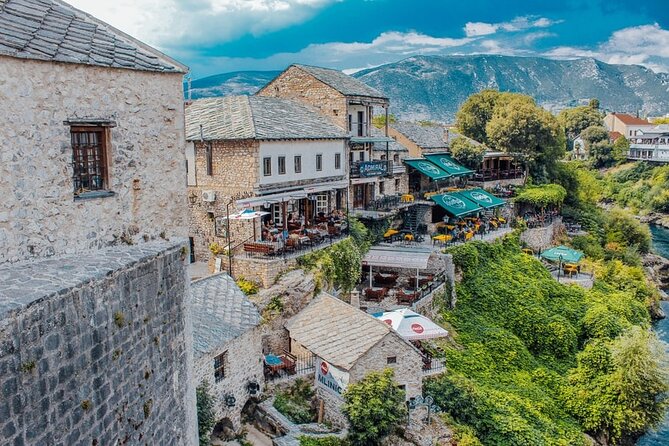
Ohrid is one of those places that feels old even before you look up facts. The tour points out it’s among the oldest human settlements in Europe, and Ohrid Lake and the city are UNESCO sites (since 1980). What you experience is a mix of religion and time depth.
You’ll visit viewpoints and key religious buildings, including:
- a viewpoint featuring the church of St. John
- church of St. Nicolas
- Halveti Hayati Tekke (a mosque)
The tour also highlights a common local claim: Ohrid is famous for 365 Orthodox churches, one for each day of the year. Even if you treat that as more of a poetic reference than a strict headcount, it signals how dense the religious heritage feels when you’re walking the area.
Day 7: Tirana food crawl with local guides and Bunk’Art 2
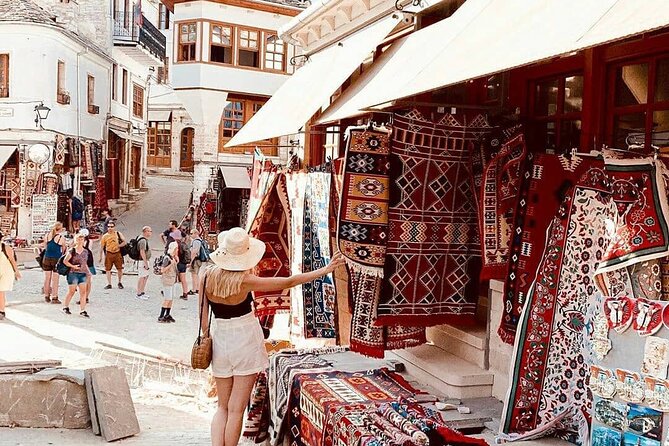
Tirana is one of the tour’s best “alive city” days because it’s not only sightseeing. You meet a local companion and focus on food and everyday rhythms.
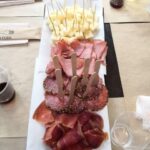
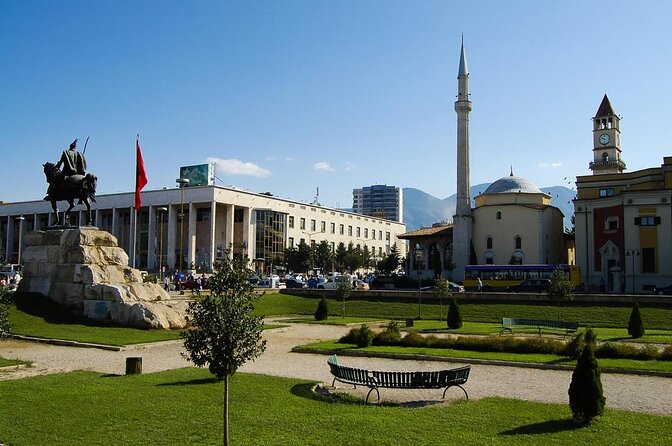
The day starts with a byrek stop described as a local place where you can try byrek and have breakfast like a local. Then you move to Tregu Çam, a Çam community bazaar tied to the Çameria region. It’s a good example of how border histories in the Balkans keep shaping culture in the present.
Then comes the part I’d urge you to pay attention to: Tirana with your local companion, skipping tourist traps and visiting local neighborhoods where street markets and hawkers sell fresh produce. You’ll also get a stop for Albanian coffee in a cozy café—small, simple, and effective if you like city texture.
Lunch is not included, but the tour does guide you into meal-style stops later:
- Pazari i Ri (bicycle bazaar) and New Bazaar
- trying qofte with bread and, for vegetarians, bread with Gjize (cottage cheese)
- tasting Albanian raki
- finishing at Bunk’Art 2, which uses a former nuclear bunker linked to Enver Hoxha’s circle and turns it into a video museum about communist army history and everyday life during the regime
This is a heavy theme day balanced by food and street life. It works because you don’t only sit inside a museum and call it culture.
Day 8: Kruje resistance sites, then Prizren mosques and fortress views
You start in Kruje, linked to Albanian resistance against Ottoman expansion in the 15th century. The tour visits:
- Kruja Medieval Old Bazaar, one of the biggest and oldest in the Balkans, great for shopping handmade souvenirs like carpets and jewelry
- Kruja Castle, where the guide shows you parts of the site including hidden paths locals used during periods of siege
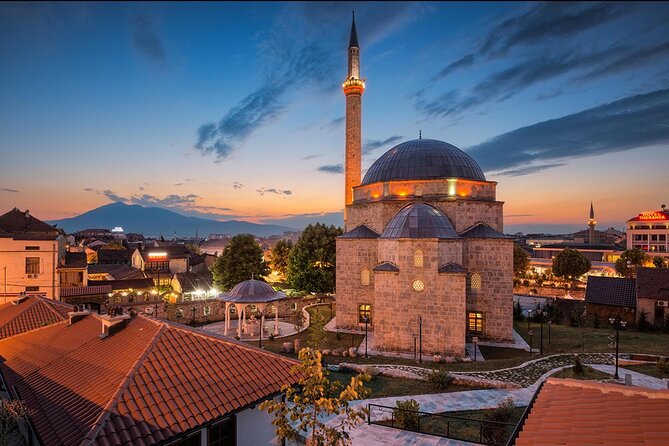
Then you cross borders toward Prizren in Kosovo. The tour calls it a cultural capital, and you can feel that through the mix of architecture, bridges over the river, and religious tolerance in the city’s rhythm. If you travel in August, you’ll hear about Dokufest, a short film festival that takes over the medieval city.
You visit:
- Sinan Pasha Mosque
- Kalaja Fortress, for panoramic views
This day is a good fit for you if you enjoy cities that reward walking and looking up at details instead of checking a list.
Day 9: Gjakova bazaar, Dečani frescoes, and Rahovec wine country
Gjakova brings you back to market energy: the tour highlights it has the oldest and largest bazaar of Kosovo, rebuilt into its old state after destruction in multiple conflicts. That history adds weight to what might otherwise be a simple shopping stop.
Next is Dečani Monastery, UNESCO-listed for its frescoes and fresco storytelling. A unique detail in the description is that Orthodox monks still inhabit the monastery and produce fresh organic food there, including cheeses. It’s the kind of stop where you can feel the continuity more than the spectacle.
Then comes Rahovec Valley, framed as the viticulture heart of the Prizren area. The tour notes grape cultivation dates back to Illyrian times—around 2000 years—and mentions an annual wine festival in September. If wine interests you, this is the day where the region turns from ruins and temples into living agriculture.
Day 10: Slow food at Mrizi i Zanave and Shkodra’s Rozafa Castle views
This is a day that helps you breathe.
At Mrizi i Zanave – Restorant Agroturizëm, you tour a slow-food agro-tourism farm. The description includes job impact (the farm created jobs for 400+ people) and a practical sustainability story: collecting, elaborating, and preserving regional bio products. You’ll also see how old communist buildings were adapted to store locally made bio products. That’s the sort of behind-the-scenes detail that makes a farm visit more than a lunch stop.
In the afternoon, you drive to Shkodra and visit Rozafa Castle, with big scenery over the lake where three rivers meet before reaching the Adriatic Sea. The tour also notes Venetian influence on architecture and mentions that in February you might catch a carnival festival, with Venetian masks said to be handmade and produced in Shkodra.
Practical consideration: this day has a transfer-heavy afternoon. If you want maximum energy for Rozafa’s viewpoints, consider bringing a light snack before you head into the castle area.
Day 11: Montenegro’s coast at Sveti Stefan, then Budva and Kotor UNESCO
Montenegro is where the tour turns from inland heritage to coastal beauty.
You start with a viewpoint near Sveti Stefan, described as an old fishing town on a small island that has become an exclusive resort and isn’t open to visit as a result. But even from the shore viewpoint, it’s a strong photo moment.
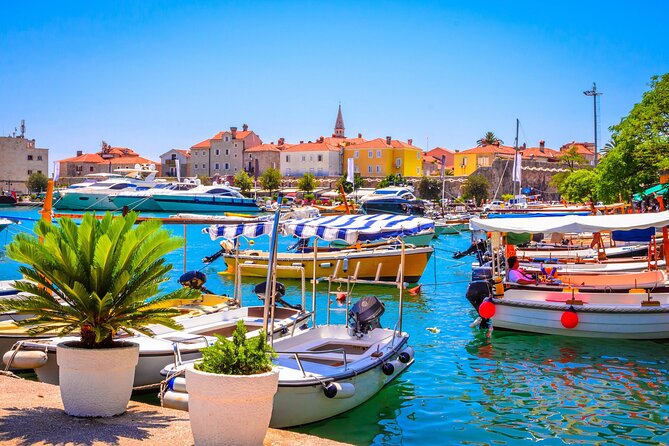
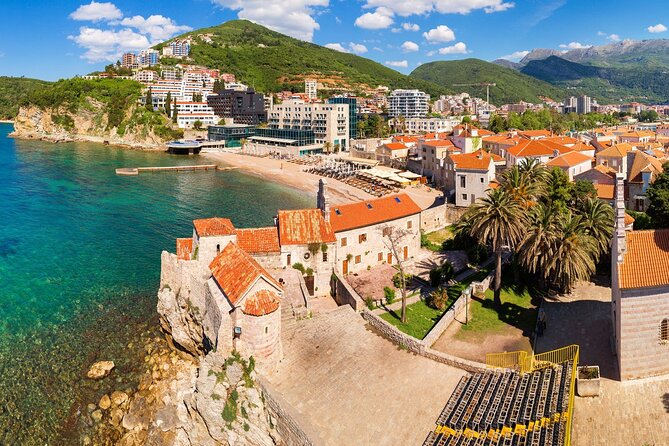
Then Budva: the city is divided into a newer area and the historic old center. You visit Old Budva, where you’ll see St. Ivan church and a small church of St. Mary, plus the medieval old town atmosphere.
Next comes Kotor, a UNESCO site and a maze of cobblestone streets. The city’s design is explained as confusing intruders historically, which you can understand just by following the curves. You’ll visit Saint Luke’s church, highlighted for its importance to locals and the sense of unity.
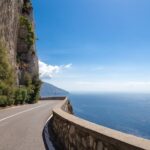
If you’re prone to motion sickness, note that coastal roads can twist. Still, the pacing here is usually manageable because the days have clear walking zones.
Day 12: Mostar’s Stari Most and Blagaj’s Buna spring waters
Crossing into Bosnia and Herzegovina, your first big anchor is Mostar.
You visit Old Bridge (Stari Most), UNESCO-protected and built in the 16th century in Islamic architectural style. Then you explore the Old Bazaar, where colorful streets and lively atmosphere meet the city’s historic layers. The tour also points out stones marked with Don’t Forget reminders across town, tying the present to recent conflict memory.
After the old town, you go out to Blagaj tekija, an Ottoman-era monastery complex set by the cliff with beautiful blue waters in front. The spring of the river Buna is the real star, and the description emphasizes the combination of nature and architecture.
This is one of those days where both sightseeing types hit: monument photography and quiet nature scene.
Day 13: Sarajevo’s war scars, Ottoman and Austro-Hungarian layers, and the Latin Bridge story
Sarajevo is a serious day, and the itinerary handles it with weight. You’ll walk on uneven terrain and see ruins where the tour mentions reminders of the Yugoslav War, including bullet holes and cannon marks. That kind of detail makes Sarajevo feel like a living city carrying its history.
The guide covers:
- origins of Sarajevo and the medieval Bosnian Kingdom
- Ottoman and Austria-Hungarian parts of the city
- markets, bazaars, mosques, churches, and synagogues, framed as Sarajevo’s multi-faith identity
You also visit the Latin Bridge, connected to the story of how WWI was triggered. The tour notes why the bridge’s name matters in local history, linking it to the Catholic quarter called Latinluk in Ottoman times.
Then you get free time in the old town to eat. The description calls out Sarajevo’s meat dishes and desserts, and this is the moment to try your own favorites rather than relying on tour suggestions.
Day 14: Transfer to Sarajevo airport or continue to Belgrade
Day 14 is a clean finish. After breakfast, you’re transferred either to Sarajevo Airport or onward to Belgrade, depending on your preference.
One practical note: the tour states airport drop off in Sarajevo is free of charge only on the last day. If you’re planning a complex flight schedule, build in extra cushion just in case of local timing changes.
Price and value: what you pay for, what you don’t, and who it fits
At $5,142.79 per person (for the 14-day structure), this isn’t a budget tour. You’re paying for a small-group setup plus a lot of logistics being handled for you across seven countries.
The cost makes sense if you value:
- private transportation with borders and transfers handled
- a professional guide over the full route
- hotel rooms in 3-star properties with breakfast included
- entry tickets for the visited sites
- tourist taxes, road taxes, petrol, and insurance being taken care of
The cost may feel steep if you plan to stay mostly flexible and spontaneous. Since lunch and dinner aren’t included, you’ll still spend daily on meals, and you’ll likely want your own pace on some afternoons.
Who this suits best:
- first-timers to the Balkans who want a structured sampler without doing navigation and ticket planning
- people who like history but also want moments of food culture and local neighborhoods
- couples, friends, or small groups who enjoy the comfort of a guided schedule with small-group flexibility
Should you book this semi-private Balkans tour?
I’d book it if you want a high-coverage, low-planning Balkans experience where most entry tickets, transport, and hotels are already handled. The route is strong for UNESCO lovers, and the Albania and Sarajevo portions give the trip more than a photo checklist.
Hold off if your main travel style is slow days with minimal car time. This itinerary packs a lot in, and you will move between countries often.
One more smart way to decide: think about your endpoint. If you’d rather fly out easily, ending in Sarajevo makes sense. If you want an extra chapter and flights into Serbia are easier for you, continuing to Belgrade is worth it.
If you want, tell me your travel month and whether you prefer Sarajevo or Belgrade for the finish, and I’ll suggest how to pace your walking and meal breaks across the route.
FAQ
How long is the tour?
The tour runs for 14 days approximately.
Where does the tour start and when does it begin?
The meeting point is in Athens, with a start time of 9:00 am. Hotel pickup in Athens is offered.
What group size can I expect?
This tour has a maximum of 10 travelers.
What’s included in the price?
Included are 3-star hotel stays with breakfast (BB), private transportation, a professional tour guide, hotel pickup in Athens, airport drop-off in Sarajevo or hotel drop-off in Belgrade, entry tickets for the visited sites, tourist taxes, road taxes, petrol, and international car insurance.
Are lunch and dinner included?
No. Lunches, dinners, drinks, and snacks are not included.
Where does the tour end?
The last day includes a transfer either to Sarajevo Airport or to Belgrade, depending on your preference.
Is the booking refundable?
The experience is non-refundable and cannot be changed for any reason.
You Might Also Enjoy
More Private Tours in Athens

More Tours in Athens

More Tour Reviews in Athens
- All Day Cruise -3 Islands to Agistri,Moni, Aegina with lunch and drinks included
★ 5.0 · 4,958 reviews