REVIEW · ATHENS
Athens: Traditional Greek Pastry Workshop
Book on GetYourGuide →Operated by Travel Love Athens · Bookable on GetYourGuide
Greek sweets are meant to be made by hand, not just eaten fast, and this workshop is all about the doing. You’ll work on a classic Portokalopita (siropiasto orange pie) step by step, guided by Chef Maria, in a friendly, hands-on shop setting. I especially like the way you get both technique and context, plus the fact that you end up with something you can actually take home.
Two big wins for me: you learn the orange-syrup logic that makes this dessert so juicy, and you get that real local shop feeling in Psyri, not a staged demo. One thing to consider up front: this is cooking time. Expect mess, possible sticky fingers, and clothes that can handle it.
In This Review
- Key highlights
- Why Portokalopita Works as a Workshop Dessert
- Meeting at Psyri Square and Settling Into the Pastry Shop Rhythm
- Chef Maria’s Siropiasto Lesson: From Orange Pie Prep to Syrup Success
- The Hands-On Baking Portion: What You’ll Actually Do in 2.5 Hours
- Tastings, Greek Coffee, and the Enjoy-Then-Create Flow
- Taking Your Dessert Home: The Tray, the Practical Reality, and What to Expect
- Price and Value in Athens: Is $106 Worth It?
- Who This Workshop Suits Best (And Who Might Want Something Else)
- Booking Decision: Should You Book This Athens Pastry Workshop?
- FAQ
- How long is the Athens Traditional Greek Pastry Workshop?
- Where is the meeting point?
- What dessert will we make?
- Who teaches the workshop?
- Is the workshop in English?
- What is included in the price?
- What should I bring or wear?
- Is transfer included?
- Is there a cancellation option for a full refund?
- Is it a small group?
Key highlights
- Hands-on Portokalopita coaching from Chef Maria, from prep to baking
- Small group (max 6), so you’re not stuck watching from the back
- Greek coffee tasting at the end, paired with what you made
- Take-away tray included, so you’re not leaving empty-handed
- Local neighborhood start near Psyri Square, with a more lived-in atmosphere
Why Portokalopita Works as a Workshop Dessert
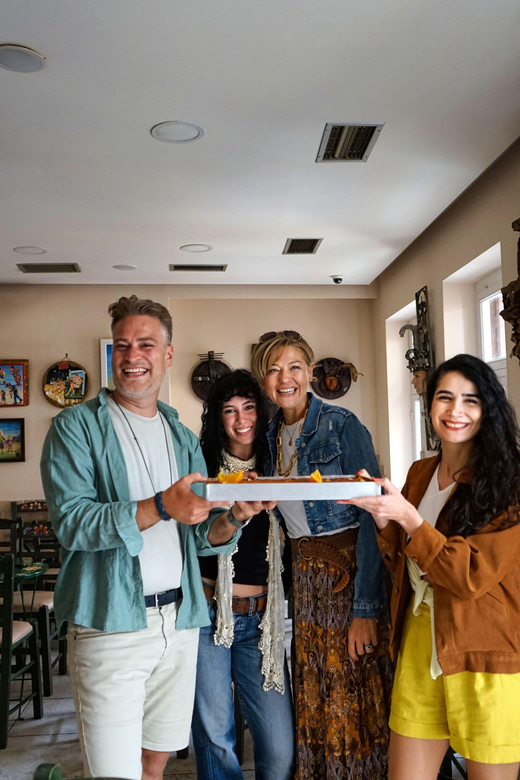
If you’re going to learn Greek pastry, Portokalopita is a smart choice. It’s not just a cake with orange flavor. It’s a syrup-soaked orange pie where the texture depends on timing, mixing, and how the phyllo (filo) behaves in the oven and after baking.
You’ll see that sweetness in action. The orange syrup is a core step, and it’s the part that separates this from a plain fruit tart. In practice, that means you’re learning a process you can reuse, not just copying a recipe once and hoping for the best at home.
This workshop also gives you the culture side without turning it into a lecture. You’ll explore local sweets first, so you start the class with a sense of what Greek bakers consider normal comfort food. Then you move straight into making one of the region’s beloved desserts.
You can also read our reviews of more tours and experiences in Athens

Meeting at Psyri Square and Settling Into the Pastry Shop Rhythm
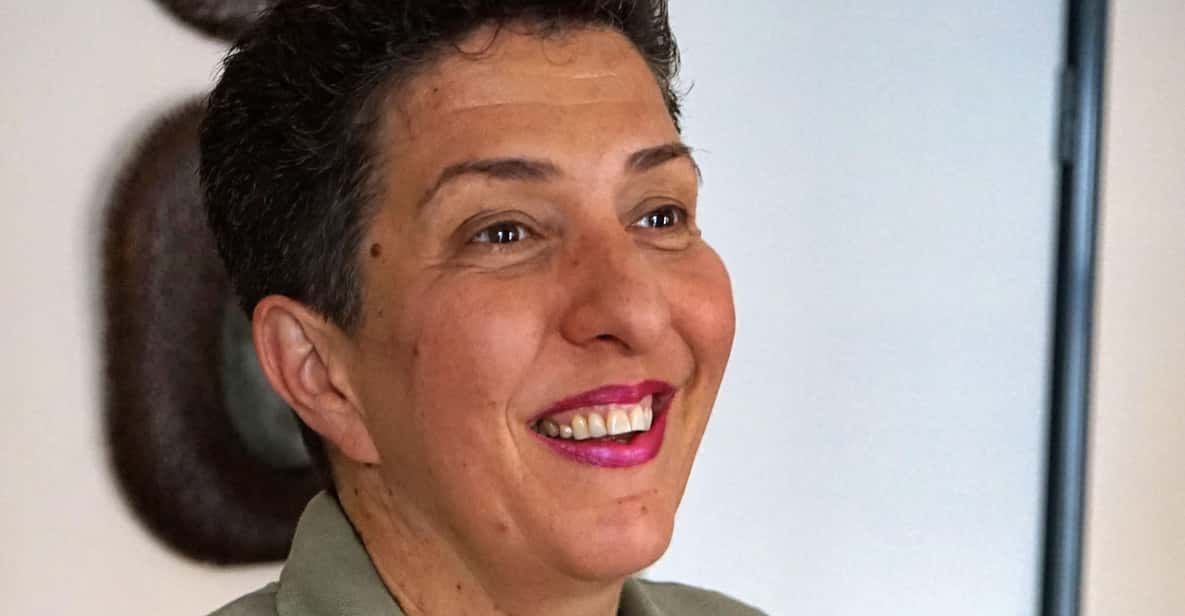
The experience meets at Psyri Square, and from there you head into a traditional Greek pastry shop. The exact vibe depends on the day, but the goal is consistent: you get into the rhythm of a working sweets place, not a temporary cooking studio.
In small groups, you’re also more likely to notice details you’d otherwise miss. You’ll see how the space is organized, how ingredients are staged, and how bakers keep moving without rushing people. The class is designed for English-speaking participants, and the chef and team keep things patient and practical.
This is one reason I like this format for Athens. Psyri is a place where food culture is part of daily life. Starting there makes the dessert feel connected to the city, not like an imported cooking event.
Chef Maria’s Siropiasto Lesson: From Orange Pie Prep to Syrup Success
Chef Maria leads the process of creating traditional siropiasto orange pie. The plan is to teach you the recipe of Portokalopita from start to finish, A to Z, so you understand what each step is trying to accomplish.
Here’s what that means in real kitchen terms:
You begin with an exploration of local sweets in the shop. That sets expectations for flavor and texture, and it helps you understand why this style of dessert matters in Greece. Then you get hands-on, following Maria’s supervision as you assemble the batter and prepare the pie.
A key piece of Portokalopita is the mixture and how it turns out. In the cooking process, you’ll whip and combine ingredients until you reach a specific airy, foamy consistency (including components like oil and eggs along with sugar). That texture isn’t just for show. It helps the final bake hold up and soak up syrup more evenly.
Then comes the orange syrup stage—the moment you realize this is a syrup-first dessert. The syrup is what gives it that signature juicy sweetness. If you’ve ever had orange pie that tasted dry or flat, this is the part you’ll understand differently after learning the process.
The Hands-On Baking Portion: What You’ll Actually Do in 2.5 Hours
This is a 2.5-hour workshop, built for active participation. You’re not just standing nearby while someone else does the fun part. You’ll be mixing, baking, and assembling your own portion under professional supervision.
In a small group of up to six, you get enough attention to handle the tricky bits, like working with phyllo dough. Review feedback highlights that the team explains how the filo should be treated so it absorbs well, and that’s essential here. Phyllo is delicate, and if you treat it like a thick pie crust, the result won’t behave the same way.
You’ll likely spend time on:
- Mixing your ingredients toward the right lightness and consistency
- Working with the phyllo layer and shaping it into a pie form
- Baking it until it’s ready for the syrup finish
- Learning how the syrup step changes everything after the oven
One helpful detail from the experience is the balance between guidance and independence. The chef team supports you with step-by-step coaching, but you still get to do the work. That’s the difference between a demo and an actual skill you can repeat later.
Tastings, Greek Coffee, and the Enjoy-Then-Create Flow
At the end, you taste what you made with Greek coffee. This matters more than it sounds. Greek coffee is part of the cultural rhythm of sweets—strong enough to cut sweetness, simple enough to let you focus on how the pastry actually tastes.
After baking, you’re not just waiting around. You’re able to sit with the dessert, compare what you expected to what you actually produced, and ask questions while the coffee is in your hand.
In multiple experiences, the host team is described as welcoming and good at conversation without turning it into awkward small talk. You may trade travel stories, ask about the neighborhood, or simply enjoy a relaxed pace. If you came to Athens mainly to eat well and also learn, this part hits the right note.






Taking Your Dessert Home: The Tray, the Practical Reality, and What to Expect
A take-away tray is included. That means you’re not stuck with the classic cooking-class problem of either eating everything on site or hoping the kitchen packs it.
That said, one practical consideration is worth calling out. Some participants felt the packing situation could be clearer. So if you’re trying to maximize what you take home, ask during the class about what the team can fit in the provided tray.
The good news: the included tray is designed for this exact purpose. So even if you plan to share with family later, you’re not gambling on whether you’ll get any packaging at all.
Price and Value in Athens: Is $106 Worth It?
At $106 per person, this isn’t a cheap snack stop. But for a small-group, hands-on pastry class with a professional chef, ingredient set, and a finished dessert plus Greek coffee, it starts to look more like a cooking workshop value than a tourist activity price.
Here’s what you’re getting for the money, in practical terms:
- Supervision by a professional pastry chef (Chef Maria)
- A small group format (limited to six)
- Ingredients for the recipe included
- The cooking workshop itself (you do the work)
- Greek coffee included
- A take-away tray
The main thing that affects value for you is whether you want a recipe you can use back home. This class is specifically structured around teaching the Portokalopita process from start to finish. If you just want to taste orange pie, you might get a cheaper meal elsewhere. But if your goal is to bring home a repeatable technique and a dessert that matches what you learned, the cost becomes easier to justify.
Transfer is not included. If you’re relying on transit or walking from your hotel, budget that time and effort.
Who This Workshop Suits Best (And Who Might Want Something Else)
This workshop fits best when you want more than eating. If you enjoy hands-on food experiences and you like learning the why behind a recipe—especially syrup-soaked pastries—this is a great match.
It also works well if you’re traveling with kids or a mixed-age group. One experience specifically noted a parent-and-child visit where rolling up sleeves and working side by side made it feel like a fun afternoon, not a lecture.
If you hate getting your hands messy, you’ll probably still enjoy it, but you should plan for messy phases. The workshop advises comfortable clothes and clothes that can get dirty. This is baking, assembling, and handling dough.
Also, because the instructor language is English, it’s a good option for English-speaking visitors who want direct coaching without translation hassles.
Booking Decision: Should You Book This Athens Pastry Workshop?
I’d book it if you want a short, satisfying Athens experience with real technique. This is the kind of activity that gives you:
- A specific dessert skill (Portokalopita/siropiasto orange pie)
- A guided baking session with a chef-led step-by-step plan
- A local neighborhood start in Psyri
- A finished sweet plus Greek coffee, with something to take home
I’d skip it (or at least compare alternatives) if you’re only after a quick taste, have a very tight food-only budget, or you’re not comfortable with hands-on cooking.
If you’re on the fence, a good strategy is simple: decide whether learning the recipe matters to you. If it does, this class is a strong, practical choice in Athens. If it doesn’t, you may prefer spending that time eating Portokalopita somewhere in town instead.
FAQ
How long is the Athens Traditional Greek Pastry Workshop?
The duration is 2.5 hours.
Where is the meeting point?
The meeting point is at Psyri square.
What dessert will we make?
You’ll learn to make Portokalopita, a traditional siropiasto orange pie.
Who teaches the workshop?
Chef Maria is the professional pastry chef who guides you through the process.
Is the workshop in English?
Yes, the instructor is English.
What is included in the price?
Included are the set of ingredients, professional chef supervision, the cooking workshop, Greek coffee, and a take-away tray.
What should I bring or wear?
Wear comfortable clothes and clothes that can get dirty.
Is transfer included?
No, transfer is not included.
Is there a cancellation option for a full refund?
Yes. You can cancel up to 24 hours in advance for a full refund.
Is it a small group?
Yes. It’s limited to 6 participants.
You Might Also Enjoy



More Workshops & Classes in Athens



More Tour Reviews in Athens
- All Day Cruise -3 Islands to Agistri,Moni, Aegina with lunch and drinks included
★ 5.0 · 4,958 reviews