REVIEW · ATHENS
Athens: Acropolis Museum and Acropolis Tour in the Afternoon
Book on GetYourGuide →Operated by ATHENS WALKING TOURS · Bookable on GetYourGuide
You’ll feel the Acropolis click into place. This afternoon tour pairs the Acropolis Museum with a guided walk on the hill, so you’re not just looking at ruins—you’re learning what you’re seeing. I love the museum-first flow and the fact that this schedule helps you avoid the nastiest heat and early crowds. One thing to plan for: you’ll need the right timed tickets (or buy them separately) or you simply won’t be able to join.
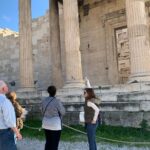
What I like most is how the guide uses headsets so you can actually follow the story while walking. I also like that the route hits the main stops in a smart order, from the Theater of Dionysus to the Parthenon, with short pauses to keep the pace human. You get context for the monuments without spending your whole day shuffling around in the sun.
The only real drawback is logistics. Timed entry at the Acropolis is strict, and the tour starts at the museum, with the hill access happening later—so being late (or missing the correct ticket time) can cost you your spot.
- Museum-first orientation makes the hill sights much easier to understand
- Headsets included for clearer narration while you walk and pause
- Timed Acropolis access starts about 90 minutes after the tour begins
- A tight highlights route: Dionysus Theater, Odeon of Herodes Atticus, Propylaea, Erechtheion, Parthenon
- English live guide with myth and storytelling woven into the stops
- Heat-smart timing designed to beat morning crowds and peak temperatures
In This Review
- A Cooler, Smarter Way to Experience the Acropolis
- Meeting Point on Dionyssiou Areopagitou: Find the Orange Sign
- The Acropolis Museum First: Where the Stories Make Sense
- From Museum to the Hill: Why the 90-Minute Gap Matters
- The Guided Hill Stops: Dionysus to the Parthenon
- Theater of Dionysus: Where Theater Began
- Odeon of Herodes Atticus and Propylaea: The Entrance and the Stage
- Erechtheion: Deeper Myth, More Personality
- Parthenon Focus and Athena Nike Views
- Heat, Crowd Control, and What to Do During the Walk
- Price and Value: What $115 Really Covers
- What You Need to Bring (and Who Should Skip It)
- Should You Book This Afternoon Acropolis Tour?
- FAQ
- How long is the tour?
- Where do we meet, and where does the tour end?
- Do I need Acropolis tickets, and what if I don’t select the ticket option?
- When do we get access to the Acropolis?
- What should I bring, and what’s not allowed?
- Is the tour accessible for wheelchair users or people with mobility impairments?
A Cooler, Smarter Way to Experience the Acropolis

The Acropolis is famous for a reason. Still, doing it the usual way—arrive, sprint uphill, then hope you remember what you saw—often turns into frustration. This afternoon format solves a big chunk of that by putting the Acropolis Museum first, while the weather is easier to handle.
I like the idea of arriving for the museum in cool comfort and then transitioning to the hill for the big structures. You’re also more likely to catch gentler light as you move through the site, compared with early-morning rush hours. That means more photos, fewer cranky moments, and better attention to details that you’d otherwise miss.
One practical note: this is a walking tour. You’ll want comfortable shoes and a plan for water, hat, and sunscreen, because the Acropolis area can still feel intense even in the afternoon.
Meeting Point on Dionyssiou Areopagitou: Find the Orange Sign
You meet at Dionyssiou Areopagitou 3, where there’s an orange sign reading Athens Walking Tours. It’s at the start of the pedestrian walkway that leads up from the Hadrian’s Arch area toward the Acropolis. Build in extra minutes so you can find the group and settle before you head to the museum.
This part matters more than it sounds. The tour runs on a schedule tied to timed entry, and the Acropolis access is not flexible. If you show up late, you don’t get to wait around—entry windows are strict.
You can also read our reviews of more museum experiences in Athens

The Acropolis Museum First: Where the Stories Make Sense

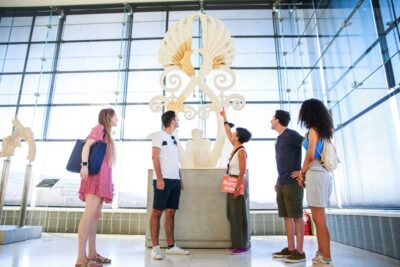
The best thing about this tour is the order. You start at the Acropolis Museum and enjoy a guided visit for about 75 minutes, with a focus on how different eras shaped what you see on the hill. Instead of treating the Parthenon like a standalone monument, you get the bigger picture: Archaic, Classical, Hellenistic, and Roman periods, plus Greek mythology that connects the art to the beliefs behind it.
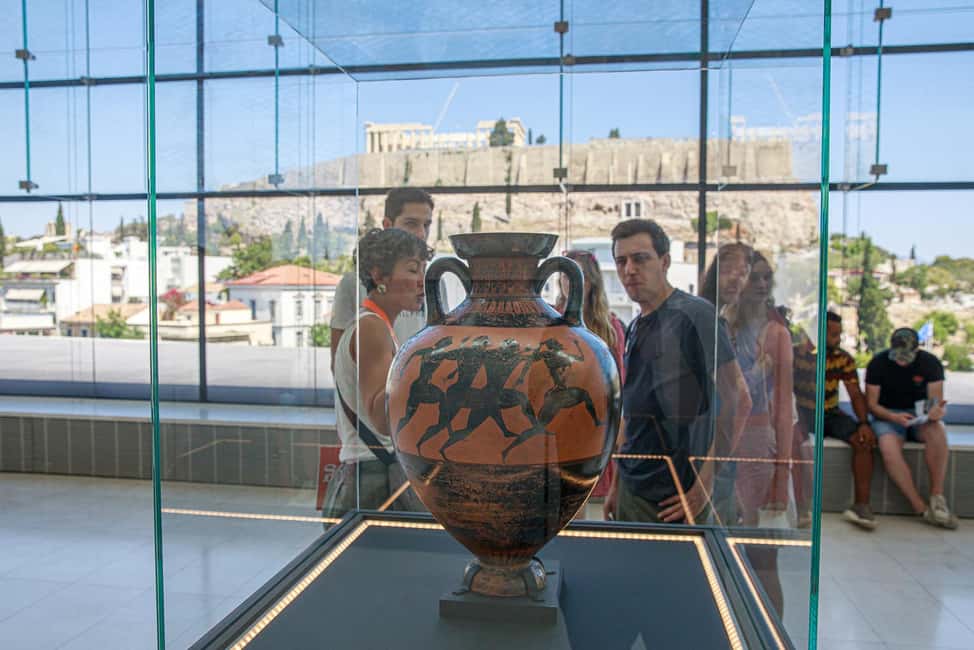
You’ll see famous items like the Parthenon Marbles, along with statues, architectural remnants, pottery, and other archaeological treasures. Even if you’ve read about the Parthenon before, the museum helps your brain put names to shapes and reasons to choices—like why certain figures appear and what they were meant to signal.
A big bonus: you’re indoors first. That means you can pace yourself, rest your eyes, and listen without sweating through your notes. It’s also the moment when the guide can set the myth and history tone so the later hill walk feels like one connected story.
From Museum to the Hill: Why the 90-Minute Gap Matters
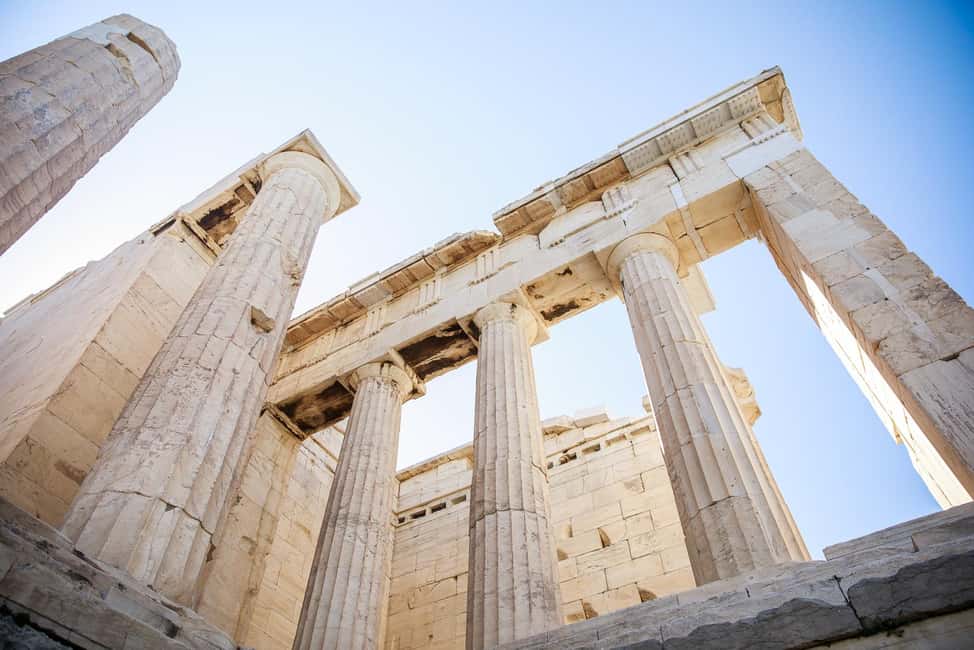
After the museum, you exit and—per the tour flow—there’s time to enjoy the changing light (even toward sunset, depending on the day), then a 10-minute café break before you head to the Acropolis. That short break is useful. You’ll likely go from cool air to hot stone, so grabbing water and a quick reset helps.
Then comes the key timing detail. Access to the Acropolis happens about 90 minutes (1.5 hours) after the tour starts. That timing is why you need your tickets sorted correctly and why arriving on schedule matters.
Security checks are also part of the real-world experience. Plan for airport-style screening, and in busier periods you might see waits of 30+ minutes. If you’re thinking about doing this tour on a peak travel week, take the security line seriously and don’t treat it like a quick stroll.
The Guided Hill Stops: Dionysus to the Parthenon
Once you’re on the south slope, the guide starts connecting the route to the myths and civic life of ancient Athens. The walk segments are relatively short, but the stops are meaningful, and each one adds a different layer to the hill.
Theater of Dionysus: Where Theater Began
One of the first major stops is the Theatre of Dionysus, where the guide talks about the origins of theater. This is one of those places that can feel like just another ancient ruin until someone explains the function. You’ll also hear stories that fit the myth world into civic Athens—so the stones start acting like characters.
The pace here is important. Crowds can make it hard to keep up, so if you’re traveling solo, use the headsets and stay close when the group pauses for explanations. If you wander, you’ll lose the storyline fast.
- All Day Cruise -3 Islands to Agistri,Moni, Aegina with lunch and drinks included
★ 5.0 · 4,958 reviews






Odeon of Herodes Atticus and Propylaea: The Entrance and the Stage
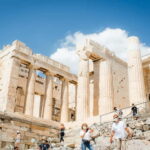
Next is the Odeon of Herodes Atticus, followed by Propylaea, the gateway area. These stops are brief, but they set up what you’re about to see next. The Odeon gives you a sense of how performances belonged to public life, while Propylaea helps you imagine the experience of arriving into the sacred space.
These are the moments where the tour is less about time-on-site and more about correct orientation. A good guide helps you understand what direction you’re facing, what counted as the “center,” and why the hill layout matters.
Erechtheion: Deeper Myth, More Personality
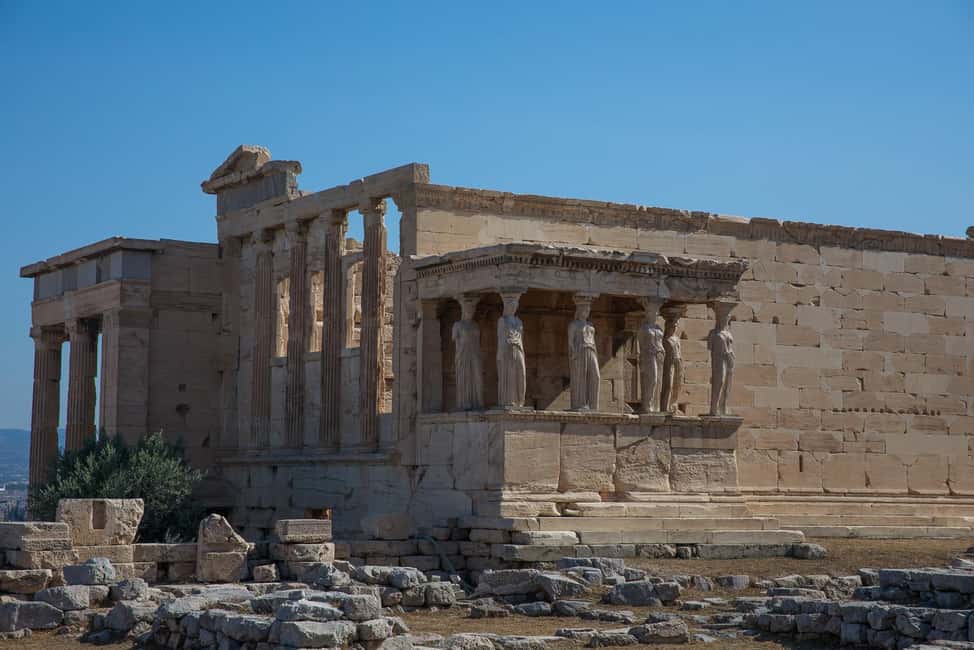
Then you reach the Erechtheion, a spot that feels like it has its own mood. This is where myth and religion start to feel personal, not abstract. The guide’s storytelling connects the monuments to the beliefs behind them, including the kind of power struggles and protection narratives that were part of everyday identity in ancient Athens.
It’s not a long stop, but it’s a turning point. After Erechtheion, the Parthenon isn’t just impressive—it starts to feel inevitable.
Parthenon Focus and Athena Nike Views
The Parthenon stop is the headline, with about 20 minutes for guided viewing and explanation. This is where the museum-first approach pays off. You can actually connect the sculpture and architectural ideas you saw inside to the structures you’re standing beside now.
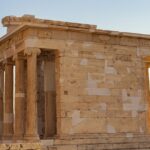
The tour also includes the Temple of Athena Nike. It’s a short stop (about 5 minutes), but it’s the kind of add-on that makes your mental picture of the site more complete. You’ll leave with a stronger sense that the Acropolis wasn’t one building—it was a whole religious and cultural system.
If the day is busy, keep your expectations realistic. You may not have long, empty-space time for photos. The upside is you’re hearing the right story while you look, which beats standing around with no context.
Heat, Crowd Control, and What to Do During the Walk

This tour is planned for comfort in a way you’ll feel quickly. Starting later in the day helps you avoid peak mornings, and the museum portion gives you real shade and cool air. One guide in this experience style is known for adjusting for hot afternoons—taking breaks and using shaded spots to keep the group comfortable—so expect pacing that respects the heat.
Still, you’ll be on your feet on uneven ancient surfaces. Bring water and wear a hat. If you’re prone to overheating, treat this as a day for slower steps and more breaks, not a day for rushing.
Crowds can be the one factor you can’t fully control. Even with a guide, it’s easy to get separated in denser areas—one solo-friendly tip is to keep an eye on where the group pauses so you don’t fall behind. If you want a photo, ask the guide early; you may find it’s easier for them to help when you’re not trying to do it at the most congested spots.
Also remember what’s not allowed: baby strollers and backpacks aren’t permitted. If you travel with any bulky item, plan to travel light.
Price and Value: What $115 Really Covers
At $115 per person, the big value is that you’re not just paying for a ticket—you’re paying for a guided, organized route plus convenience items that make the day easier.
Here’s what’s included:
- Tour guide
- Skip-the-ticket-line service
- Headsets to hear the guide clearly
- Athens guidebook with recommendations
- Athens map
- Pre-booked entry tickets if you select the ticket option
Not included:
- Food and drink (you do have a short café break, but meals are on you)
The clearest value is the combination of museum narration plus hill context. If you buy tickets on your own, you still have to figure out timing and sequencing. With this format, you’re handed the structure, and the guide helps you make sense of the sites in the order they were meant to be understood.
One more value detail: the headsets and clear audio matter on the Acropolis, where wind, crowd noise, and distance can make it hard to follow even basic explanations. For many people, that alone turns the experience from confusing to enjoyable.
If you choose the option without pre-booked tickets, you’ll need to handle ticket purchase yourself. That can be a minor hassle, but it’s also manageable if you’re organized.
What You Need to Bring (and Who Should Skip It)
Plan like you’re visiting a major outdoor site with indoor time before it. Bring:
- Comfortable shoes
- Hat
- Camera
- Sunscreen
- Water
- Weather-appropriate clothing
The tour is in English with a live guide, and it runs rain or shine. So if you hate surprises, pack a light layer that works for your season.
This is also important: it’s not suitable for people with mobility impairments and it’s not suitable for wheelchair users. If you use mobility aids, you’ll likely find the terrain and walking segments too challenging. Also note that strollers and backpacks aren’t allowed, so keep your kit compact.
Should You Book This Afternoon Acropolis Tour?
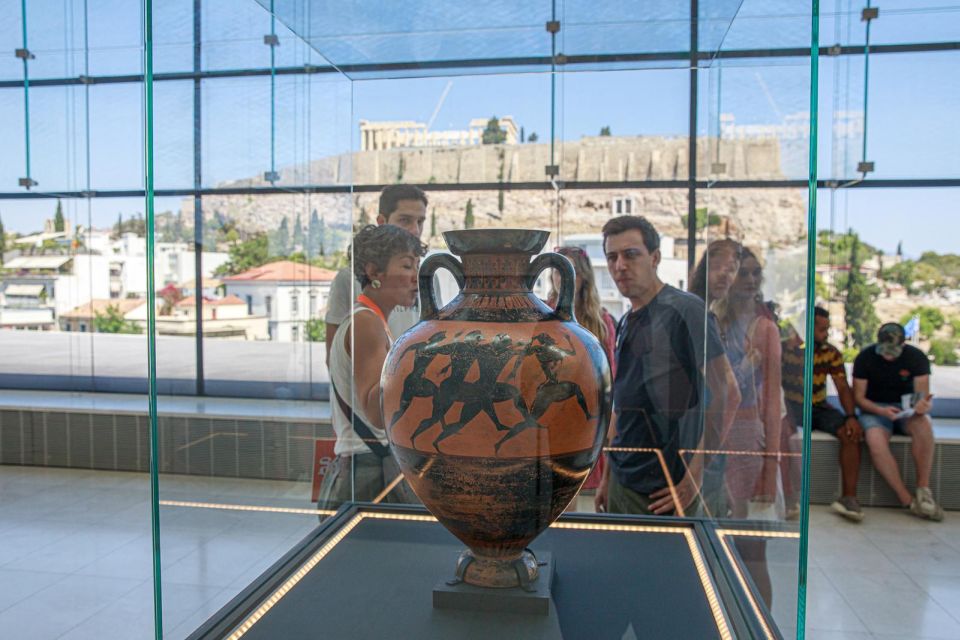
If you want the Acropolis without the confusion, I’d book it. The museum-first approach is the decision-maker for me. It helps you understand what you’re seeing on the hill instead of just collecting random photos of famous buildings.
Book this if:
- You’ll appreciate guided context for the Parthenon and major hill landmarks
- You want to avoid the harshest morning heat and crowds
- You like a structured route with headsets and a clear pace
Skip it or think twice if:
- You don’t want to manage timed ticket rules (especially if you choose the ticket-free option)
- You need full accessibility support, since it’s not designed for wheelchair users or mobility impairments
- You prefer long, unscripted wandering rather than a guided sequence with set stops
FAQ
How long is the tour?
The tour lasts about 4 hours. Exact starting times vary by availability.
Where do we meet, and where does the tour end?
You meet at Dionyssiou Areopagitou 3 at the orange sign for Athens Walking Tours. The activity ends back at the meeting point.
Do I need Acropolis tickets, and what if I don’t select the ticket option?
If you select the option with tickets, the entry is handled for you. If you don’t select tickets, you must buy admission tickets yourself from the official sites before booking, and you need the correct date, time, and category.
When do we get access to the Acropolis?
Acropolis access happens about 90 minutes after the tour starts. That’s why you need the timed entry plan to be correct.
What should I bring, and what’s not allowed?
Bring comfortable shoes, a hat, camera, sunscreen, and water. Baby strollers and backpacks are not allowed.
Is the tour accessible for wheelchair users or people with mobility impairments?
No. The tour is not suitable for wheelchair users or people with mobility impairments.
You Might Also Enjoy

More Museum Experiences in Athens

More Tours in Athens


More Tour Reviews in Athens
- All Day Cruise -3 Islands to Agistri,Moni, Aegina with lunch and drinks included
★ 5.0 · 4,958 reviews