
REVIEW · ATHENS
Aristotle’s Philosophy Experiential Workshop, Lyceum, Athens
Book on GetYourGuide →Operated by Hellas Revival · Bookable on GetYourGuide
Aristotle gets practical fast. This beginner-friendly philosophy workshop uses the Lyceum archaeological site as your classroom, then turns big ideas about virtue into real-life exercises you can actually use.
What I like most is the way you’ll participate, not just listen. You get a moment to read aloud Aristotle-related phrases in ancient Greek, then you move through the ruins while playing a card game about virtues. One possible drawback: the archaeological site entrance fee is not included, and the workshop is outdoors, so weather matters.
In This Review
- Key things that make this Aristotle workshop work
- Rizari Park warm-up: where Aristotle’s ideas start making sense
- Walking the Lyceum ruins: Aristotle’s school as your classroom
- A card game built around virtues: learning by moving your thinking
- The Golden Mean discussion in the amphitheater: ethics for everyday choices
- What you actually get for the price (and what costs extra)
- Logistics you should plan for: outdoors, rules, and how to be comfortable
- Who this workshop is best for (and who might skip it)
- Should you book Aristotle’s Philosophy Experiential Workshop at Lyceum?
- FAQ
- Do I need prior knowledge of philosophy?
- How long is the Aristotle workshop?
- What language is the workshop in?
- Where does the workshop start and end?
- Is the Lyceum archaeological site entrance fee included?
- What happens if it rains?
- Are food and drinks allowed during the workshop?
- Is smoking allowed?
- Is the workshop suitable for kids and wheelchair users?
Key things that make this Aristotle workshop work
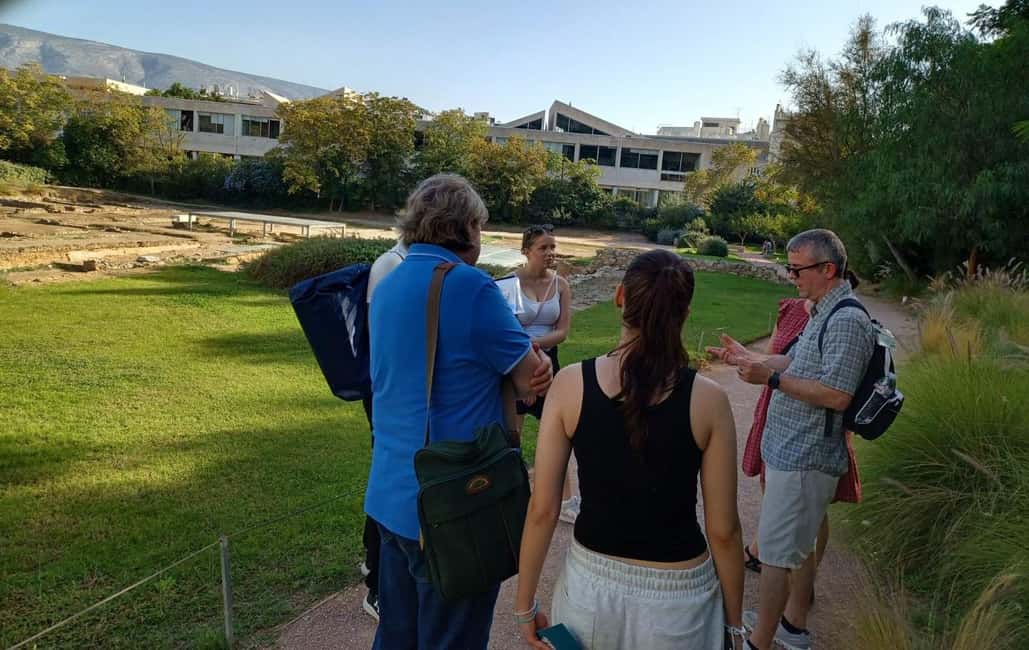
- Lyceum on foot: you visit the archaeological site tied to Aristotle’s school
- Beginner-friendly, not academic: it’s designed as a hands-on philosophy experience
- Ancient Greek participation: you’ll have the chance to read aloud some phrases
- Virtues through play: a card game guides you through Aristotelian ethics
- Golden Mean made usable: you discuss it using everyday situations
- English expert facilitation: the instructor leads, explains, and keeps it flowing
Rizari Park warm-up: where Aristotle’s ideas start making sense
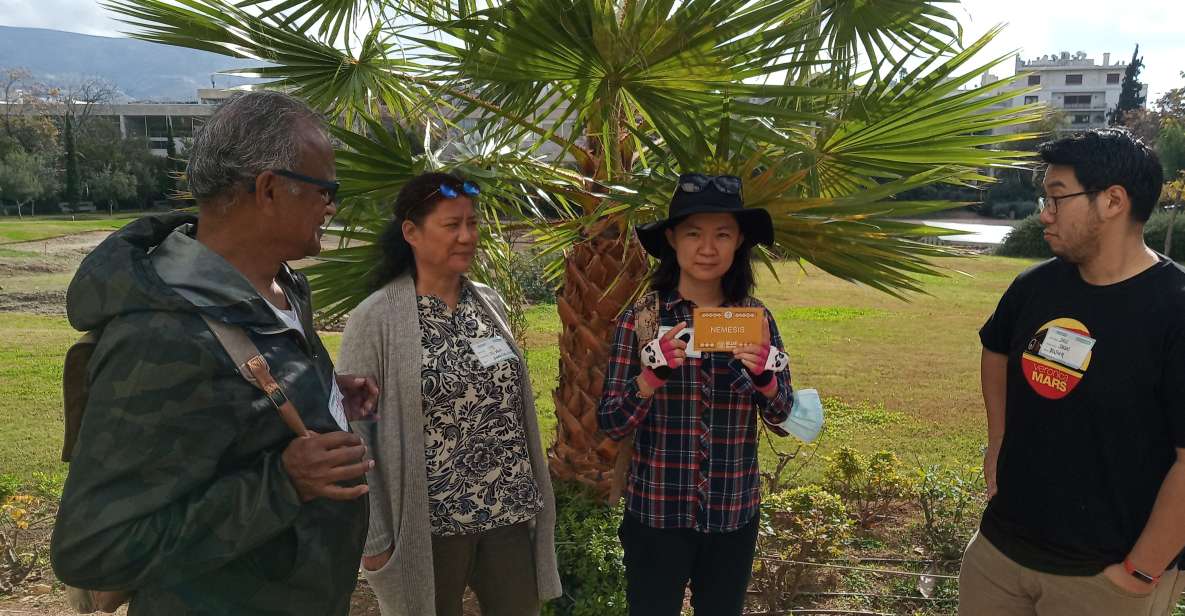
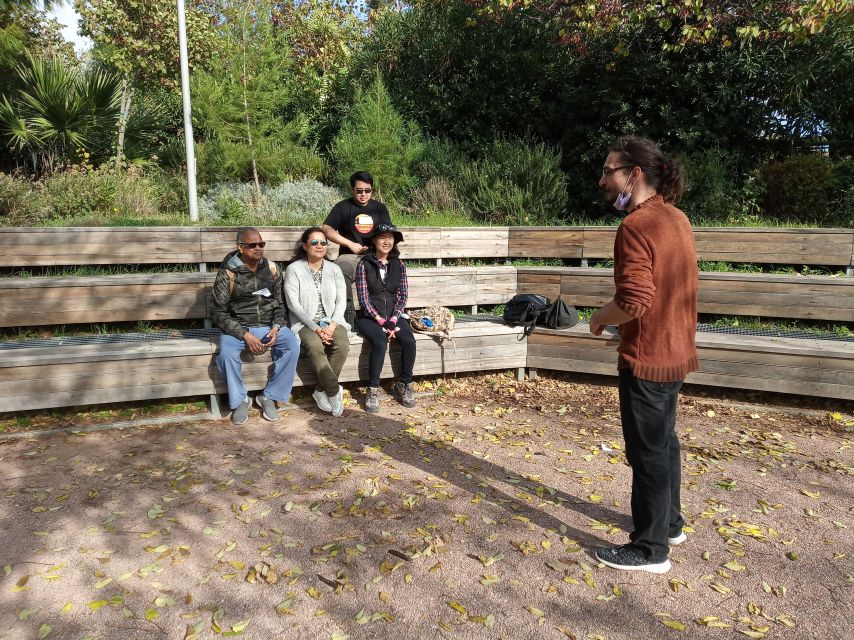
Your experience begins in Rizari Park, under shaded trees. That setting matters more than you’d think. Before you’re dropped into ancient stone and ruins, you get a calm start that helps you focus on the discussion instead of hunting for directions or catching your breath.
You’ll be introduced to the great teacher and given historical context, centered on the teaching chain: Socrates → Plato → Aristotle. It’s a quick way to understand where Aristotle fits, without turning the whole morning into a lecture. If you know almost nothing about philosophy, this early framing helps everything click later when the workshop gets interactive.
Then comes one of the more memorable touches: you may read aloud some of Aristotle’s phrases in ancient Greek. You don’t need to be a scholar. Think of it as a playful way to slow down, sound things out, and feel the language connecting to ideas you’ll discuss right after.
You also meet people in the group, which is part of why the workshop works. The session isn’t just you and a guide talking. It’s you and a small circle learning a way of thinking together.
You can also read our reviews of more tours and experiences in Athens



Walking the Lyceum ruins: Aristotle’s school as your classroom
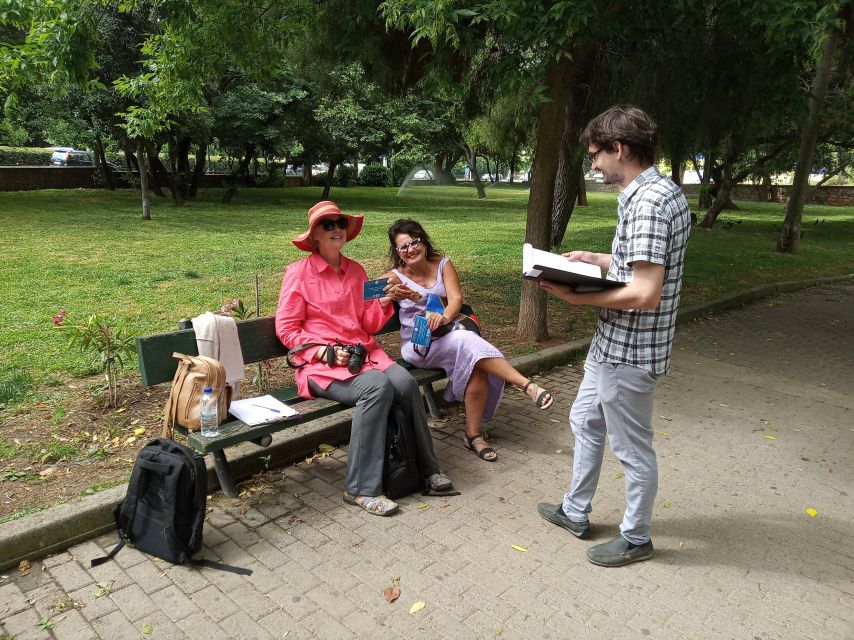
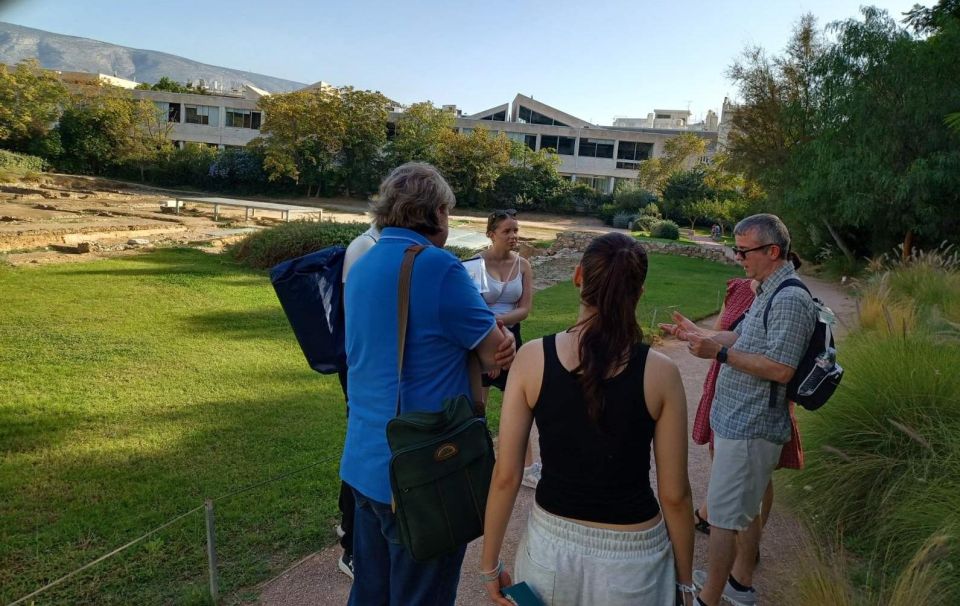
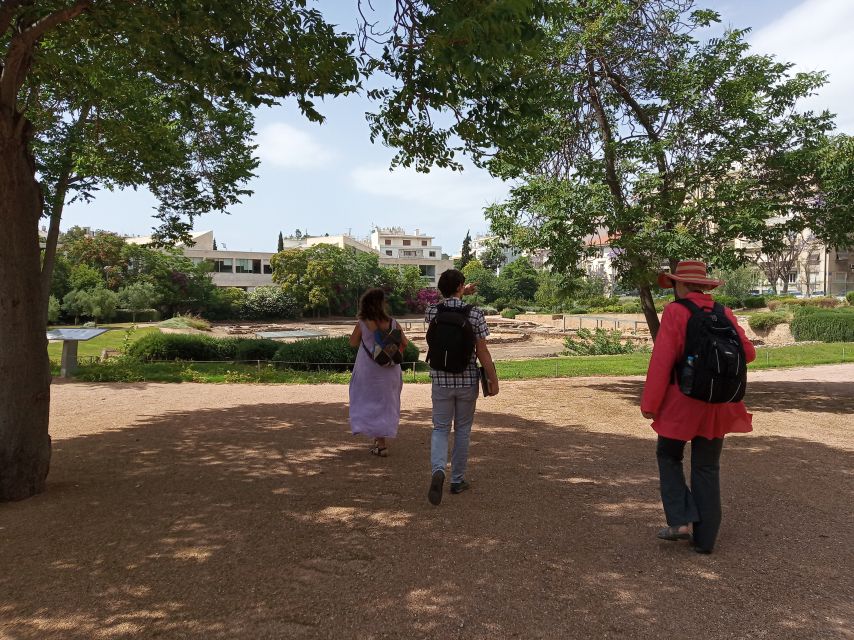
After the warm-up, you head to the nearby archaeological site of Lyceum, Aristotle’s school. This is the core setting: you walk around the ruins at the original place where Aristotle walked with his students.
Walking there changes how the ideas land. You’re not reading about a school—you’re physically moving through a space tied to learning, walking, and discussion. Even if you’re not into ancient ruins for their own sake, the environment supports the workshop’s goals. You can almost feel why ethics might be taught through daily habits, not abstract rules.
As you explore the site, you’re not wandering aimlessly. The facilitator keeps the connection to Aristotle clear, steering you toward the practical theme of the day: how to live well, interact successfully, and build personal excellence through virtues.
A practical consideration here: you’ll be outdoors. The experience is designed to be walked, discussed, and played in the open air, so comfortable shoes are a smart move. Also, the workshop includes moments of quiet respect around a heritage site, so plan on keeping your voice down and treating the ruins like the serious cultural space they are.
A card game built around virtues: learning by moving your thinking
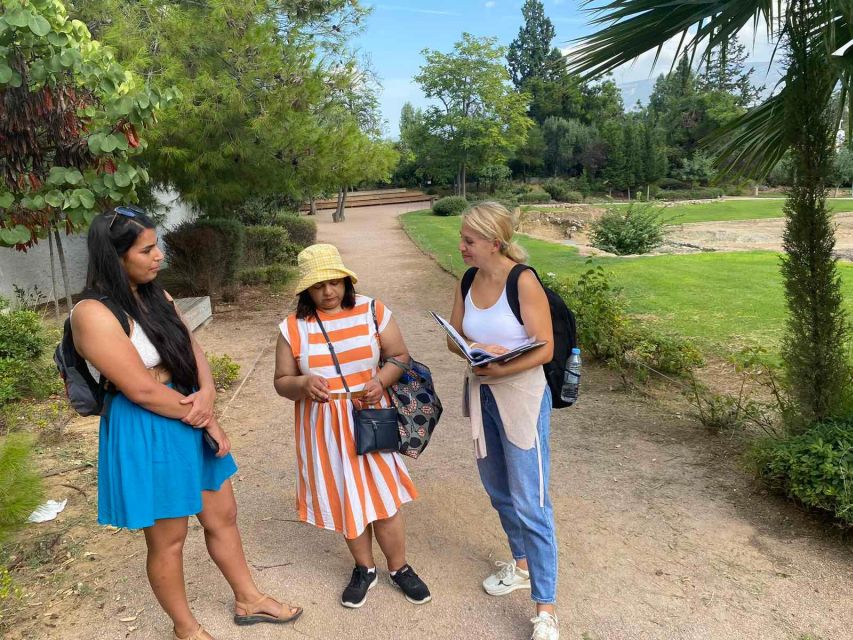
Here’s where the workshop shifts from discussion to doing. As you walk, you play a card game that helps you explore Aristotelian ethics, with a focus on virtues.
Why a card game works: it forces decisions in small moments. Ethics becomes something you practice, not something you memorize. Instead of hearing a long list of virtues and then forgetting it by the end of the day, you’re actively connecting virtues to situations.
This is especially useful if you’re a “show me how to use it” person. You get a framework, then you test it in mini-scenarios, with the facilitator guiding the meaning as you go. If you’ve ever felt that philosophy sounds fine in a book but useless in real life, this is the part that fixes that feeling.
And it’s not just solo thinking. The workshop is built for interaction with other participants. That means the game tends to generate different interpretations of the same ethical idea, which is exactly what you want when the goal is self-excellence and successful relationships.
The Golden Mean discussion in the amphitheater: ethics for everyday choices
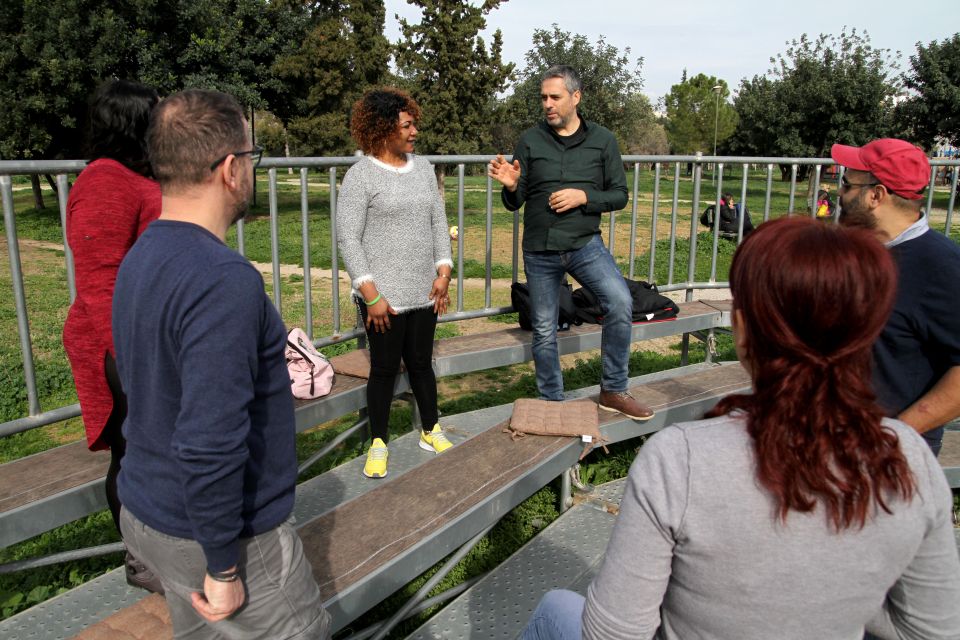
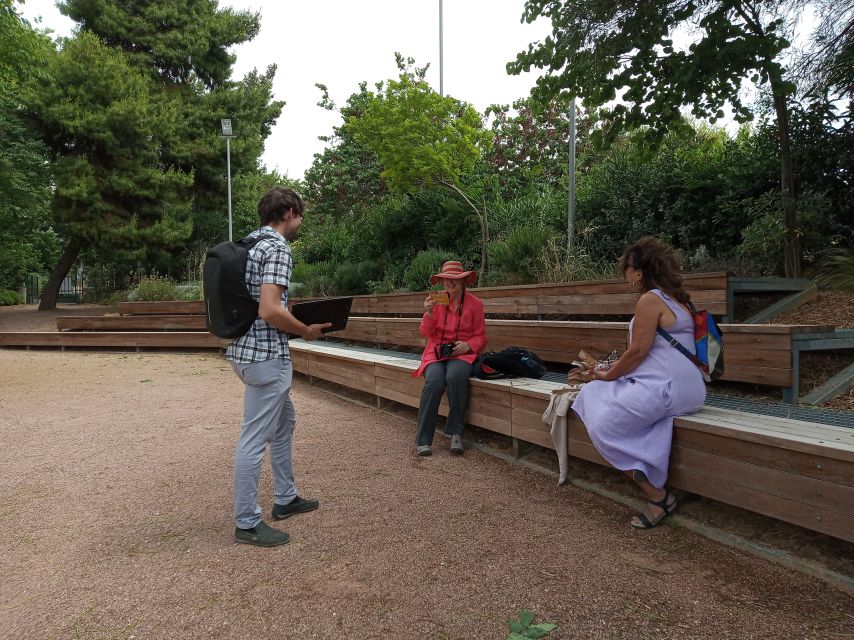
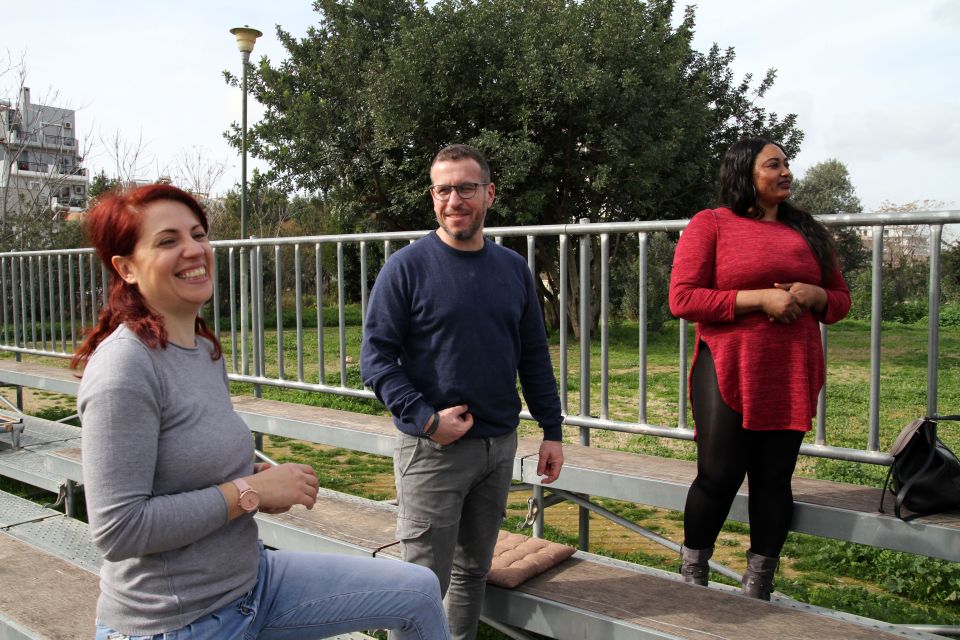
In the end, you sit in a small amphitheater with a direct view of the excavations. This is a clever setup. It slows everything down and gives the discussion a stage-like focus, while you can visually keep the ruins in view.
This is where you discuss the Aristotelian Golden Mean using examples drawn from modern daily life. The idea is simple to explain but tricky to live: it’s about choosing the right kind of balance, not going to extremes.
What makes this valuable for you is the translation into your own routines. The facilitator doesn’t leave it as a concept. You apply it to everyday examples, which is how ethical thinking becomes practical rather than poetic.
And there’s a clear endpoint to the reasoning: you talk about Eudaimonia, the ultimate human goal. The word sounds abstract, but the way it’s used here connects to the workshop’s promise: self-excellence through virtues, practiced in daily interactions.
If you’re trying to get more from Athens than photos and ruins lists, this part gives you something lasting. It’s not just “seen the place.” It’s “used the place” to think differently about how you live and relate.
What you actually get for the price (and what costs extra)
The workshop costs $90 per person and lasts about 100–101 minutes. That’s a pretty focused length. You’re paying for an expert facilitator, all materials, and local taxes (listed as 24%).
Two things to watch:
- The Lyceum archaeological site entrance fee is not included. The fee is listed as 5 EUR full and 3 EUR half.
- The rest of the session is a philosophy experience, not a classic guided ruins tour. You’re not buying a history-only walkthrough. You’re buying participation and guided ethical thinking in the landscape.
So is it good value? For me, yes—if you like interactive learning and want something that connects the ancient world to how you live right now. If you prefer passive sightseeing with lots of factual commentary, you might find the philosophy-heavy structure less satisfying.
Also, you’ll want to budget a bit of time for the entrance fee on top of the base price. That extra cost is small, but it matters when you’re comparing options.






Logistics you should plan for: outdoors, rules, and how to be comfortable
This workshop runs entirely outdoors, so weather is real. If it rains, you’ll find shelter and continue the workshop at the café of the Byzantine Museum, literally next door. That’s a practical backup plan, and it means the experience shouldn’t collapse into a cancellation.
A few conduct and site rules matter because you’re in a heritage context:
- No smoking
- No food or drinks
- No luggage or large bags
- Be respectful and follow etiquette like appropriate dress, cleanliness, and keeping noise low
The facilitator is first aid trained and certified, but they’re not allowed to provide medicines. It’s good to know that in advance because you’re outdoors and moving.
On the comfort side: you’ll be under shade at the start, then moving through ruins, then sitting for the final discussion. Wear shoes you trust, and dress for Athens weather. You don’t need anything fancy—just comfortable.
Who this workshop is best for (and who might skip it)
This experience is suitable for people without previous knowledge of philosophy, and it’s taught in English. It’s also wheelchair accessible, and private or small groups are available.
I think it’s a great fit if:
- you like hands-on learning more than lectures
- you’re curious about ethics and how it shows up in daily choices
- you want a quieter, more reflective way to experience Athens beyond standard sightseeing
- you’re traveling with a group that enjoys discussion and activities
You might skip it if:
- you mainly want a guided archaeological explanation with lots of factual stops
- you don’t do well with outdoor sessions
- you’re bringing children under 15, since it’s not suitable for that age group
Should you book Aristotle’s Philosophy Experiential Workshop at Lyceum?
Book it if you want Athens to feel personal, not just historical. This workshop uses the Lyceum setting as a living classroom and then keeps the focus on practical ethics: virtues, balance, and the idea of Eudaimonia. The interactive format is the point, and you’ll leave with something you can try in your own life, not only memories of stone ruins.
Skip it if you’re after a traditional guided tour or you hate participating. This is a philosophy experience built around interaction, including a playful card game and a chance to read aloud phrases in ancient Greek.
If that sounds like your kind of travel—thoughtful, active, and grounded—this is a strong choice. You’ll spend a short window of time in Athens, but you’ll come away with ideas you can use long after the workshop ends.
FAQ
Do I need prior knowledge of philosophy?
No. The experience is designed for beginners and is described as a philosophy experience suitable for people without previous knowledge of the subject.
How long is the Aristotle workshop?
It lasts about 100–101 minutes. Start times vary, so you’ll want to check availability for the options you’re considering.
What language is the workshop in?
The workshop is led in English.
Where does the workshop start and end?
It starts in Rizari Park, and it ends back at the meeting point.
Is the Lyceum archaeological site entrance fee included?
No. The entrance fee for the archaeological site of Lyceum is listed separately as 5 EUR full and 3 EUR half.
What happens if it rains?
Because it’s outdoors, if it rains you might be forced to find shelter and continue the workshop at the café of the Byzantine Museum, next door.
Are food and drinks allowed during the workshop?
No. Food and drinks are not allowed.
Is smoking allowed?
No. Smoking is not allowed.
Is the workshop suitable for kids and wheelchair users?
It is not suitable for children under 15 years. It is wheelchair accessible.
You Might Also Enjoy



More Workshops & Classes in Athens



More Tour Reviews in Athens
- All Day Cruise -3 Islands to Agistri,Moni, Aegina with lunch and drinks included
★ 5.0 · 4,958 reviews