REVIEW · ATHENS
3-Day Peloponnese and Delphi Private Tour from Athens
Book on Viator →Operated by 4 Seasons Greece Tours · Bookable on Viator
Three days is not enough to see Greece twice, which is exactly why this route works. You’ll connect Corinth, Mycenae, Epidaurus, Olympia, and Delphi with comfortable road time and smart stops along the way. The biggest wins for me are the hands-off pickup/drop-off from Athens and the way the tour plan hits both UNESCO archaeology and real Greek towns without feeling like a rushed checklist.
I also like that you get 4-star or boutique hotels with breakfast for two nights, so the trip feels like a getaway instead of a bus-day marathon. You’re not stuck staring at the same view either: you’ll switch between seaside Nafplio, mountain-town vibes in Arachova, and Delphi’s sacred setting.
One thing to consider: site admissions are not included, so you’ll want to budget extra for museums and ticketed entrances. Also, you should plan on some walking at each major archaeological stop, including uneven stone and stairs.
In This Review
- Key highlights worth the money
- Price and what you actually get for it
- Athens-to-Corinth: starting with an engineering wow
- Epidaurus Theatre: where acoustics changes how you see ancient Greece
- Mycenae and Tiryns-country: Lion Gates to the power of ruins
- Nafplio at golden-hour pace: castles, alleys, and easy wandering
- Olympia: walking the ancient Olympic world
- Wine stop and bridge breaks: keeping the day from feeling like a grind
- Galaxidi and Delphi overnight: seaside calm before Delphi’s big day
- Delphi Archaeological Museum: start inside, then see the sacred site
- Lunch and Arachova: real food stop plus a mountain village feel
- Hosios Loukas monastery: Byzantine art with UNESCO weight
- Hotels, comfort, and how the ride affects the whole trip
- Who this tour suits best (and who should tweak expectations)
- Should you book the 3-Day Peloponnese and Delphi Private Tour?
- FAQ
- Are archaeological site admission fees included?
- Do I get pickup and drop-off from Athens?
- What does the price include?
- Is the tour private?
- Are meals included?
- Is the tour offered in English?
Key highlights worth the money
- Private, English-led driving with live commentary, plus WiFi, A/C, and bottled water in a newer vehicle
- Two hotel nights with breakfast in 4-star/boutique stays (locations vary by availability)
- A route that stacks UNESCO hits: Corinth, Epidaurus, Mycenae, Olympia, Delphi
- Epidaurus Theatre for those famous acoustics moments
- A day that adds fun stops like Achaia Clauss wine tasting and Nafpaktos port scenery
- Myth and history made practical by guides such as Petros, Janus, and Giannis (names you may see in past experiences)
Price and what you actually get for it
At $1,078.60 per person for about 3 days, the value comes from the mix of transportation plus guided storytelling plus lodging. You’re paying for a full package: round-trip transfers from Athens airports, hotels, and ports, a professional English-speaking driver, and two nights in a 4-star or boutique hotel with breakfast.
What’s not included is equally important. Admission fees to archaeological sites aren’t part of the price, and meals (except lunch arrangements you choose) aren’t baked in by default. That doesn’t make it bad value, but it means you should expect to add some ticket cost on top.
If you like having someone else handle route timing and drive logistics, this format is a smart way to do big sights without the stress of transfers and changing schedules. If you prefer freedom to linger solo, you might feel the three-day pace—there’s just a lot to cover.
You can also read our reviews of more private tours in Athens


Athens-to-Corinth: starting with an engineering wow
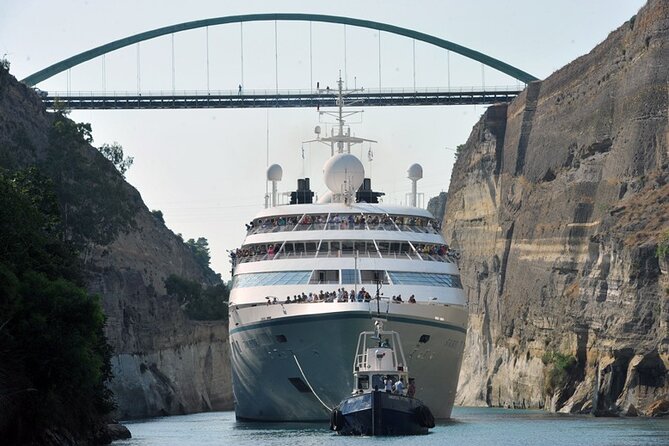
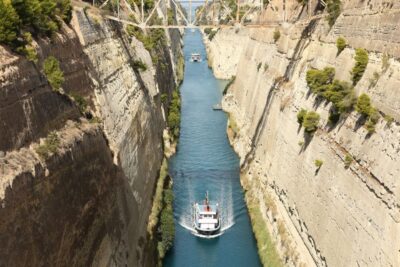
The tour kicks off with pickup from your place in Athens, and then you head straight into the Peloponnese drive. The first stop is Corinth Canal, a narrow channel that splits the Aegean and Ionian seas. It’s only about 15 minutes here, so treat it like a “get the scale” moment: look at the sides, note the width, and understand why only smaller ships still use it.
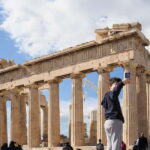
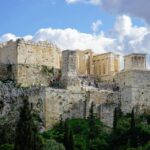
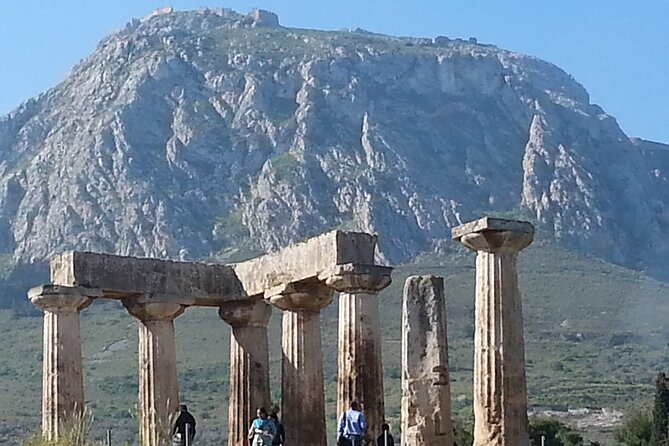
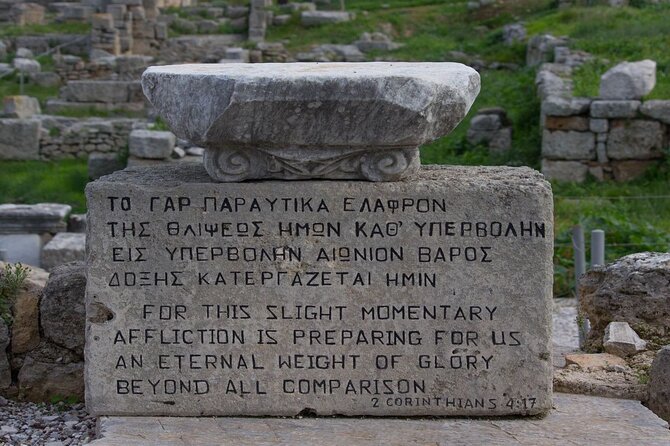
Right next door is Ancient Corinth (Archaia Korinthos). You’ll see the Temple of Apollo and key Roman-era remains, plus the forum, baths, and even the Bema associated with St. Paul’s public address. There’s also a museum on-site with artifacts from the region, which makes this stop more than just ruins-on-a-hill.
What to watch for: this day builds quickly. If you’re sensitive to heat or long walks, bring water and wear shoes you can trust on stone paths. The tour keeps the timing tight, but you do get real context at each site.
Epidaurus Theatre: where acoustics changes how you see ancient Greece
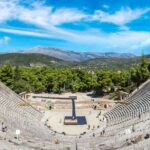
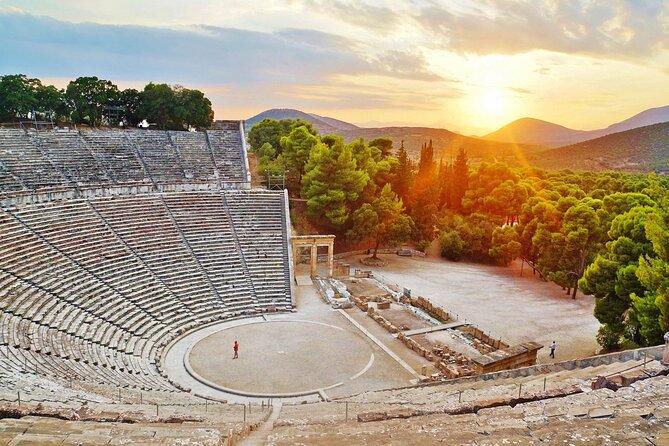
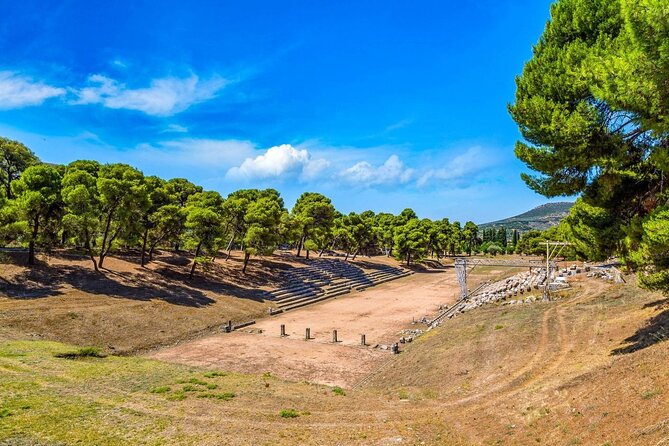
Next comes Epidaurus, the Sanctuary of Asclepios, a UNESCO site. The headline is the ancient theatre, widely praised for its preservation and acoustics. You can stand where performers once did and “test” the sound idea yourself—one of those moments that makes Greek drama feel less abstract.
Beyond the theatre, the visit includes the Tholos, Stoa of Abaton, Stadium, and the on-site museum. This is one reason the stop lasts about 1 hour 30 minutes: you’re not only looking at seats, you’re seeing the sanctuary as a whole.
Why I like this part for first-timers: it reframes “ancient” as something engineered and practical. The theatre isn’t just pretty; it’s a piece of thinking, built for human voices and crowds.
Possible drawback: it can be a tiring walk, especially if you don’t like stairs or long slopes. The good news is you’ll be moving with a driver who times the day so you’re not stuck waiting around.
Mycenae and Tiryns-country: Lion Gates to the power of ruins
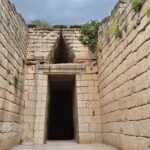
After Epidaurus, the tour goes to Mycenae, another UNESCO highlight. You enter through the famous Lion Gates, then walk through the kind of cyclopean architecture that makes Homer’s world feel closer to the ground. You’ll see royal grave areas and major monumental structures, including the Treasury of Atreus.
The Mycenae stop is about 1 hour, which is just enough for the big moments: gates, tomb area views, and the sense of a fortified kingdom. There’s also the wider “Mycenaean civilization” context woven into the site visit, which helps it click rather than staying as random stones.
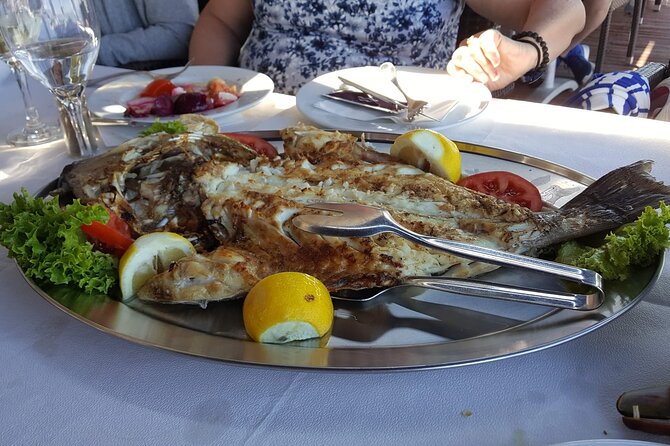
Then you get a proper break in mood: you travel to Tolo for a fresh Greek lunch by the sea, before continuing to Nafplio. Nafplio is one of those towns where you feel the switch from “ruins tour” to “real-life Greece.”
Nafplio at golden-hour pace: castles, alleys, and easy wandering
Nafplio is the kind of place you’ll want to keep walking after the official tour time. You’ll stroll Syntagma Square, pass by two old Turkish mosques, and spend time on the promenade with views of Bourtzi castle.
The pace here is also a win. Your scheduled walk time is around 1 hour, then you settle into your 4-star or boutique hotel for the night. That means you actually get a chance to enjoy the town instead of only snapping photos at the bus stop.
Tip for making this night count: plan one slow lap without a destination. Nafplio is built for that. It’s also a good place to reset before Day 2’s longer run.
You can also read our reviews of more tours and experiences in Athens




Olympia: walking the ancient Olympic world
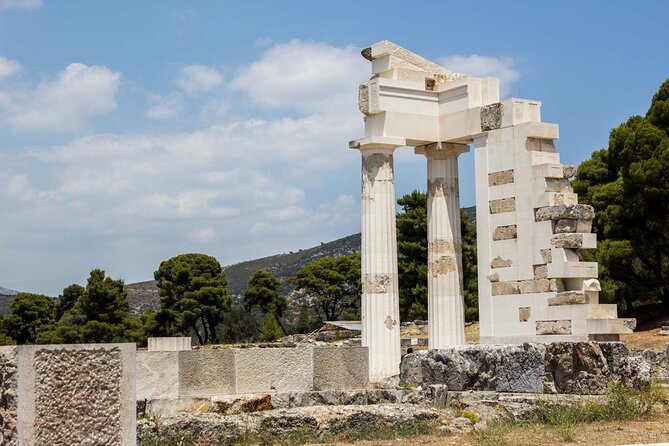
Day 2 starts with breakfast, then a 2-hour drive to Ancient Olympia, another UNESCO powerhouse. Olympia was tied to the Olympic Games, and the route through the site is easy to follow even if you’re not a history professor.
You’ll visit major structures including the Doric Temples of Zeus and Hera, the Bouleuterion, Prytaneion, Stadium, Gymnasium, Palestra, and the Workshop of Pheidias. The on-site museum matters here too, with notable works like the Nike of Paionios and the statue of Hermes and the Infant Dionysus.
The tour gives you about 2 hours at Olympia, plus the option for lunch in the modern Olympia village. This is a good time to slow down and eat something normal, because the rest of the day is more driving-and-stops.
One practical note: Olympia can feel exposed to sun. Bring sunglasses and hydrate early.
Wine stop and bridge breaks: keeping the day from feeling like a grind
After Olympia, the tour offers a free 1-hour visit to Achaia Clauss, described as the oldest Greek winery, with wine tasting. If you like learning how a place makes its identity, this is a pleasant detour from marble and stone.
Then you head toward another engineering highlight: the Rio–Antirion Bridge, completed in 2004 and connected to the idea of linking the Peloponnese with Western Greece. You’ll cross it and then shift the scenery again.
Next up is Nafpaktos (Old Port), with about 30 minutes for a stroll, coffee or tea, and that Venetian-port feel. This is the tour’s “breathe” stop—short, but visually rewarding.
Galaxidi and Delphi overnight: seaside calm before Delphi’s big day
Later in the day, you continue to the Delphi area and spend the night in either Galaxidi or Delphi, depending on availability. Galaxidi is pitched as a seaside resort with an island-like atmosphere and a calmer feel right near the Delphi region. You’ll check into your 4-star or boutique hotel with breakfast for the next morning.
This matters because Delphi can feel intense: crowds, sacred space, museum displays, and lots of information. Having a comfortable evening base helps you enjoy the next day rather than just endure it.
If you want a simple strategy: after checking in, take a short walk and eat early. Your Day 3 is packed with major archaeology and two UNESCO stops.
Delphi Archaeological Museum: start inside, then see the sacred site
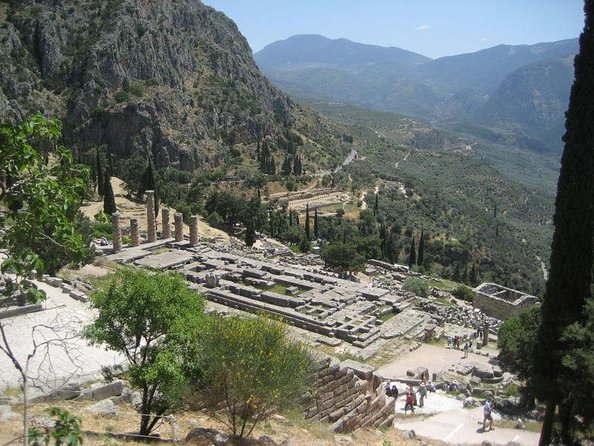
Day 3 begins with pickup to Delphi Archaeological Museum, where you’ll spend about 2 hours. Delphi is presented as the center of the ancient world, tied to leaders consulting the Pythia before major decisions. You’ll see major buildings on the sanctuary grounds too, but the museum first gives you the “why” behind the “what.”
The museum visit includes the Temple of Apollo, the Amphictyonic Council, Siphnian Treasury, theatre, Tholos, Gymnasium, and the Stadium as part of the overall site understanding. The exhibits include masterpieces like the Charioteer, the Sphinx of the Naxians, and statues of Kleobis and Biton.
Why museum-first works: at Delphi, names and treasures can blur if you start outdoors only. Seeing the key objects first makes the walk through the sanctuary more readable.
Admission note: museum and site entry fees aren’t included, so check your budget before you arrive.
Lunch and Arachova: real food stop plus a mountain village feel
After Delphi’s museum time, you’ll move on to lunch at To Patriko mas—planned for good quality, with a view over the valley and sea. Then you drive to Arachova, a well-known ski resort village that’s popular for local crafts and food.
Arachova is where you get a short culture break—about 30 minutes—including time to view local artifacts and embroidery traditions and to taste local products like formaella cheese and olives.
This is a smart change of tempo. You’re not only switching geography; you’re switching brain mode from ruins to everyday village life. It makes the day feel human instead of academic.
Hosios Loukas monastery: Byzantine art with UNESCO weight
The final UNESCO stop is Monastery of Hosios Loukas, known for its mosaics and frescoes from the early 10th century AD. You’ll see the importance of the monastery in Middle Byzantine architecture and art, including details about how frescoes in the crypt were uncovered later.
Then you drive back to Athens for drop-off at your residence, port, or airport—no extra charge mentioned for this return leg.
One thing I love about ending here: it adds a different layer of Greece. You started with classical sites and moved through a timeline of Greek power and mythology. Ending with Byzantine art makes the whole story feel longer than just ancient Greece.
Hotels, comfort, and how the ride affects the whole trip
This tour leans hard into comfort. You’re in new luxury vehicles with WiFi, A/C, and bottled mineral water, plus an English-speaking experienced tour driver providing live commentary. That combo matters more than people think, because road time can either feel like dead hours or like part of the experience.
Based on past trip feedback, the guide experience can be a major highlight. Names mentioned include Petros, Janus, and Giannis, with special praise for bringing mythology and history to life and for helpful dining and hotel choices. The result: you’re not only watching the scenery, you’re learning how it fits.
Hotels are also chosen for comfort and value: 4-star or boutique stays with breakfast for two nights, including options in Nafplio, Galaxidi, or Delphi area. That reduces the “where do we eat, where do we sleep” stress that can otherwise wreck a short itinerary.
Who this tour suits best (and who should tweak expectations)
This is a good match if you want:
- Major UNESCO archaeology without arranging multiple buses and transfers
- A mix of big names (Corinth, Mycenae, Olympia, Delphi) plus real towns to walk at night
- A private setup where it’s only your group, not a crowd-management issue
It may not be ideal if you:
- Want lots of free time at each site for slow wandering and photos
- Hate paying separate entrance fees (since admissions aren’t included)
- Prefer guided explanations by a licensed guide specifically (a licensed guide is available on request for an extra cost)
If you like structured days with comfortable logistics, you’ll feel taken care of from the airport signs to the final drop-off.
Should you book the 3-Day Peloponnese and Delphi Private Tour?
Yes, if you want a high-impact route with smooth transfers, comfortable vehicles, and two hotel nights built in. The itinerary hits the big antiquity sites people come to Greece for, and it also gives you enough town time to remember this trip wasn’t only about standing in lines.
Book it especially if you value a guide who can connect the ruins to stories. Past experiences strongly emphasize that the driving commentary can be a standout, with guides like Petros, Janus, and Giannis specifically praised for making mythology and Greek history feel clear and fun.
Hold off or plan carefully if you budget tightly for entrance fees and meals. Since those costs aren’t included, your total spend will be higher than the headline price.
If you’re ready for a packed-but-manageable three days, this is one of the more practical ways to link Peloponnese legends and Delphi’s oracle world without logistical chaos.
FAQ
Are archaeological site admission fees included?
No. Admission fees into archaeological sites are not included, so you should budget extra for museum and site entry.
Do I get pickup and drop-off from Athens?
Yes. You’ll be picked up for free from Athens airport, ports, hotels, or Airbnb in Athens and suburbs, and you’ll also be dropped off after the tour.
What does the price include?
The tour includes two nights in a 4-star or boutique hotel with breakfast, free 2-way transfers, a luxury vehicle with WiFi/A-C/bottled water, and a professional English-speaking tour driver with live commentary.
Is the tour private?
Yes. It’s a private tour/activity, so only your group participates.
Are meals included?
Lunches are not included unless you take the lunch option shown during the schedule. Drinks and dinners are not included either. A lunch stop is planned on Day 3 at To Patriko mas.
Is the tour offered in English?
Yes. The tour is offered in English. A licensed guide is available on request for an extra cost.
You Might Also Enjoy

More Private Tours in Athens

More Tours in Athens



More Tour Reviews in Athens
- All Day Cruise -3 Islands to Agistri,Moni, Aegina with lunch and drinks included
★ 5.0 · 4,958 reviews