REVIEW · ATHENS
3-Day Ancient Greek Archaeological Sites Tour from Athens
Book on GetYourGuide →Operated by Key Tours · Bookable on GetYourGuide
Three days, and Greece feels like one story. I like how this tour strings together the biggest names of ancient Greece with a guide who makes the myths make sense, not just memorize. You get the Corinth Canal stop and the Epidaurus theater, two sights that feel like real engineering and real science, not just ruins.
I also like the way the day-to-day route gives you enough time in each place to actually notice details—columns, theaters, museum objects—before the next drive starts. The included guide, entrances, and dinners make it easy to focus on the sites instead of planning every minute.
One consideration: this is a fast, full schedule, and the outdoor parts (especially at Olympia and Delphi) can mean long hours under strong sun. If you travel in warm months, pack for heat and plan to be flexible with shade.
In This Review
- Key Highlights You’ll Actually Feel
- Athens to the Corinth Canal: Your First Big Win Is the Drive
- Epidaurus Theater: When Stones Teach Your Ears
- Nafplia’s Character Break and Mycenae’s Citadel Reality Check
- Olympia: Doric Columns, the Stadium Bones, and the Flame Altar
- The Corinthian Bay Bridge Ride: Coastal Views to Reset Your Brain
- Delphi Day: Oracle Grounds, the Big Theater, and Museum Payoff
- Price and Logistics: Is $506 Good Value?
- Guides, Group Size, and the Pace You Must Be Ready For
- Who This Tour Fits Best (and Who Might Prefer Something Slower)
- Should You Book This Ancient Greece Tour?
- FAQ
- What’s included in the 3-day tour price?
- Is lunch included?
- Are hotel taxes included?
- Is pickup from Athens hotels included?
- Is this tour wheelchair accessible?
- What’s the cancellation window?
Key Highlights You’ll Actually Feel
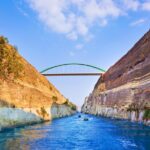
- Corinth Canal on the Saronic Gulf: a 19th-century engineering feat you see up close, not as a quick photo line.
- Epidaurus theater acoustics: you’ll understand why people still talk about its sound.
- Mycenae and the Tomb of Agamemnon: the citadel ruins connect myth to layout and scale.
- Olympia’s Olympic Flame altar: sacred ground plus the museum across the way.
- Delphi’s Oracle area and big theater views: myth, theatre, and sweeping landscapes from the hilltop.
- Small-group comfort: I’ve seen groups around nine people, which helps you bond and move with less hassle.
Athens to the Corinth Canal: Your First Big Win Is the Drive
Day one starts after pickup from most centrally located Athens hotels (or you can meet the supplier’s office if that’s easier). Then you roll out by air-conditioned bus, and that matters more than you’d think. You’re about to do long days, curvy roads, and outdoor walking, so arriving already cooled off and oriented helps.
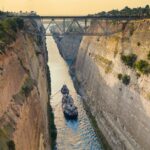
Before you get buried in ruins, you make a smart early stop: the Corinth Canal. This isn’t a “pass-by” landmark. You pause to admire the waterway cut through the Saronic Gulf area and the sheer ambition of the 19th-century engineering. Even if you’re not a history-nerd, you’ll probably find yourself staring at the cut and thinking how hard that had to be—then you’ll see why Greeks later built so much around geography, travel, and defense.
As you keep driving, the tour gives you a sense of place instead of just a list of sites. You’ll get myth context and cultural notes during the ride, so the road itself starts to feel like part of the story, not just time between stops.
You can also read our reviews of more tours and experiences in Athens
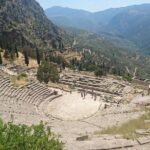


Epidaurus Theater: When Stones Teach Your Ears
The Epidaurus ancient theater is one of those sites that sounds hyped—until you stand there. The reason it’s famous is acoustics, and the tour sets you up to look for what matters: how the space is shaped and why performances mattered in a culture where public gatherings were central.
You’ll walk through the theater area with your guide pointing out the layout and the logic behind the design. And then you get the practical payoff: even when you’re just standing in rows, you start to understand how people could hear and see. The site is outdoors, so arrive ready for sun, bring a hat, and keep water handy.
This stop also sets the tone for the whole trip. After Epidaurus, the rest of the days feel less like random sightseeing and more like a connected theme: where people gathered, where they performed, where they prayed, and how power showed up in stone.
Nafplia’s Character Break and Mycenae’s Citadel Reality Check
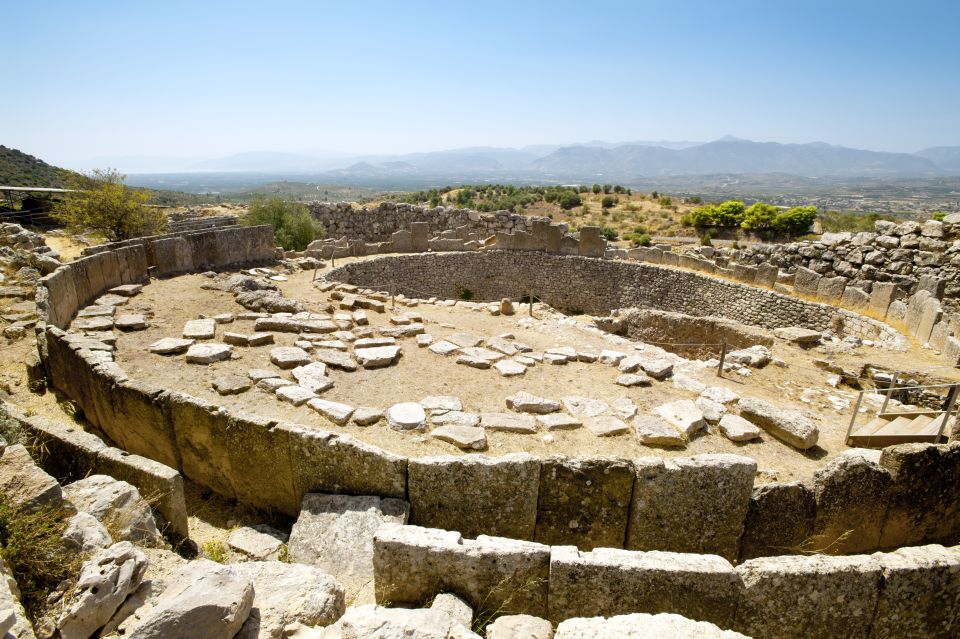
After Epidaurus, you head to Nafplia, with a drive through the plain of Argos along the way. Nafplia is a pleasant break from the heavier archaeological pace. It’s also a small reminder that Greece isn’t only ancient fragments. You’re in a living country with towns, street life, and modern rhythms beside the old world.
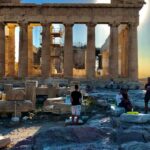
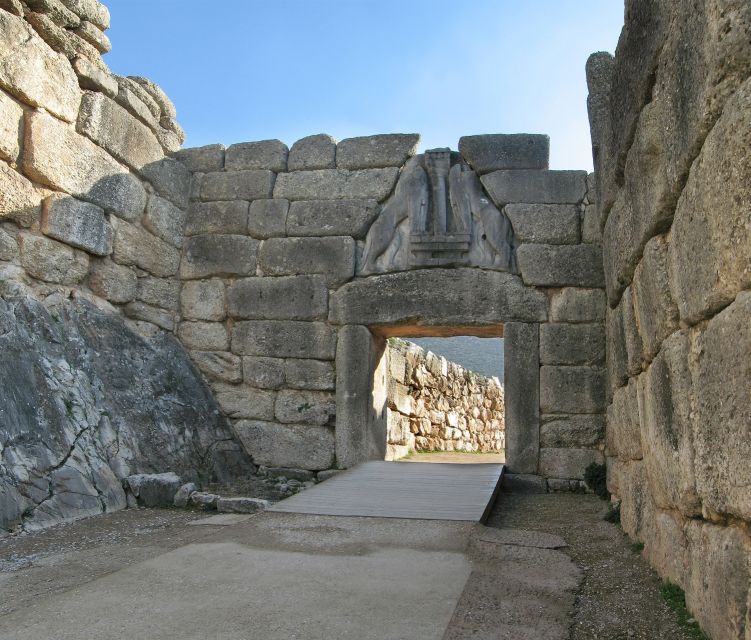
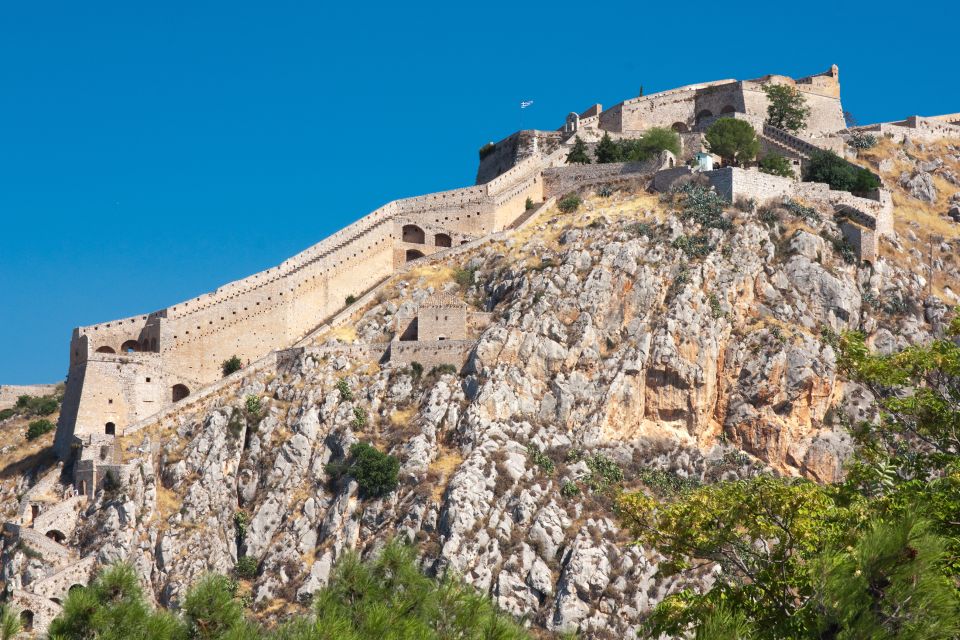
Then comes the big one: Mycenae—the ruins of the citadel and the Tomb of Agamemnon. This is where you’ll feel the difference between reading myth and seeing the built environment that myth grew from. Mycenae’s scale hits you as you look at fortification remains and try to imagine the citadel when it was intact.
The guide’s job here is key. You get enough context to connect the stories you’ve heard—especially the hero-tales—to what you’re actually standing in front of. And you also get time to explore at your own pace, which helps because Mycenae is one of those places where small details matter: wall lines, viewpoints, and the overall geometry of a fortified site.
Then you continue on toward Olympia for the night, traveling via Tripolis and Megalopolis with short stops to stretch and reset. Those breaks are not fluff. They keep day two from turning into one long, exhausted shuffle.
Olympia: Doric Columns, the Stadium Bones, and the Flame Altar
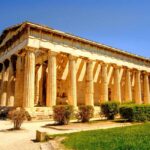
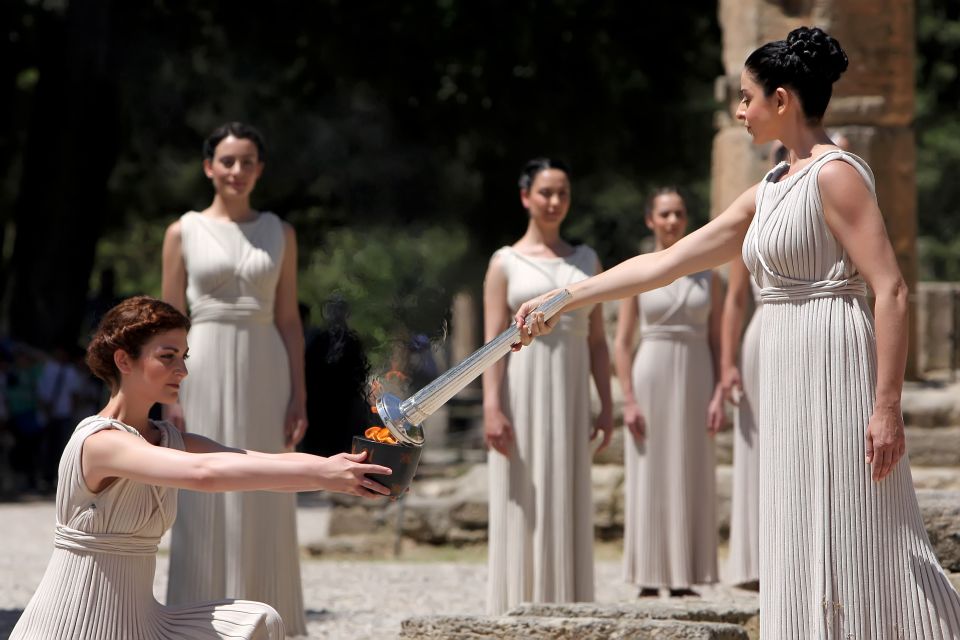
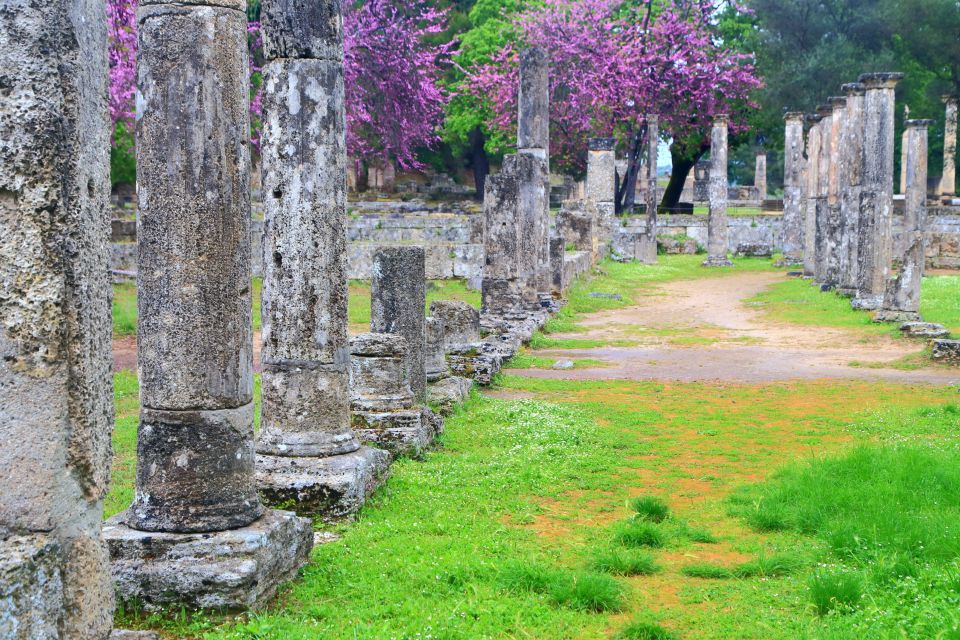
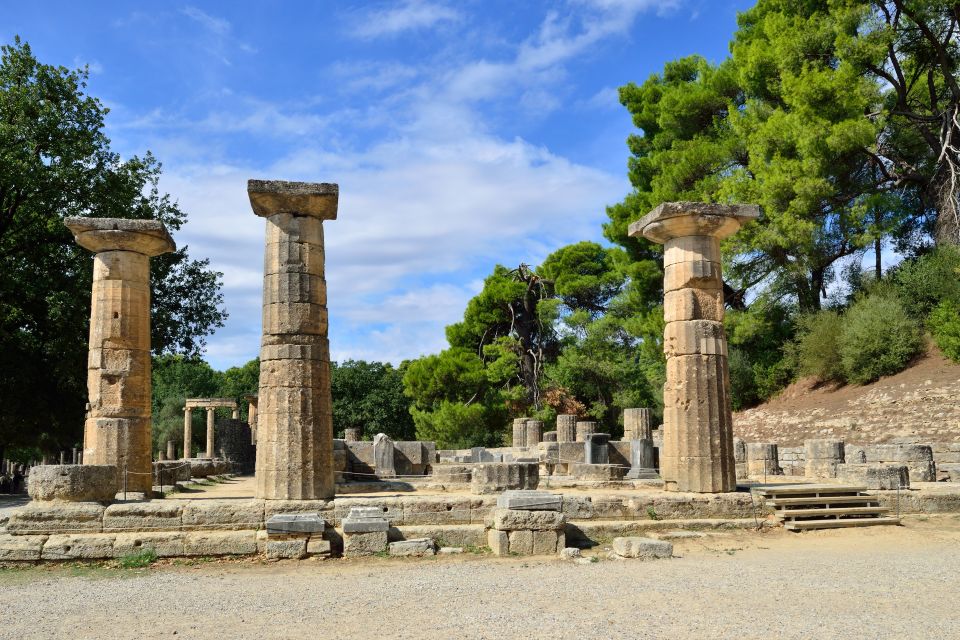
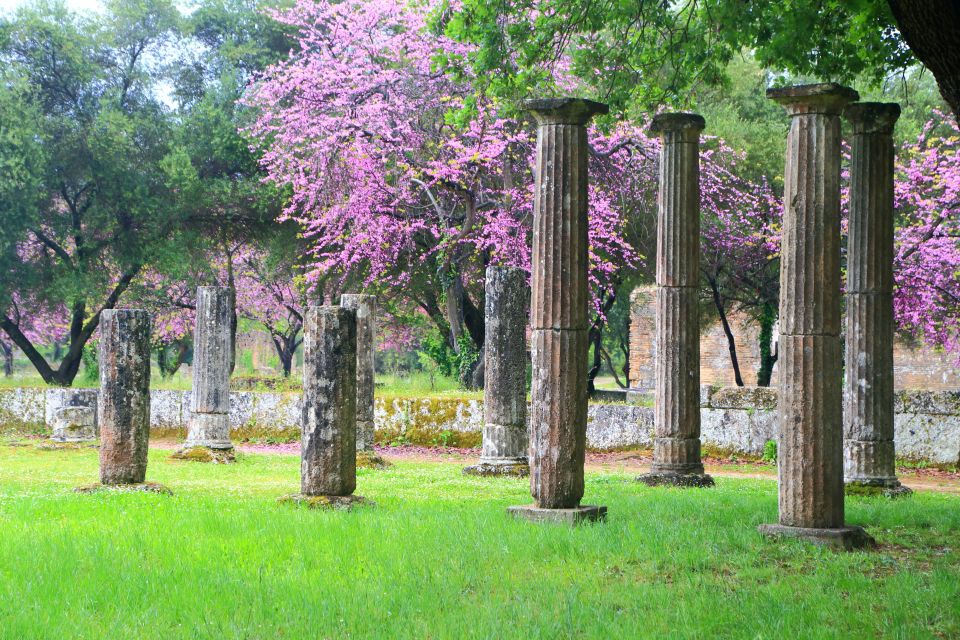
Day two begins at Olympia, the classical home of the Olympic Games and a sacred place in ancient Greek religion. The tour doesn’t treat Olympia like a single photo stop. You move through the major areas with time to notice the layout: temples, stadium remains, and the museum.
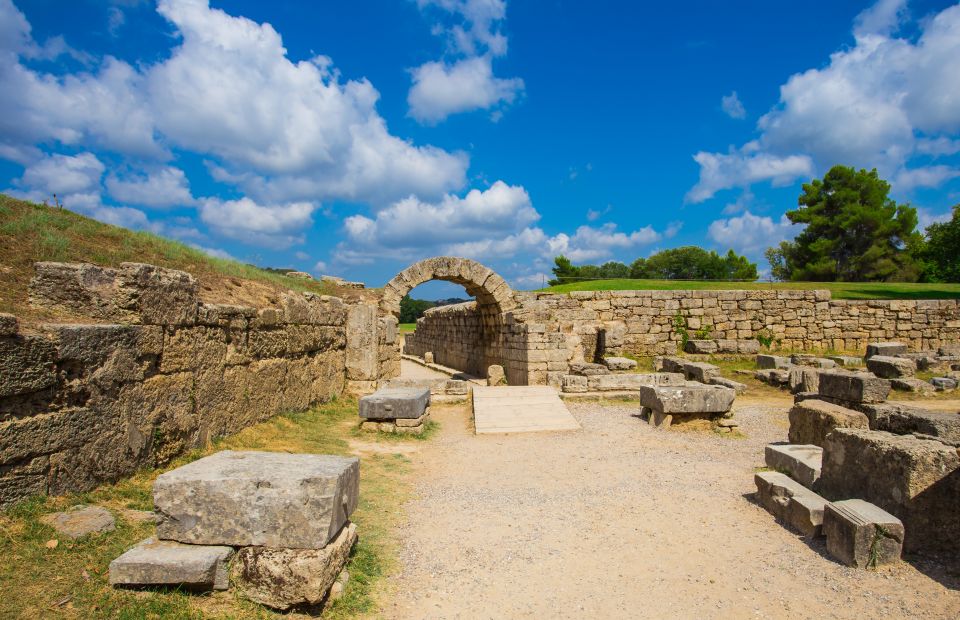
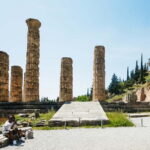
The highlights you’ll focus on include the Dor ic columns of the Temples of Zeus and Hera, the remains of the stadium, and the altar of the Olympic flame. That last part can feel symbolic in a modern way, but standing there helps you see it as part of an older sacred tradition—ritual attached to sport.
A big practical plus: the Archaeological Museum of Olympia sits right opposite the site. That means when your eyes get tired from sun and stone, you get artifacts that explain what you’re seeing. Museums like this are where the story solidifies. You don’t just leave with an impression; you leave with objects that anchor it.
Heat matters here. Olympia is outdoors, and I’d plan your visit like a summer hike: hat, sunglasses, sunscreen, and a calm attitude about shade. One guide I’ve experienced on similar dates ran the show with smart pacing, calling attention to where to pause and where to keep moving.
The Corinthian Bay Bridge Ride: Coastal Views to Reset Your Brain
After Olympia, you leave for Delphi by crossing from Rion to Antirion via the bridge over the Corinthian Bay. This is more than a transfer. It’s a visual reset that breaks up the day and gives you a moment to look out at the water and surrounding terrain.
On the coastal road, you pass the charming harbor town of Nafpaktos. You’re not there long, but it helps you remember that Greece isn’t only “ancient Greece.” It’s also a coast, with small towns and daily life running right alongside the historic layers.
In the afternoon, you stop in the mountain village of Arachova on the slopes of Parnassus. This stop often becomes one of those “I’m glad we paused” moments—because it adds variety. Then you overnight in Delphi, ready for the full focus day three demands.
- All Day Cruise -3 Islands to Agistri,Moni, Aegina with lunch and drinks included
★ 5.0 · 4,958 reviews


Delphi Day: Oracle Grounds, the Big Theater, and Museum Payoff
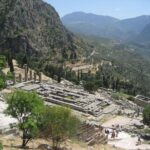
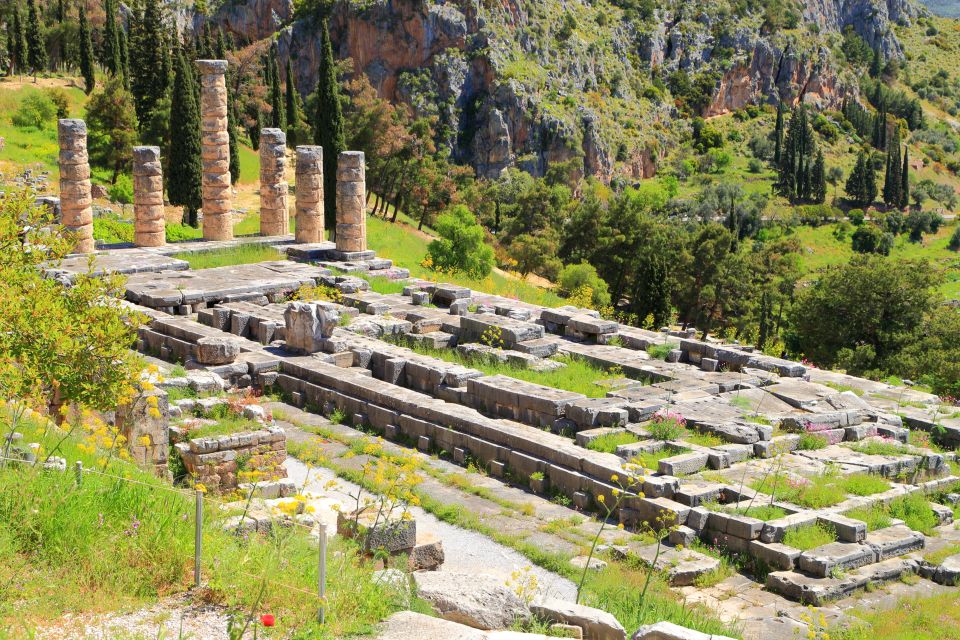
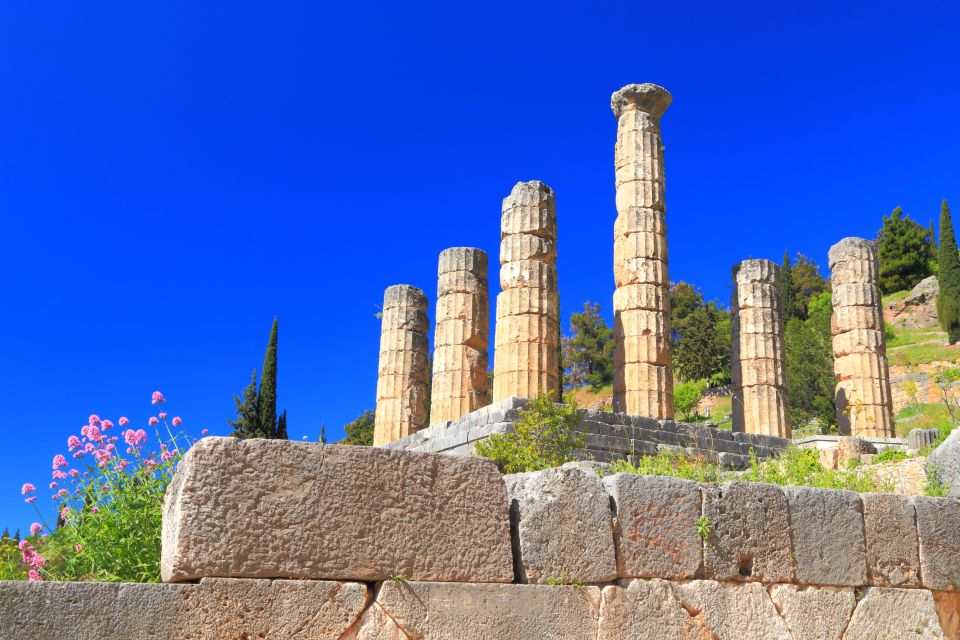
If Olympia is sport and ritual, Delphi is about prophecy and cosmic order. You’ll feel it as soon as you start hearing the backstory: Delphi’s sacred role in the ancient world, the link to worship of Gaia (Mother Earth), and the myth of Python and Apollo.
The tour brings you through the Temple of Apollo area, where the Oracle was central. Even if you’re not chasing facts like a scholar, you’ll likely appreciate the way the guide explains why people traveled here, what the place represented, and how the setting helped people believe.
Then there’s the ancient theater. It could hold up to 5,000 spectators, and that number becomes real once you’re up there. The views over the valleys and the Parnassus Mountains are part of the “why” of Delphi. People didn’t just build temples; they chose dramatic locations that made the spiritual feel close to the sky.
And yes, you also get the museum time. The Archaeological Museum of Delphi collects and displays artifacts tied to the site, so you can connect what you saw outdoors with what you learn indoors. This museum is often where the trip stops feeling like “three days of ruins” and starts feeling like a coherent understanding of how ancient Greeks thought.
On the return day to Athens, the bus route gives you final glimpses of the vine and olive tree-studded hills and the Valley of Phocis. That helps the trip end on a calmer note instead of ending mid-adrenaline.
Price and Logistics: Is $506 Good Value?
At $506 per person for three days, you’re paying for a bundle: a live English guide, entrance fees, air-conditioned bus transfers, and breakfast plus dinner at the hotel. You’re also paying for the “time tax” of getting between distant sites efficiently—something you’ll feel if you try to copy the plan independently.
Here’s how it shakes out in plain terms:
- You’re not juggling separate tickets for museums and ruins, which is a big deal when day schedules get tight.
- Hotel costs are baked in (3-star or 4-star depending on your option), so you’re less likely to end up hunting for last-minute rooms.
- You get dinners included, which matters because rural dining options near major sites can be hit-or-miss depending on the day.
What’s not included: lunch, drinks, personal expenses, and hotel tax. Hotel tax is small, but you should budget it. The tour notes:
- 3-star hotels: €5 per room/per night
- 4-star hotels: €10 per room/per night
So if you’re comparing price, compare it to the total cost of hotel + guide + transport + entrances, not just the ticket price. For a first-time “greatest hits” run, this one usually makes financial sense.
Guides, Group Size, and the Pace You Must Be Ready For
The tour lives and dies by the guide. In the experiences I’ve had, guides like Anna and Panos, Marianna Tsigaridou, Dimitris, and Christine (and others) consistently use myths to explain the real-world choices behind the ruins. It’s not only telling stories. It’s also pointing out what to look for, when to slow down, and where you can sit if the heat pushes hard.
Group size helps too. I’ve seen it run like a small group setup (one group of nine comes to mind). That means it’s easier to keep track of meeting times, and you’re more likely to chat with people on the bus instead of feeling like you’re trapped in a crowd.
Pace is the tradeoff. You’ll be moving daily between major sites, and you’ll need to accept that you can’t see everything at microscope level in three days. One real-world reminder: take pictures as you go because there often isn’t time to return for a second pass if you miss a detail. If you’re the type who reads every inscription, plan to accept that you’ll prioritize what the guide marks as most important.
One last practical note: food needs can be handled. On at least one run, a guest with celiac disease was accommodated with gluten-free options at the meals included.
Who This Tour Fits Best (and Who Might Prefer Something Slower)
This tour is a strong match if:
- you want a first-time overview of classical Greek archaeology across multiple regions
- you like myth tied to real places (not separate from them)
- you’d rather ride with a guide and handle logistics than map transfers yourself
- you want museum time with your outdoor time, so the story sticks
You might not love it if:
- you prefer slow travel and lots of free hours in one spot
- you get cranky with long drive days and outdoor heat
- you need wheelchair access (it’s not suitable for wheelchair users)
Should You Book This Ancient Greece Tour?
I’d book it if you want the fast, high-value path to three of Greece’s biggest archaeological names: Mycenae, Olympia, and Delphi. The combination of ancient sites, museum stops, and a guide who connects myth to layout is exactly what makes this kind of route worth paying for.
But if you’re traveling during hot months or you hate sun-soaked walking, go in with realistic expectations and bring sun protection. This isn’t a leisurely stroll. It’s a focused, well-run sprint—one that pays off once the stories and stones click together.
If your goal is an efficient introduction that still feels human, not rushed and not random, this is a very solid pick.
FAQ
What’s included in the 3-day tour price?
The tour includes a live English guide, accommodation in a 3-star or 4-star hotel (based on the option you choose), entrance fees, transfers by luxury air-conditioned bus, and breakfast plus dinner.
Is lunch included?
Lunch is not included. Breakfast and dinner are included, while lunch is for you to arrange on your own.
Are hotel taxes included?
Hotel tax is not included in the price. It’s paid directly to the hotel: €10 per room/per night for 4-star hotels and €5 per room/per night for 3-star hotels.
Is pickup from Athens hotels included?
Yes. Free pickup is available from most centrally located hotels in Athens on request. Pickup happens about 1 hour before departure; you can also meet at the supplier’s office 15 minutes before departure.
Is this tour wheelchair accessible?
No. The tour is not suitable for wheelchair users.
What’s the cancellation window?
You can cancel up to 24 hours in advance for a full refund.
You Might Also Enjoy

More 3-Day Experiences in Athens

More Tours in Athens


More Tour Reviews in Athens
- All Day Cruise -3 Islands to Agistri,Moni, Aegina with lunch and drinks included
★ 5.0 · 4,958 reviews