REVIEW · ATHENS
Private Biblical Tour of Ancient Corinth & Isthmus Canal
Book on GetYourGuide →Operated by Ancient Greece Tours and Transfers · Bookable on GetYourGuide
Corinth feels close to the Bible story. This private day ties Corinth to the dramatic modern engineering of the Corinth Canal, with views that make history feel physical, not dusty. I like the focused pacing (you’re not stuck in a big group shuffle) and the chance to walk parts of the site tied to Paul’s ministry, from the Agora to the Bema. One consideration: entrance tickets and an optional licensed site guide cost extra, since the driver can’t escort you inside the museum and archaeological areas.
You start with a drive from Athens, then move through the canal, the ancient Diolkos boatway, the citadel of Acrocorinth, and the main archaeological/museum complex. You’ll end at Kechries, Corinth’s port area, and then head back to Athens in a modern private vehicle with A/C, Wi‑Fi, and bottled water.
In This Review
- Key things I’d plan around
- A Private Day Following Paul from Corinth to the Canal
- Corinth Canal and Diolkos: Ships Then, Ships Now
- Acrocorinth Citadel: 1,886 Feet of Walls, Views, and Power
- Ancient Corinth: Agora, Bema, and the Temple Area
- The Museum at Ancient Corinth: Where Artifacts Tie It All Together
- Lunch in Corinth with Temple Views or a Seaside Choice
- Kechries Port: Following the Footsteps Toward Ephesus
- Price and Logistics: What You Pay For, What Costs Extra
- Who This Tour Fits Best
- Should You Book This Private Biblical Tour of Corinth and the Isthmus Canal?
- FAQ
- FAQ
- What is the duration of the tour?
- How much is the entrance fee for Ancient Corinth and the museum?
- Does the tour include a licensed guide inside the sites?
- Are the tickets for sites included, or do I pay separately?
- Where can pickup and drop-off happen?
- Is the tour private?
- Is there a skip-the-ticket-line option?
- What language is the tour in?
- What should I bring for the day?
Key things I’d plan around
- Corinth Canal + Diolkos: modern ships and ancient boat-hauling explained in one logical route.
- Acrocorinth’s citadel views: a high-walled fortress setting where Paul’s world becomes geography you can see.
- Paul’s built-in stops: Agora preaching grounds, the Bema, and the Temple area.
- Museum time that fills gaps: artifacts help you connect what you’re seeing outside.
- Kechries port ending: the day closes with Paul’s next journey direction toward Ephesus.
- Private vehicle comfort: A/C, Wi‑Fi, bottled water, plus pickup and drop-off handled for you.
A Private Day Following Paul from Corinth to the Canal
This is the kind of tour that works because it’s one coherent arc. You don’t just hop from one ancient ruin to another; you move through the water routes and hilltop defenses that shaped Corinth’s role in the ancient world.
The tour is private, so you can go at your group’s pace instead of racing. And the driver is an English-speaking professional who’s well-versed in Greek history, which matters because Corinth is one of those places where names and places can blur together fast.
The only real downside is that you may want more on-the-spot interpretation once you’re inside sites and the museum. The driver can’t accompany you into archaeological areas as a licensed guide, so if you’re the type who wants line-by-line explanations while you look at artifacts, you’ll likely add a licensed guide for the museum and site.
You can also read our reviews of more private tours in Athens


Corinth Canal and Diolkos: Ships Then, Ships Now
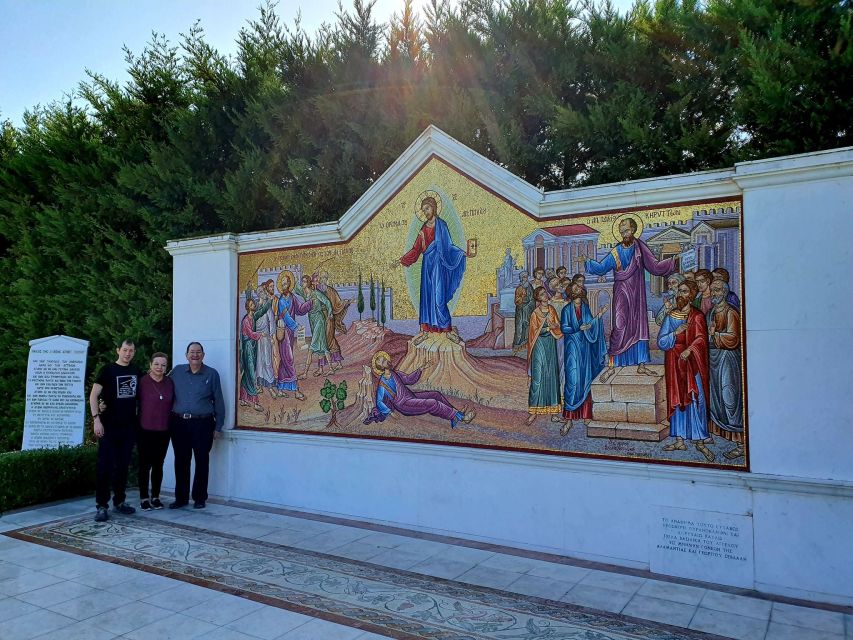
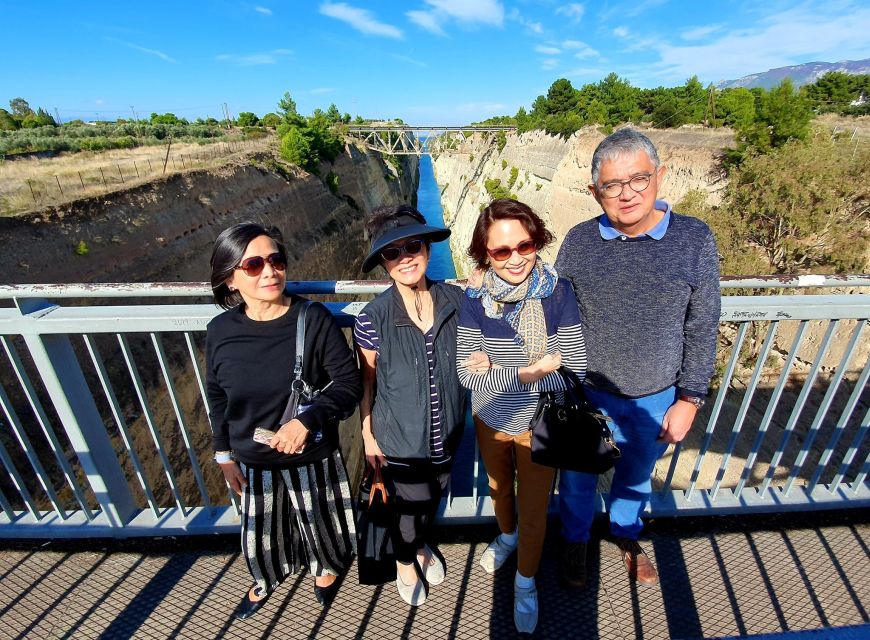
The day begins with a trip to the Corinth Canal, the modern cut that links the Corinthian Gulf and the Saronic Gulf. Even if you’ve seen photos, standing near it helps you grasp why this corridor mattered: it turns a long sailing route into something much shorter.
Next comes the Diolkos, an ancient paved limestone boatway. You’ll hear how boats (pulled with muscle and animals) were hauled across land to avoid the long way around. This stop is more than a curiosity; it’s a “how travel really worked” lesson that makes the later port area at Kechries feel like the same story.
Practical tip: wear shoes you trust. This is a working historical area, and you’ll do a mix of walking and standing for viewpoints while the explanation lands.
Acrocorinth Citadel: 1,886 Feet of Walls, Views, and Power
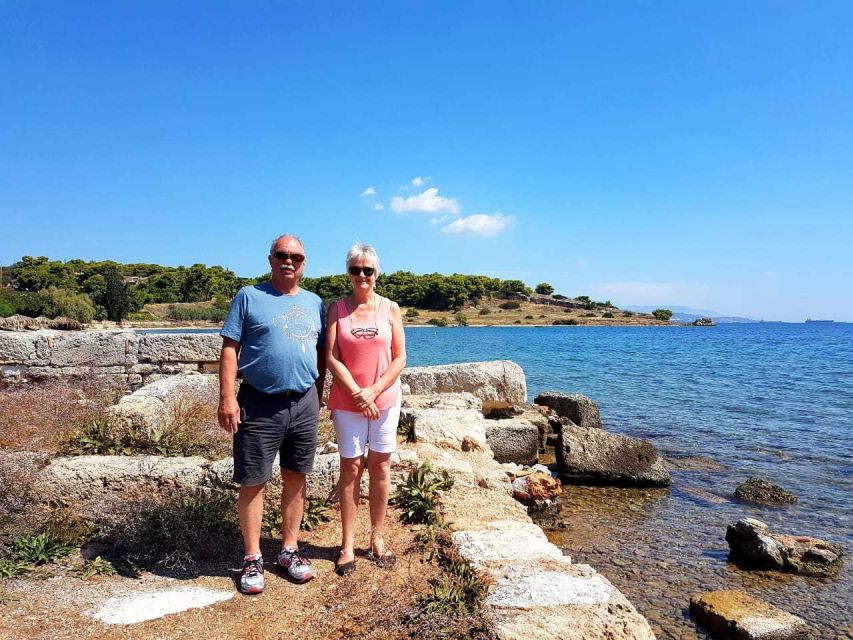
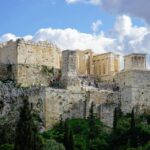
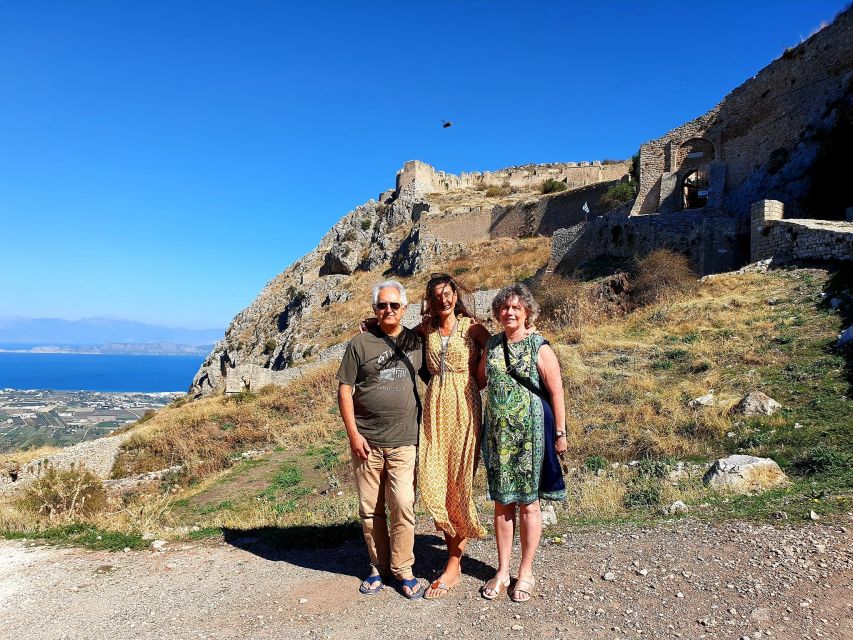
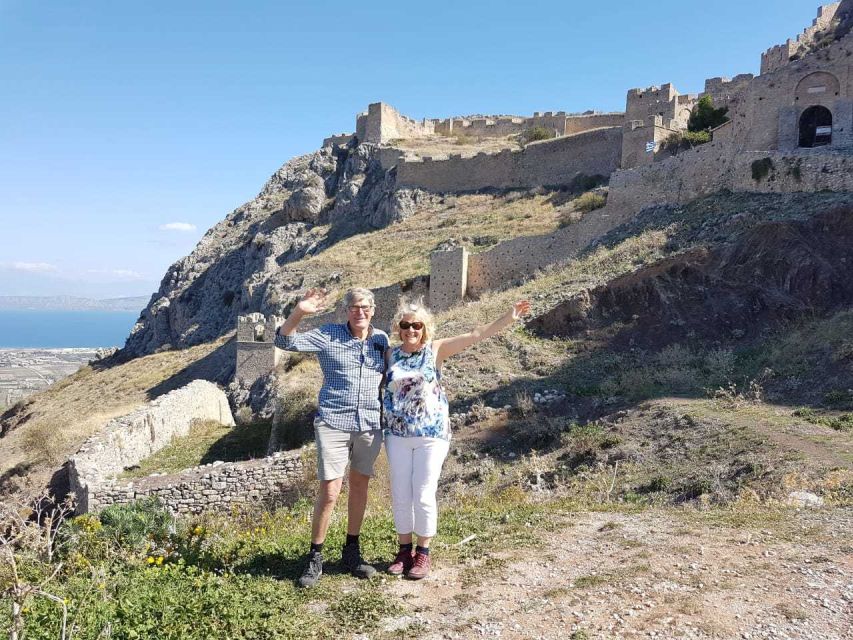
Then you climb into Acrocorinth, the hilltop citadel often treated as Corinth’s dramatic natural fortification. It sits on a monolithic rock about 1886 ft above sea level, ringed by long stretches of walls, with a keep and three gates. The height isn’t just impressive on a map; it’s how you understand control of routes, trade, and defense.
You’ll spend about an hour here, and that time is valuable because views are part of the lesson. When you can look out over where roads and seas meet, the ancient city stops feeling abstract.
One more thing I like: this stop gives your brain a break from “museum viewing mode.” You’re outside, taking in the setting, and the explanation tends to make sense of why Corinth mattered even when the original world is gone.
Ancient Corinth: Agora, Bema, and the Temple Area
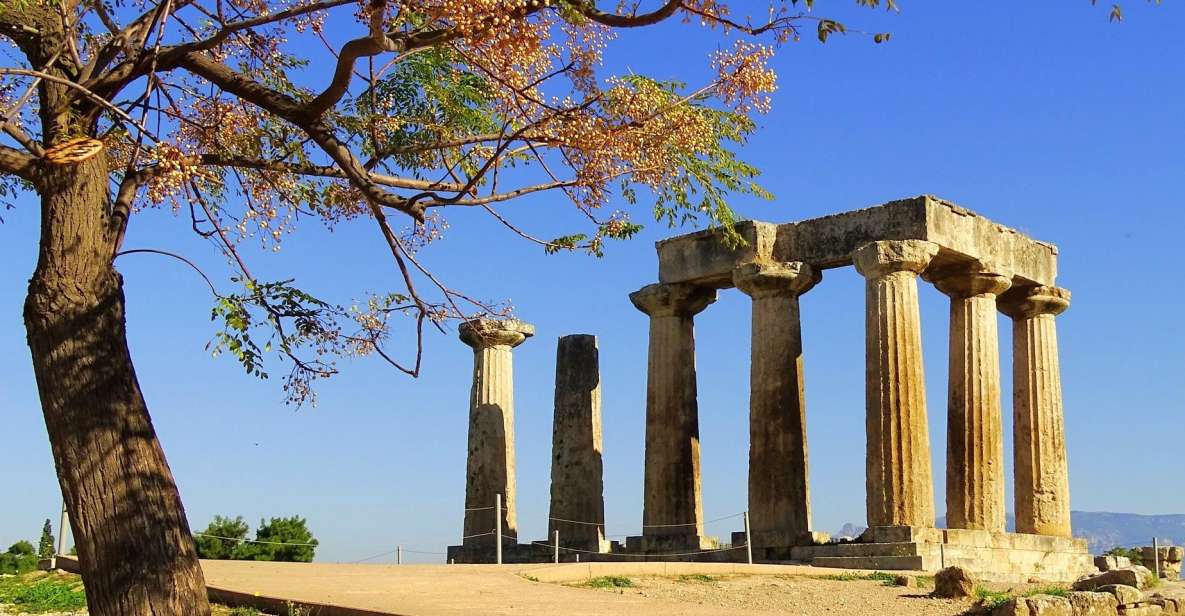
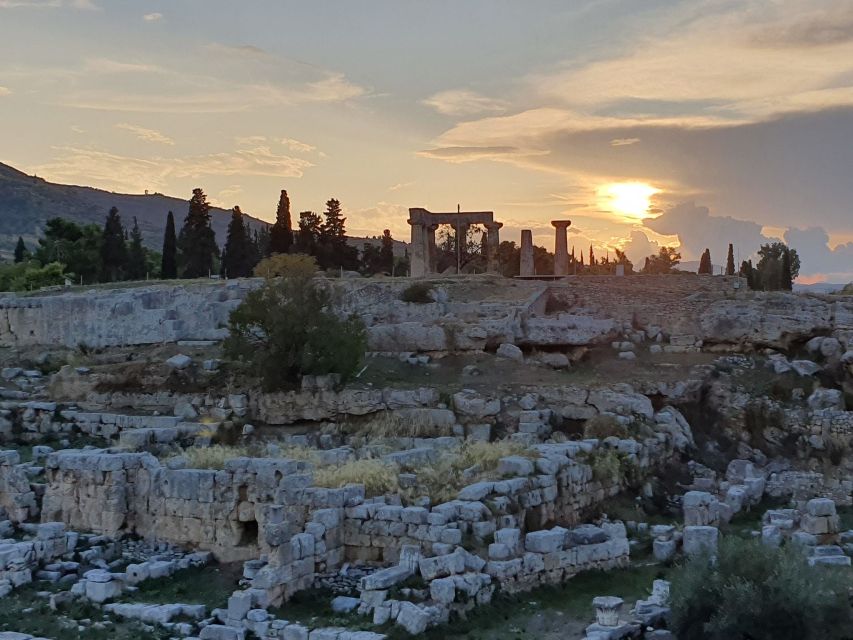
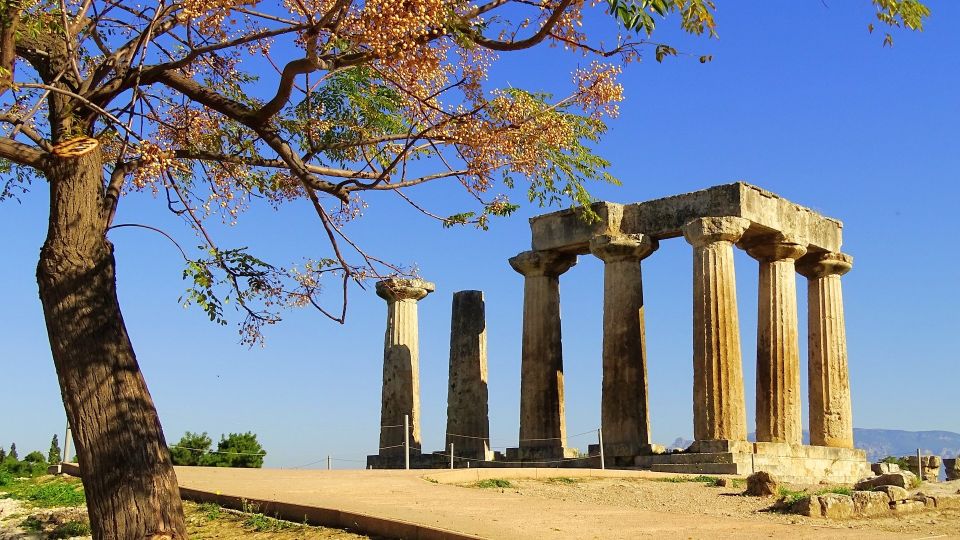
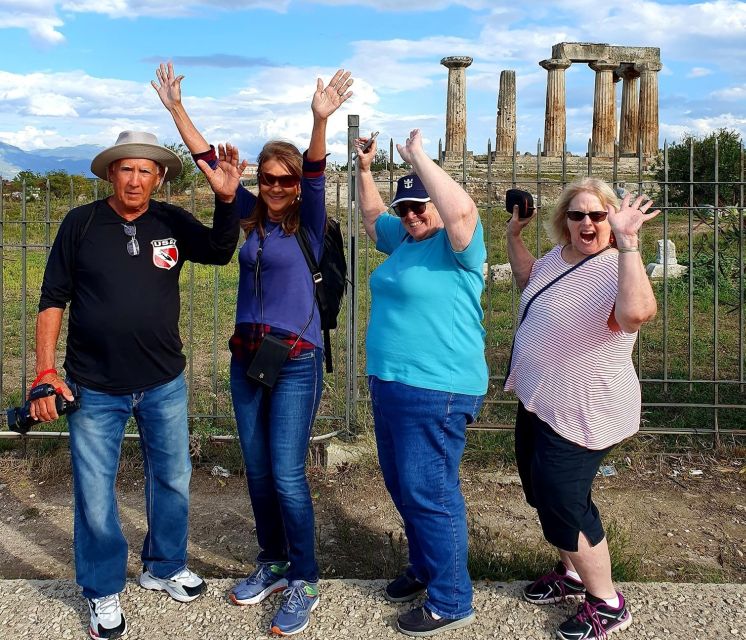
After Acrocorinth, you shift into the core of ancient Corinth. You’ll spend time at the archaeological zone and see major landmarks tied to the biblical timeline and early Christian life, including the Agora, the Bema (judgment seat), and the area around the Temple of Apollo.
The Agora is where Paul’s public preaching and everyday movement intersect. The Bema is especially gripping because it connects to a known moment: Paul brought before Gallio (as the tour frames it). If you’ve ever wondered why the Bible mentions legal settings and public institutions, this kind of place makes that detail concrete.
You’ll also encounter other named features as part of the site walk, such as the Fountain of Glauke, the Sacred Spring, Peirene, the Asklepieion, and the Odeion. Not every stop will feel equally meaningful at first glance, but the way the driver sets them into context is what helps the geography click.
A gentle caution: archaeological sites can be uneven and sun-exposed. Bring sunscreen and plan for a slower pace if your group needs it.
The Museum at Ancient Corinth: Where Artifacts Tie It All Together
The tour includes a substantial museum visit, about 100 minutes, which is exactly the right amount. I like that you don’t leave immediately after walking outdoors; the museum time fills in what the stones can’t explain on their own.
You’ll see artifacts that give more depth to what you’re standing near—so the streets, civic buildings, and religious areas start to feel like a lived place rather than a list of points. If you’re a details person, this is where the day rewards you.
Also, since the driver can’t replace a licensed museum guide inside, you might add a local licensed guide if you want deeper explanation while you’re looking at specific objects. In past experiences like these, that extra guide time tends to be worth it because museum context can be specific and technical.



Lunch in Corinth with Temple Views or a Seaside Choice
You’ll get free time for lunch for about 80 minutes. The tour offers options, including a traditional Greek meal with views of the Temple of Apollo area, or a seaside restaurant near the Baths of Helen of Troy.
This is one of those practical add-ons that turns a “see the sights” day into an actual experience. You’re not eating on the run between checkpoints. You’re slowing down while the setting is still part of the day.
If you have a sensitive stomach or limited meal choices, pick the option that matches your comfort level and keep water nearby. The tour includes bottled water during transit, but you’ll still want to drink during museum and site time.
Kechries Port: Following the Footsteps Toward Ephesus
You end at Kechries, Corinth’s port area. The tour frames it through St. Paul’s departure from Corinth in 53 AD, when he traveled toward Ephesus with Aquila and Priscilla.
This final stop works because it gives the day a direction. You’ve been learning how people and goods moved through land routes and waterways; then you land at the sea side and tie it to what “leaving Corinth” likely meant.
The port stop also helps you connect the broader theme of the day: Corinth wasn’t just a religious stop in a text. It was a crossroads shaped by water routes, hauling systems, and defense on high ground.
Price and Logistics: What You Pay For, What Costs Extra
At $273 per person for an 8-hour private tour, this is priced as a serious day trip, not a quick overview. Here’s what you’re paying for: a private vehicle with A/C and Wi‑Fi, pickup and drop-off from Athens (Corinth is also listed as an option), and a driver who can explain the “why” behind each stop.
What costs extra:
- Entrance fees for the archaeological site and museum are about 15€ per person
- A licensed tour guide inside the sites/museum is available on request for an additional cost
- Food and drinks are not included
So is it value? If you want a structured day, with a driver who can connect biblical references to places like the Agora and Bema, you’re getting a lot of interpretation time without the stress of arranging transport. And if you add the licensed guide, you effectively upgrade the most detail-heavy portion of the day.
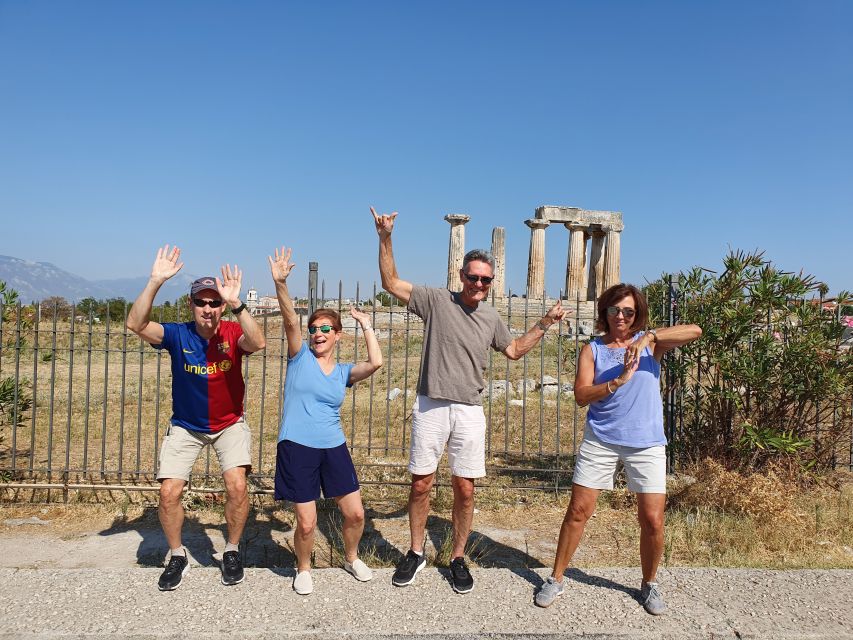
Two comfort notes from past experiences with this kind of setup: people have commented on drivers arriving with thoughtful touches like water, sanitizer, and even small welcome treats, plus using photo-friendly photo spots and taking pictures to share after the tour.
Who This Tour Fits Best
This is a strong fit if you:
- Want a private schedule with real explanation, not just a checklist of ruins
- Care about the biblical map—Paul’s stops, legal setting, ministry locations, and then the direction of travel
- Like combining engineering and ancient infrastructure, since the canal and Diolkos are built into the route
It’s also a good match for people who dislike rushing. The pacing here is designed to give you time to look, ask questions, and breathe between stops.
If you’re a hardcore site-nerd who wants every inscription decoded while you’re looking at it, you’ll likely appreciate adding a licensed guide for the archaeological site and museum.
Should You Book This Private Biblical Tour of Corinth and the Isthmus Canal?
I’d book it if you want one day that actually connects Corinth—Bible details, street-level places, museum context, and the mechanics of travel from sea to land. The pairing of the Corinth Canal, the Diolkos, and the port of Kechries makes the story feel complete.
I’d think twice only if you want “all-in” pricing with zero add-ons. Between entrance fees and the optional licensed guide, the final total can climb. But if you’re aiming for value through time saved and understanding gained, this tour is built for that.
FAQ
FAQ
What is the duration of the tour?
The tour lasts about 8 hours.
How much is the entrance fee for Ancient Corinth and the museum?
Entrance fees are listed as about 15€ per person for both the archaeological site and the museum in Ancient Corinth.
Does the tour include a licensed guide inside the sites?
The tour driver is an English-speaking driver and history explainer, but they are not licensed to accompany you inside the sites and museum. A licensed tour guide can be added on request for an extra cost.
Are the tickets for sites included, or do I pay separately?
Site entrance fees are not included, so you’ll pay separately on top of the tour price.
Where can pickup and drop-off happen?
Pickup and drop-off are offered from Athens (including options like a hotel or Airbnb/port), and Corinth is also listed as a pickup/drop-off option.
Is the tour private?
Yes, the group type is private.
Is there a skip-the-ticket-line option?
Yes, skip the ticket line is included.
What language is the tour in?
English is the tour language.
What should I bring for the day?
Wear comfortable shoes and bring sunscreen and comfortable clothes.
You Might Also Enjoy


More Private Tours in Athens

More Tours in Athens


More Tour Reviews in Athens
- All Day Cruise -3 Islands to Agistri,Moni, Aegina with lunch and drinks included
★ 5.0 · 4,958 reviews