REVIEW · ATHENS
From Athens: Ancient Corinth Tour Official Guide & Tickets
Book on GetYourGuide →Operated by CHAT TOURS · Bookable on GetYourGuide
Corinth packs a lot into six hours. You start in Athens, ride west along the coast, then get a quick stop at the Corinth Canal before a guided walk through the ruins of Ancient Corinth.
I love how this tour makes the ancient sites feel connected, especially the St. Paul storyline tied to what you see on the ground. I also like that you’re not just roaming: you get museum and archaeological-site time with an English-speaking guide who helps you spot what matters.
The main trade-off is time. The canal viewpoint is brief, and the day can run a bit later than planned depending on traffic, so you’ll want to keep lunch plans flexible and your patience handy.
In This Review
- Key points worth knowing
- Athens to Corinth by Bus: How the Morning Sets You Up
- Corinth Canal Stop: Short, Scenic, and Photo-Friendly
- Ancient Corinth: Agora and Apollo’s Temple in Real Life
- St. Paul at Corinth: The Route That Turns Ruins Into a Story
- Kechreai Port Stop: A Small Stop With a Meaningful Purpose
- Museum Time: Using It to Read the Ruins
- Pace and Timing: What to Expect in a 6-Hour Day
- Price and Value: Is $86 Worth It?
- Comfort and Logistics on the Day (The Stuff That Actually Matters)
- Who Should Book This Ancient Corinth Tour
- Should You Book This Ancient Corinth Tour?
- FAQ
- How long is the Ancient Corinth tour?
- Where does the tour start from?
- Does the tour include museum and archaeological site tickets?
- Is lunch included?
- Is the guide English-speaking?
- Is there Wi-Fi on the bus?
- What should I bring?
- Do children need ID?
- Is the tour wheelchair accessible?
- Are pets allowed?
- Are food and drinks allowed in the vehicle?
Key points worth knowing
- Corinth Canal views come with a short photo stop, so you get the wow factor without losing half your day
- Agora and Apollo’s Temple give you the big anchors of Ancient Corinth, not just scattered ruins
- St. Paul sites are part of the route, including a stop at the port of Kechreai
- Museum entry is included, and your guide helps you use it to understand the ruins
- A small bus group and an English guide make the pacing easier to follow
- Toilets can be limited at the museum and canal stop, so plan your timing
Athens to Corinth by Bus: How the Morning Sets You Up
This half-day tour begins at Hotel Amalia Athens (Leoforos Vasilisis Amalias 10). From there, you head west by air-conditioned bus, moving along the scenic coast until you reach the Corinth Canal. If you don’t want to drive yourself out of Athens, this is one of the cleanest ways to see Corinth without the stress of finding parking or managing your own route.
The ride also does more than transport you. Your guide uses the drive as a warm-up, offering context so the ruins don’t feel like random stone piles. In English, the explanations help you keep track of what you’re looking at—especially if you’re pairing the archaeology with the St. Paul connection.
One practical note: the tour includes Wi‑Fi on board, but don’t count on it being reliable for the whole trip. You’re better off treating it as a bonus, not a guarantee.
You can also read our reviews of more tours and experiences in Athens


Corinth Canal Stop: Short, Scenic, and Photo-Friendly
The Corinth Canal stop is intentionally brief—think quick views, good photos, then back on the bus. Even with limited time, it works because the canal is dramatic and easy to appreciate from viewpoints.
This is the moment to slow down for 5–10 minutes and actually look around. The guide’s story here helps, but the real payoff is seeing how the canal cuts through the setting. If you’re the kind of person who snaps pictures and moves on, you’ll still get something out of it; if you like lingering, you might wish the stop were longer.
Also, plan for basic needs. One of the recurring annoyances is that facilities can be limited around the canal stop area. If bathrooms matter to you, use them when you can and don’t wait for the last second.
Ancient Corinth: Agora and Apollo’s Temple in Real Life
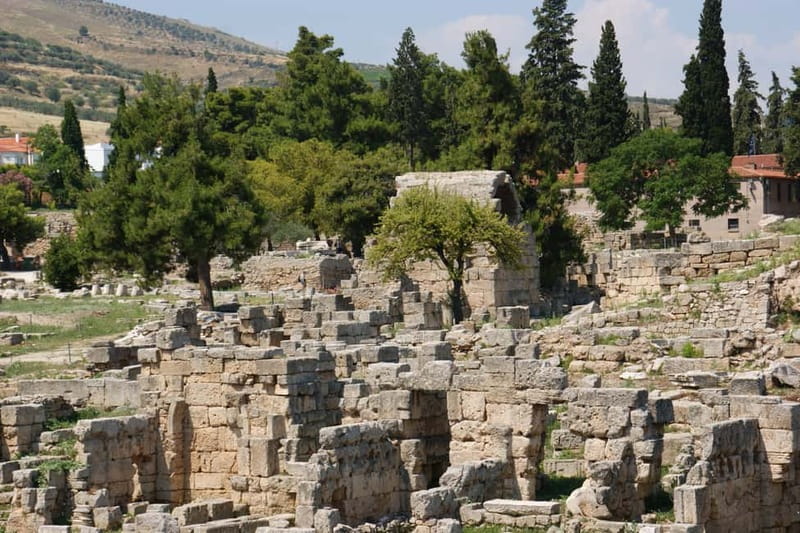
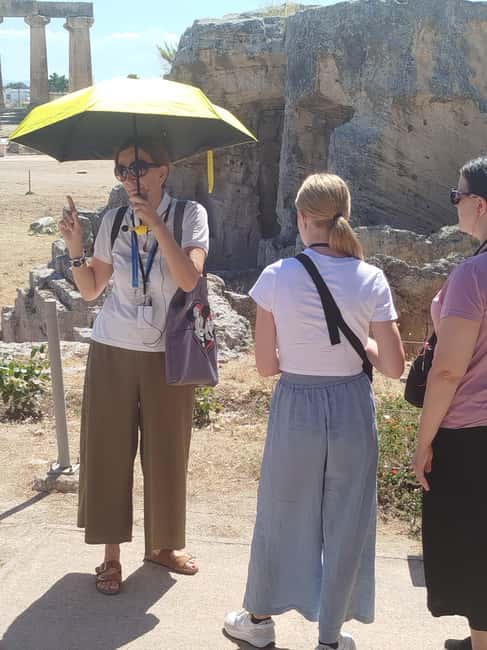
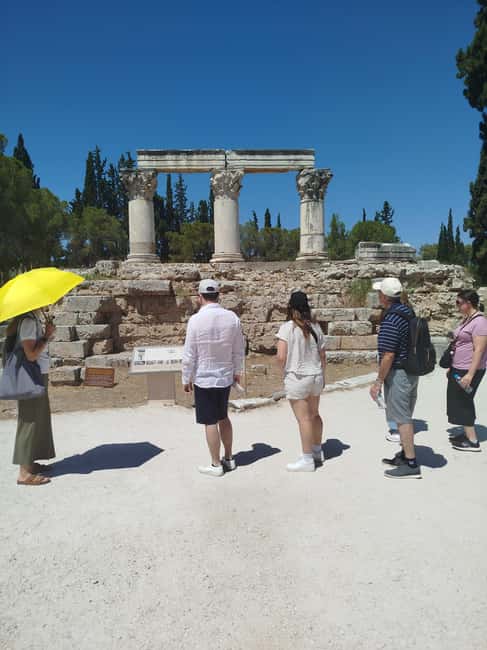
Once you arrive at Ancient Corinth, you transition from bus views to walking and structured touring. The big win here is that you’re guided through major remains instead of wandering aimlessly.
You’ll see the Agora (market place) and Apollo’s Temple, including the temple dating to the 6th century B.C. The Agora is especially useful because it helps you understand how city life worked—where people met, traded, and moved through daily rhythm. When a guide points out layout and function, the ruins stop feeling flat and start making sense.
Apollo’s Temple is another anchor. Even if you’ve never read a single line about Corinth, the scale of the temple site gives you instant perspective. And because the guide connects it to the era when the city was at the height of its influence, it’s easier to imagine the city as more than a tourist stop.
Wear comfortable shoes and expect uneven ground in archaeological areas. You’ll be walking outdoors, and the day can feel warm—so that sun hat you were planning to skip is worth the space.
St. Paul at Corinth: The Route That Turns Ruins Into a Story
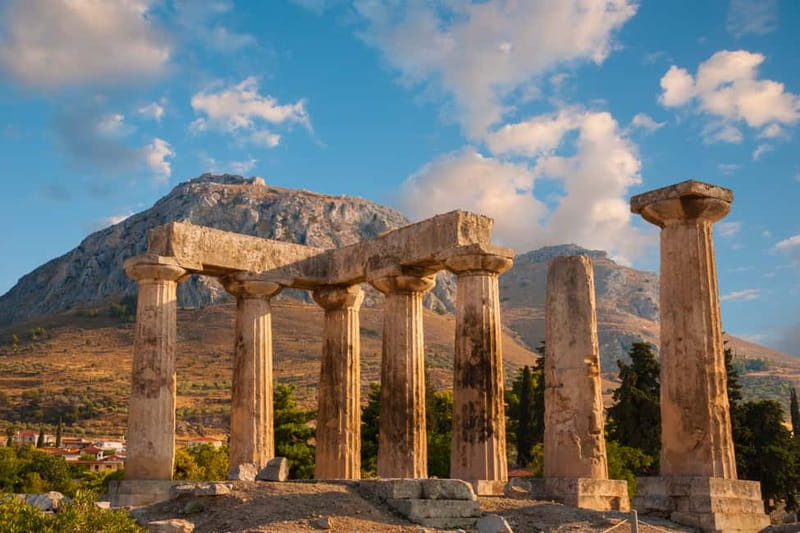
What makes this tour stand out for many people is that the ancient city is framed through a specific set of events: St. Paul’s time in Corinth. You’ll hear that he lived there and preached for about two years, and your guide ties that storyline to what you’re seeing.
As you move through Ancient Corinth, the guide helps you link the physical places to the letters and events associated with Paul’s work. This is a big deal if you’re visiting with religious history in mind, but it’s also helpful for regular history lovers. It gives the ruins a narrative spine, so you’re not just collecting facts—you’re building a mental map.
If that connection matters to you, keep your eyes open for what your guide points out in the museum too. The explanations at the site often make more sense after you’ve seen artifacts and displayed material.
Kechreai Port Stop: A Small Stop With a Meaningful Purpose
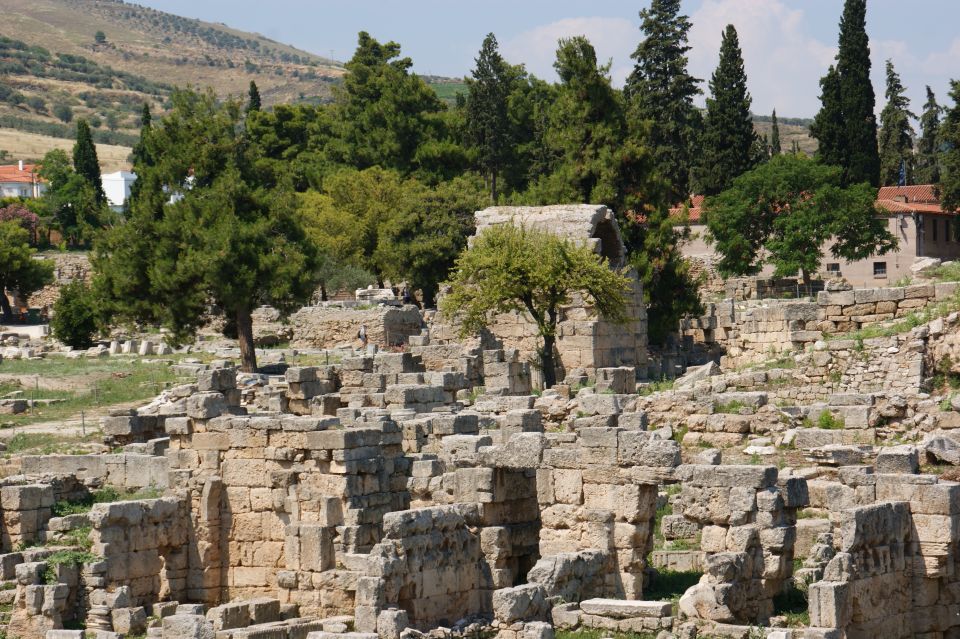
Between the canal and the main site experience, you also get a brief visit tied to the port area of Kechreai. This is presented as the place where St. Paul disembarked.
Even though it’s a short stop, it adds a lot. It widens the story beyond the city center and helps you understand Corinth as a place connected to travel, trade, and arrival points. If you only visited Ancient Corinth itself, you’d still get the archaeology—but you’d miss the way this route tries to connect Corinth’s geography to Paul’s movement.
Because it’s a quick stop, it won’t replace time spent exploring on your own. But it can be the difference between seeing Corinth as scenery and seeing it as a connected chapter in a larger journey.
You can also read our reviews of more guided tours in Athens



Museum Time: Using It to Read the Ruins
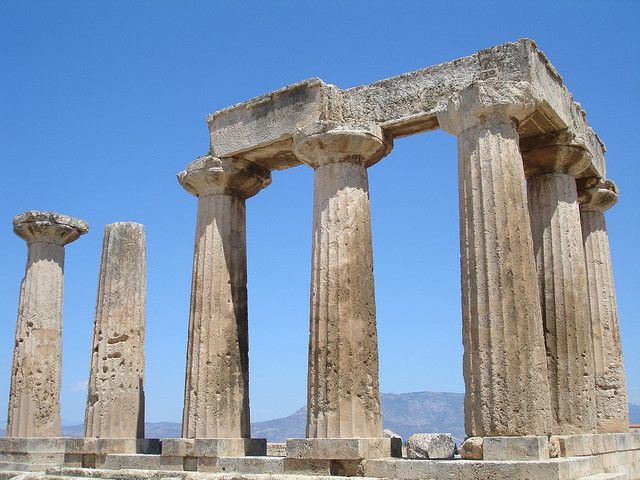
The tour includes entry ticket to the museum and the archaeological site of Ancient Corinth, and this matters more than it sounds. A museum visit is your chance to learn what the city left behind and how those objects fit into daily life.
What I like about this setup is that the guide doesn’t treat the museum as a compulsory pause. They often guide your attention toward artifacts and details so you have a clearer sense of what you’re seeing later outside. It’s not just educational—it’s practical. When you return to the ruins with that context, your brain starts organizing what matters.
One word of caution: there can be limited time for independent wandering. At least some schedules end up with the guided museum portion taking longer than you might expect, which can shrink free time at the site. If you prefer slow, self-directed exploring, keep that in mind and be okay with following the guide’s rhythm.
And yes, bathrooms can be an issue. Plan ahead and don’t treat the museum as your only chance to fix that.
Pace and Timing: What to Expect in a 6-Hour Day
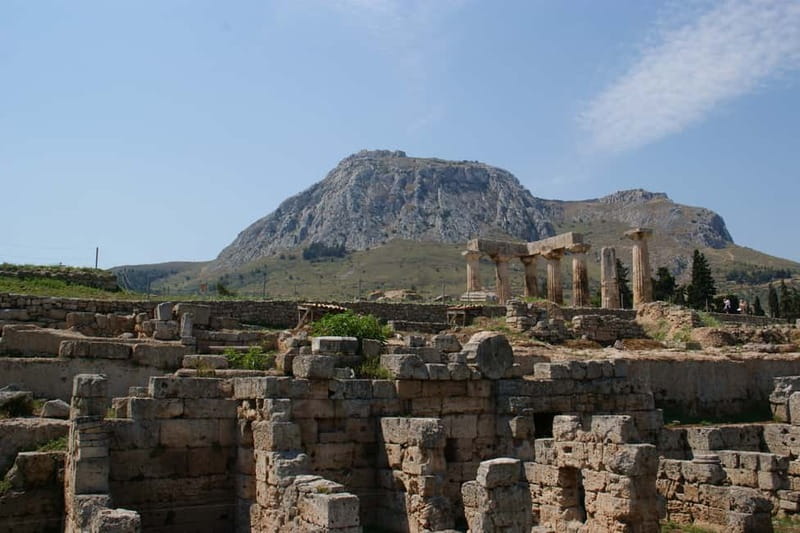
This is built as a half-day experience, around six hours total, with a mix of driving, guided walking, and short breaks. The upside is you get a lot without feeling stuck all day in transit. The downside is you won’t experience Ancient Corinth like someone staying overnight.
The canal stop is short by design, and you should expect that. The archaeological-site experience includes a guided component, so it won’t be a pure free-roam afternoon. Several people end up happy with the pacing—especially when the guide keeps the flow clear and focused.
There is also an honest risk: your return to Athens can run later than planned, depending on traffic. If you’re counting on a strict lunch window back in the city, build in buffer time. This tour aims to return in time for lunch, but roads decide how neat the clock stays.
Price and Value: Is $86 Worth It?
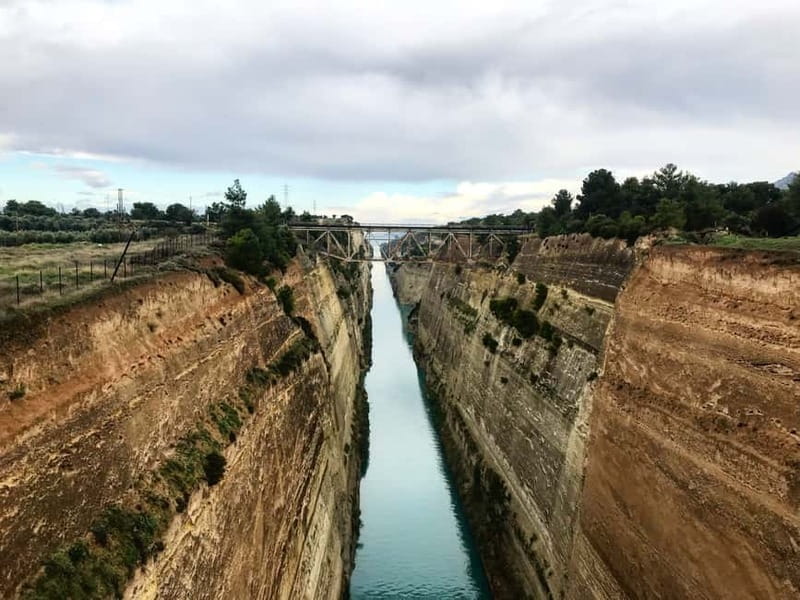
At about $86 per person, you’re paying for more than a bus ride. You’re getting transportation by air-conditioned bus, a live English guide, plus entry tickets to the museum and the archaeological site. The tour also includes skip-the-ticket-line, which can save time when you arrive.
Meals are not included, so you’ll still need to plan food either before you leave or after you return. But for many people, the value comes from bundling admissions and guided interpretation into one ticket, rather than trying to coordinate it all on your own.
If you’re the type who benefits from a guide’s “here’s what you’re looking at” approach, this price tends to feel fair. If you’d rather go at your own pace with no structure, you might feel the time pressure. Still, it’s one of the more efficient ways to reach Corinth from Athens without driving yourself.
Comfort and Logistics on the Day (The Stuff That Actually Matters)
This tour is set up for a comfortable group day: modern bus, air conditioning, and a structured route from Athens out to Corinth and back. One detail that helps: the bus driver has to handle narrow lanes on the way out and back, so safety and skill matter. The ride is part of the experience here, and it’s generally handled well.
Group size tends to be manageable. One description notes around a dozen people, which is a big difference from massive coach groups. That size usually makes it easier for the guide to keep track of everyone and for you to hear explanations without straining.
Wi‑Fi is included on board, but don’t treat it as essential. Bring your camera plan, your sunscreen, and your comfy walking shoes—and you’ll be set.
Important note for young visitors: children and students aged 5 to 18 must present a valid passport or ID on the day of the tour to get the discounted price. Without that, you may have to repurchase entrance tickets at the full price.
Who Should Book This Ancient Corinth Tour
This tour is a great fit if you:
- Want a guided, efficient visit to Ancient Corinth with clear context
- Care about the St. Paul connection and want it tied to specific places
- Prefer not to drive out of Athens
- Like a structured day that still includes time to walk, look, and take photos
It’s less ideal if you:
- Need lots of independent time to wander without a schedule
- Have limited mobility or require wheelchair access (the tour is not suitable for mobility impairments or wheelchair users)
- Are hoping for a long Corinth Canal linger (the canal stop is short)
Should You Book This Ancient Corinth Tour?
I think this is a smart booking for most people doing Athens as a base. You get a focused slice of Corinth—Agora, Apollo’s Temple, museum time, and St. Paul-linked stops—all without the headache of planning transport and timing. The guide-led approach is a big part of why this works: you leave with a more coherent understanding than you’d likely get from a quick self-guided visit.
Book it if you want the best bang-for-your-time option and you like having someone point out what to notice. Skip it or look for another format if you want a slower, more independent archaeology day or if mobility needs make walking around uneven ruins difficult.
FAQ
How long is the Ancient Corinth tour?
It lasts about 6 hours. The exact start times vary, but the full experience is designed as a half-day outing.
Where does the tour start from?
The meeting point is Hotel Amalia Athens, located at Leoforos Vasilisis Amalias 10.
Does the tour include museum and archaeological site tickets?
Yes. Your ticket includes entry to the museum and the archaeological site of Ancient Corinth, and you skip the ticket line.
Is lunch included?
No. Meals and drinks are not included, so plan to eat before or after the tour.
Is the guide English-speaking?
Yes. The tour runs with an English live tour guide.
Is there Wi-Fi on the bus?
Wi‑Fi is included on board, though it may be limited depending on the ride conditions.
What should I bring?
Bring comfortable shoes and a sun hat. Also, bring a passport or ID for children.
Do children need ID?
Yes. Children and students aged 5 to 18 must show a valid passport or ID to receive the discounted price.
Is the tour wheelchair accessible?
No. It is not suitable for wheelchair users and not suitable for people with mobility impairments.
Are pets allowed?
No. Pets are not allowed on the tour.
Are food and drinks allowed in the vehicle?
No. Food and drinks are not allowed in the vehicle.
If you tell me your travel month and whether your group includes kids or anyone with mobility needs, I can help you decide if the pacing will feel comfortable or stressful.
You Might Also Enjoy

More Tickets in Athens


More Tours in Athens



More Tour Reviews in Athens
- All Day Cruise -3 Islands to Agistri,Moni, Aegina with lunch and drinks included
★ 5.0 · 4,958 reviews