
REVIEW · ATHENS
Cooking Class with Aspasia in the Heart of Athens
Book on Viator →Operated by IT IS GREEK · Bookable on Viator
A bright Athens kitchen is a great way to slow down. This private cooking class with Aspasia swaps big-tour crowds for a light-filled home setting, hands-on prep, and a full meal made from across Greece. I especially like the mix of learning and actually eating—you prep the dishes, then you sit down to enjoy seven courses with two glasses of white wine.
You’ll also like how specific the menu is, with recognizable Greek favorites plus regional touches like Kayanas from Mani and the Cretan Dakos salad style. One thing to consider: depending on group comfort and pacing, you may be helped through steps more than you’ll do every single action yourself—if you want totally independent cooking, ask about participation before you go.
Key things to know before you book
- Private, English-speaking class in a local home setting
- Seven-dish menu spanning starters, mains, and dessert from different parts of Greece
- Two glasses of white wine per person paired with your meal
- 3 hours with a hands-on cooking focus and lots of conversation
- Mobile ticket and easy access by public transportation
In This Review
- What This Cooking Class Feels Like in the Heart of Athens
- The menu is the main attraction
- The 3-Hour Flow: From First Prep to the Last Bite of Ravani
- Getting started: bread, cheese, and olives
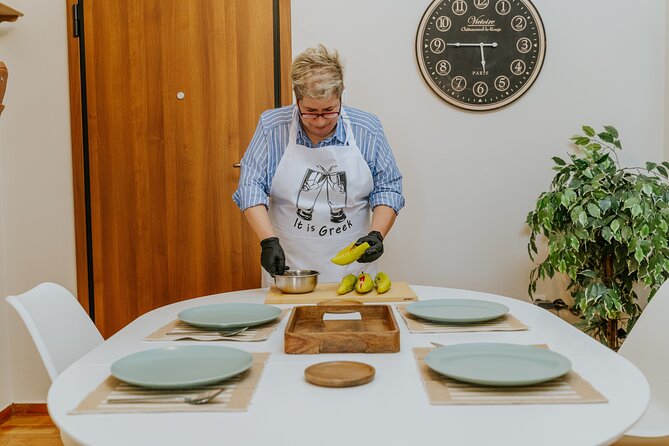
- Stuffed long sweet peppers (vegetarian and aromatic)
- Greek eggs Kayanas from Mani
- Cretan Dakos salad: crunchy, salty, and clever
- Main course: Greek meatballs with yogurt sauce
- Eggplants Imam: stuffed, spiced, and satisfying
- Dessert: Ravani, soaked semolina cake
- Wine, Conversation, and Why the Setting Matters
- How Hands-On Is It? A Fair Take Based on What’s Been Said
- Price and Value: Is $130.04 Worth It?
- Where You’ll Meet (and Why It Helps)
- Who This Class Suits Best
- Tiny Dish Notes That Help You Order Later (or Cook Later)
- Should You Book Aspasia’s Athens Cooking Class?
- FAQ
- How long is the cooking class?
- Where does the class take place?
- Is the class private?
- What language is the class offered in?
- What will I eat during the class?
- Is wine included?
- Is there a mobile ticket?
- How far in advance is it typically booked?
- Is it easy to reach by public transportation?
- Is there any accessibility information?
What This Cooking Class Feels Like in the Heart of Athens
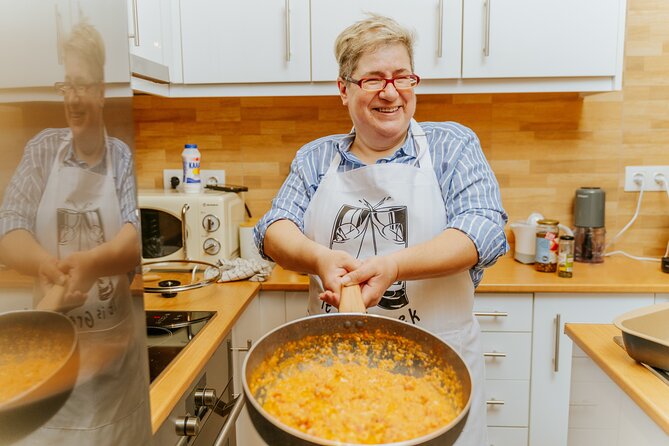
This isn’t a loud, factory-style cooking show. It’s closer to being invited into a real apartment and joining the evening rhythm—talking, cooking, tasting, and then sitting down together to eat what you made.
The class runs about 3 hours and is designed around a complete meal, not a tiny “demo bite” event. That matters because it turns the experience into something you can remember as a full night out, not just a single recipe lesson.
You’ll be in Aspasia’s home, in a bright, harmonically decorated space. The goal is comfort. The whole setup encourages interaction, so you aren’t just watching from the sidelines. This is especially appealing if you want your Athens “local life” fix without adding another long museum day.
The menu is the main attraction
The most praised part of this experience is the food itself—seven dishes that feel genuinely Greek, with enough regional variety to keep things interesting. The other standout is the personal attention: multiple guests highlight how welcoming Aspasia feels, and how she’s patient, even if you don’t cook much at home.
You can also read our reviews of more cooking classes in Athens


The 3-Hour Flow: From First Prep to the Last Bite of Ravani
The class is structured as a single continuous evening: you’ll cook, eat, and keep moving through the menu. There aren’t separate “stops” around town, which is a big plus if you’re short on time or don’t want to hop between locations after a day of sightseeing.
Getting started: bread, cheese, and olives
You kick things off with Paximadi bread with olives and graviera cheese. Paximadi is a traditional Greek bread, and pairing it with olives and graviera gives you that salty, nutty start that works as a palate opener.
Even if you’re not a “food person” yet, this first course helps you get oriented. You’ll likely taste early, and you’ll get a feel for how the meal builds.
Why it’s smart: starting with simple, shareable flavors sets you up for the more hands-on dishes later.
Stuffed long sweet peppers (vegetarian and aromatic)
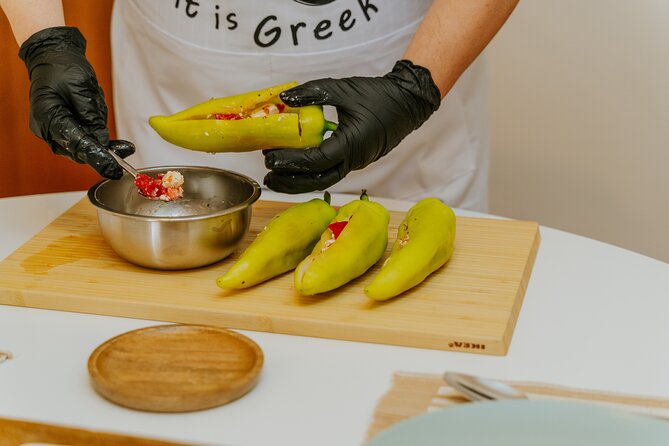
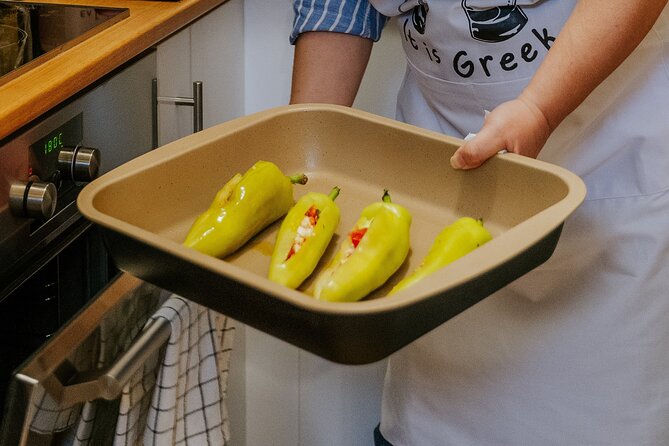
Next up: stuffed long sweet peppers filled with feta cheese, herbs like spearmint, and tomatoes. This is the kind of dish where the filling matters as much as the peppers themselves.
If you’re paying attention to how the herbs and tomatoes behave together, you’ll walk away with a practical sense of Greek flavor logic: dairy plus herb brightness plus the sweet-savory depth of tomato.
Greek eggs Kayanas from Mani
Then you move into Greek Eggs Kayanas, described as scrambled eggs with fresh tomatoes and cured pork called siglino (from Mani). Mani is known for hearty, pork-forward meals, and this dish reflects that.
This is a good moment in the class if you like savory comfort food. It’s also a useful “how they combine” recipe: eggs aren’t just eggs here—they’re paired with tomatoes and cured pork for depth.
You can also read our reviews of more tours and experiences in Athens






Cretan Dakos salad: crunchy, salty, and clever
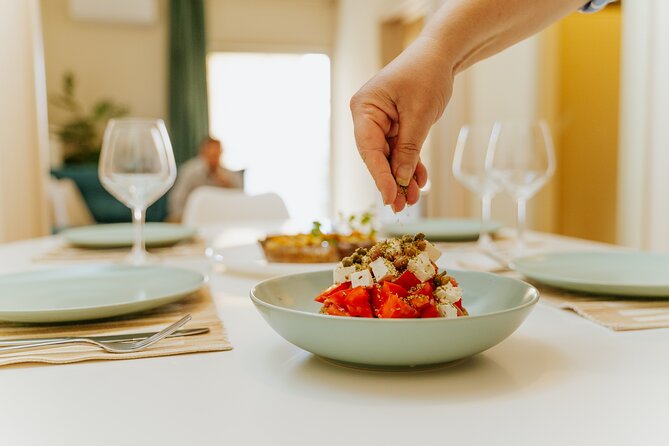
Now for a salad that doesn’t feel like a side thought: Cretan Dakos salad. It uses crispy barley rusks with tomato, olive oil, and feta.
What I like about Dakos as a teaching dish is that it’s not just “assemble and done.” Barley rusks bring crunch; tomato and olive oil bring juiciness. The class format gives you a chance to understand how texture and flavor are meant to meet in the same bite.
Main course: Greek meatballs with yogurt sauce
For the centerpiece, you’ll make Greek meatballs with yoghurt sauce—ground beef with flour and Greek spices. The sauce adds tang and creaminess, making the meatballs feel balanced rather than heavy.
This is the kind of recipe you can use later, too. Meatballs are forgiving, and the yogurt element gives you an easy way to carry Greek flavors beyond the dinner table.
Eggplants Imam: stuffed, spiced, and satisfying
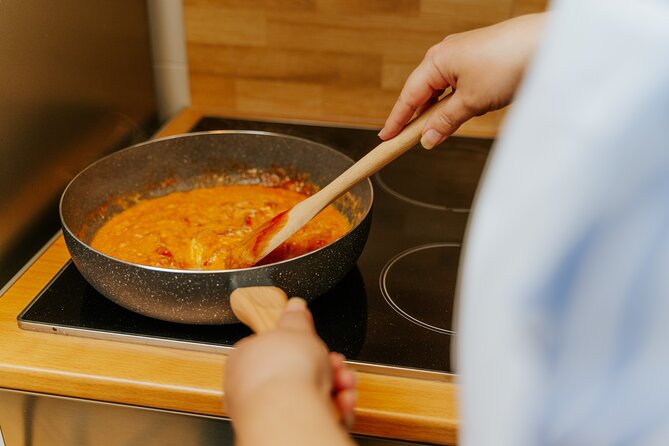
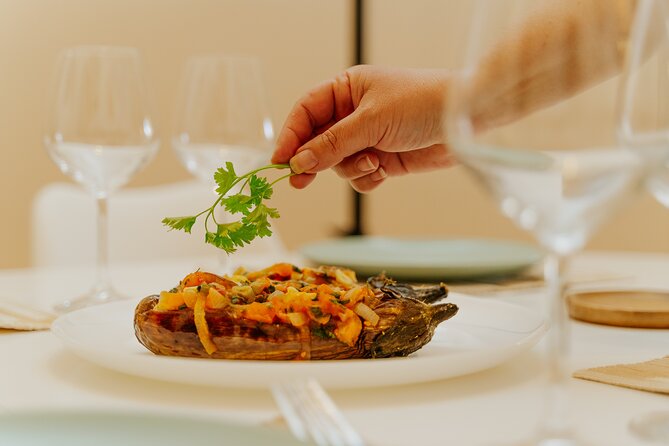
Next: Eggplants Imam, where eggplant is stuffed with a savory mix of onions, tomatoes, garlic, and herbs/spices.
This dish is where “Greek home cooking” really shows. It’s hearty, aromatic, and built around stuffing—meaning you’ll likely learn some practical prep pacing, not just seasoning tips.
Dessert: Ravani, soaked semolina cake
You finish with Ravani, a sweet semolina cake soaked in an aromatic syrup from Northern Greece.
Dessert is not an afterthought here. Ravani gives you that classic Greek sweetness that feels integrated into the meal, not tacked on. If you like syrupy cakes, you’ll appreciate how it contrasts with the savory courses.
Wine, Conversation, and Why the Setting Matters
You’ll be served two glasses of white wine per person. That’s enough to keep the evening feeling festive, without turning it into a party where nobody can focus on food.
The home setting is part of why this class works. You’re not just learning recipes—you’re learning the tone of a Greek dinner: social, relaxed, and comfortable enough that you can ask questions without feeling rushed.
That’s also why the experience gets strong praise for “feels like home” energy. One guest described making a food friend. Even if you come solo, the format tends to encourage easy back-and-forth, especially when you’re working through the menu together.
How Hands-On Is It? A Fair Take Based on What’s Been Said
Here’s the honest consideration. The best version of this class is clearly interactive: you cook, you eat, and you’re encouraged to participate during preparation.
But there’s at least one complaint that frames the experience more like hanging out and being served food, with not enough cooking for what the guest expected. That tells you something useful: your level of hands-on participation may vary.
If you’re serious about cooking—like you want to actively chop, mix, stuff, and shape—go in with the right mindset and be clear early. In a private class, you’re in a better position to set expectations than in a big group.
My practical tip: when you arrive, ask how the workflow will be handled—what you’ll be doing at each dish step, and where you can take the lead.
Price and Value: Is $130.04 Worth It?
At $130.04 per person for about 3 hours, this is not a bargain meal. It’s paying for three things:
- A full Greek menu (seven dishes, not two or three)
- Private attention in a home kitchen
- Wine included (two glasses per person)
If you compare it to a restaurant, you’re not just paying for food—you’re paying for the lesson and the host relationship. If your main goal is to taste Greek food, a restaurant can be cheaper. But if your goal is to leave with recipes you can actually attempt at home, the price starts to look more reasonable.
Also, it’s booked about 29 days in advance on average, which usually means it’s popular. That’s a small but real signal: availability can tighten if you’re planning late.
Where You’ll Meet (and Why It Helps)
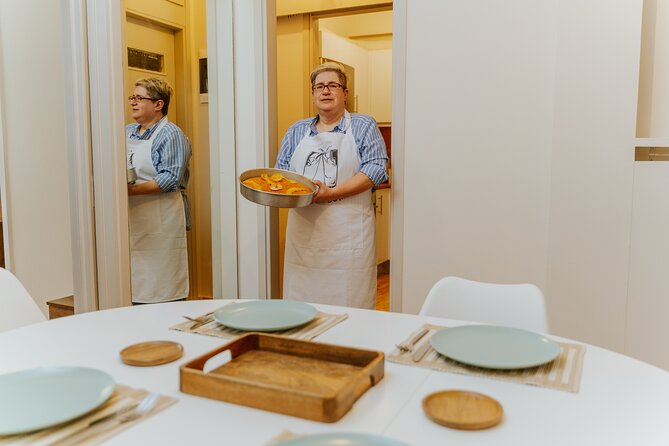
You’ll meet at Tsocha 3, Athina 115 21, Greece, and the activity ends back at the same spot.
Two quick practical notes:
- It’s near public transportation, so you’re not stuck relying on taxis for the whole night.
- This is a private tour/activity, meaning it’s only your group in the space, which is a big factor in comfort—especially in someone’s home.
Who This Class Suits Best
This experience is a strong fit if you:
- Want a home-cooked Athens evening instead of another “line up and wait” activity
- Love Greek food but also care about how it’s made
- Prefer a smaller, more personal environment
- Are traveling with friends or partner and want a shared, memorable activity
It may be less satisfying if you:
- Expect a “cheffy” cooking workshop where you do everything with minimal guidance
- Dislike wine with meals (it is included as part of the experience)
- Want a menu that changes based on strict dietary preferences (only what’s listed is confirmed in the provided details)
Tiny Dish Notes That Help You Order Later (or Cook Later)
If you want to get more out of the class, watch for what each dish teaches you about flavor balance:
- Graviera sits in that slightly sweet to mildly spicy range, which makes it interesting on bread.
- The stuffed peppers highlight how spearmint and tomatoes can work together, not just as fresh garnish.
- Kayanas shows how eggs become a full meal with tomatoes and cured pork.
- Dakos demonstrates texture contrast: crispy base plus juicy toppings.
- Yogurt sauce with meatballs gives a classic Greek tang that’s easy to repeat at home.
- Eggplants Imam is built on stuffing logic—eggplant as the main carrier for onion-tomato-herb flavor.
- Ravani is your reminder that semolina cake can be soaked and aromatic, not just dry and sweet.
You’ll likely start to notice these patterns if you pay attention while you cook.
Should You Book Aspasia’s Athens Cooking Class?
I’d book it if you want an evening that combines real Greek dishes, wine, and a warm home setting—and you like the idea of learning a menu that isn’t generic. It’s also a good choice if you’re the kind of traveler who remembers meals, not just sites.
I’d pause if you’re expecting a strict, fully hands-on course where everyone does every step in a precise way. The risk isn’t that the dishes are wrong—it’s that your personal definition of cooking instruction might be different. If that’s you, message ahead or ask on arrival how participation will work.
If you want a “cook and eat” experience that feels like meeting Athens through food, this one has the ingredients—literally—to deliver.
FAQ
How long is the cooking class?
The cooking class lasts about 3 hours.
Where does the class take place?
It takes place in Athens, Greece, starting at Tsocha 3, Athina 115 21, Greece, and ending back at the same meeting point.
Is the class private?
Yes. It’s a private tour/activity, and only your group participates.
What language is the class offered in?
The class is offered in English.
What will I eat during the class?
You’ll be served a full meal with seven dishes: Paximadi bread with olives and graviera cheese; stuffed long sweet peppers; Greek Eggs Kayanas; Cretan Dakos salad; Greek meatballs with yogurt sauce; eggplants Imam; and the dessert Ravani.
Is wine included?
Yes. You’ll be served two glasses of white wine per person.
Is there a mobile ticket?
Yes. The experience includes a mobile ticket.
How far in advance is it typically booked?
On average, it’s booked 29 days in advance.
Is it easy to reach by public transportation?
Yes. It is near public transportation.
Is there any accessibility information?
The only accessibility-related detail provided is that service animals are allowed.
You Might Also Enjoy




More Workshops & Classes in Athens
More Cooking Classes in Athens
More Tour Reviews in Athens
- All Day Cruise -3 Islands to Agistri,Moni, Aegina with lunch and drinks included
★ 5.0 · 4,958 reviews