REVIEW · ATHENS
Athens Highlights, Delphi & Meteora, 3-Days Private Tour
Book on Viator →Operated by CATTAXI · Bookable on Viator
3 days, three ancient worlds, one smooth plan. I like this route because it connects the big-name sights of Athens with the cliff views at Cape Sounion, then keeps going into Delphi and Meteora without making you wrestle with transport. The pace is active, but the planning is tight enough that you spend your energy looking, not figuring out tickets and directions.
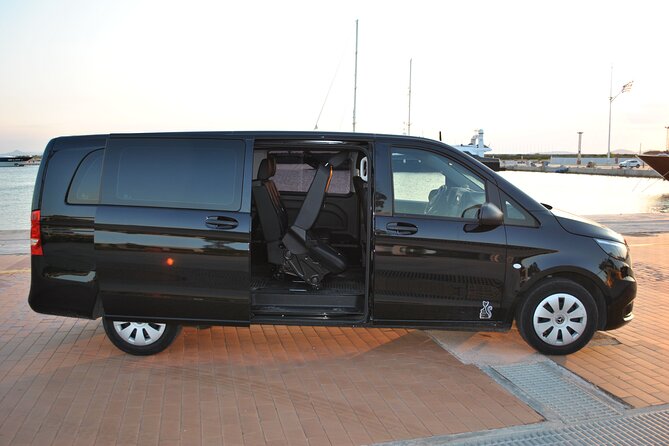
Two things I really like: first, you get a true wholly private setup with pickup from central Athens or Piraeus (or the airport/ports) and a comfortable air-conditioned vehicle. Second, the stops that need the most context include a professional guide, with guided time at Delphi and at two Meteora monasteries, so you get the stories and symbols, not just the stonework.
One consideration: admissions and museum entry fees are not included. You’re also walking on unpaved or uneven terrain at some of the sites, so sturdy shoes matter, even if the driver does their best to help you see a lot.
In This Review
- Key highlights
- What Makes This 3-Day Private Route Work So Well
- Athens Early Morning: Acropolis to Syntagma Without the Guesswork
- Cape Sounion and the Temple of Poseidon: The Sea-View Finale
- Delphi With a Professional Guide: Oracle Stories Behind the Stones
- Arachova for Mountain Air, Then Thermopylae With Context
- Meteora: Still-Active Monasteries on Rock Towers
- Price and Value: What You’re Really Paying For
- Who This Tour Suits Best (and Who Should Think Twice)
- Practical Tips to Get the Most Out of Every Day
- Should You Book This Athens–Delphi–Meteora Private Tour?
- FAQ
- How long is the Athens Highlights, Delphi & Meteora private tour?
- Where do you get picked up from?
- Is this a group tour or truly private?
- Do the tour price and hotel include site admission fees?
- Are professional guides included during the whole trip?
- What time does the tour start?
- What happens if weather is bad?
Key highlights
- A private vehicle with pickup from Athens, Piraeus, ports, or Athens International Airport
- Guided Delphi with a professional guide, plus guided time at two Meteora monasteries
- Cape Sounion and the Temple of Poseidon on a dramatic cliff above the Aegean
- Thermopylae stop with a museum that gives context to Leonidas and the Hot Gates
- Arachova as a mountain reset, with coffee and views during the drive
- Hotel in Kalampaka (breakfast included), the practical gateway base for Meteora
What Makes This 3-Day Private Route Work So Well
This is one of those trips where the itinerary matters less than how the days are stitched together. You get early departures (usually between 6:00am and 9:00am), plus an English-speaking driver who gives information and tips but stays out of the official sites. That means less switching between people, and more time simply walking up to what you came to see.
I also appreciate the structure: Athens first, then Delphi and Thermopylae, then Meteora with hotel time in Kalampaka. The drive is long between day two and day three, but you’re not bouncing every night back to Athens. You sleep where you need to sleep, so Meteora doesn’t feel like a rushed parking-lot visit.
On the value side, the big-ticket cost is private transport plus two guided blocks with archaeology-focused explanation. If you’re the type who wants to know what you’re looking at, those guided moments are where the money starts to make sense.
You can also read our reviews of more private tours in Athens

Athens Early Morning: Acropolis to Syntagma Without the Guesswork
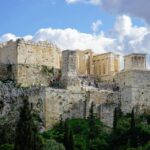
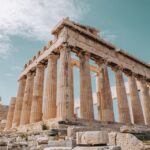
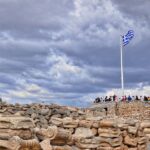
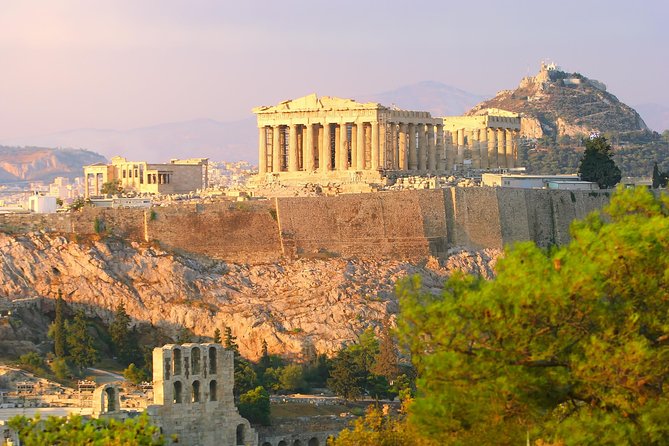
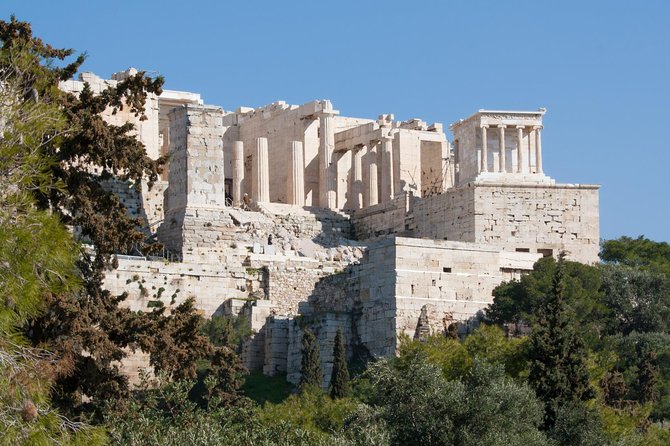
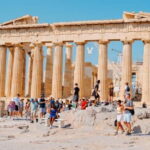
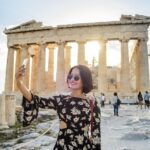
Day one packs a classic Athens sequence, starting on Acropolis Hill. The goal here is simple: see the Acropolis and Parthenon area in the best possible light and with a more manageable crowd situation thanks to that early start. Expect about 1.5 hours at Acropolis, and plan on buying tickets separately since admissions are not included.
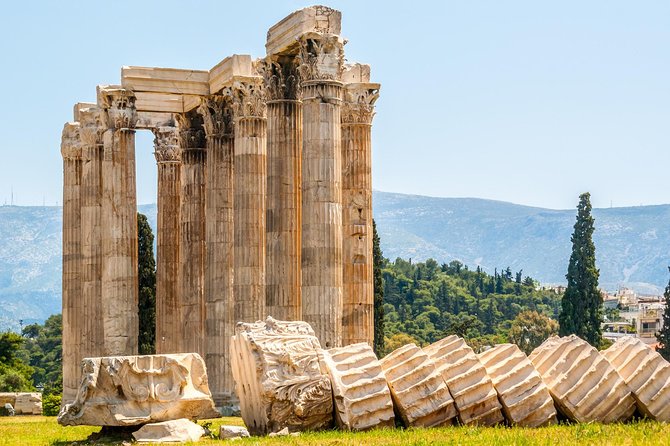
From there, you move to a few smaller-but-meaningful stops that help you understand Athens beyond the one postcard view. You’ll see Hadrian’s Arch (free), then the Temple of Olympian Zeus, where only a few of the original 104 columns still stand. That contrast is useful: it shows how grand ambition can outlast the people who built it.
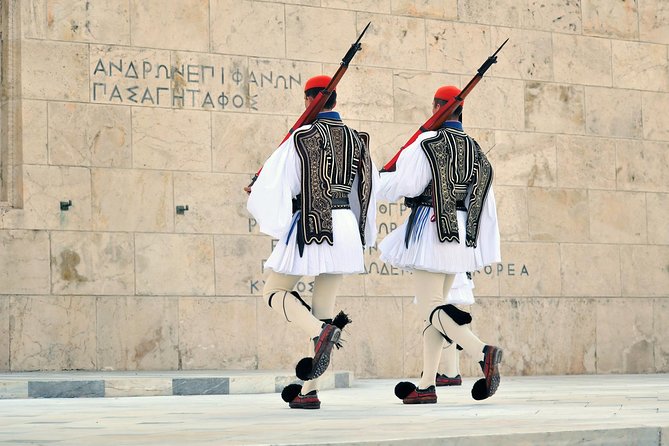
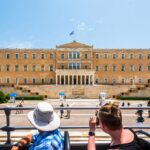
Next comes the heart of modern Athens theater: the Changing of the Guard at Syntagma in front of the Greek Parliament, near the Tomb of the Unknown Soldier. The Evzones are the elite Greek Army unit, and their distinctive uniforms were introduced by King Otto. The design inspiration comes from traditional mountain warrior clothing and the look of resistance fighters during the Ottoman period. Even if uniforms aren’t your thing, watching the ritual is a quick way to feel how Athens connects old identity with present-day pride.
You finish day one at Panathenaic Stadium, the venue for the first modern Olympic Games in 1896. This is one of those stops that clicks once you’re standing there, because the shape of the building makes the concept real. Budget around 30 minutes here.
Cape Sounion and the Temple of Poseidon: The Sea-View Finale
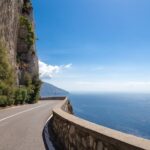
Then the day shifts to the coast: Cape Sounion, at the southern tip of the Attica peninsula. The Temple of Poseidon sits high above the Aegean Sea, so your photos won’t be limited to a single angle. You’ll have about two hours there, and again, you’ll pay the entry fee separately.
What makes Sounion worth the drive is how the ruins relate to the horizon. You’ll hear that Poseidon belongs to a trio of ancient sites that form a kind of geometric comparison across the region: the Acropolis, the Temple of Poseidon at Sounion, and the Temple of Aphaea on the Greek island of Aegina. On a clear day, you might even be able to see monuments from the others, which gives the place an extra layer beyond the cliff itself.
There’s also myth baked into the location. Aegeus, father of Theseus, is tied to the legend of black sails left unchanged. Believing the worst, he falls from the cliffs. Even if you’re not a myth person, knowing that the view has a story attached helps the place feel less like a stop and more like a setting.
A practical note: Sounion is open-air. Bring sun protection and something for wind, especially if you’re traveling in shoulder seasons. You’ll be glad you did when the breeze kicks up along the cliff edge.
Delphi With a Professional Guide: Oracle Stories Behind the Stones
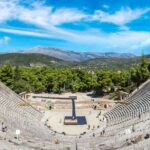
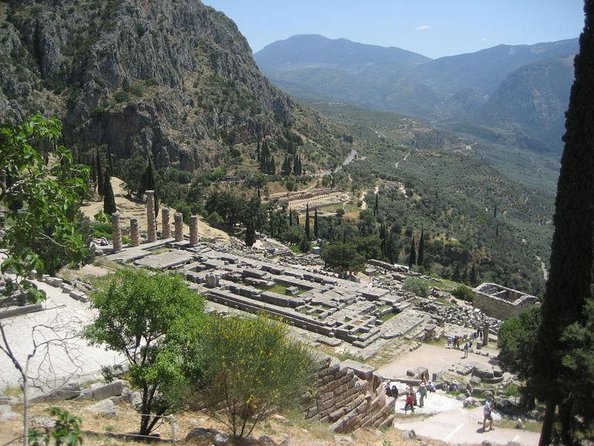
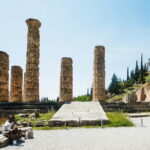
Day two begins with Delphi, and this is where the guided element really pays off. You’ll spend about two hours at the Delphi Archaeological Museum and Delphi’s Apollo sanctuary area with a professional guide. Delphi is considered the religious center of the ancient Greek world and the seat of Pythia, the oracle of Apollo.
The key detail I’d want you to remember is that Delphi wasn’t just a monument to admire. People traveled from across Greece to ask for advice. In major historical moments, the oracle’s words were believed to influence decisions. That’s why Delphi feels different from many ruins: it’s tied to how ancient Greeks thought and governed, not only how they built.
Delphi sits on the slopes of Mount Parnassus and overlooks the ancient landscape around it. The sanctuary ruins give you that “place matters” feeling—what you see is arranged in relation to where people would have stood to consult the oracle.
You’ll likely also see the Temple of Apollo as the center of an extensive archaeological zone that includes parts such as the Treasuries. Your guide’s job here is to connect these pieces to meaning, so you’re not just walking among rocks.
If you’re an art-and-architecture fan, Delphi can be a highlight even when you’re tired, because the stories give shape to the site. And yes, entry fees are not included, so budget for the museum and archaeological site charges.
Arachova for Mountain Air, Then Thermopylae With Context
After Delphi, you switch gears with the stop in Arachova, about an hour. This is a mountain resort town known for winter skiing, but even outside ski season it works as a reset. You can take in views, relax, and have coffee in the cafes. It’s also a good buffer between the intensity of Delphi and the gravity of Thermopylae.
Thermopylae comes next with the site and museum connected to Leonidas and the 300 Spartans. You’ll have about one hour here. Thermopylae is often called the Hot Gates, and it’s famous for what happened in a narrow pass between cliffs and the sea. The Spartans and their allies drew the Persian army into that tight space. They were defeated, but their stand bought time for the other Greek city-states to mobilize, eventually helping lead to Greek success, including the Battle of Salamis.
This is one of those stops where a museum makes a difference. Even if you already know the headline story, the museum helps you place what you’re seeing into a larger sequence of events.
Then it’s a long drive toward Kalampaka, the gateway base for Meteora. You’ll reach your hotel for dinner and an evening view of the monasteries you’ll visit the next day. You’re also getting hotel breakfast included, so you start day three fed and ready.

Meteora: Still-Active Monasteries on Rock Towers
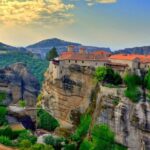
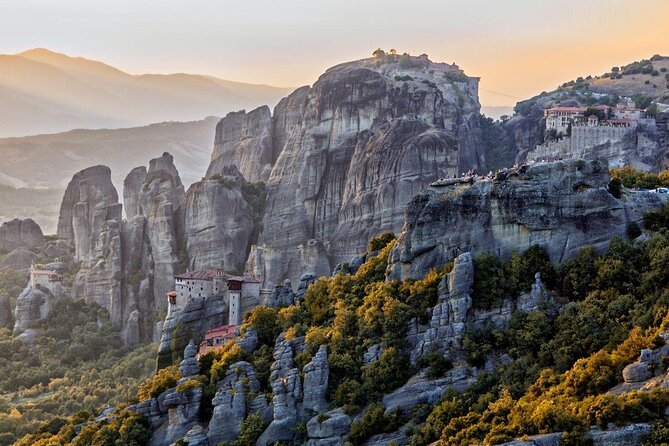
On day three, you spend about five hours at Meteora, visiting at least two monasteries, with options for more if time allows. Meteora is UNESCO-listed and famous for its fairytale rock formations rising high above the valley. The monasteries here are still active, so you’re walking into living religious spaces, not a theme-park set.
Two of the monasteries are guided with a professional guide, which is important because the architecture and religious artworks make more sense with context. You’ll visit from a set of monasteries including Great Meteoron, Varlaam, Holy Trinity (Agia Triada), and Rousanou. The exact mix can depend on timing and logistics, but the guided structure stays the same: guided at two places, additional monasteries on top if schedules allow.
Expect time blocks like about 1.5 hours at Great Meteoron and additional guided time at places like Varlaam and Holy Trinity. Even the unguided parts still feel special, because you’re moving between viewpoints that reveal different angles of the rock towers. Photos are easy here, but don’t rush. The views and the way buildings cling to stone are the point.
One practical reality: Meteora involves stairs and uneven surfaces. You don’t need extreme hiking gear, but you do need shoes you trust. If your mobility is limited, tell the driver early so they can position your route and viewing stops to match what you can handle.
After Meteora, you drive back to Athens late in the afternoon. That’s a long travel day, so plan for rest and keep your day pack simple.
Price and Value: What You’re Really Paying For

At $1,995.51 per person, this isn’t a bargain tour. But it also isn’t paying only for driving and entry tickets. The value comes from three bundles you don’t usually get together:
- Private transportation with A/C and Wi-Fi in the vehicle, plus fuel surcharges and tolls.
- Hotel nights in Kalampaka with breakfast included for each passenger.
- Expert guidance where it matters most: a professional guide at Delphi and at two Meteora monasteries.
You’re also not doing airport-to-rail-to-bus juggling. The tour includes transportation from your central hotel (or Piraeus), ports, or Athens International Airport. You get pickup and return through the same provider, which reduces the number of moving parts you have to manage.
Now the “not included” list is the part you must budget for. Admission fees for archaeological sites and museums, plus coffee, drinks, snacks, and meals are all separate. If you’re planning a trip with multiple paid entries (Acropolis, Delphi, Thermopylae museum, Meteora, and Sounion), those costs can add up quickly.
My practical advice: price this tour as a logistics-and-guides package, not just as a list of sightseeing stops. If you want expert explanation without coordinating everything yourself, the total feels more reasonable. If you’d rather DIY and only pay for self-guided access, a self-planned route may cost less, but you’ll trade away guide time and the convenience of private pickup.
Who This Tour Suits Best (and Who Should Think Twice)
This tour fits best if you want a structured, high-efficiency route across three major Greek sites with minimal stress. It also suits people who like learning while they walk. The professional guide time at Delphi and at Meteora is the kind of thing that makes the stops feel coherent.
It can also work for families and groups because it’s private. Children and youth under 18 must be accompanied by an adult, and youth age 12+ are charged at adult rate. Service animals are allowed.
Think twice if you’re sensitive to walking on uneven or unpaved surfaces. The company notes that you must be able to walk on that kind of terrain, though the driver will do their best to help you see most of the sites. Also consider that you’ll be on the road for big chunks of time between Athens, Delphi/Thermopylae, and Kalampaka.
If you’re the type who prefers slow mornings and long museum wandering without any pressure, the schedule may feel full. This route is built for people who like to check off major places and still understand what they’re seeing.
Practical Tips to Get the Most Out of Every Day
- Bring money (or a card) for admissions. Entry fees aren’t included, and Delphi, Meteora, and Acropolis-area sites typically require separate payment.
- Wear shoes you can trust on uneven ground. Meteora in particular is where good footing matters.
- Plan for early mornings. Departure is usually between 6:00am and 9:00am, and the active service window is set from about 6:30am to 8:30am.
- Pack for sun and wind at the coast. Cape Sounion is exposed, and the sea breeze can change fast.
- Use the driver for context. The driver gives information and tips and stays outside the sites, so they can help you understand what you’re about to see right before you enter.
- Ask who your driver is, especially for communication style. One driver name, Terry, has been highlighted for clear communication and detail-oriented planning, including check-ins if you’re arriving from the airport.
Should You Book This Athens–Delphi–Meteora Private Tour?
Book it if you want a low-stress, private way to hit Athens, Delphi, Thermopylae, and Meteora without losing days to transport logistics. The combination of private driving, professional guidance at Delphi, and guided monasteries at Meteora is the strongest reason to choose this over a purely DIY plan.
Skip it or consider a different style of tour if you hate paying extra for admissions, if you need a very leisurely pace, or if uneven terrain is a concern for you. This trip asks you to move. In return, it gives you three of Greece’s most important places in one coherent run.
FAQ
How long is the Athens Highlights, Delphi & Meteora private tour?
It lasts about 3 days, with 2 nights.
Where do you get picked up from?
Pickup is available from your central hotel in Athens or Piraeus, ports, or Athens Intl. Airport.
Is this a group tour or truly private?
It’s wholly private. Only your party participates.
Do the tour price and hotel include site admission fees?
No. Admission fees for archaeological sites, museums, and similar entries are not included.
Are professional guides included during the whole trip?
No. A professional guide is included at Delphi, and professional guides are included at two Meteora monasteries. Your driver provides information and tips but does not enter the sites.
What time does the tour start?
Departures are usually between 6:00am and 9:00am, based on your preference. The service window is listed as 6:30am to 8:30am.
What happens if weather is bad?
The operator notes the experience requires good weather. If it’s canceled due to poor weather, you’ll be offered a different date or a full refund.
You Might Also Enjoy

More Private Tours in Athens

More Tours in Athens
More Tour Reviews in Athens
- All Day Cruise -3 Islands to Agistri,Moni, Aegina with lunch and drinks included
★ 5.0 · 4,958 reviews