REVIEW · ATHENS
Athens Half Day Tour, Acropolis, Parthenon, Temple of Olympian Zeus & Hephaistus
Book on Viator →Operated by Athens Taxi Travel · Bookable on Viator
Athens is big. This tour is how you tame it. You get a private setup with hotel pickup, plus an air-conditioned ride that drops you at major landmarks so you can spend more time looking up and less time figuring out buses.
What I love most is the pacing with built-in sightseeing breaks. You get real time at the Acropolis and Ancient Agora, then easy wander time in Plaka, instead of the usual rush-and-run feeling. My second favorite touch is the comfort package: bottled water, free Wi‑Fi, and drivers who talk with you about what you’re seeing—without dragging everyone into a scripted lecture.
One possible drawback: this is not the same thing as a licensed on-site guide inside every ruin. Entrance tickets are not included, and the driver typically won’t walk into the sites with you, so if you want deep explanations for every stone, you may want to request a licensed guide.
In This Review
- Key things that make this Athens tour work
- How this private route keeps Athens from feeling like a maze
- The Acropolis: your timed-entry moment and what to prioritize
- Parthenon time: short, focused, and photo-friendly
- Plaka: the easy win under the Acropolis
- Ancient Agora and Temple of Hephaestus: where Athens argued, traded, and voted
- Temple of Olympian Zeus: scale without the full structure
- Constitution Square ceremony at the Tomb of the Unknown Soldier
- Lycabettus viewpoints, Panathenaic Stadium, and Temple of Athena Nike
- Roman Agora, Tower of the Winds, and Hadrian’s Arch
- Price and logistics: where the real value lives
- Who should book this Athens Half Day route (and who should skip it)
- Should you book this Athens Half Day Tour?
Key things that make this Athens tour work
- Door-to-door hotel pickup and an A/C vehicle that keeps you sane in summer heat
- A driver-led, question-friendly commentary style (you get context, then time to explore)
- Time-saving stop structure that packs Acropolis + Parthenon + Zeus + Agoras into one route
- Plaka walking time to mix ancient views with shops and cafés
- Multiple Roman-era sights (Roman Agora, Tower of the Winds, Arch of Hadrian) in the same stretch
- Viewpoint bonuses like Lycabettus, plus the Panathenaic Stadium for Olympic history
How this private route keeps Athens from feeling like a maze
If you’re coming to Athens for just a day—or you just don’t want to spend it fighting traffic and crowds—this tour makes a lot of sense. It’s set up for your group only (up to 4 people), so you’re not waiting on strangers or squeezing in around slow walkers.
The big win is logistics. You’re picked up from your place, taken by air-conditioned vehicle, and dropped close to sights. That means you can concentrate on the sights themselves: Acropolis views, temple silhouettes, and the layers of Greek and Roman Athens that show up again and again.
One thing to keep in mind: because the driver is not a licensed guide who enters every site with you, you’ll do a mix of short orientation + independent exploration. I like that balance—quick context from the car, then your own wandering pace on-site. If you want a line-by-line story as you walk, you’ll need to plan for a licensed guide option.
You can also read our reviews of more tours and experiences in Athens.



The Acropolis: your timed-entry moment and what to prioritize
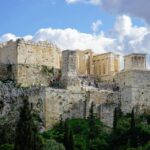
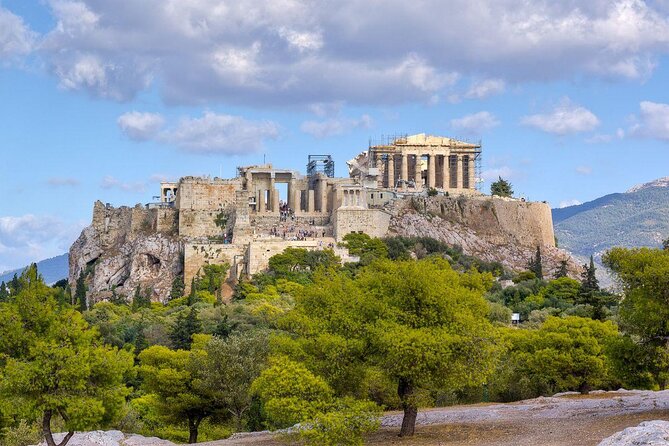
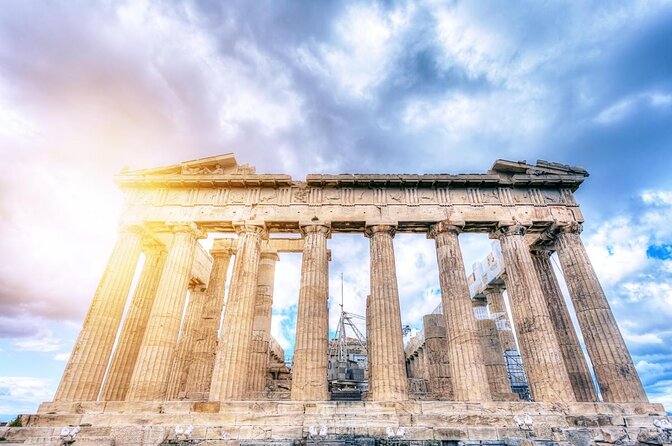
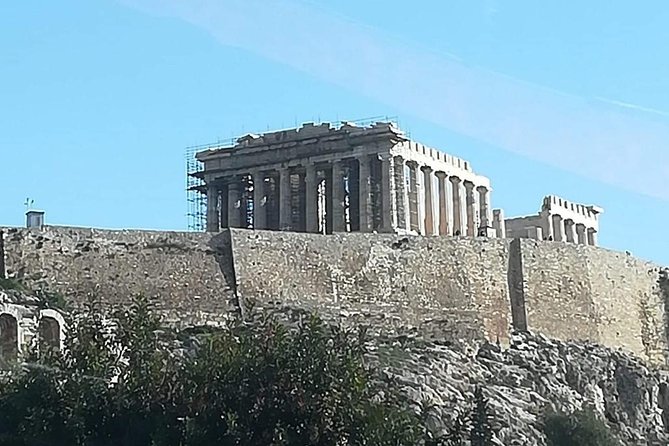
The Acropolis stop is the heart of the day. You’ll ascend the sacred hill and get time to see the architectural highlights: the Parthenon, the Temple of Athena Nike, and the Erechtheion. The views over Athens are the reason people come, but what makes it special is that you’re looking at the physical roots of a lot of what Western art and architecture later copied.
You’re given about 40 minutes at the Acropolis, and that’s enough time to do two smart things. First, take a slow circuit that lets your eyes adjust—columns, carved details, then back out to the city view. Second, stop at the areas that frame the Parthenon from different angles. Even a short visit becomes more rewarding when you treat it like a set of photo-and-thought moments, not a checklist.
Practical heads-up: the Acropolis entry is a ticketed visit with limited timed access, and it’s listed as something you must purchase in advance (entry fee noted as €30 per person). If you use the skip-the-line request or pre-purchase link, double-check you’re buying the right type of ticket for your status. One guest described trouble when the voucher link led to the wrong ticket category, forcing them to repurchase.
Parthenon time: short, focused, and photo-friendly

The tour gives a separate Parthenon stop (about 30 minutes). That might sound redundant if you’ve already seen it from the Acropolis circuit, but the way it’s structured helps you slow down where it matters.
Here’s how I would use the Parthenon time:
- Pause long enough to look past the postcard view and notice the rhythm of the Doric columns.
- Find a spot where you can see how the temple sits on the high ground—this is part of how the whole site was meant to impress.
- Take a few minutes to scan the carved work areas, even if you can’t read everything. Your brain clocks patterns faster than you expect.
It’s a “big moment” site. The tradeoff is time. With a 5–6 hour overall tour, you won’t have hours on the Parthenon. But you can still make it feel complete if you choose a handful of viewpoints and stick with them.
Plaka: the easy win under the Acropolis
After temple time, you get a breather: Plaka for about 30 minutes. Plaka is the neighborhood under the hill, known for winding lanes and classic buildings, with shops and cafés along the way. It’s the part of Athens that feels lived-in, not museum-like.
This stop is valuable because it gives your legs a change of rhythm. You’re not climbing anymore; you’re wandering. Use the time to do the simple things: pick up a small souvenir, grab water if you need it, and look up at the Acropolis from street level. That angle shift makes the whole day feel like it flows rather than jumps.
Plaka is also a good place to reset your energy before Ancient Agora. You’ll be walking a bit in both zones, and having even 20–30 minutes of easier pace helps.
Ancient Agora and Temple of Hephaestus: where Athens argued, traded, and voted
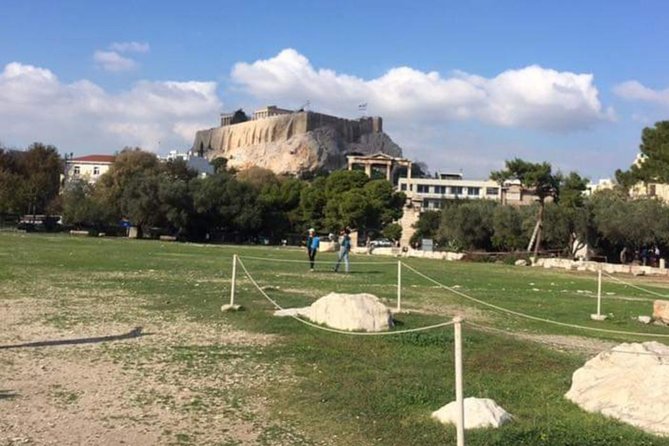
Ancient Athens wasn’t only temples and rulers. The Ancient Agora was the city’s social, political, and commercial center—where ideas, speeches, trade, and daily life all collided.
You get about 30 minutes at the Ancient Agora, including a focus on the well-preserved Temple of Hephaestus (described as one of the best-preserved ancient temples in Greece). This is one of those stops where the ruins feel “human-scale.” You’re walking through remnants of stoas, temples, and gathering spaces, and the payoff is imagining how crowded it must have been in its heyday.
Important ticket note: Ancient Agora has a listed entrance fee of €20 per person. In the stop details, Temple of Hephaestus is also listed as free, so you’ll want to follow the access instructions provided with your voucher or ticket confirmation. The safest move is to treat the Ancient Agora as a paid entrance site and assume Temple access is covered by that entry.
Also, you’ll get one of the day’s best “quiet history” moments here. The pace is slower, there’s more space to look around, and the site gives you a break from the big monumental views.



Temple of Olympian Zeus: scale without the full structure
Next is the Temple of Olympian Zeus, sometimes called the Olympieion. It used to be one of the largest temples in Greece, and it took over 600 years to complete—so yes, people really worked on it that long.
You’ll only have about 15 minutes here, but even in a short stop you can understand the point. You’re seeing massive pillars that make your brain realize how big the original building would have been. When a site is mostly ruins, scale is everything—and this place delivers.
Ticket note: this stop is listed with an entrance fee of €20 per person, purchasable on-site.
My practical tip: don’t spend all your time close to the columns. Walk to a spot where you can see several columns in the same frame. That’s where the “how massive was this?” feeling clicks.
Constitution Square ceremony at the Tomb of the Unknown Soldier
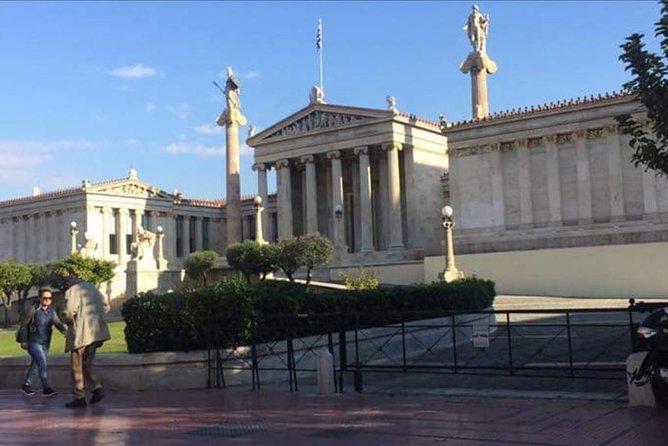
This is a different kind of Athens experience: a solemn monument in front of the Hellenic Parliament, plus the tradition featuring the Evzones in distinctive uniforms.
You’ll have about 30 minutes here. The value isn’t archaeology. It’s seeing a living ritual tied to modern national identity. If you’re the type who likes a little contrast in your sightseeing—temples on one side, ceremony on the other—this stop is a good balance.
It’s also a chance to slow down without feeling like you’re losing the day. You can stand, watch, and take photos without the pressure of walking the next ruin in five minutes.
Lycabettus viewpoints, Panathenaic Stadium, and Temple of Athena Nike
This part of the route is where the day starts stacking in variety.
First, Lykavittos (Mount Lycabettus) for about 30 minutes. You’ll get some of the best panoramic views over Athens, plus the Chapel of St. George at the top for a photo stop. Even if you don’t linger, the viewpoint is worth it because it reconnects the whole day—Acropolis height, city sprawl, and distance—into one mental picture.
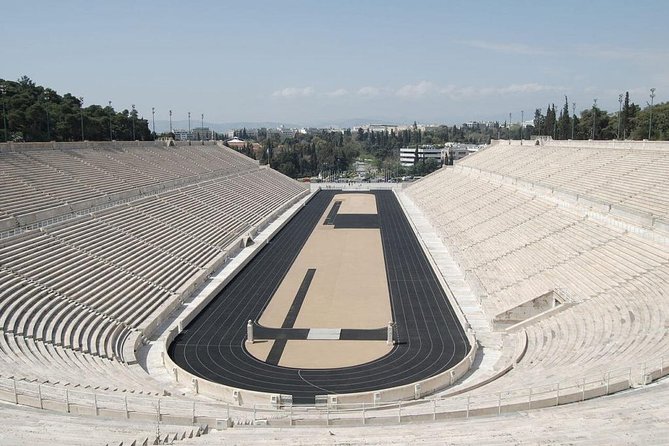
Then you visit Panathenaic Stadium for about 30 minutes. This stadium is famous because it’s the only one built entirely of marble, and it hosted the first modern Olympic Games in 1896. It’s a great stop if you like the idea of history being reused. Here, the athletic spirit doesn’t just live in books.
Finally, back near the Acropolis area, you explore Temple of Athena Nike for about 30 minutes. It’s smaller than the Parthenon, but the Ionic architecture and the location make it special. If you want a “details plus view” stop, this is it. Expect a short visit, not a long sit-down.
All three of these stops are listed as free entry in the tour details, which helps keep your ticket math under control.
Roman Agora, Tower of the Winds, and Hadrian’s Arch
The Roman-era layer of Athens is easy to miss if you’re only thinking about Greeks and gods. This route gives you a concentrated dose.
You’ll spend about 30 minutes at the Roman Agora. It’s described as a commercial and social hub of Roman Athens, and you’ll see features like the Gate of Athena Archegetis and remnants of shops and public spaces. This is the kind of place where you notice the blend of Greek and Roman city planning because the ruins aren’t all “one style” anymore.
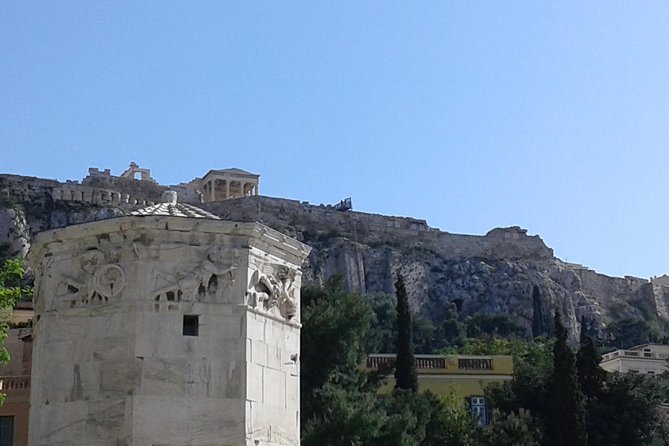
Next is Tower of the Winds for about 15 minutes. The tower is an octagonal structure from the 1st century BC and served multiple functions—clock, weather vane, and water clock. The reliefs for the eight winds add character to what could have been just another old structure. It’s one of those stops that feels clever because the design is built for everyday use.
Finally, Arch of Hadrian for about 15 minutes. It’s a monumental gateway from the 2nd century AD, marking an entrance during Roman times. Even in a quick stop, you’ll feel the point: Athens kept changing, and the Romans made their mark through architecture and ceremony.
Price and logistics: where the real value lives
The published price is $314.42 per group (up to 4). That’s per group, not per person, which can be good value if you’re traveling with 1–3 other people and want a private vehicle for a half-day.
But the price is also why it can feel “pricey” if you’re expecting a fully guided museum-style experience. Here’s what you’re really paying for:
- the private, air-conditioned vehicle and door-to-door pickup
- driver time plus commentary while you’re in transit
- time-saving routing across multiple sites
Entrance tickets are not included. Based on the fees listed for ticketed stops, you should budget for:
- Acropolis & slopes: €30 per person (must be purchased in advance)
- Ancient Agora: €20 per person (purchasable on-site)
- Roman Agora: €10 per person (purchasable on-site)
- Temple of Olympian Zeus: €20 per person (purchasable on-site)
You also have the option to request skip-the-line tickets for the Acropolis, with limited availability, or pre-purchase using the link on your voucher.
One more logistics thing to watch: because the driver won’t enter sites with you, you’ll want to keep an eye on where you’re dropped off and where you plan to meet again. One guest noted that multiple entrances can make it easy to get turned around if you exit from the wrong point. You don’t need to panic—just take a quick look at the meeting area before you wander.
Who should book this Athens Half Day route (and who should skip it)
This tour is best for you if:
- you want the big Athens highlights without planning four separate ticket lines
- you value comfort and time savings (A/C vehicle, hotel pickup, bottled water, free Wi‑Fi)
- you like a mix of guided context from the driver and independent time on-site
- you’re traveling with family or mixed mobility and want flexibility in pace
It might not be the best fit if:
- you want a licensed guide inside every site giving constant interpretation minute-by-minute
- you’re the kind of traveler who needs hours at a single ruin to feel satisfied
Should you book this Athens Half Day Tour?
Yes, I’d book it if your goal is a focused, efficient overview of Athens’ most recognizable landmarks, delivered with private transport and calm pacing. The value is strongest when you’re sharing the group price (up to 4 people) and when you’re okay treating the driver as a smart transit guide rather than a full-time inside-the-ruins lecturer.
If you’re the type who gets satisfaction from reading every inscription and hearing nonstop explanations, consider adding a licensed tour guide option for parts of the day. And for the Acropolis, do your homework on ticket types so your timed entry goes smoothly.
Booked smart, it’s an excellent way to see a lot of Athens without burning your day on logistics.
You Might Also Enjoy



More Tours in Athens


More Tour Reviews in Athens
- All Day Cruise -3 Islands to Agistri,Moni, Aegina with lunch and drinks included
★ 5.0 · 4,958 reviews