REVIEW · ATHENS
Premium Greek Honey Tasting with Yogurt & More
Book on GetYourGuide →Operated by CRU BEE-HAVING Wine & Olive OIl Tastings · Bookable on GetYourGuide
Greek honey can taste like a whole landscape, not just something sweet. This 40-minute session is built as a hands-on masterclass: you sample premium varieties from different regions, get pairing ideas, and finish with an ancient wine tasting. I like that it’s structured and short, so you leave with practical ways to use what you tasted. I also like that you can ask questions in English and talk through how the flavors work with real food.
One thing to consider: this isn’t a casual dessert stop. The focus is on tasting and learning (including combinations), so if you want just a quick, wandering snack with no instruction, you might find it a bit more focused than you expected.
In This Review
- Key things that make it worth your time
- A 40-minute honey masterclass in Central Greece
- Six honeys, four flavours: what you’ll actually taste
- Greek pairing ideas that go way beyond honey on toast
- Yogurt + honey
- Cheese + honey
- Dried fruit + honey
- The host matters: Anton Lianoudakis and a real Q&A vibe
- Ancient wine tasting: honey gets a serious sidekick
- Why Greek honey is a bigger deal than you expect
- Price and value: is $23 worth 40 minutes?
- Who should book this honey tasting
- A few smart tips so you get the most from the tasting
- Should you book Premium Greek Honey Tasting?
- FAQ
- How long is the honey tasting?
- What will I taste during the experience?
- Are food pairings included?
- Is wine included?
- Is the instructor available in English?
- What is the price?
- Can I cancel for a full refund?
- Can I reserve without paying right away?
- Is it suitable for children?
Key things that make it worth your time
- Six honey samples, centered on four key flavours so you get both breadth and clear comparisons
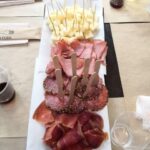
- Pairing masterclass with yogurt, cheese, and dried fruits plus other suggested serving ideas
- Ancient wine tasting that helps you think about honey beyond sweetness
- English instruction with room for questions and personal guidance from the host
- You can buy honey on site, making the takeaway immediate (not just theoretical)
A 40-minute honey masterclass in Central Greece
This experience is set up to fit into a real travel day. At 40 minutes, it’s long enough to taste multiple honeys and learn how to pair them, but short enough that you’re not burning half a day. You’ll also get skip-the-ticket-line service, which matters if you’re chaining activities in central Greece.
The format is also intentionally simple: taste, compare, discuss. That’s where the value lives. Honey can be oddly hard to describe if you only ever buy one jar and call it “honey.” Here, the host guides you through how each style smells and tastes differently, then shows you how to serve your favorite one so you don’t waste it later.
And yes, you’ll be told about honey’s reputation in Greece, from ancient use to modern scientific interest. That context matters because it explains why premium Greek honey isn’t treated like a generic product—it’s treated like something with character.
Quick timing note: starting times vary, so check availability before you lock in your day plan. The experience also lists free cancellation up to 24 hours in advance for a full refund, plus a reserve now, pay later option so you don’t have to commit immediately if your schedule might shift.
You can also read our reviews of more food & drink experiences in Athens



Six honeys, four flavours: what you’ll actually taste
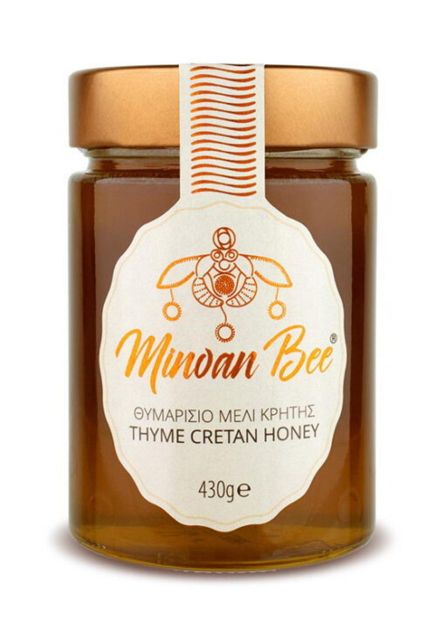
The experience is described in two overlapping ways: you’re “trying four Greek honey flavours,” and the included tasting covers “six honeys from different regions & different styles.” In practice, that usually means you focus on four distinct flavor profiles while still sampling additional honeys so you can compare more options overall.
What you do get, clearly:
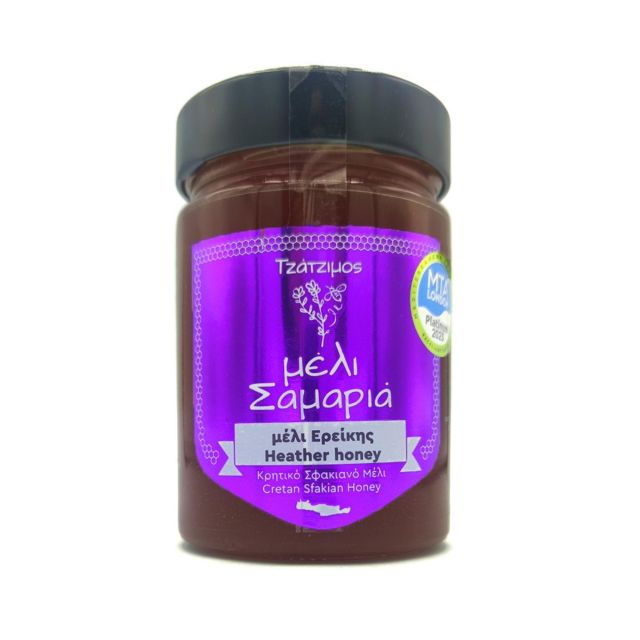
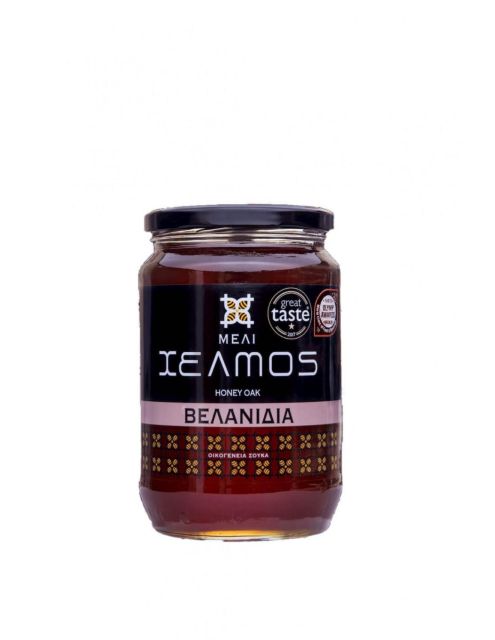
- Multiple honeys from different regions
- Different styles (so it’s not just the same honey in different jars)
- A structured tasting flow that helps you remember what you liked and why
This is where I see the “masterclass” label earning its keep. A basic tasting might let you sip and shrug. This one is meant to teach you the language of honey. Once you can tell what you’re tasting—floral vs. herbal notes, lighter vs. deeper impressions—you stop treating honey like a one-size condiment.
You’ll also get food samples to build combinations. That turns the tasting from a moment into a skill. Honey can taste great alone, but it often tastes even better when it’s doing a job on a plate.
Greek pairing ideas that go way beyond honey on toast
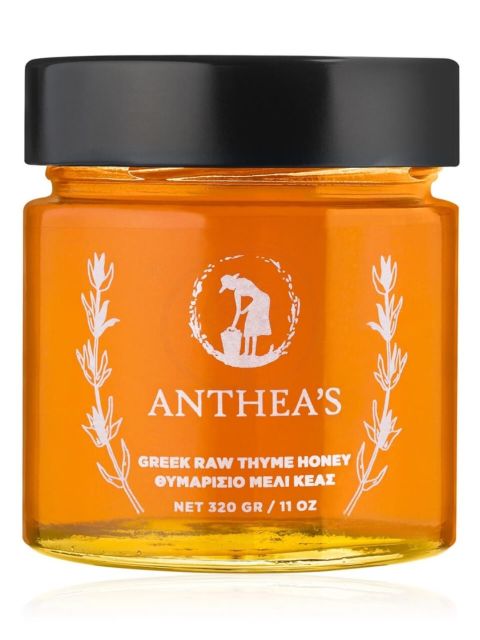
The headline pairing framework is straightforward: you’ll combine your favorite honey with yogurt, cheese, dried fruits, and other serving ideas suggested during the tasting. The reason this works is simple: honey’s sweetness is only the entry point. The real magic is how it interacts with salt, fat, tang, and chewy textures.
Here’s what the combos are likely helping you understand:
Yogurt + honey
Yogurt gives you tang and creaminess, so honey doesn’t just add sugar—it adds perfume and complexity. If you pick a honey with more herbal character, it can taste more “grown up” when it hits yogurt’s cool acidity.
Cheese + honey
Cheese brings salt and richness. Honey can soften sharp edges and add a floral or woody note on top. This pairing tends to reveal the honey’s depth fast, because cheese won’t let you hide behind sweetness.






Dried fruit + honey
Dried fruits already concentrate flavor. Honey then brings a complementary aroma that can make the whole bite taste more layered instead of just sweet-sweet.
A useful takeaway from this kind of format is that you’ll start thinking like a server: What does my honey taste like, and what will amplify it on the plate? That’s the skill you can use back in your apartment with whatever yogurt or cheese you find locally.
Also, since the experience includes food samples, you’re not stuck doing mental math about portions. You get a real-world reference for how to assemble a quick snack board.
The host matters: Anton Lianoudakis and a real Q&A vibe
One of the most praised parts is the host’s approach. In this case, the instructor named in the experience is Anton Lianoudakis. The repeated theme is passion mixed with practical instruction. People don’t just feel entertained; they feel guided.
In an experience like this, that distinction matters. Honey tasting can turn into vague praise if the guide doesn’t explain what you’re tasting and what to do with it afterward. Here, the guidance is specifically about:
- tasting nuance—how one honey differs from another
- learning which honey pairs well with which types of food
- answering questions so your knowledge sticks
You’ll also find that being able to ask questions in English makes this feel less like a lecture and more like a friendly, focused conversation. That’s a great format if you’re traveling solo, too. You’re not forced into a scripted, one-direction experience.
Another small detail that adds real value: you can buy the products on site. That’s the best kind of souvenir. Instead of bringing home a wrapper, you bring home the thing you learned to appreciate.
Ancient wine tasting: honey gets a serious sidekick
One of the highlights listed is ancient wine tasting. Even without turning this into a full history lesson, wine is a smart companion for honey.
Here’s the practical reason: wine adds acidity, aroma, and structure. Honey adds sweetness and floral/plant character. Put them together, and you start noticing how honey changes depending on what it’s tasted against.
That helps in two ways:
- You learn which honey styles hold up when paired with something fermented and complex.
- You stop thinking of honey as only a dessert ingredient.
If you’re the type who likes Greek food culture beyond the main course, this part gives you a broader lens. You’re not just tasting; you’re building pairings that make sense in real life.
Why Greek honey is a bigger deal than you expect
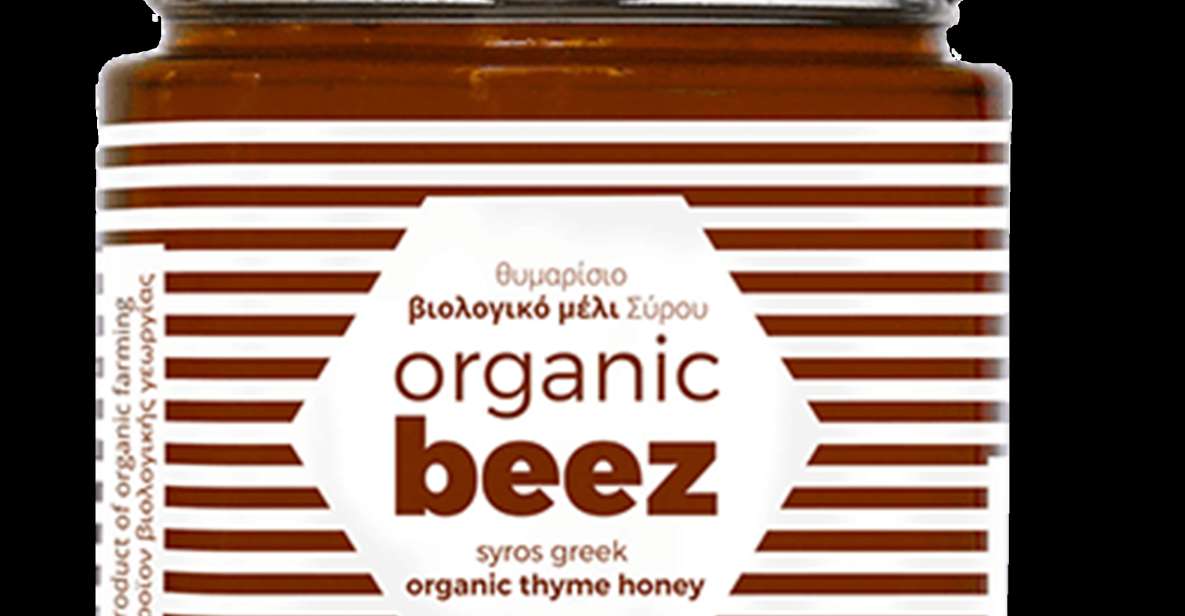
Greek honey’s reputation doesn’t come out of nowhere. The experience connects modern science and ancient testimony, and that gives the tasting extra weight.
You’re told that Greece has produced notably great honey since antiquity. The Romans supposedly praised Greek honey to a level of near-worship and recognized medicinal properties, including its use for military wound treatment. Whether you treat that literally or as a historical reflection of the value people placed on honey, it signals that honey was seen as more than table sugar.
Then the modern angle: recent scientific studies are described as finding that premium herbal honey from Greek islands can show antibacterial and anti-inflammatory properties, sometimes at levels compared with or even exceeding Manuka honey.
For you, the takeaway shouldn’t be medical advice. The takeaway is that premium Greek honey has enough reputation behind it to justify careful production and careful tasting. When a product has that kind of cultural and scientific attention, it’s worth taking a few minutes to learn what makes it distinct.
And that’s what this session does. It turns “Greek honey is great” into: I know what I like, and I know how to serve it so it tastes like itself.
Price and value: is $23 worth 40 minutes?
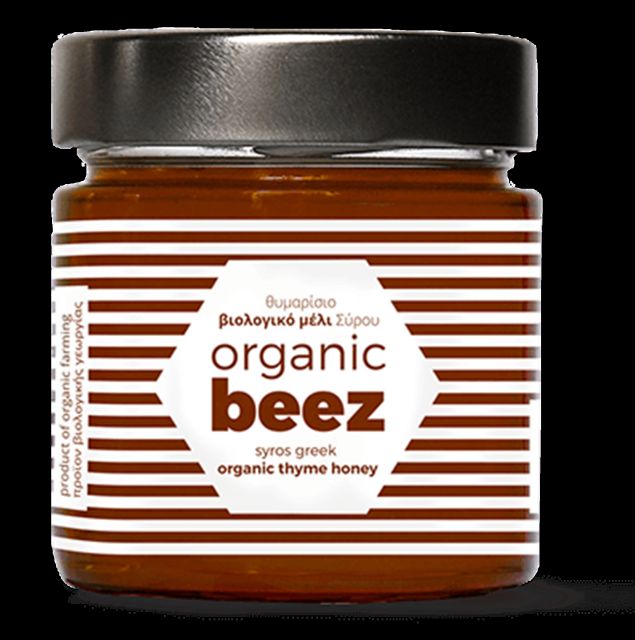
At $23 per person, you’re paying for several things at once:
- multiple premium honey tastings from different regions/styles
- food samples (yogurt and fruits, plus cheese as part of the pairing framework)
- a guided masterclass in English
- additional tasting via ancient wine
The value question is really about whether you’ll use what you learn. If you’re the kind of person who likes to eat well and experiment with food pairings, this price can feel reasonable because you leave with a repeatable formula. You won’t just remember flavors; you’ll remember what to try next time.
If you’re only hoping for a small sugary sample and don’t care about learning, then $23 can feel steep for a short session. But the design here is meant for people who want to take something home: pairing ideas, a sense of honey nuance, and typically a chance to buy products on site.
So I think this is good value for food-minded travelers, especially if you’ve already done the big sightseeing blocks and you’re hungry for something small, local, and different.
Who should book this honey tasting
This experience fits best if you:
- want an off-the-beaten-path food activity in central Greece
- like structured tasting events with real explanations
- enjoy pairing ideas you can use later (yogurt, cheese, dried fruit)
- want an activity that’s short at 40 minutes but not superficial
- travel with curiosity and plan to ask questions in English
It may not suit you if:
- you want a purely casual snack without instruction
- you prefer long, slow tastings rather than a compact class format
- you’re traveling with very young children
The experience lists it as not suitable for children under 7 and people over 95, so if that affects your group, plan accordingly.
A few smart tips so you get the most from the tasting
You can’t control the flavor you’ll love, but you can control how much you learn during the session. Here are practical habits that help in a honey masterclass:
- Take quick notes (even on your phone). Honey flavors can blur fast once you’ve tasted several.
- Pay attention to the pairing order. Honey that tastes perfect alone might taste different with yogurt or cheese.
- Ask at least one question about serving. If the host is guiding you toward combinations, use that time to get advice you’ll actually apply later.
- If you plan to buy honey, taste thoughtfully. Having a favorite in mind before you reach the purchasing stage can prevent decision fatigue.
And if you’re building a day itinerary, treat this like a compact “food workshop.” Schedule it so you have time afterward to shop or plan a simple snack at your accommodation.
Should you book Premium Greek Honey Tasting?
If you like food experiences that teach you something useful, I’d book it. The biggest selling points are the short 40-minute format, the premium honey focus, and the way the session turns tasting into pairing knowledge with yogurt, cheese, dried fruits, and more.
It’s also a strong choice when you want a break from the standard sightseeing rhythm. Even if you’re already familiar with Greek food in general, this pushes into a narrower, more specific product world—and that’s where memorable travel moments come from.
Book it if you’re the type who will use the ideas at home: you’ll remember your favorite honey style and know what to serve it with next time you see the right yogurt, cheese, or dried fruit. Pass if you just want a quick sweet bite and nothing else, or if your group includes someone outside the stated age suitability range.
FAQ
How long is the honey tasting?
The duration is 40 minutes.
What will I taste during the experience?
You’ll taste premium Greek honey, with six honeys from different regions and styles included, while the session focuses on four honey flavours.
Are food pairings included?
Yes. You’ll get samples such as yogurt and fruits, and the experience includes ideas for pairing honey with yogurt, cheese, dried fruits, and more.
Is wine included?
Ancient wine tasting is listed as one of the highlights.
Is the instructor available in English?
Yes. The instructor speaks English, and the experience is listed with English language support.
What is the price?
The price is $23 per person.
Can I cancel for a full refund?
Yes. Free cancellation is available up to 24 hours in advance for a full refund.
Can I reserve without paying right away?
Yes. The experience offers reserve now and pay later, so you can book your spot and pay nothing today.
Is it suitable for children?
No. It is not suitable for children under 7 years, and it is also listed as not suitable for people over 95 years.
You Might Also Enjoy




More Food & Drink Experiences in Athens


More Tour Reviews in Athens
- All Day Cruise -3 Islands to Agistri,Moni, Aegina with lunch and drinks included
★ 5.0 · 4,958 reviews