REVIEW · ATHENS
Philosophy Experiential Workshop at Aristotle’s Lyceum, Athens
Book on Viator →Operated by Hellas Revival · Bookable on Viator
Socratic questions meet Athens ruins. This small-group English workshop threads Socrates, Plato, and Aristotle through the paths you walk at Aristotle’s Lyceum, starting at Rizari Park and ending with reflections overlooking the archaeological site.
I especially like the plain-English approach. It’s made for people with no prior philosophy background, and the facilitator keeps terms simple with everyday examples, so you’re not stuck trying to decode ancient words.
I also love the hands-on format, especially the virtue-choice game and the lively discussion that follows. From the way the workshop leaders are described, both Alex and Eva get praise for making it easy to ask questions and share your own ideas without feeling put on the spot.
One consideration: it’s outdoors. If weather turns, the workshop can be canceled with notice and you’ll get a choice of a different date or a full refund.
In This Review
- Key highlights to know before you go
- Where Philosophy Starts: Rizari Park to the Lyceum Walk
- Aristotle’s Lyceum Grounds: How the Walk Becomes the Lesson
- Virtue-Choice Game: Aristotle’s Ethics with Real-Life Friction
- Eudaimonia at Walking Pace: Turning Theory Into Your Next Choice
- Aristotle Quotes in Ancient Greek: The Final Reflection Over the Ruins
- Optional Upgrade: An Extra Hour of Plato’s Philosophy and Debate
- Practical Stuff That Actually Matters: Price, Tickets, Duration, and What to Bring
- Should You Book This Aristotle’s Lyceum Philosophy Workshop?
- FAQ
- What’s the meeting point for the workshop?
- How long does the philosophy workshop last?
- Is the workshop guided like a typical museum tour?
- Is the entrance fee to Aristotle’s Lyceum included?
- What languages is the workshop offered in?
- What if the weather is bad?
- How big is the group?
- What ages can participate?
Key highlights to know before you go
- Start in Rizari Park under trees, then walk philosophy into the ruins of the Lyceum area.
- Aristotle’s Lyceum entry is extra at €5 per person, while the workshop itself is guided and discussion-based.
- Small group size (max 10) keeps the conversation active instead of drifting into lecture mode.
- Virtue dilemmas become a game, so ethics doesn’t stay trapped in theory.
- Finish at an open-air amphitheater, with selected Aristotle quotes read in Ancient Greek.
- Optional upgrade on Plato adds a full extra hour with an interactive ethics debate.
Where Philosophy Starts: Rizari Park to the Lyceum Walk
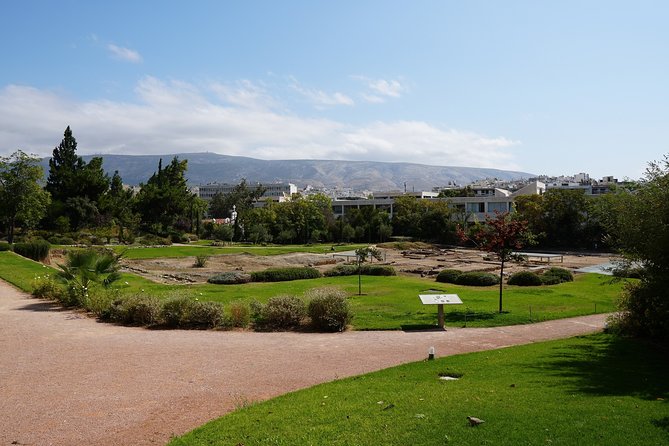
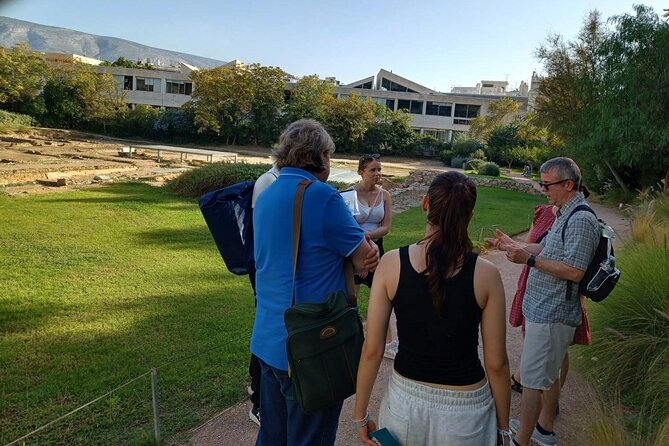
The experience begins in the calm of Rizari Park, near the center of Athens. You meet at Vasilissis Sofias 24, then settle under the shade before you move at a walking pace into ancient ideas.
The workshop leader starts with a short timeline of ancient Greek philosophy, connecting the major figures in a way that feels like a conversation, not a class. I like that the pace is built for discussion. You’ll get enough context to follow what’s going on, even if your philosophy knowledge starts and ends with the occasional high-school mention of Plato.
Then you transition from the trees to the nearby archaeological setting of Aristotle’s school area. The idea is simple: the walk is part of the teaching. You’re not just looking at ruins; you’re using the location as a prompt for how these thinkers might have reasoned in daily life.
Practical note: this is not a traditional guided tour where the goal is history facts on a schedule. It’s a philosophy experience, and it stays focused on applying ethics—especially Aristotle’s ideas—to real choices.
You can also read our reviews of more tours and experiences in Athens



Aristotle’s Lyceum Grounds: How the Walk Becomes the Lesson
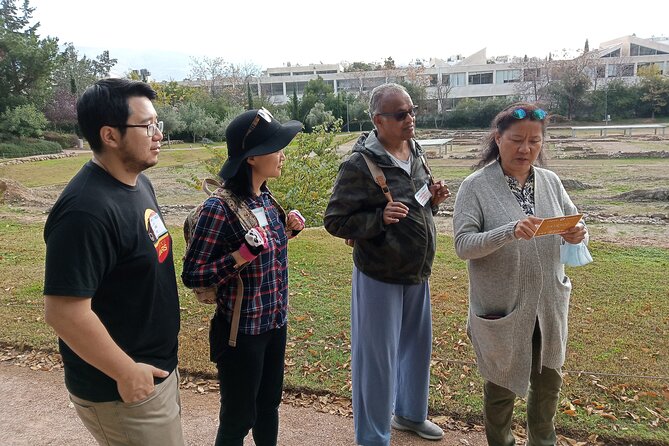
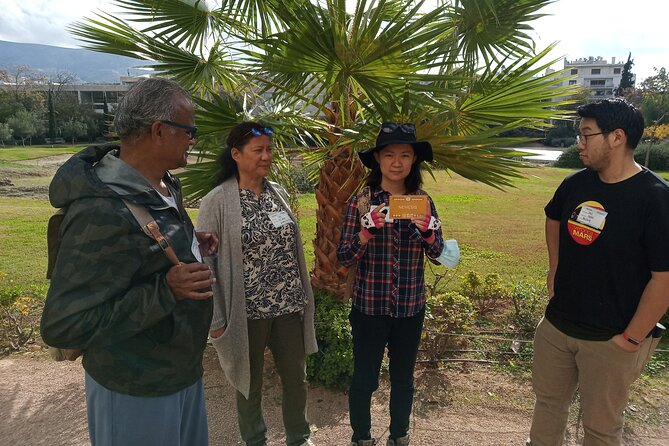
Once you’re at the archaeological site, you’ll be in the environment Aristotle is tied to through his school at the Lyceum. You’re guided through the area in a way that makes the setting feel relevant to the ideas you’re discussing.
One important detail: entry to the Lyceum archaeological site is not included. You’ll need to plan on paying €5.00 per person for admission, then join the workshop where it fits into the site. The upside is that you’re not paying an all-in museum-style markup; you’re paying for the discussion, the format, and the facilitator time.
The workshop uses the physical act of walking—slow steps, pauses, and moments of reflection—as part of the learning design. That matters because ethics theory can feel abstract. Here, you keep getting asked to consider how virtue and moral choices show up in situations you recognize.
It also helps that the group stays small, with a maximum of 10 people. With fewer people in the mix, you’re more likely to speak up and less likely to go into tourist mode where you just follow silently.
Virtue-Choice Game: Aristotle’s Ethics with Real-Life Friction
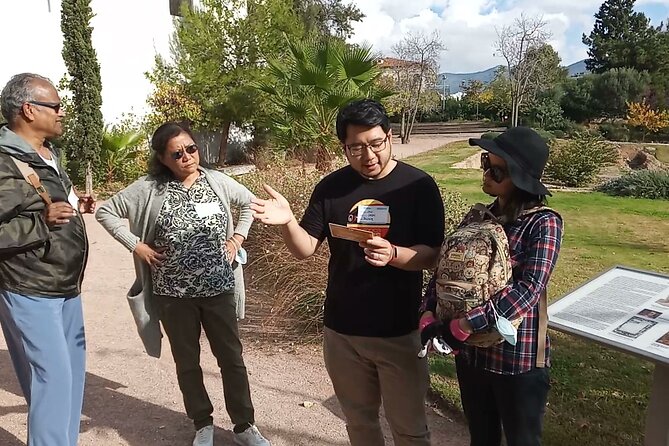
At the heart of the workshop is a fun, thought-provoking virtue-choice game. This is where the experience earns its keep if you like learning by doing rather than by listening.
The workshop is built around ethical dilemmas—choices where you can’t win by being extreme. You’ll talk through how virtues work as habits and how moral character is tested when life gets messy. That’s where Aristotle’s approach comes in, especially the idea of finding the right balance between too much and too little.
A specific theme you’ll likely hear is the “golden mean” between virtues and vices. In practice, that means you don’t get an easy cheat sheet like be nice, always. Instead, you’re guided to think about how the same behavior can be virtuous in one context and harmful in another, depending on intention and circumstances.
I like this approach because it doesn’t treat ethics like a trivia quiz. It treats ethics like a daily skill—something you build. And even if you’re new to the subject, you’re not left behind. The facilitator uses plain English, explains terms, and uses examples to keep the discussion grounded.
If you’re the kind of traveler who likes to talk with people, this section is the payoff. You’ll have chances to react to the dilemmas, not just hear the leader’s interpretation.
Eudaimonia at Walking Pace: Turning Theory Into Your Next Choice
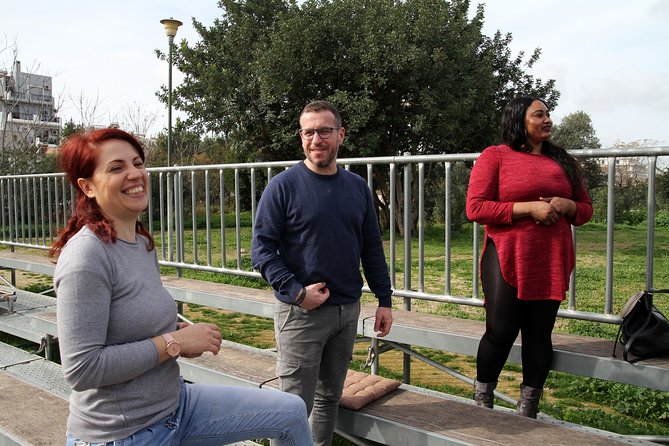
Aristotle’s moral theory is aimed at eudaimonia, often described as a life well-lived. In a museum setting, that sounds philosophical and far away.
On this workshop walk, it gets translated into questions you can actually use: What does a good life require in practice? What character traits support wise living? How do you recognize when you’re drifting into the wrong extremes?
This is where the discussion time really matters. You’re not just getting definitions. You’re using them. The facilitator prompts reflection as you move through the setting tied to Aristotle’s school, which makes the whole conversation feel less like an online article and more like a live thinking exercise.
If you’re visiting Athens and want more than photos, this is the kind of activity that changes how you see the city. You start noticing how ideas are rooted in daily practice—work, relationships, responsibilities—things that can feel universal even when they’re framed by ancient thinkers.
Aristotle Quotes in Ancient Greek: The Final Reflection Over the Ruins
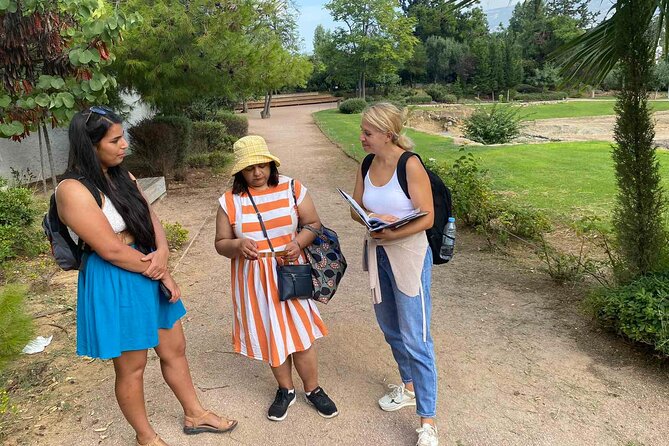
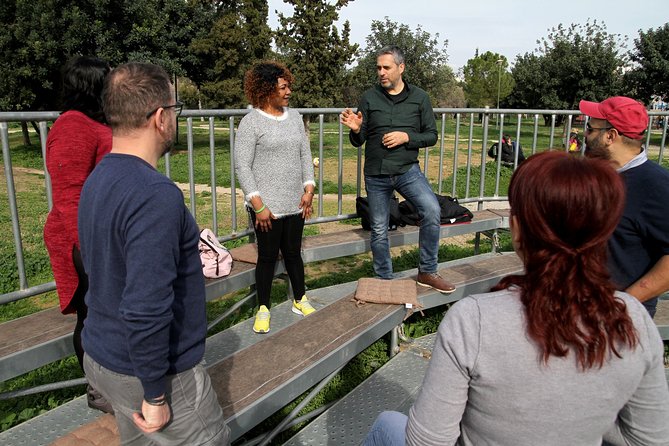
The workshop ends back at an open-air amphitheater with a view of the ruins. This is where you slow down and shift from discussion to reflection.
You’ll read selected quotes from Aristotle, including a moment where the quotes are presented in Ancient Greek. That detail may sound intimidating, but it’s handled in a way that’s meant for learners. Even if you don’t know the language, you still get the meaning and relevance through explanation and guided reflection.
This ending format works well because it gives you a closing loop. You’ve worked through dilemmas with others, and then you step back and connect those ideas to a bigger picture: what Aristotle’s wisdom still asks of us, now.
I also think the amphitheater setting helps your brain stop multitasking. You’re in a small group, outdoors, with a view. It’s easier to let the ideas land when the surroundings do some of the storytelling.
- All Day Cruise -3 Islands to Agistri,Moni, Aegina with lunch and drinks included
★ 5.0 · 4,958 reviews






Optional Upgrade: An Extra Hour of Plato’s Philosophy and Debate
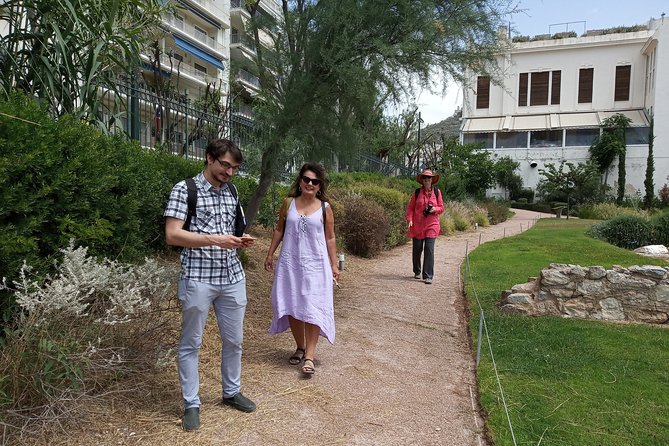
If you want more, there’s an option to add an extra hour on Plato’s Philosophy. This includes an interactive debate on an ethical dilemma.
This upgrade is a smart choice if you’re the type who wants more conversation time and less closure. The base workshop is already discussion-heavy, but the extra hour leans further into debate dynamics, where you’ll sharpen your thinking by responding to different viewpoints.
You’ll also likely get another layer of context on how Plato’s approach connects to the broader ethical questions you’ve already been working on during the Aristotle-focused portion. It’s a good add-on for teens and adults who like dialogue and want to stretch the experience beyond the 1 hour 45 minutes.
Practical Stuff That Actually Matters: Price, Tickets, Duration, and What to Bring
Cost and value: The workshop price is $54.01 per person. That includes the expert facilitator and liability insurance, plus local VAT 24%. What’s not included is the archaeological site admission fee of €5.00 per person.
I think that’s fair value for two reasons. First, you’re paying for an active learning format (discussion plus activities), not just an entrance ticket. Second, the group is capped at 10 travelers, which is a big deal for getting your questions answered.
Duration: Plan for about 1 hour 45 minutes. If you add the Plato upgrade, you’re extending your time with the group by another hour.
Language: The workshop is offered in English, and the facilitator uses plain explanations so you can join even without prior knowledge.
Outdoor reality: Weather matters. The workshop takes place outdoors, and if it’s canceled due to poor weather, you’ll be notified at least 3 hours ahead and offered a different date or a full refund.
What to wear and bring: Wear comfortable shoes for walking and uneven ground. Bring water and plan for sun or shade based on the day. Since you’re outdoors, bring any medication you need, especially allergy meds—there’s first aid training, but medication isn’t provided.
Respect the site: This is a heritage and cultural setting. You’ll be asked to follow respectful conduct (including dress code, cleanliness, and noise level). The facilitator can end participation without refund if someone behaves disrespectfully.
Group and meeting point: It ends back at the meeting point. You start at Vasilissis Sofias 24, Athina 106 76, Greece, near public transportation, and confirmation comes at booking.
Who it suits: It’s for adults and teenagers over 14. Underaged participants can’t book alone; at least one adult must book and supervise.
Animals: Service animals are allowed.
Should You Book This Aristotle’s Lyceum Philosophy Workshop?
Book it if you want Athens to feel like more than a photo stop. This is ideal when you enjoy thinking through ethical questions and you like learning through conversation, games, and guided reflection. The small group size makes it practical if you’re tired of big tour crowds and want real back-and-forth.
I’d also book it if you have little or no philosophy background. The workshop is designed so you can follow terms in simple language with examples, and the facilitator keeps space open for questions.
Skip it or reconsider if you dislike outdoor activities. Weather can be the deciding factor, and the whole format depends on being in the park and walking through the historical site area. Also, if you strictly want a classic history tour full of monument facts, you may find this more thinking-focused than information-dense.
If you’re aiming for a meaningful, small-group Athens experience that ties ideas to place, this is a strong match.
FAQ
What’s the meeting point for the workshop?
You’ll meet at Vasilissis Sofias 24, Athina 106 76, Greece, and the activity ends back at the meeting point.
How long does the philosophy workshop last?
The workshop lasts about 1 hour 45 minutes (approx.).
Is the workshop guided like a typical museum tour?
No. It’s a philosophy experience, not a guided tour. It’s designed to work even if you have no prior knowledge.
Is the entrance fee to Aristotle’s Lyceum included?
No. Aristotle’s Lyceum admission is not included and costs €5.00 per person.
What languages is the workshop offered in?
The workshop is offered in English.
What if the weather is bad?
Because it’s outdoors, it can be canceled due to poor weather. You’ll be notified at least 3 hours ahead and offered a different date or a full refund.
How big is the group?
The experience has a maximum of 10 travelers.
What ages can participate?
It’s suitable for adults and teenagers over 14. Underaged participants cannot book alone; at least one adult should book and supervise. Service animals are allowed.
You Might Also Enjoy



More Workshops & Classes in Athens



More Tour Reviews in Athens
- All Day Cruise -3 Islands to Agistri,Moni, Aegina with lunch and drinks included
★ 5.0 · 4,958 reviews