REVIEW · ATHENS
The Apostle Paul’s Missionary Journey in Athens and Corinth
Book on GetYourGuide →Operated by Colours of Greece · Bookable on GetYourGuide
Paul’s words bounced off real stones. This private 8-hour route links Athens to Corinth with Ancient Agora and the Areopagus sermon hill, so you’re not just sightseeing—you’re following a message in the exact places it landed.
What I like most is how the day mixes guided context with time to wander, so the stops feel useful, not rushed. I also love that you get a focused route through both cities, with special attention to Corinth sites tied to Paul’s travels.
One possible drawback: entry fees to archaeological sites and museums aren’t included, and most site exploring is self-guided rather than done with a licensed guide inside the ruins.
In This Review
- Key highlights worth planning around
- Athens pickup to Saint Dionysius: the day’s pace and first landmarks
- Ancient Agora and the Areopagus: what to look for when you’re not being rushed
- The drive to Corinth: Isthmus of Corinth and a map in motion
- Acrocorinth: fortress views and self-guided time that pays off
- Archaeological Museum of Ancient Corinth: the best “context stop” before the ruins
- The real value: how the driver-led history turns ruins into meaning
- Price and logistics for $79: what you’re paying for (and what to plan for)
- Who this Paul in Athens and Corinth tour suits best
- Should you book this Paul itinerary through Athens and Corinth?
- FAQ
- How long is the tour?
- Is this a private tour?
- Where does the tour start and end?
- What’s included in the price?
- Are entrance fees included for archaeological sites and museums?
- Do I get a licensed guide inside the archaeological sites?
- Is time at each location guided or self-guided?
- Is there WiFi and water during the tour?
- What is the cancellation policy?
Key highlights worth planning around
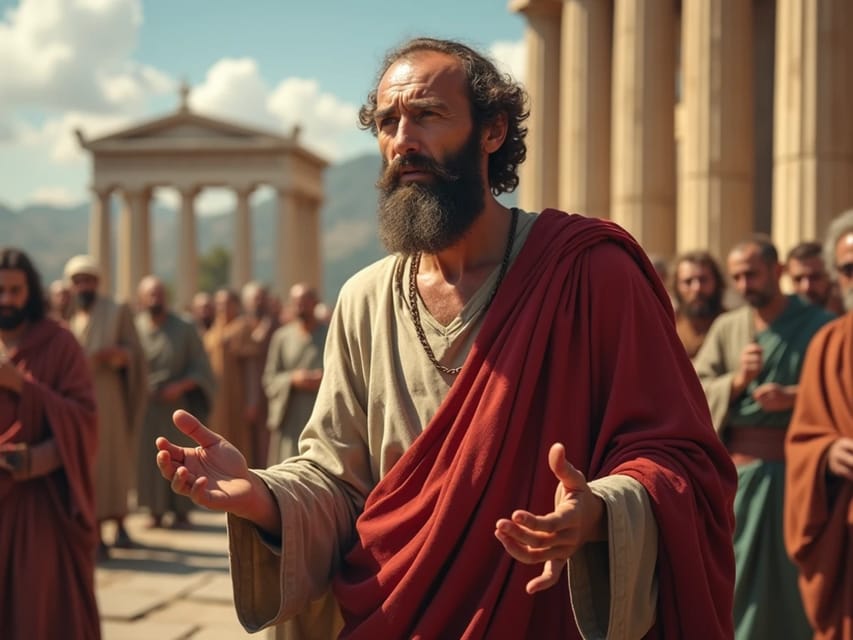
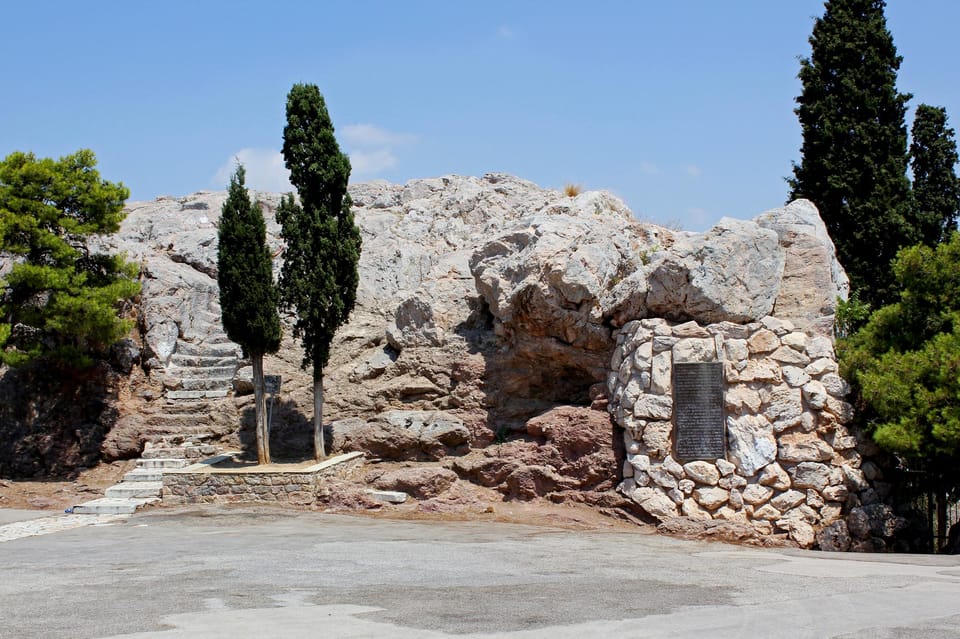
- Ancient Agora + Areopagus: you’ll stand where Paul’s speech tradition is placed, then have time to look around yourself
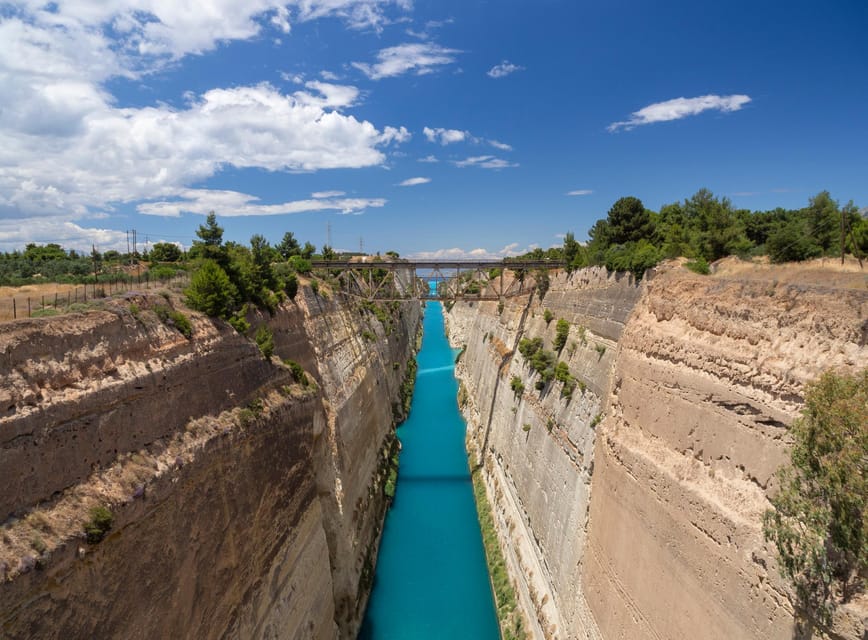
- Corinth Canal viewpoints: a quick scenic break that helps you picture the ancient world’s geography
- Kechries Port excavations: a stop tied to the early Corinth story and the port area
- Acrocorinth (fortress hill): self-guided time for the big views over the region
- Archaeological Museum of Ancient Corinth: a practical “place your photos in context” stop before the ruins
Athens pickup to Saint Dionysius: the day’s pace and first landmarks
Your day starts with hotel pickup in Athens, then a straightforward transfer (about 30 minutes) as the route aims you toward Paul’s Athens context. The tour keeps a steady tempo: you’re moving often enough to feel like you’re getting somewhere, but not so frantic that you can’t stop for photos or quick questions.
Early on, there’s a photo stop at Holy Church of Saint Dionysius the Areopagite, the patron saint of Athens. This isn’t one of the big ancient sites where you spend hours, but it’s a clever opener because it sets the religious map of the city—where later Christian tradition tied the Athens story to named figures. Even if you’re not a church-person, it’s a good way to understand why people keep revisiting these same locations.
If you’re going on a day with hot weather, the practical detail matters: the vehicle is air-conditioned, and you’ll have bottled water. That sounds small until you’re climbing steps later in the day.
You can also read our reviews of more tours and experiences in Athens.
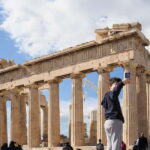

Ancient Agora and the Areopagus: what to look for when you’re not being rushed
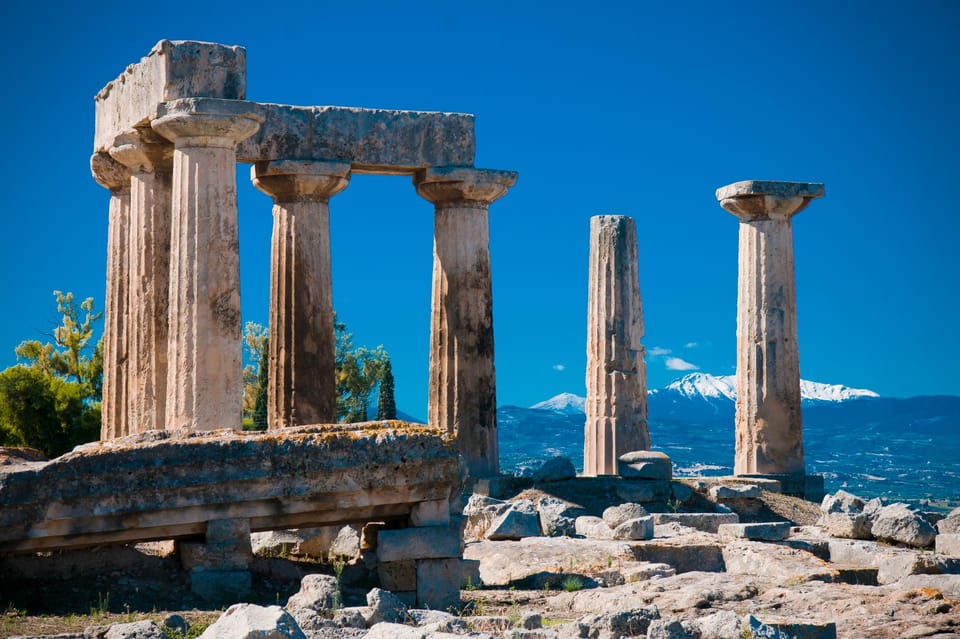
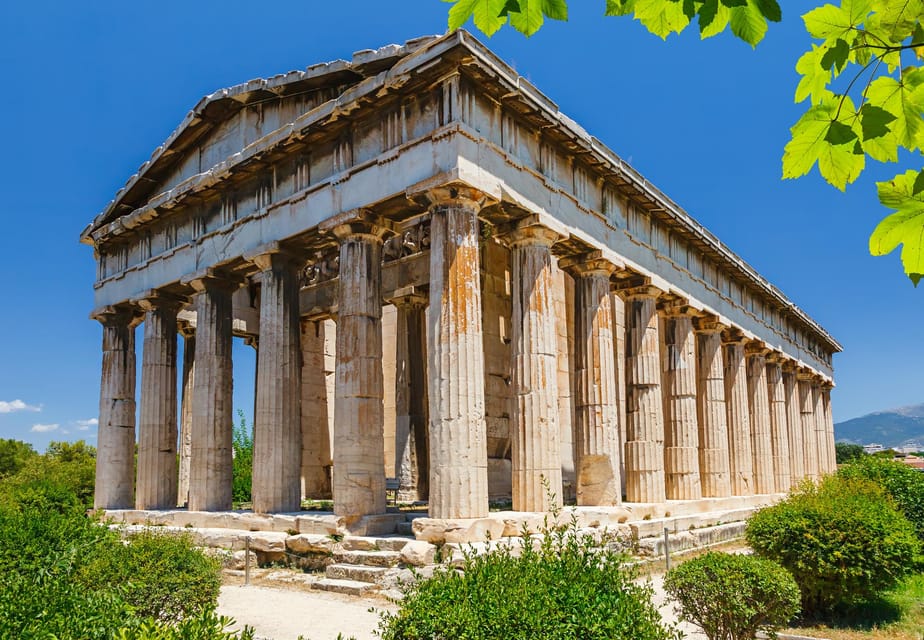
In Ancient Agora of Athens, you get about one hour for a self-guided visit. This is one of the best ways to do the Agora for a first-timer. A licensed guide can be great, but self-guided time works here because the driver brings the big picture in transit, and then you’re free to slow down where your curiosity pulls you.
When you’re at the Agora, focus on three things:
- Try to orient yourself. Even a quick glance around helps you feel how a public space shaped conversations, trade, and ideas.
- Look for what feels like a “stage”. Paul’s Athens moment is remembered for a public address, so noticing the layout helps it make sense.
- Use your time for photos without pressure. This tour’s design gives you enough freedom to stop, step back, and re-frame.
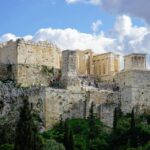
Then comes the Areopagus. You’ll have about 30 minutes for sightseeing. This is the moment people remember, because the Areopagus hill is linked to the sermon area tied to Paul’s speech in Athens. It helps to bring a calm mindset here: you’re not chasing a single exact spot with a checklist—you’re trying to picture how someone would speak to an audience, and how the setting might shape what was heard.
Practical note: some car talks can get lost if you’re in the back or the windows are up for air-conditioning. If you care about every detail, sit where you can hear clearly and don’t be shy about asking the driver to repeat or clarify.
The drive to Corinth: Isthmus of Corinth and a map in motion
After Athens, you’ll transfer again (about one hour) toward Corinth. On the way, you stop at the Isthmus of Corinth for about 20 minutes of sightseeing. This is a short break, but it’s a smart one, because the isthmus is the geographic hinge of the story. When you see this corridor between two seas, you start understanding why Corinth mattered for travel, goods, and ideas.
From there, you head to Kechries Port for about 20 minutes. This is where the itinerary gets interesting for people who want more than the headline sites. The port area is tied to the early Corinth setting, and it’s a nice contrast to Athens: Athens feels like a discussion city, while Corinth feels like a meeting point for movement.
The best use of this portion of the day is simple: don’t just take a photo—take a minute to connect the dots. Ask yourself: where would ships arrive, where would people pass through, and where would news travel? That mental exercise helps the Paul story click into place.
Acrocorinth: fortress views and self-guided time that pays off
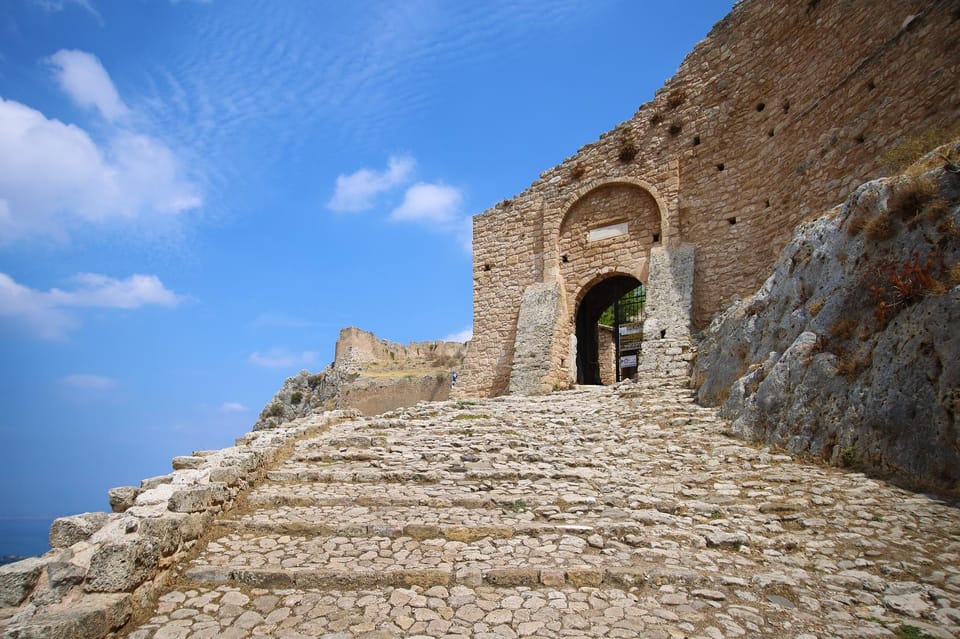
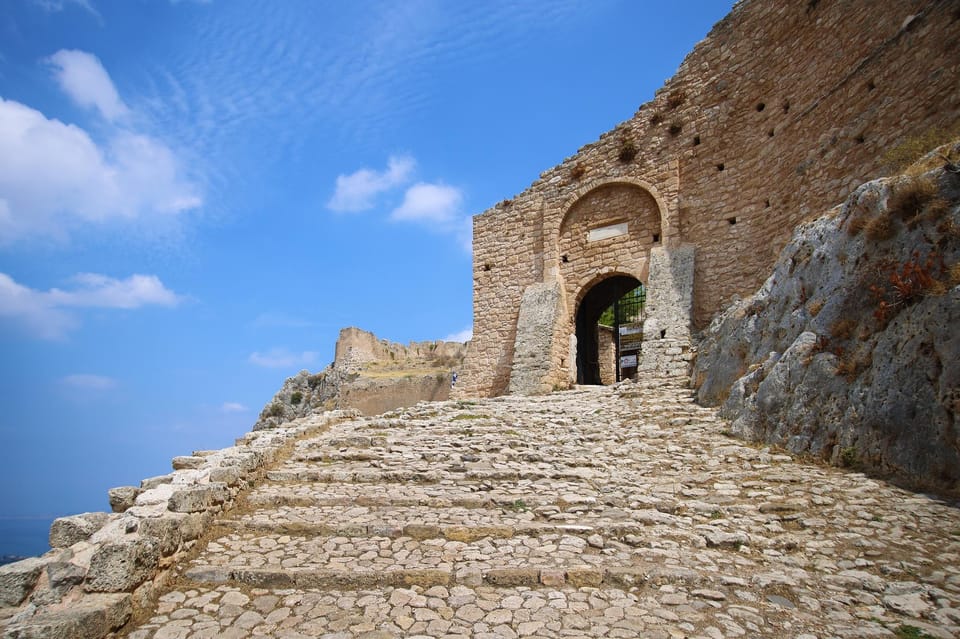
Next up is Acrocorinth, with about 30 minutes for self-guided exploring. This hilltop fortress site is a fantastic choice for a self-guided stop because the views do a lot of teaching for you. Even if you only have half an hour, you can still get the feeling of how Corinth’s power and defense worked.
Self-guided time can be a mixed bag at archaeological sites, but Acrocorinth is one of the better places for it. You’re not stuck translating tiny inscriptions. You’re standing in a landscape (literally) that explains why people fought over this region.
What I recommend doing with your time:
- Start high-level first: get your panorama, then come back down mentally to connect it to the town below.
- Take your photos, then watch your own reaction. If it suddenly feels more real, you’re doing it right.
- Keep your shoes ready. The terrain can be uneven, and you’ll want your footing when you’re stopping for pictures.
Archaeological Museum of Ancient Corinth: the best “context stop” before the ruins
Before you head into the larger ruins, you’ll visit the Archaeological Museum of Ancient Corinth for about 45 minutes for self-guided time. This stop is quietly one of the highest-value parts of the day. Ruins are powerful, but museum objects and labels help you avoid the common issue where you see stones and feel lost.
You don’t need to read every label. Instead, pick a few key objects or sections and let them anchor your imagination for what you’ll see outside. Think of it as setting your mental lens before you walk the site.
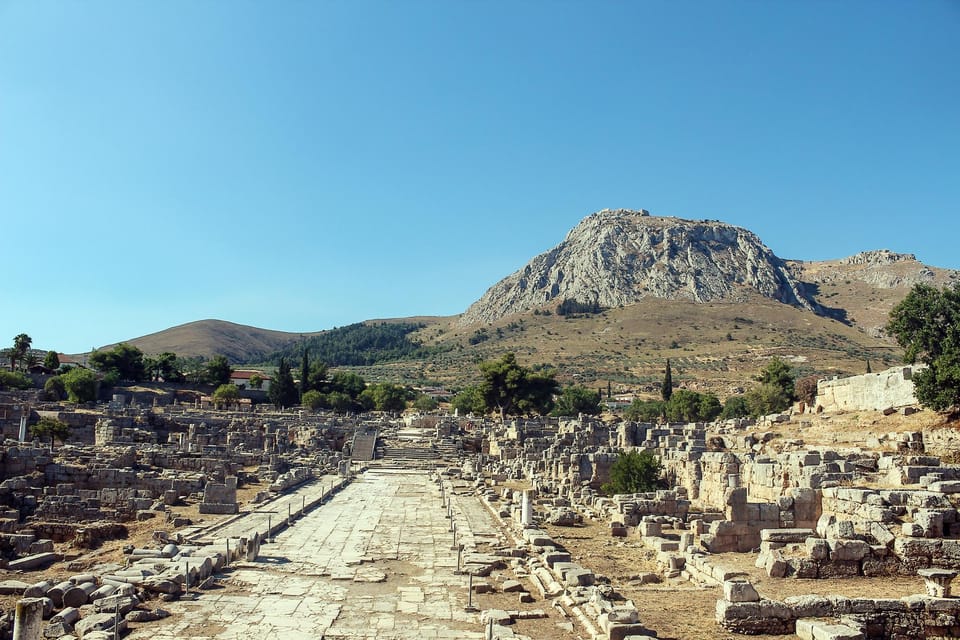
After that, you’ll have about one hour for Ancient Corinth self-guided touring. This is where you’ll want to be efficient, because you have a full day and transfers still follow.
When you’re walking the Corinth ruins, focus on:
- Building your “story path”: start broad, then narrow to the areas that feel most tied to movement and daily life
- Using the museum in reverse: if you saw something similar inside, look for the architectural logic outside
- Keeping expectations realistic: you won’t memorize everything, but you can absolutely leave with a clearer sense of Paul’s setting
Then there’s a transfer return toward Athens, and you’ll arrive back in Athens at the end of the day.



The real value: how the driver-led history turns ruins into meaning
This tour isn’t positioned as a “licensed guide walks you inside everything” day. Instead, you’re with a professional English-speaking tour driver with in-depth knowledge of History, and that changes the feel of the trip. You’re learning during the drive and at key stops, then exploring on your own where it’s appropriate.
The reviews you’ll find for this tour consistently highlight guides who bring energy and clarity, with names like Michael, Ruslan, Konstantinos, and Giannis coming up often. The common thread: they answer questions, adjust pacing, and keep people engaged without turning the day into a lecture marathon.
That matters for a Paul itinerary, because you’re dealing with layers:
- ancient Athens and its civic spaces
- Corinth as a hub of trade and travel
- later Christian connections that keep the story alive
- the biblical framework of Acts and Paul’s missions
You’ll also get practical help beyond “stand here, look there.” People mention the driver giving food suggestions and working with family needs or changing pacing when someone wasn’t feeling great. That kind of flexibility is what turns a long day from tiring into manageable.
One more practical plus: the vehicle experience. Several guides are described as driving well through traffic and keeping the day flowing. Add the air-conditioning and cold water, and the day feels like it’s built for comfort, not just sightseeing boxes.
Price and logistics for $79: what you’re paying for (and what to plan for)
At $79 per person for an 8-hour day, the pricing makes sense if you care about convenience. You’re paying for:
- hotel pickup and drop-off
- an air-conditioned vehicle
- WiFi on board
- bottled water
- a driver who provides historical context in English
- a private group format
It’s also helpful that for groups of 1–4 people, the tour uses sedan vehicles, which usually means an easier ride than squeezing into a larger bus.
What you must plan for: entrance fees to archaeological sites and the museum are not included, and there is no licensed guide to accompany you into archaeological sites. For many people, that’s still a good deal, because you’re not paying for someone’s licensed escort at every single stop. But it does mean you should come prepared to make self-guided time work.
My advice:
- Bring a phone with offline maps or a guidebook with clear photos of the ruins.
- Read a little beforehand about Paul’s Athens and Corinth story, so the ruins feel connected rather than random.
If you’re the kind of person who needs a guide whispering every fact at your elbow inside each ruin, you might feel under-supported. But if you like learning in context and then roaming at your pace, this format is a nice fit.
Who this Paul in Athens and Corinth tour suits best
This is a great choice if you want a single, well-paced day that connects Athens and Corinth around the Apostle Paul story. It’s also ideal for:
- couples or small groups who value private transport and a more personal rhythm
- people who like self-guided time but still want strong background from the driver
- anyone with a short window in Greece who can’t add separate day trips to cover everything
It may not suit you as well if:
- you’re strictly looking for a licensed guide inside multiple archaeological sites
- you hate self-guided sections and want everything explained on the spot
- your priority is modern Athens nightlife or beach time rather than ancient places
Also, wear comfortable shoes. You’ll be walking more than you might expect, and it’s much more fun when your feet aren’t already complaining.
Should you book this Paul itinerary through Athens and Corinth?
If your goal is to follow Paul’s path through two of Greece’s most important ancient settings, this tour is worth serious consideration. The day is structured well: Athens highlights first (Agora and Areopagus), then the geography shift toward Corinth (Isthmus Canal area and Kechries Port), then fortress views at Acrocorinth, and finally Corinth’s ruins after you’ve built context with the museum.
Book it if you want private, efficient logistics plus a driver who clearly enjoys explaining the connections between ancient spaces and early Christianity. Skip it or rethink it if you need a licensed expert inside every archaeological site and museum stop.
FAQ
How long is the tour?
The duration is 8 hours.
Is this a private tour?
Yes, it’s a private group experience.
Where does the tour start and end?
It includes hotel pickup and drop-off in Athens, with the day ending back at Athens.
What’s included in the price?
Included are hotel pickup and drop-off, an air-conditioned vehicle, WiFi on board, a professional English-speaking tour driver, and bottled water. Sedan vehicles are used for groups of 1–4 people.
Are entrance fees included for archaeological sites and museums?
No. Entrance fees to archaeological sites and museums are not included.
Do I get a licensed guide inside the archaeological sites?
No. The tour does not include a licensed guide to accompany you into archaeological sites.
Is time at each location guided or self-guided?
Some stops are self-guided, including the Ancient Agora of Athens, Acrocorinth, the Archaeological Museum of Ancient Corinth, and Ancient Corinth.
Is there WiFi and water during the tour?
Yes. There is WiFi on board and bottled water included.
What is the cancellation policy?
You can cancel up to 24 hours in advance for a full refund.
You Might Also Enjoy


More Tour Reviews in Athens
- All Day Cruise -3 Islands to Agistri,Moni, Aegina with lunch and drinks included
★ 5.0 · 4,958 reviews