REVIEW · ATHENS
Orange & Natural Wines Of Greece with Cheese & Olive Oils
Book on GetYourGuide →Operated by CRU BEE-HAVING Wine & Olive OIl Tastings · Bookable on GetYourGuide
Orange wine and olive oil in one hour.
I like this tasting because it is sommelier-led and built to make the science and the flavor click, not just to pour and move on. My other favorite part is the extra-virgin olive oil pairing, which helps you taste the wines with your whole mouth, not just your nose.
One thing to consider: with a tight 1-hour format, the pace is brisk. If you want very slow, deep discussion on every grape and producer, plan a little time for questions at the end (and maybe a follow-up drink on your own).
In This Review
- Key Things To Know Before You Go
- Turning Greek Wine History Into Flavor: What This Tasting Really Does
- Your Six-Wine Flight: What You’ll Taste (and Why It Matters)
- Cheese, Herbs, Spices, and Condiments: The Pairing Logic You Can Use
- Extra-Virgin Olive Oil: The Hidden Secret Ingredient
- Amphorae, Cement, Stainless Steel, and Small Oak: Production Methods in Plain Terms
- Anton’s Role and Why the Delivery Feels Personal
- Limited Bottlings: What to Do If You Fall in Love
- Price and Logistics: Is $41 for Six Wines Good Value?
- Who This Tasting Is Best For (and Who Should Skip It)
- Should You Book This Natural Wine and Olive Oil Experience?
- FAQ
- How long is the Orange & Natural Wines Of Greece tasting?
- How many wines will I try?
- What kind of wines are included?
- What food is included?
- Is the host/instructor available in English?
- Is there free cancellation?
- Is there a reserve now & pay later option?
- Is this activity suitable for children?
Key Things To Know Before You Go
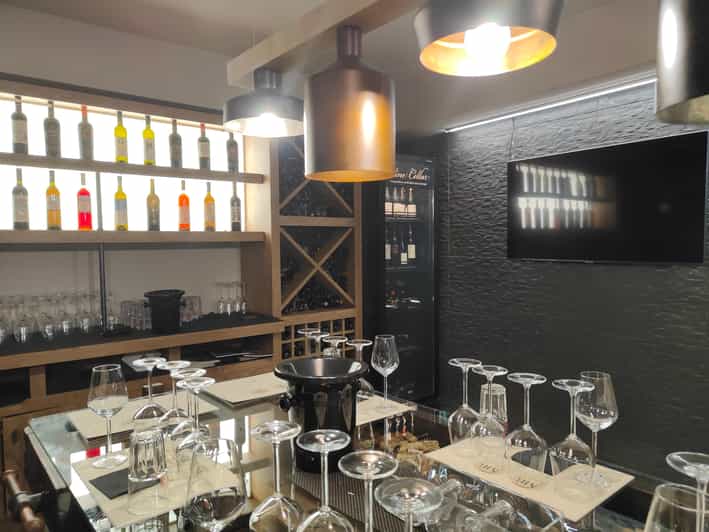
- Six wines in one flight: organic, biodynamic, natural, and orange styles, paired with the right nibbles
- Extra-virgin olive oil is not an add-on: you learn how it changes what you taste
- Greek methods explained in plain language: amphorae (clay jars), stainless steel, cement, and small oak influence
- Tasting includes the food logic: herbs, spices, and condiments paired to match wine character
- Limited bottlings may be part of the excitement: some wines are available in very small quantities
Turning Greek Wine History Into Flavor: What This Tasting Really Does
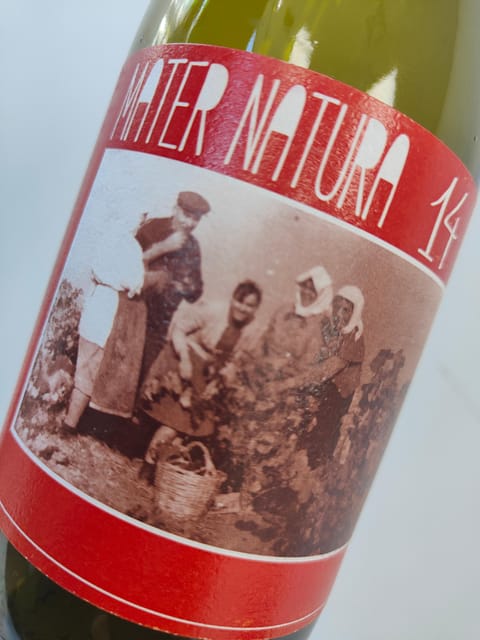
Greek wine does not need to be a museum piece. This experience treats it like something living and current, while still grounding you in how the country has made wine for thousands of years. The promise is simple: you try six real wines—organic, biodynamic, natural, and orange—then learn why Greece can produce them at a high level, even today.
The backbone is the terroir story: indigenous grape varieties, dry winds, and hot days. Add production methods that range from amphorae (clay jars) to stainless steel and plain cement, plus some small oak influence and long bottle aging, and you start seeing how style is created. It is the kind of explanation that helps you taste with a purpose instead of guessing.
And yes, there is a food side. You get small nibbles designed to match what you’re drinking, plus extra-virgin olive oil and even elements like concentrated grape must. That means you taste the wine, but you also learn how to pair it—something that’s hard to pick up from buying a bottle without guidance.
You can also read our reviews of more wine tours in Athens



Your Six-Wine Flight: What You’ll Taste (and Why It Matters)
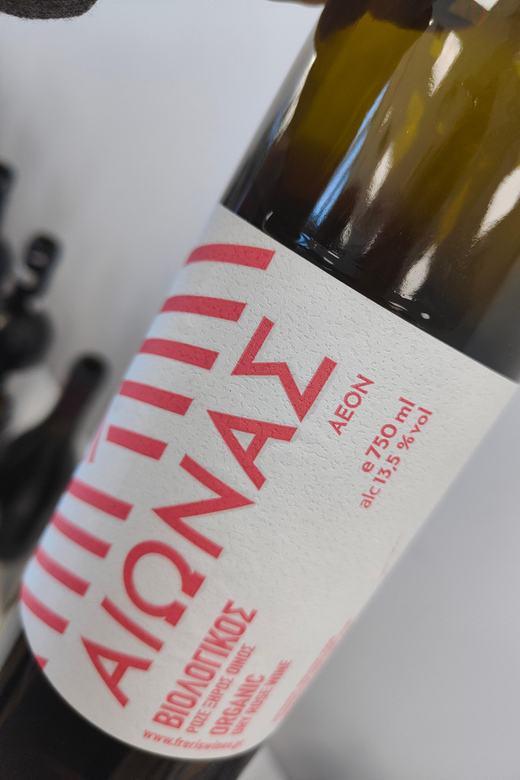
The core of the experience is a guided sampling of six organic, biodynamic, natural or orange wines. The goal is not to label them like a textbook. It is to teach you how these wines show up on the palate and how different production choices can lead to different results in the glass.
Here is the practical value for you: after this, you’ll have a better sense of what to look for when shopping. Natural and orange wine styles can feel confusing at first because they often taste unlike the mainstream wines you might already know. By tasting multiple examples side-by-side, you get pattern recognition fast: which flavors land first, how textures shift, and how acidity and aromas behave across the flight.
The tasting is also structured around pairing. You won’t drink wine in isolation. You’ll match each pour with the right “supporting cast,” often including herbs, spices, and condiments. You’ll also see how the nibbles are designed to sit next to the wines rather than drown them out.
One highlight from the experience is that the pairing philosophy is built to be repeatable at home. Once you understand the logic—powerful with powerful, complex with complex—you can build your own pairings using similar categories of flavors, even if your exact bottle is different.
Cheese, Herbs, Spices, and Condiments: The Pairing Logic You Can Use
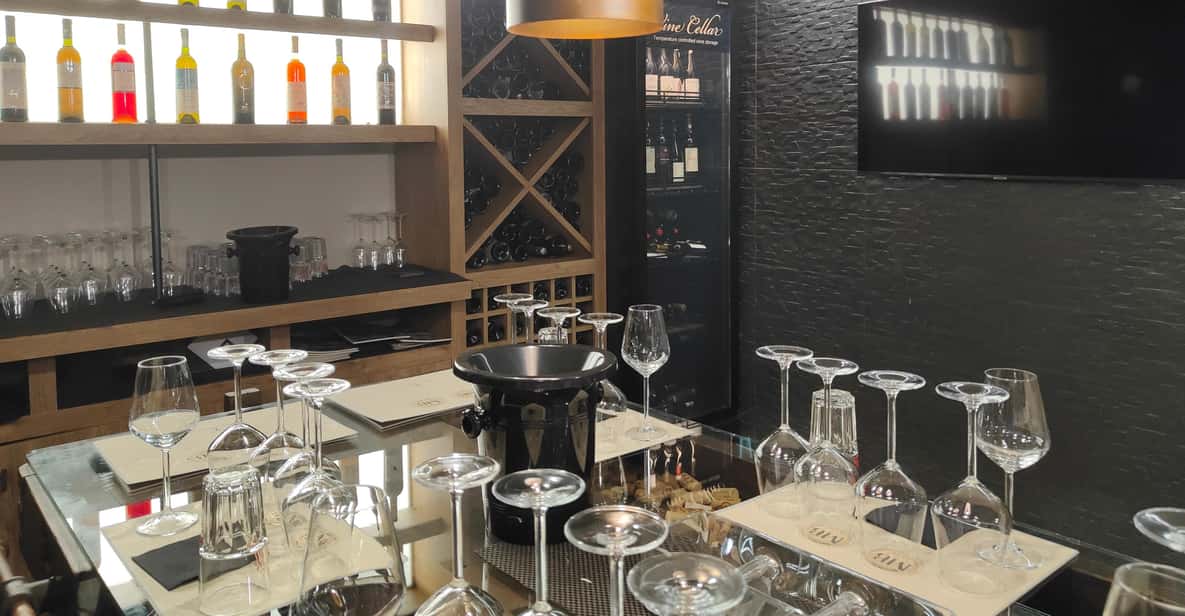
Food pairing is where many tastings fall short. They offer a few bites and call it a day. This one aims higher: it’s explicitly about discovering unique pairings of herbs, spices, and condiments that make the wines taste more coherent.
What that means in practice is that you’re tasting with a moving target. A wine that tastes one way on its own may shift when you take a bite that mirrors its herbal notes or tempers its intensity with something savory. The nibbles are also small enough that you stay focused on the wine, which matters because you’re tasting six.
And there’s cheese in the mix, as the title promises. You can expect it to work like a bridge between wine styles and oil-based flavors. Cheese has fat, salt, and protein texture, and those qualities can smooth edges, lift aromas, and help you detect differences between wines that might otherwise blur.
If you like the idea of ordering wine without feeling clueless, this is a big step. Pairing instruction turns tasting into a skill.
Extra-Virgin Olive Oil: The Hidden Secret Ingredient
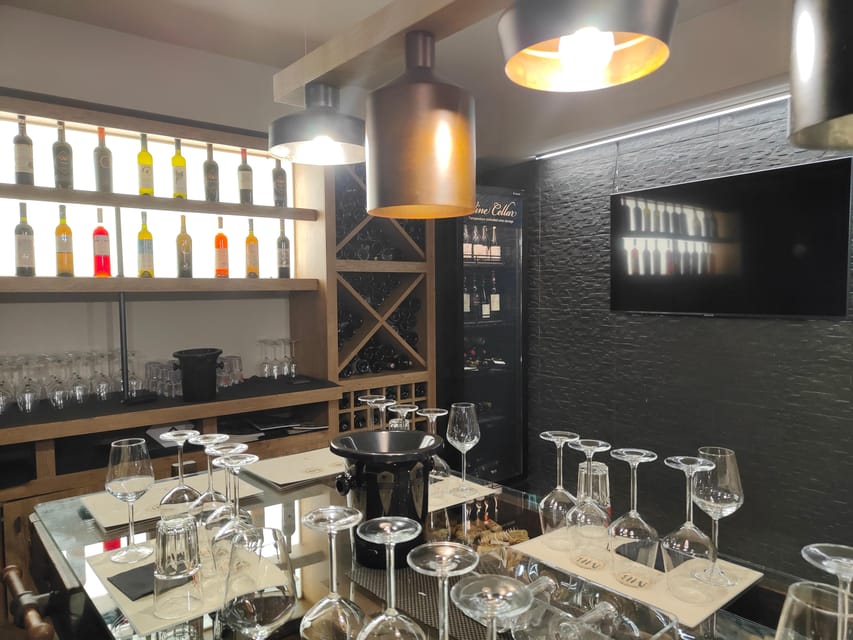
The tasting makes one strong point: olive oil is not just a background flavor in Greek food. It can be a tool for tasting wine.
You’ll discover the hidden secrets of extra virgin olive oil during the experience, and you’ll taste it alongside the wines and nibbles. EVOO brings its own complexity—green, herbal, sometimes peppery—plus its fat helps carry aromas across your palate. That changes what you notice in each wine, especially when you’re moving across styles that may differ in texture and intensity.
What I like about this is that it forces you to pay attention. Many wine lovers rely on smell first. Olive oil pushes you toward palate awareness: after the oil, you notice acidity differently, you detect flavors more clearly, and you understand why certain wines love certain foods.
It also gives you a practical Greek takeaway. In Greece, extra-virgin olive oil is part of everyday eating, not a fancy add-on. Learning how it interacts with wine makes your future meals more intentional, even if you’re not drinking wine at the same time.
Amphorae, Cement, Stainless Steel, and Small Oak: Production Methods in Plain Terms
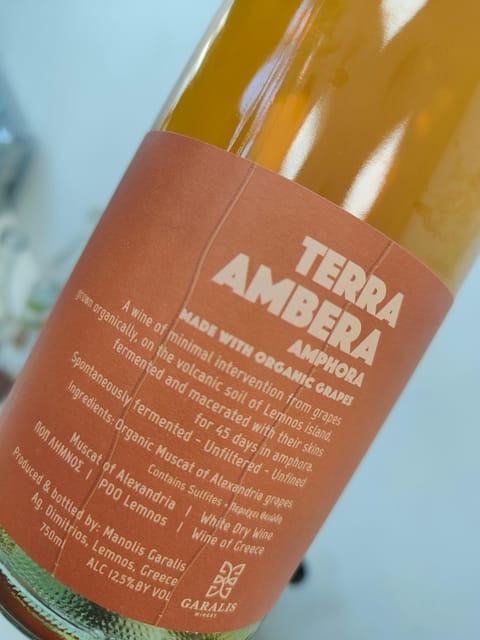
A lot of wine talk gets stuck in big words. This experience tries to keep it tied to reality: how the wine is made affects how it tastes.
You’ll learn that Greek wine production today and historically can involve amphorae (clay jars), stainless steel, and even plain cement. That matters because each vessel can influence how fermentation and aging shape texture and aroma. The overview also points out that some wines have a small influence of oak barrels and that many are aged long in the bottle.
Then there’s the bigger Greece context: 340+ indigenous ancient varieties. That number is a reminder that Greek wine isn’t built on the same international grapes you might see everywhere. It’s rooted in local varieties, shaped by Greece’s climate—again, those dry winds and hot days—and refined by modern knowledge.
For you as a visitor, this is valuable because it reduces confusion. When you understand that indigenous grapes plus different vessel choices can create wide flavor ranges, you stop expecting one single “natural wine taste.” Instead, you start noticing the specific fingerprints in each bottle.
This is also where the “history” included in the experience becomes useful, not decorative. When producers connect craft choices to centuries of practice, the tasting feels like a living continuation, not a trivia exercise.
You can also read our reviews of more tours and experiences in Athens

Anton’s Role and Why the Delivery Feels Personal
The experience is taught in English, and it’s led by Anton, the owner of the wine shop and host for the tasting. In reviews, people highlight how he explains wine clearly and keeps the conversation friendly. One of the best signs for me is that the tasting is described as tailored—meaning Anton adapts the pace and focus to the group rather than running the same script for everyone.
That flexibility matters. Natural and orange wines can be polarizing if you don’t know what you’re tasting for. A good host can shift your mindset from correct terminology to actual sensation. Reviews also mention his superb English and his sense of humor, which helps when you’re learning a new wine world quickly.
There’s also a practical bonus: people mention he gives recommendations for other wineries during the rest of the trip. That’s exactly what you want from a tasting like this. Not just six pours and a goodbye, but a bridge to what you should explore next.
Limited Bottlings: What to Do If You Fall in Love
This tasting has an extra layer of urgency baked into it: certain wines are limited bottling, with some available in as low as 200 bottles. The overview also says these wines can be available exclusively in the store to buy or ship.
So here’s how to use this information wisely. If you find a wine you truly want to remember, ask about availability right then. Limited bottlings mean your favorite bottle may not exist next month in the same way. And because the tasting is built around learning and pairing, buying a bottle soon can make your next meal a continuation of what you learned.
If you’re the kind of traveler who loves a souvenir you can actually drink, this element makes the experience more than just entertainment.
Price and Logistics: Is $41 for Six Wines Good Value?
At $41 per person for a 1-hour tasting, you’re paying for three things at once: the wines themselves, the pairing bites, and guided interpretation.
Six wines in one session is a strong ratio, especially when the food pairing and olive oil are included. Most wine experiences either give you education without the oil and pairing logic, or they give you pours with minimal explanation. Here, you get both, plus a history and production-method context tied directly to what you’re drinking.
The main tradeoff is time. One hour means you can’t pause every moment to compare details endlessly. Still, a focused, short session can be a win if you’re traveling and want high learning per hour.
Also, the experience is not suitable for children under 18, and it’s not suitable for people over 95. If you’re within the age range, this is a good “knowledge-to-palatability” stop before or after other wine-related plans.
Who This Tasting Is Best For (and Who Should Skip It)
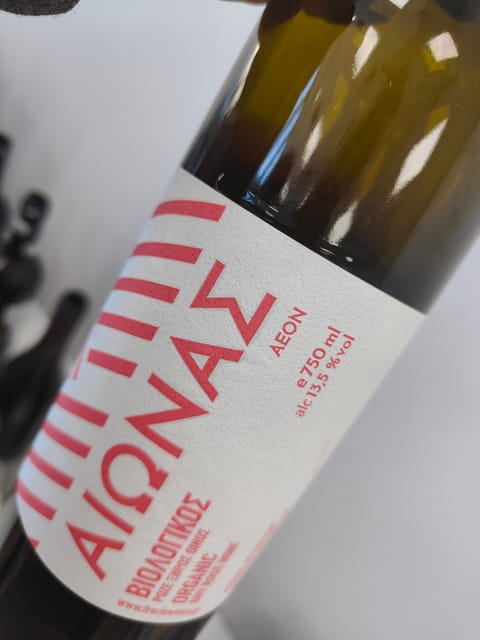
I’d put this on your list if you want more than a basic wine tasting and you like hands-on learning. It fits especially well if you’re curious about natural and orange wines, want to understand what production choices mean for taste, and like pairing food with drinks.
You’ll also enjoy it if you like olive oil as a flavor category in its own right. The EVOO focus makes it feel more Greek and more practical than many tastings that treat oil as an afterthought.
Skip it if you only want classic international wines or if you’re looking for a long, slow sit-down meal. This is a tasting built for concentration, not an all-evening wine dinner.
Should You Book This Natural Wine and Olive Oil Experience?
Book it if you want a fast, high-impact way to taste Greek organic, biodynamic, natural and orange wines and learn how to pair them with food and extra-virgin olive oil. At $41 for six wines plus nibbles and guided history, the value is solid, especially because you’re learning the why behind the flavor, not just collecting bottles.
Don’t book if you want a quiet, unhurried experience with lots of time to linger. The one-hour format is efficient, and the tasting style is built to keep moving through six wines.
If you do book it, come hungry enough to enjoy the nibbles, but not so full you can’t taste nuance. Ask Anton your questions in the moment—this is the kind of experience where a good follow-up can turn a great hour into lasting takeaways for your next Greek meal.
FAQ
How long is the Orange & Natural Wines Of Greece tasting?
It lasts 1 hour.
How many wines will I try?
You’ll taste six wines.
What kind of wines are included?
The flight focuses on organic, biodynamic, natural, and orange wines.
What food is included?
You’ll have nibbles and cheese pairings, along with extra virgin olive oils during the tasting.
Is the host/instructor available in English?
Yes, the tasting is offered in English.
Is there free cancellation?
You can cancel up to 24 hours in advance for a full refund.
Is there a reserve now & pay later option?
Yes, the experience offers reserve now & pay later.
Is this activity suitable for children?
No. It is not suitable for children under 18 years old, and it is not suitable for people over 95 years old.
You Might Also Enjoy



More Cheese in Athens
More Wine Tours in Athens


More Tour Reviews in Athens
- All Day Cruise -3 Islands to Agistri,Moni, Aegina with lunch and drinks included
★ 5.0 · 4,958 reviews