REVIEW · ATHENS
From Athens: Meteora Full-Day Trip with Guide on Luxury Bus
Book on GetYourGuide →Operated by Ammon Express · Bookable on GetYourGuide
Meteora starts looking unreal before you even arrive. This full-day Athens to Meteora ride mixes air-conditioned comfort with an archaeology-minded guide who explains what you’re seeing as you roll through the Greek mainland.
The best part is you don’t just snap photos and leave. You enter 3 monasteries, then get time to wander, ask questions, and soak in the view above the valley and the rocks perched on near-vertical cliffs.
One possible drawback: it’s a long day. Expect around 15 hours total, with roughly five hours of driving each way, so you’ll want to be ready for a schedule that moves.
In This Review
- Key highlights you’ll actually care about
- From Halandri to the Holy Rocks: Why This Route Works
- The Drive: Comfortable Bus, Planned Breaks, and Time to Breathe
- Arriving at Kalabaka: The Town That Feels Built for Meteora
- Entering 3 Monasteries: What You Actually Get (and What You Pay Separately)
- The Views Above the Valley: Why 15 Minutes at Meteora Matters
- Learning Meteora’s Orthodox Art and Monastic Life
- Lunch in Kastraki: A Real Break from the Cliffs
- Timing and Logistics: How the Day Runs from Start to Finish
- Money Matters: Is €108 Worth It for Meteora?
- What to Bring: Shoes, Clothing, and Cash That You’ll Actually Use
- Guides Matter: The Difference Between Facts and Meaning
- Who Should Book This Trip (and Who Might Skip It)
- Should You Book This Tour or Plan Something Else?
- FAQ
- FAQ
- Where do I meet the tour in Athens?
- How many Meteora monasteries do I visit?
- Are monastery entrance fees included?
- Is lunch included?
- What language is the guide?
- How long is the day trip?
- What should I bring?
- Is this tour accessible for wheelchair users?
Key highlights you’ll actually care about
- Luxury bus from Halandri Metro instead of fighting Athens traffic deeper in the city
- English guide with an archaeology background, including guides named Basil and George in some departures
- 3 monastery visits included, with photo stop time at Meteora before you go inside
- Traditional lunch in Kastraki (your lunch bill is separate, but the stop is built in)
- Real break rhythm on the road (Atalanti and Sofades come up twice)
From Halandri to the Holy Rocks: Why This Route Works
I like that you start at Halandri Metro (meet outside the station, near the exit toward Vrilissia). It’s one less headache in Athens before your day turns into mountain views. The bus route is designed so you can leave the city with less gridlock than tours that pick up people in the thick of downtown.
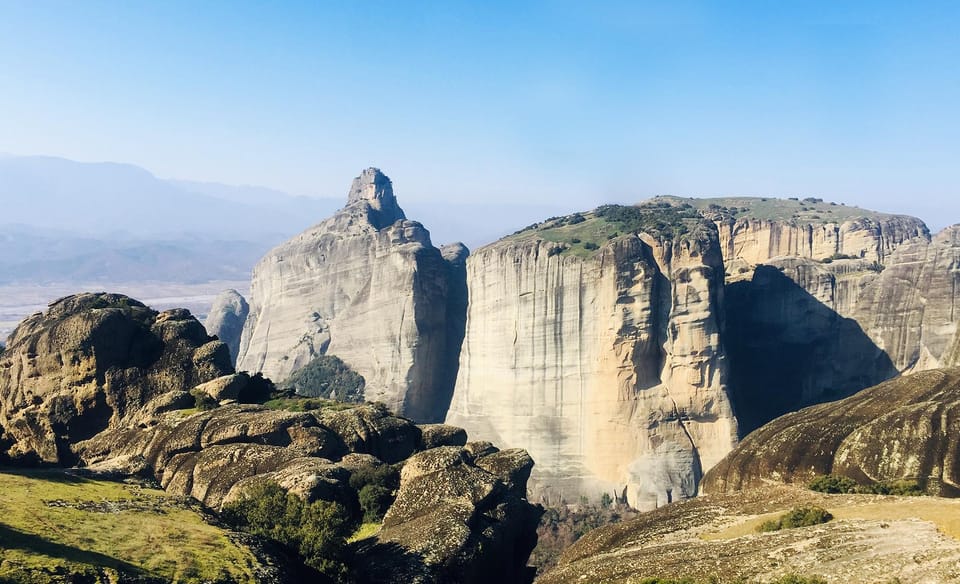
Once you’re on the road, the day isn’t just transport. Your guide talks as you drive, explaining the history tied to the places you pass on the eastern mainland. That matters for Meteora because you’re not looking at random old buildings. You’re looking at a religious answer to a tough geography: huge rock pillars, limited access, and a way of life shaped by isolation.
You can also read our reviews of more guided tours in Athens
The Drive: Comfortable Bus, Planned Breaks, and Time to Breathe
This is a full-day trip by bus, and the timing is clear: the drive is about 5 hours each way, with short stops built in for rest and snacks. The schedule includes breaks in Atalanti and Sofades on both directions, so you’re not stuck waiting too long when you need a bathroom or a quick stretch.
Along the way, you’ll get the rhythm right. There’s a long road segment between stops, then a short break, then another road segment—so you can mentally reset instead of feeling stuck in constant transit. The bus is air-conditioned and comfortable, which is a big deal on a day like this because Meteora can feel cold and windy even when Athens is warm.
Also, one small detail that can make a difference: you get a photo stop at Meteora before the monastery time. That gives you a moment to orient yourself visually—where the valley sits, where the monasteries are perched, and what angles make the rocks look most dramatic.
Arriving at Kalabaka: The Town That Feels Built for Meteora

The bus takes you to the area of Kalabaka, commonly treated as the base for Meteora. From there, your group goes straight into the monastery plan instead of wasting time with extra touring.
Kalabaka is practical. It’s where you’ll feel the tour economy—parking, buses, and people flowing toward the rocks. But that practicality is useful: you spend your time where the views are, not on filler.
If you like asking questions while you travel, this tour supports that. The guide time is on the bus, then you can ask things as you move between viewpoints and monasteries. Guides named Basil and George show up in past departures, and the common theme is that they communicate well and share a lot of context.
Entering 3 Monasteries: What You Actually Get (and What You Pay Separately)
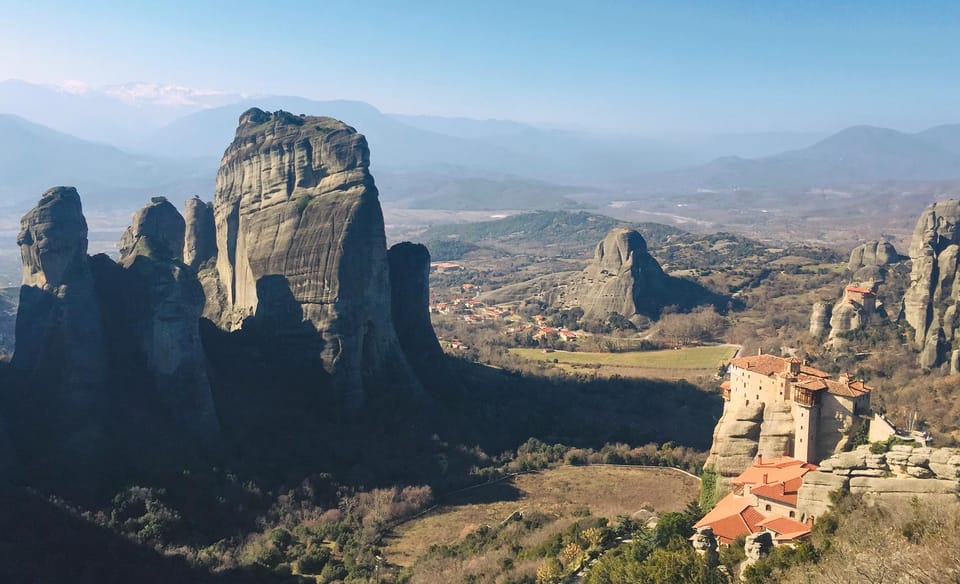
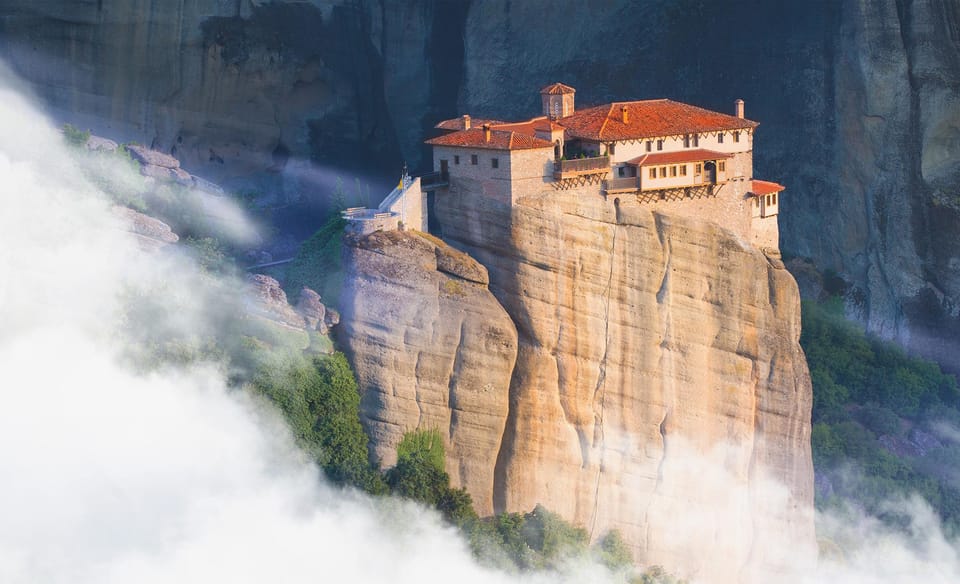
Meteora has six holy monasteries, and this tour includes entry into 3 of them, chosen based on what’s open on the day. That’s a smart compromise for a day trip. You get variety—different buildings, different cliff-side angles—without turning your day into a rushed sprint through all six.
Here’s how the monastery time is structured once you arrive:
- One short photo stop at Meteora (about 15 minutes)
- Then three monastery visits, each around 45 minutes, for sightseeing and exploring the buildings from the inside
You’ll also pay attention to the ticket structure. Entrance fees are not included and are listed at about €5 per monastery, paid cash only. That means you’ll want to carry a few euros in advance, or you’ll end up searching for an ATM on a tight schedule.
One more practical note: the tour includes entry visits, but a guided tour inside the monasteries and museums isn’t included. In other words, you’re free to wander, and you’ll benefit from the guide’s explanations as you go, but you shouldn’t plan on having every room lectured like a classroom.
The Views Above the Valley: Why 15 Minutes at Meteora Matters
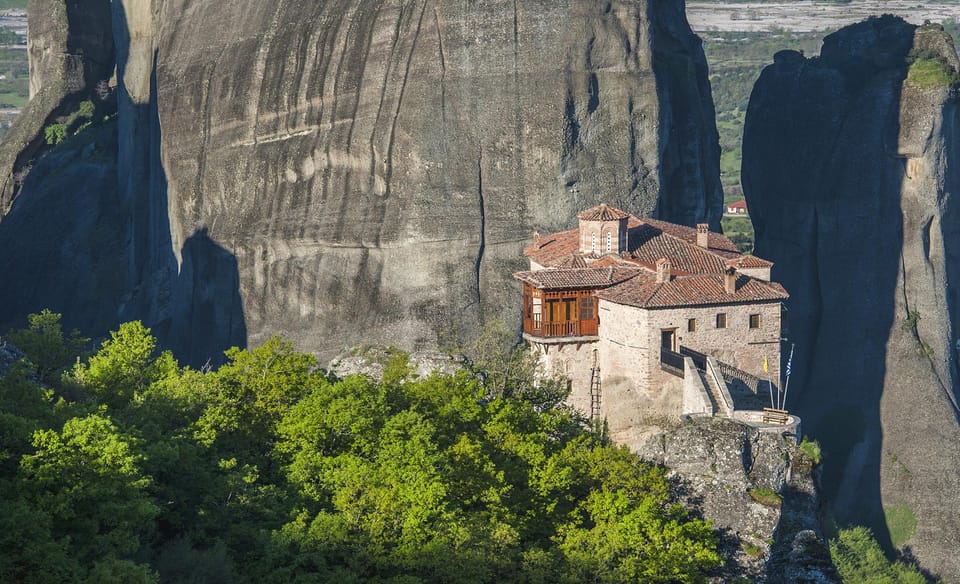
I’m a believer in timing. Meteora can look flat on a screen, but once you’re there, the rocks feel vertical and massive. The built-in photo stop gives you breathing space to take your bearings fast: you can find the best angles before you head into the monasteries, and you can also just stand there and let the scale hit you.
Then you get the payoff after each monastery segment: more chances to look out over the valley and the rock formations from different spots. That repetition matters. First you see a cliff and think wow. Later you understand where the buildings sit relative to each other, and the whole place starts to make architectural sense.
If you’re chasing that feeling of the rocks layered against sky, bring your patience for weather. Conditions can change quickly in the hills—so aim to take your photos when you get a clear window, not only at the end.
You can also read our reviews of more tours and experiences in Athens






Learning Meteora’s Orthodox Art and Monastic Life
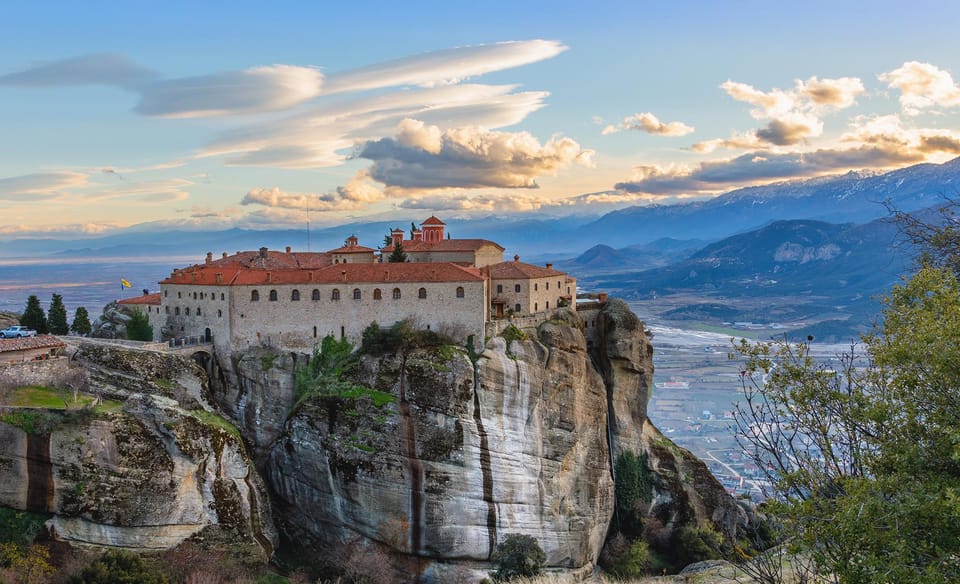
What makes Meteora more than a scenic stop is the religious art and the monastic logic behind the buildings. This tour is framed with explanations from a guide who has an archaeology background (history and archaeology studies). You’re not handed random facts. You’re guided through what you’re seeing and why monasteries developed here in this specific way.
In practical terms, the guide’s context helps you notice details during your 45-minute monastery visits:
- the way the buildings relate to access and safety on the rock
- how religious practice shaped what you see inside
- how the icons and church art connect to Eastern Orthodox culture
Even if you’re not an art-history person, this helps you move past looking at old walls. You start to understand the place as a living system, not just stonework.
Lunch in Kastraki: A Real Break from the Cliffs
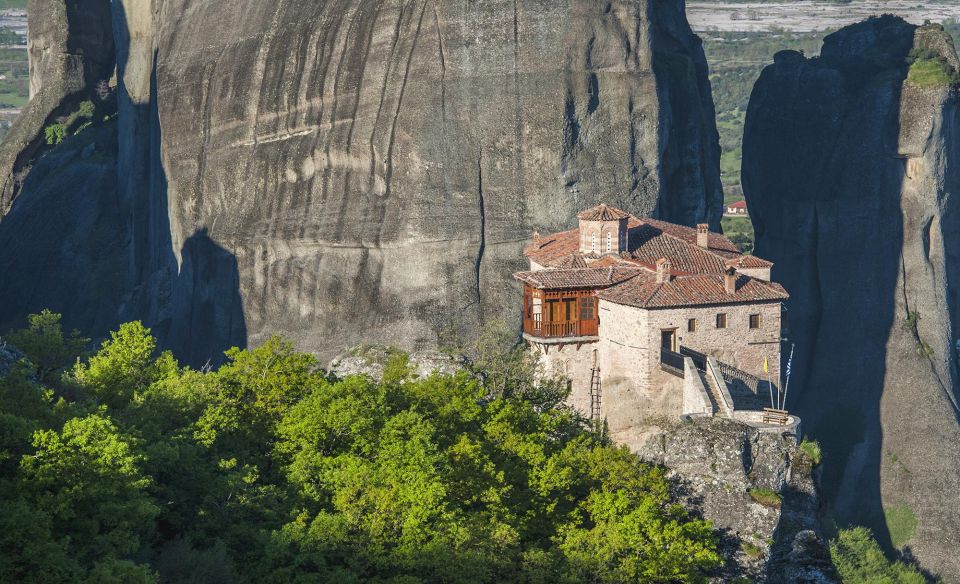
After the monastery time, you get lunch in Kastraki, a nearby town known for its location close to Meteora viewpoints. Lunch is not included, but the stop is. That gives you the freedom to choose what you want without turning the meal into a scavenger hunt.
Kastraki also changes the pace. After walking around steep steps and viewing platforms, it’s nice to sit and eat something traditional while the day steadies out.
The tour includes about 1 hour for lunch. That’s enough time to eat, pay, and still have a moment to look around outside the restaurant before reboarding.
Timing and Logistics: How the Day Runs from Start to Finish
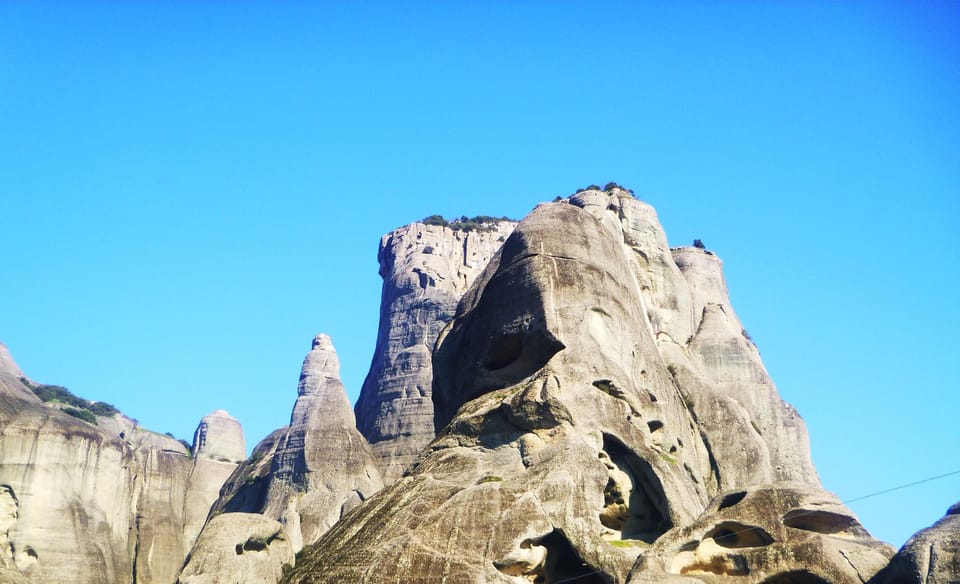
This trip is built around a clear rhythm: travel, breaks, viewpoints, monasteries, lunch, then the return drive.
On the outbound side, you’ll have:
- a 1.5-hour coach segment
- a break in Atalanti (around 20 minutes)
- another coach segment (about 100 minutes)
- a break in Sofades (around 20 minutes)
- another coach segment (around 75 minutes)
- arrival at Meteora area with photo stop time, then monastery visits
On the return, there’s a similar pattern, including breaks again at Sofades and Atalanti before heading back to the same meeting point near Halandri Metro.
What that means for you: it’s not a relaxed weekend outing. It’s more like a well-managed expedition day. If you’re the type who likes to know when things happen and where you’ll be next, you’ll probably feel comfortable. If you hate sitting on buses, this might feel like a trade-off.
Also keep in mind the tour is not suitable for people with mobility impairments and not wheelchair accessible. That’s relevant because monastery visits involve steps and uneven surfaces.
Money Matters: Is €108 Worth It for Meteora?
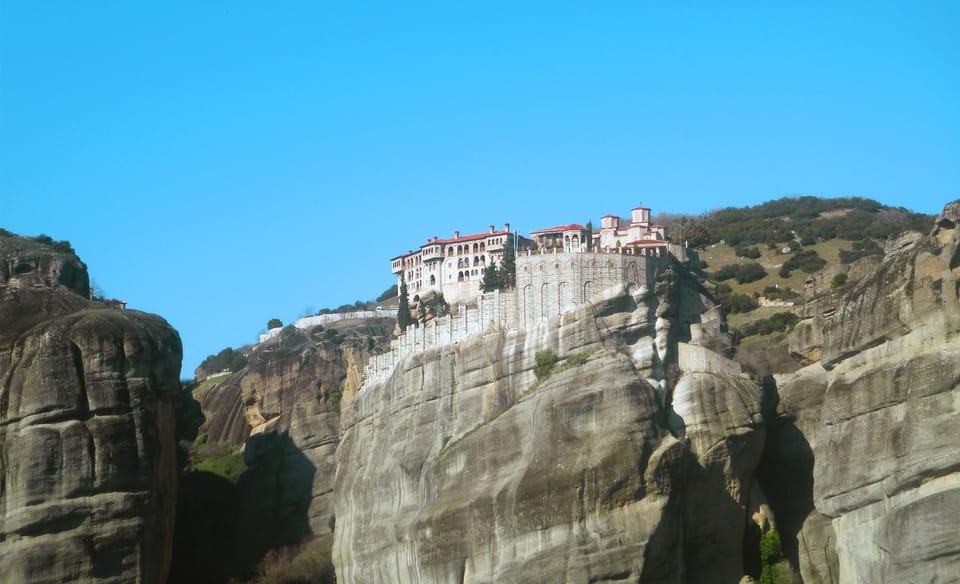
At $108 per person, you’re paying mostly for transportation, guide time, and monastery entries into three sites.
Here’s the value math that matters:
- You get round-trip transportation on an air-conditioned bus
- You get an English live guide from the start of the trip
- You get visits inside 3 monasteries (not all six)
- You get photo stops and a structured lunch stop in Kastraki
Then you add what’s not included:
- Entrance fees of about €5 per monastery paid in cash
- Lunch cost (restaurant menu choices)
So the “true” cost depends on what you pay for lunch and the cash entrance fees. Still, compared with doing this as a DIY day with bus schedules and ticket planning, the included structure is a big deal. It’s also useful if you want explanations during the drive instead of just staring out the window with a phone map.
What to Bring: Shoes, Clothing, and Cash That You’ll Actually Use
This tour gives direct packing advice, and I agree with it. Meteora is not a place for fragile shoes. Bring comfortable shoes you’d wear on a hiking session. Even when time is limited, you’ll be walking on uneven surfaces and dealing with stairs.
Clothing matters too. Monasteries expect decent clothing, and that usually means covering shoulders and having appropriate length. If you show up in shorts and tank tops, you might get turned away from certain areas or have to cover up on-site.
Don’t forget cash. You’ll need it for:
- entrance fees (cash only)
- any snacks you want during road breaks
- your lunch
Guides Matter: The Difference Between Facts and Meaning
This is where the tour’s reputation shines. People rate it highly because the guides are doing more than reading a script. In previous departures, guides Basil and George came through as warm, communicative, and genuinely informative.
That matters because Meteora can become a blur if you’re left with only architecture and no context. When the guide connects what you’re looking at to Orthodox Christian art and monastic life, your time inside the monasteries becomes more memorable.
One extra detail worth noting: at least one departure included real help with a pharmacy stop at the end of the day when someone needed it. That kind of practical attention doesn’t show up in brochures, but it’s exactly what makes a long day feel manageable.
Who Should Book This Trip (and Who Might Skip It)
You’ll probably love this tour if:
- you want one organized day with transportation handled
- you prefer a guide with an academic background who explains what you’re seeing
- you’d rather not plan monastery entrances and driving between sites
- you like having some free time to ask questions and wander inside
You might want to skip or choose another option if:
- you need wheelchair access or have mobility limitations
- you hate long bus days (it’s about 15 hours total)
- you expect a fully guided museum-style walkthrough inside every monastery (guided tours inside monasteries and museums are not included)
Should You Book This Tour or Plan Something Else?
If your goal is Meteora without stress, this is an easy yes. You’re getting the core experience—3 monastery visits, panoramic viewpoints, and an English guide—packed into a day that’s structured and paced with real breaks.
Book it especially if you value explanations while traveling and want your time on the rocks to feel meaningful, not just scenic. The main things to be ready for are the long drive and the need for cash for monastery entrances and your lunch.
If you’re comfortable driving and you love total freedom, you could DIY. But for most people, the combination of bus comfort, guided context, and monastery entry planning makes this a strong value.
FAQ
FAQ
Where do I meet the tour in Athens?
You meet outside Halandri Metro Station, following the exit To Vrilissia and meeting your guide outside the station.
How many Meteora monasteries do I visit?
This trip includes entry into 3 of the 6 holy monasteries, based on their operating schedule.
Are monastery entrance fees included?
No. Entrance fees are listed at about €5 per monastery and are cash only.
Is lunch included?
Lunch is not included in the price. The tour includes a stop in Kastraki for you to have a traditional Greek lunch at a tavern, and you pay the restaurant directly.
What language is the guide?
The guide is English.
How long is the day trip?
The total duration is about 15 hours. The bus drive to Meteora is described as about 5 hours each way.
What should I bring?
Bring comfortable shoes and decent clothing for monastery visits, plus cash for monastery entrance fees and lunch.
Is this tour accessible for wheelchair users?
No. It is marked as not suitable for mobility impairments and not suitable for wheelchair users.
You Might Also Enjoy

More VIP Experiences in Athens
More Guided Tours in Athens
More Tour Reviews in Athens
- All Day Cruise -3 Islands to Agistri,Moni, Aegina with lunch and drinks included
★ 5.0 · 4,958 reviews