REVIEW · ATHENS
Athens: Philosophy Experience at Plato’s Academy Park
Book on GetYourGuide →Operated by Hellas Revival · Bookable on GetYourGuide
Ancient Athens talks back to you. This small-group, highly interactive philosophy class happens right at Plato’s Academy site, where you can physically walk the grounds connected to the world’s first Academy and then turn those ideas into live discussion. I love how it blends archaeological place with hands-on conversation, not a stuffy lecture.
One thing to keep in mind: the plan starts with the Plato’s Academy Digital Museum, and its schedule can change or it can be closed without notice, plus park excavations may affect how close you get to certain ruins.
If you want the part that really clicks, the workshop leans on Socrates-style questioning, so you practice thinking out loud instead of just hearing answers. I also love the focus on Plato’s Allegory of the Cave, used as a modern-thinking tool through dialogue and a short debate game. The downside is also the nature of this format: it is an educational workshop, not a guided museum tour where you’ll get a full, traditional walkthrough of everything on site.
In This Review
- Key highlights worth your attention
- Why Plato’s Academy Park turns philosophy into a walkable lesson
- Meeting outside the Plato’s Digital Museum: what to expect in the first 10 minutes
- Plato’s Academy Digital Museum: your on-site briefing before the dialogue
- Walking the archaeological park to the Gymnasium ruins
- Socrates’ maieutic method: how the workshop teaches thinking, not memorizing
- Dialogue to debate: applying the Allegory to modern life
- Price and value: is $90 for 2 hours actually fair?
- Who this Athens workshop suits best (and who might want a different style)
- Respectful conduct matters at an active historical site
- FAQ
- Do I need to know philosophy before joining?
- How long is the workshop?
- What language is the workshop taught in?
- Where do I meet the instructor?
- Where does the workshop end?
- Is there wheelchair access?
- Is Plato’s Digital Museum included?
- What if the Digital Museum is closed?
- What if excavation is happening in the park?
- What should I bring?
- Should I book this workshop?
Key highlights worth your attention
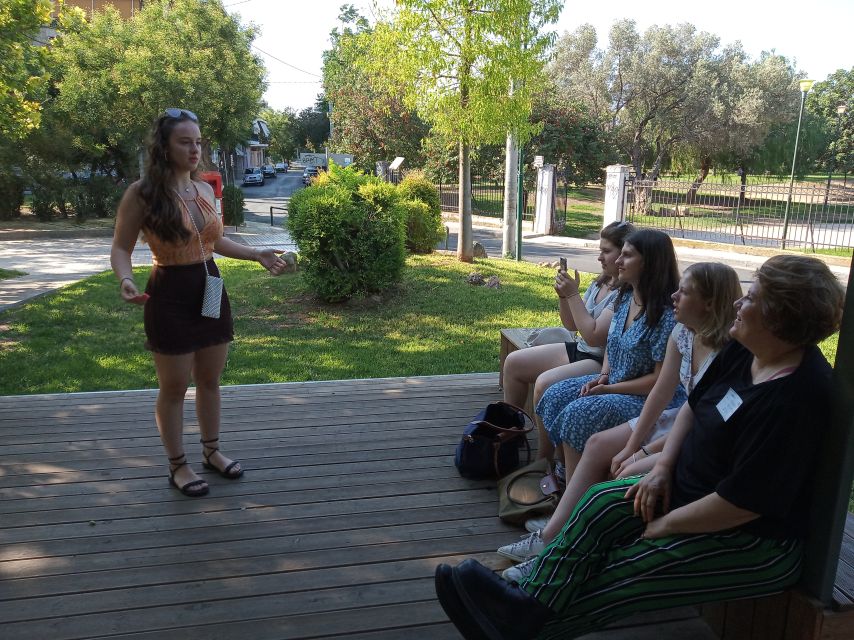
- Plato’s Academy Park in real life: You walk the archaeological space connected to the original Academy.
- Free access to the Digital Museum when open: A short pre-class briefing happens at the museum before you head to the ruins.
- Beginner-friendly, plain English: You won’t need prior philosophy to join the conversation.
- Socrates’ maieutic questioning: You learn how structured questions can reveal what you really think.
- Allegory of the Cave, practiced through dialogue: You interpret it with your group, then apply it to a modern case.
Why Plato’s Academy Park turns philosophy into a walkable lesson
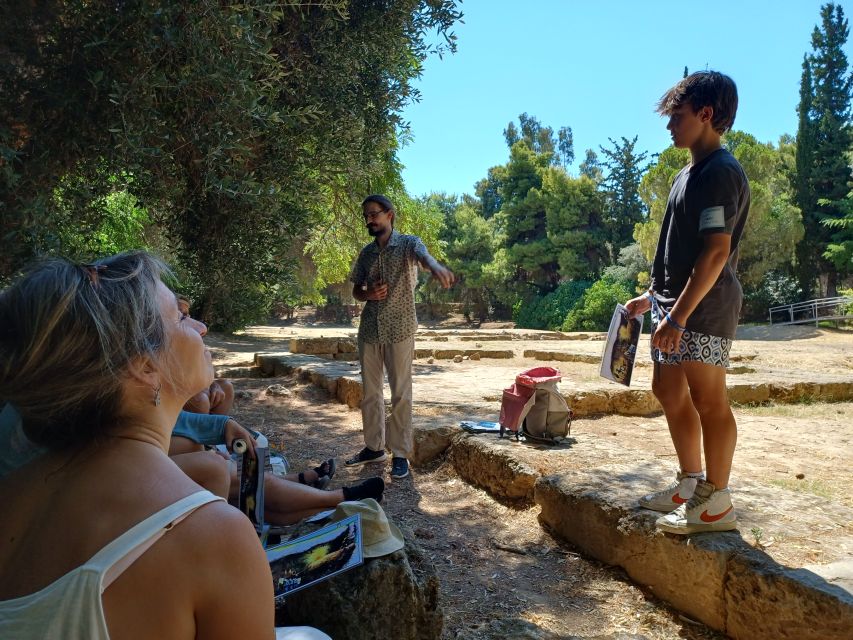
You can read about Plato anywhere. What changes here is the setting: the workshop runs on the grounds of Plato’s Academy Park, with stops at the archaeological remains, including ruins tied to the ancient Gymnasium area. That matters because philosophy in ancient Athens wasn’t separated from daily life. It was argued in public spaces, tested through conversation, and refined by pushing back on easy assumptions.
The workshop’s goal is simple: take Plato’s ideas and use them while you’re standing in the place where the conversation began. You’re not just learning facts; you’re learning a way of thinking. The instructor uses dialogue techniques, guided back-and-forth questioning, and a debate game at the end so the whole session turns into an active mental workout.
You can also read our reviews of more tours and experiences in Athens.


Meeting outside the Plato’s Digital Museum: what to expect in the first 10 minutes
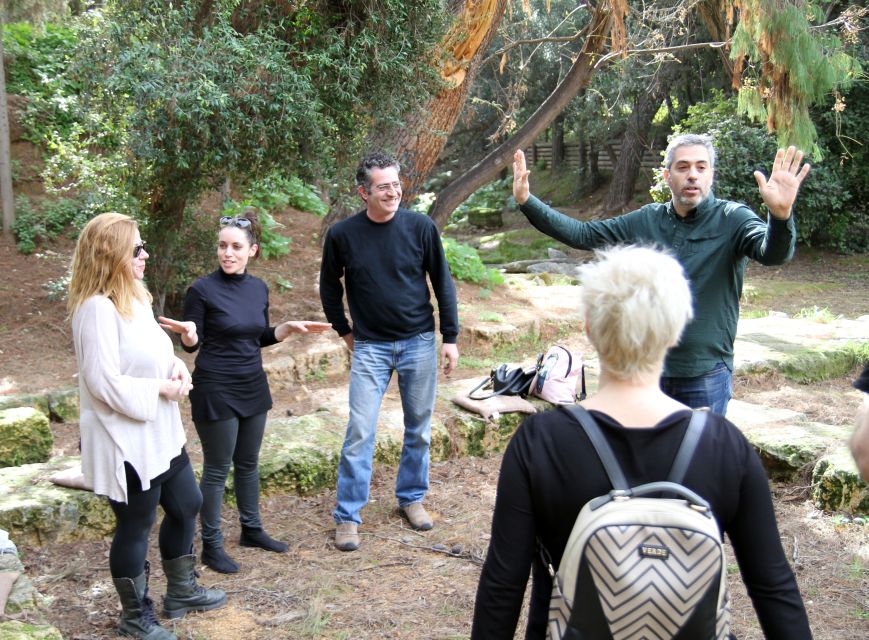
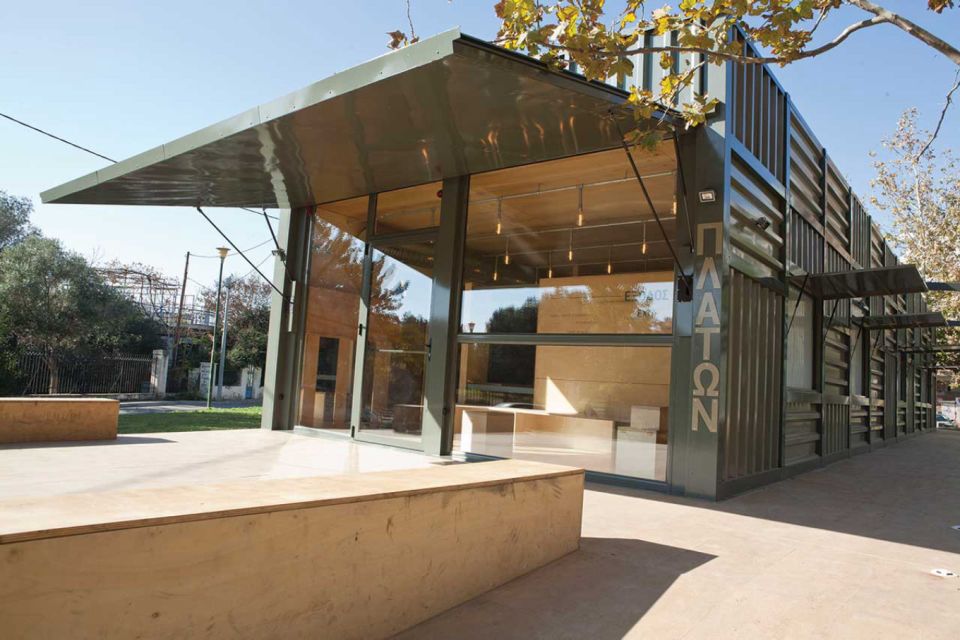
The session starts at the Plato’s Digital Museum entrance, where the instructor waits holding a Hellas Revival sign. You’ll meet the group there, then begin with a short exploration of the museum component, followed by a walk through the archaeological park.
A few practical points make this smoother:
- The workshop runs for about 2 hours, so you’ll want to treat it like an experience with a beginning, middle, and ending, not a drop-in chat.
- The instructor teaches in English.
- It’s set up for private or small groups. Small groups usually mean more speaking time for you, which is the whole point.
You’ll also get a clear checklist of what helps you participate comfortably: comfortable shoes, sun hat, and water. This is especially smart on hot Athens days, because the session includes walking and time outdoors.
Plato’s Academy Digital Museum: your on-site briefing before the dialogue
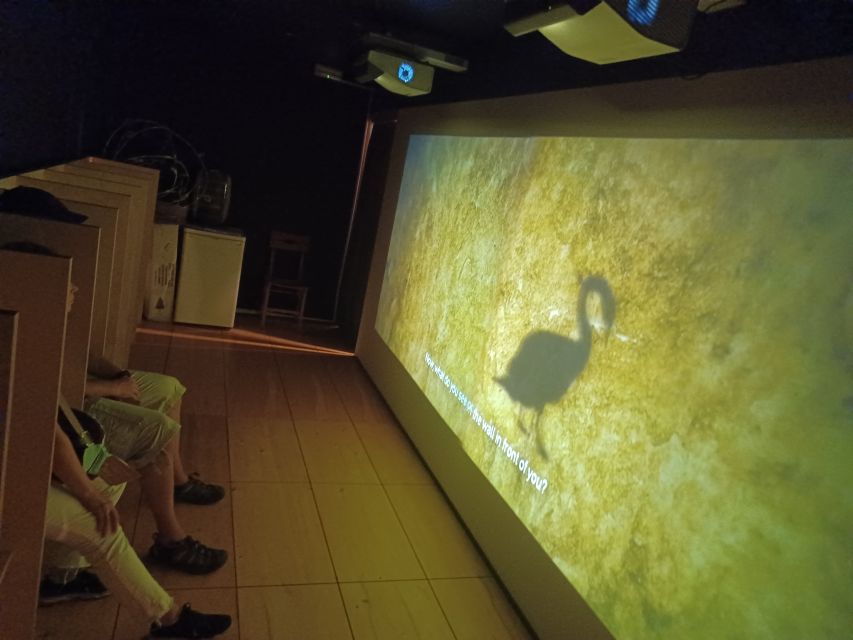
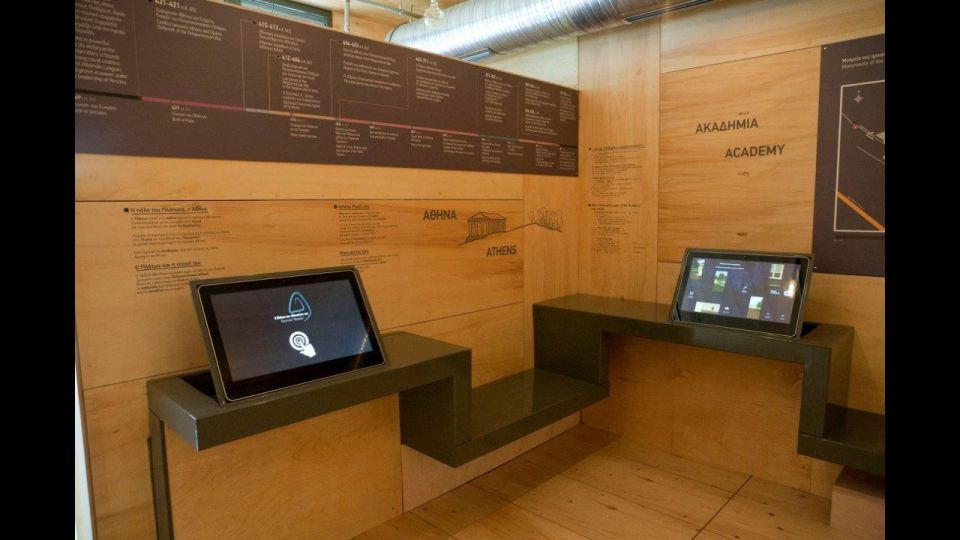
The workshop starts with a short exploration inside Plato’s Academy Digital Museum. Entrance is free as long as it’s open and operational. The idea is that you don’t jump straight into Plato’s big themes. You first gather specific information about Plato’s life and works, and about his Academy.
Here’s what I like about this approach if you’re a beginner: it avoids the feeling of being thrown into a complex topic with no context. Instead, you collect just enough material to ask better questions during the discussion. Then, when you hear the words again later, they make sense faster because you already saw the framing.
A real-world consideration: the museum schedule can change often, and sometimes it can be closed without announcement. If that happens, expect the facilitator to adjust the flow so you still get the workshop’s core dialogue and debate parts. Still, if you’re someone who strongly wants the museum portion, aim to arrive on time so you don’t miss the window.
Walking the archaeological park to the Gymnasium ruins
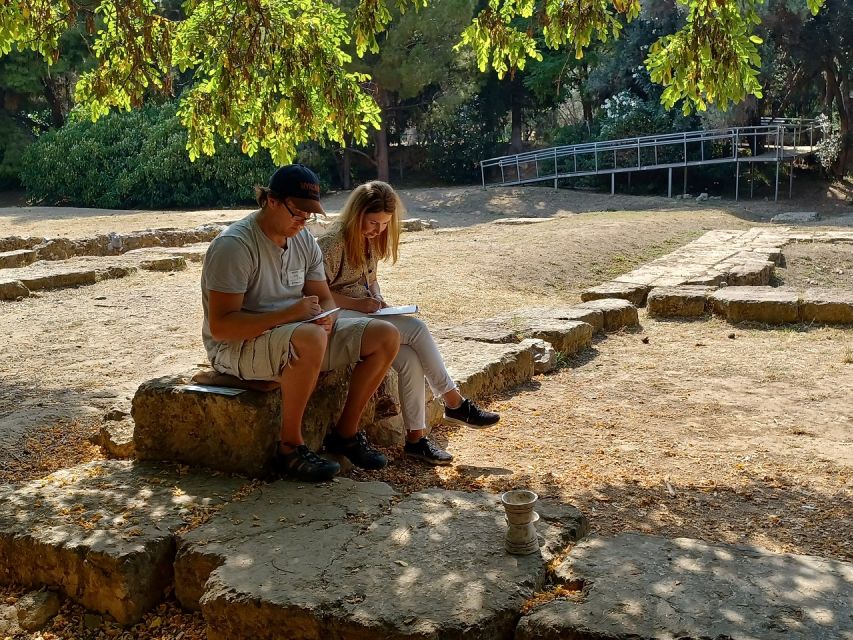
After the museum briefing, you’ll head into the archaeological park of the Academy. Your group walks through the site where you can see the ruins connected to the ancient Academy, including areas tied to the Gymnasium.
There’s also a practical detail you should plan for: archaeological excavation can be taking place at Plato’s Academy Park. When that happens, you may see the ancient Gymnasium ruins from a short distance instead of up close, and then you’ll settle at a different spot in the park for the discussion.
That change is not a disaster; it’s a normal part of visiting active heritage sites. The key is that the workshop still has a philosophy purpose: you’re still in the environment, still discussing on place, and still practicing the Socratic style of thinking. Think of the walk as part of the lesson, not just travel time between stops.
Socrates’ maieutic method: how the workshop teaches thinking, not memorizing
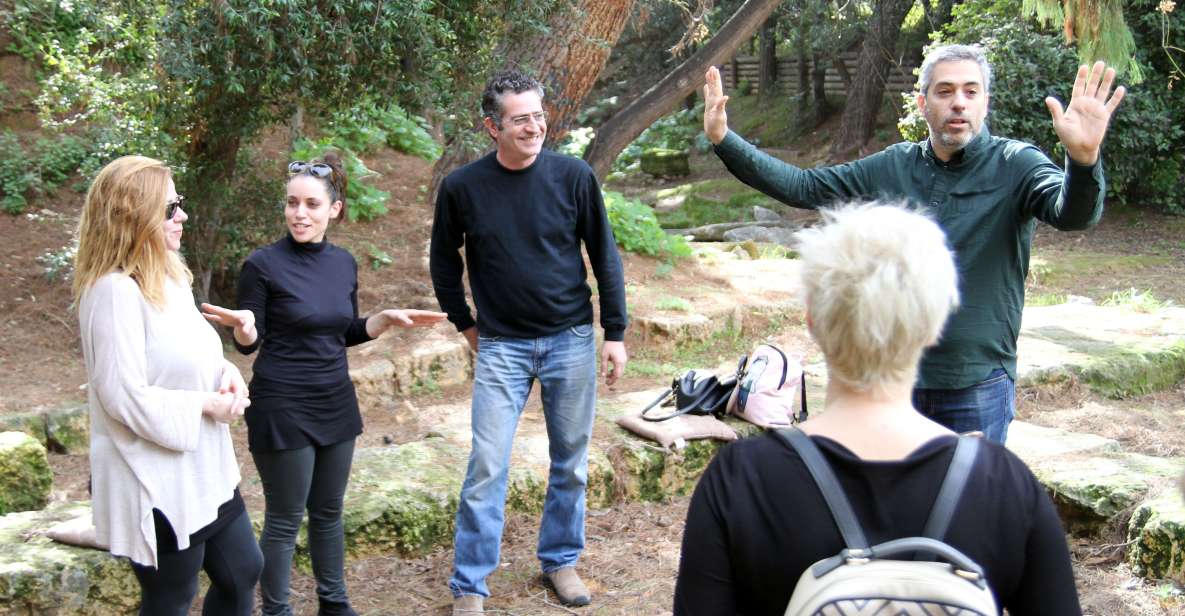
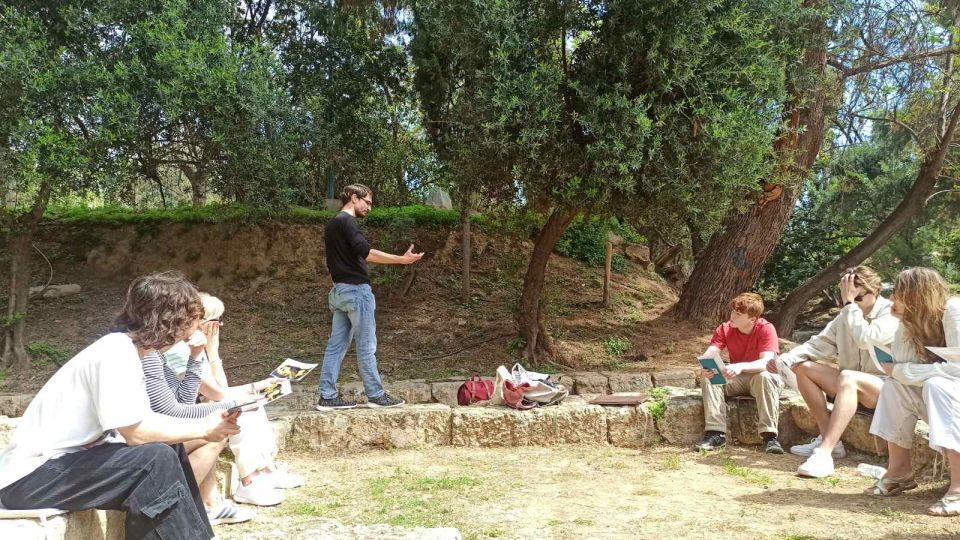
This is where the experience feels most different from a museum talk. The instructor uses Socrates’ midwife art, also described as maieutic questioning, along with Plato-style dialogue techniques. Instead of you passively absorbing ideas, the instructor facilitates exchanges where you share opinions, beliefs, experiences, and views.
If you’re new to philosophy, this can actually be comforting. You’re not being asked to sound like an expert. You’re being asked to articulate your thinking and then test it. The instructor nudges the group through structured questions that help you clarify what you mean, and what you’re assuming.
The workshop builds toward one central theme: Plato’s Allegory of the Cave. Rather than treating it like a story you analyze from a distance, the group uses it as an active framework for discussion. You’ll explore deeper meanings by talking it through together, so the allegory becomes less of an abstract parable and more of a lens for real-life perceptions, beliefs, and choices.
And because it’s a small-group format, you get enough room to participate without the conversation turning into a free-for-all. The instructor is actively guiding the rhythm so you stay focused on meaning, not just opinions.



Dialogue to debate: applying the Allegory to modern life
The session ends with a short debate game. You’ll speak on a modern life case study based on Plato’s view of how a philosopher should act.
That moment is a smart design choice. Philosophy can feel theoretical if you only hear ideas and never pressure-test them. The debate game forces you to ask: if I take Plato seriously, how does that change how I respond, judge, or act in everyday situations?
This is also where beginners tend to gain the most. You don’t need to memorize Plato’s entire system. You just need to connect the questions you practiced during the workshop to a scenario you can recognize in real life.
If you like discussion formats where you think on your feet, you’ll probably leave feeling more alert and more self-aware in how you argue your own points. That’s the practical value here: you’ll have a method you can reuse, even after you’ve left Plato’s Academy Park behind.
Price and value: is $90 for 2 hours actually fair?
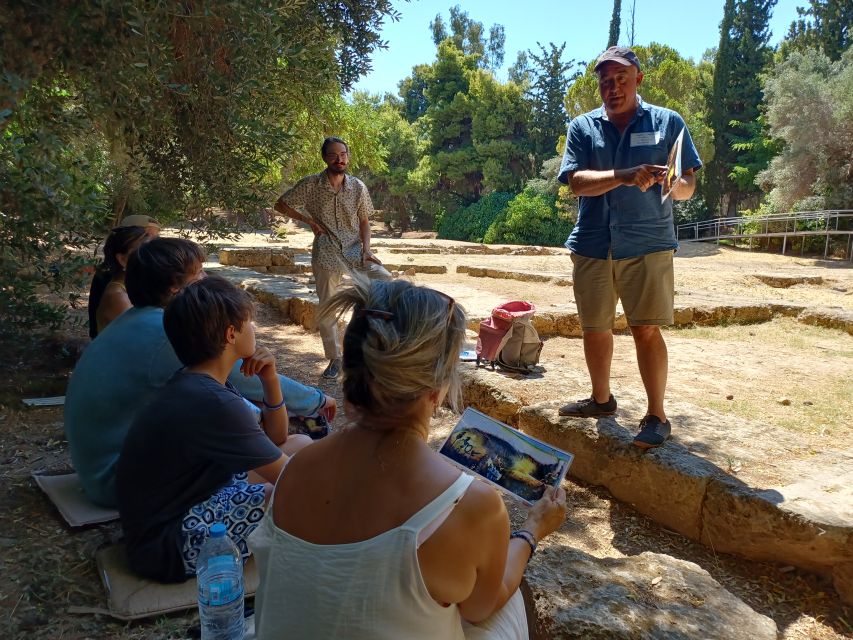
At $90 per person for roughly 2 hours, this sits in the range of a guided experience rather than a casual add-on. The good news is what’s included: an expert facilitator, all materials, and local taxes (24%).
What you’re paying for is not just access to a site. You’re paying for guided interactive thinking: the museum briefing that sets context, the structured questioning during dialogue, and the final debate game that turns learning into practice. If you’re the type who enjoys asking questions and talking things through, the price starts to feel reasonable because you’re getting coaching on how to think, not just sightseeing.
If you’re expecting a long, traditional, full-lecture tour, you might feel it’s short. But the workshop is designed to be compact and active, so you don’t waste time. You’re on the clock, moving between key points, and constantly involved.
Who this Athens workshop suits best (and who might want a different style)
This works especially well for:
- Beginners who want a philosophy experience without difficult terminology and without needing prior knowledge.
- People who learn best through conversation and debate, not only reading.
- Anyone visiting Athens who wants something more human than a typical history talk.
It might be less ideal if you want:
- A full guided walkthrough of every museum object and every ruin in depth. This is described as an educational interactive workshop, not a guided tour.
- A quiet experience. The format includes dialogue, speaking, and a group debate game.
Respectful conduct matters at an active historical site
Because the workshop takes place in a historical setting, you’re expected to follow the site etiquette. That includes respectful conduct and staying aware of rules around things like soberness, cleanliness, and photo/video shooting and dress code.
One more practical note: attending this workshop in a public space counts as consenting to photo/video shooting that may occur, including possible future publication. If you want to withdraw consent, you’ll need to do it in writing before the workshop.
This matters because the facilitator can terminate participation without refund if rules aren’t respected. So if you’re planning to do this, treat it like an educational class you’re joining, not a casual stroll with optional participation.
FAQ
Do I need to know philosophy before joining?
No. It’s designed as a basic workshop for people without previous knowledge, with plain English and no difficult terminology.
How long is the workshop?
It lasts about 2 hours.
What language is the workshop taught in?
The instructor teaches in English.
Where do I meet the instructor?
You meet the instructor outside the Plato’s Digital Museum, at the entrance, holding a Hellas Revival sign.
Where does the workshop end?
It ends back at the meeting point.
Is there wheelchair access?
Yes, the activity is wheelchair accessible.
Is Plato’s Digital Museum included?
You get a short exploration of the Plato’s Academy Digital Museum, and entrance is free when it is open and operational.
What if the Digital Museum is closed?
The museum schedule can change often and it can sometimes be closed without notice. If that happens, the facilitator should adjust the flow so you can still complete the workshop format.
What if excavation is happening in the park?
Excavation can affect views. In that case, you may see the ancient Gymnasium ruins from a short distance and then settle in another spot in the park for the discussion.
What should I bring?
Bring comfortable shoes, a sun hat, water, and comfortable clothes.
Should I book this workshop?
If you want a philosophy experience that’s active and beginner-friendly, I think this is a strong choice. The best part is the method: you’re trained to think through Plato using Socratic questioning, then you apply the Allegory of the Cave to real-life reasoning via dialogue and a final debate game.
I’d book it if you like talking, asking questions, and learning through structured conversation in a real historic setting. If you want a quiet, full-site museum tour with lots of time for passive viewing, you may find the two-hour format and interactive style less satisfying.
You Might Also Enjoy


More Tour Reviews in Athens
- All Day Cruise -3 Islands to Agistri,Moni, Aegina with lunch and drinks included
★ 5.0 · 4,958 reviews